EU Commission to raise maximum limits for mercury in fish products
environmentpublic healtheu commissionmercuryfish productsfoodwatch
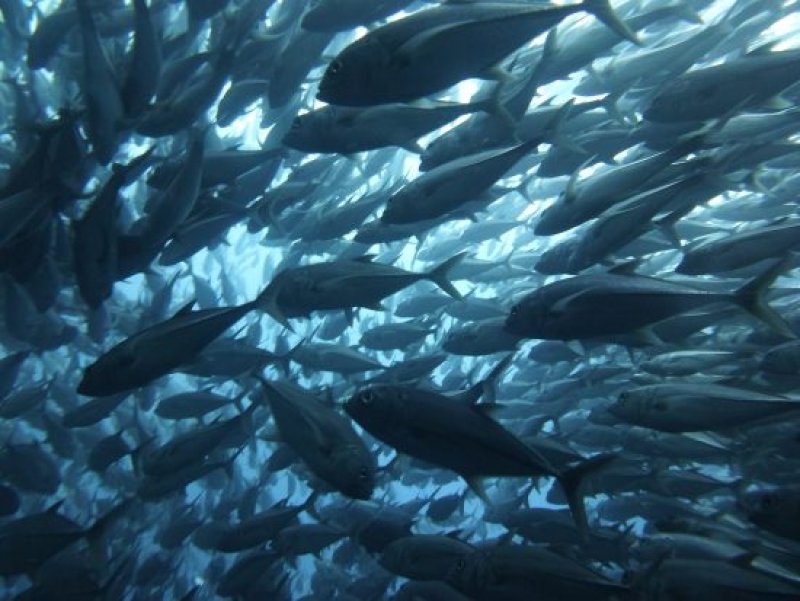
Sample picture (c) mallehai, Archiv Taucher.Net
Easing of restrictions may affect public health
The European Commission is planning to raise the limitations of mercury in fish. This was revealed in a working paper of the European Commission dated 29 May 2015, as revealed by consumer organisation Foodwatch.
In response, Foodwatch has urged the European Commission not to proceed with the implementation, and has started a campaign opposing this at www.quecksilber-aktion.foodwatch.de. Matthias Wolf Schmidt, Deputy General Director of Foodwatch, said that the raising of permitted mercury levels would run contrary to general public health, as the risks and adverse side effects would be passed on to young children and pregnant women.
He added that the permissible mercury limits for fish were already higher than those imposed for other foods, and hence they should not be increased under any circumstances.
Actually, the permissible levels of mercury are determined based on economic policy objectives and not the actual amount of fish caught. In this way, there would be sufficient fish available on sale for public consumption, regardless of the higher mercury content.
According to the working paper, the permissible levels would be doubled from one to two milligrams per kilogramme of predatory fish like tuna and swordfish. For the limits for other fish species, it would be raised from 0.5 to 1 kilogramme.
Foodwatch describes this as a technique to conceal the de facto easing of limits. This is because small, non-predatory fish usually already contain limited amounts of mercury, so that the change in ruling would not affect its supply for the consumer. However, this is not the case for larger predatory fish — the change in ruling would actually lead to more swordfish or shark products containing higher levels of mercury content being sold in the market.
"In general, the mercury intake of consumers will rise. […] This is a perfidious diversionary tactic that helps only the economy, to the detriment of the health of our consumers," said Schmidt in German. Based on the investigations of the European Food Safety Authority, large predatory fish like swordfish and tuna often have significantly higher levels of mercury than is legally allowed. As a result, about 50 percent of the catch currently cannot be sold.
However, after the planned raising of limits, just 14.5 percent would be classified as unsalable, thereby increasing the health risks faced by the consumer.
Source: http://www.foodwatch.org
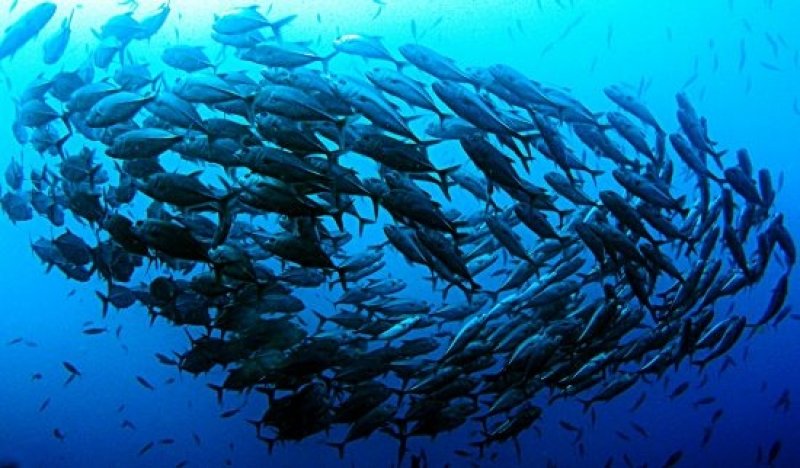
Sample picture (c) NUSS, Archiv Taucher.Net
この記事は自動翻訳されており、多少の不正確な点が含まれている可能性があります。不明な点がある場合は、元の英語版を参照してください。