How to Become a Diver with No Experience: Step-by-Step Guide
scuba diver
If you are starting from zero when it comes to learning how to become a diver, and I mean the absolute zero, you are not alone. I am talking about having no swimming background, no dive gear at your fingertips and certainly no idea where to begin. I was in your shoes once. When I took my first breath underwater, I could barely swim a lap in the pool, and I was just turning thirty years old. But that did not stop me, and it does not need to stop you either.
This guide is designed to walk you through exactly how to become a certified scuba diver, step by step. Whether you are dreaming of ocean exploration, want to overcome a fear of water, or are simply curious about what lies beneath the surface, this is where your journey begins. Trust me, as someone who has now traveled to over 45 countries on diving expeditions, it is worth it. And throughout this article, I will share some of my favorite wildlife encounters to get you that much more excited about your future dive journey!
Table of Contents:
-
Why Learn to Dive?
-
Overcoming First-Time Fears
-
Step-by-Step: How to Become A Diver with No Experience
-
Choosing the Right Dive Center
-
What Gear Do You Really Need as a Beginner?
-
Final Tips for New Divers
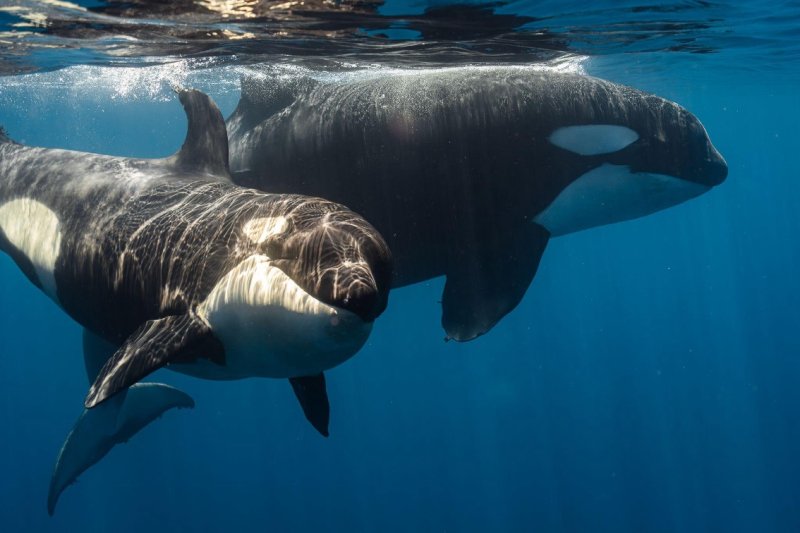
Andi-Cross
Coming face-to-face with a baby orca while diving in Mexico
Everyone has a different reason for learning to dive. For some, it is about adventure and exploration. For others, it is about stillness, stepping away from the noise of everyday life and finding peace beneath the surface. Some dive to face fears, heal from trauma, or push themselves further than they thought possible. Others do it for science, for connection, or simply to experience something new. And sometimes, it is all of the above.
Diving is a tool for transformation. It teaches you to problem-solve under pressure and stay calm in the unknown through breathwork and discipline. It shows you it is possible to find a sense of freedom when you need it most. It can change the way you think both in and out of the water.
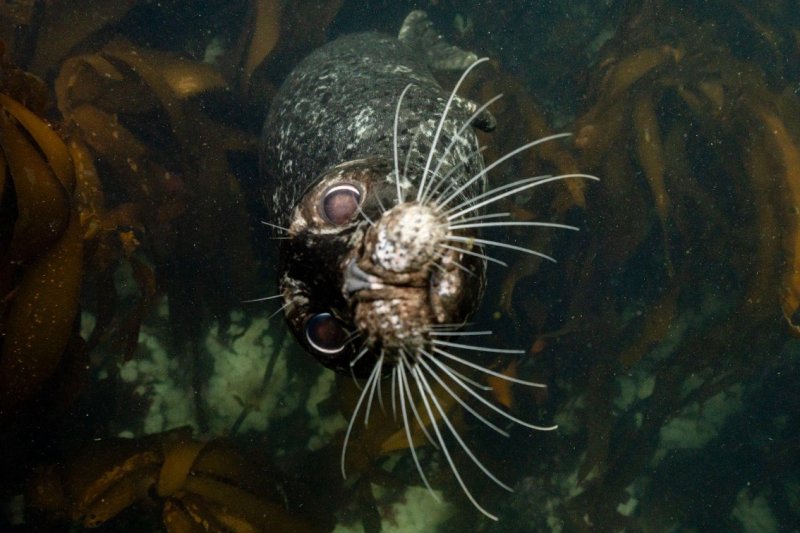
Adam-Moore
Harbor seals are incredibly curious and love to say hello to divers in Canada.
Learning how to become a diver also gives you a front-row seat to what is at stake on this planet. The deeper you go, the more you see—and I am not just talking about the beauty of coral reefs, kelp forests, and pelagic species, but also the damage. You will see plastic pollution cluttering your favorite reef sites. You will get a first-hand look at rising sea levels and disappearing coastlines. The very places we travel to for diving are often the ones being hit hardest by climate change and human impact, and I cannot sugar coat that.
Diving opens your eyes to parts of the world, and parts of yourself, you may never have discovered otherwise. It connects you with people and their cultures, places and their ecosystems, in a way few other experiences can. And from your very first dive, you take on a new kind of responsibility: to protect what you have seen and to share what you have learned. Put simply, diving changes lives. It changed mine, and it can change yours too.
If you are anything like me, you are probably showing up to your open water certification course with a handful of first-time fears. That is completely normal, especially if you are new to water altogether. Most beginner fears stem from a lack of confidence in your own abilities or uncertainty about the ocean and the creatures in it. But here is the good news: those fears shrink with every dive, especially when you choose the right environment and the right people to guide you.
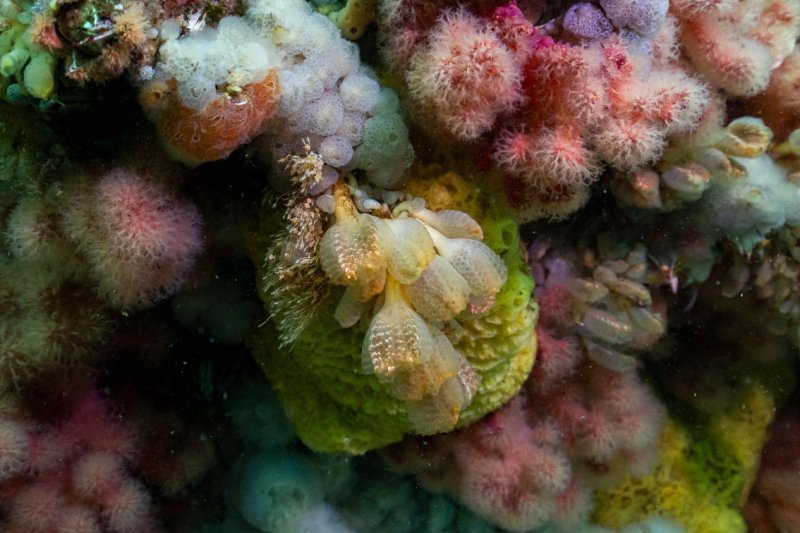
Andi-Cross
Looking closer while diving brings you into new worlds.
Some of the most prevalent fears we hear about are diving with sharks or deep water. But for me, it was basic swimming. I did not know how to swim laps, and while I could tread water and float, I did not feel like a capable swimmer in an emergency at all. That made me nervous in places with currents or less predictable conditions. Never afraid of marine life, I was afraid of my own limitations.
The turning point came when I found patient, empathetic instructors who gave me the space to learn at my own pace, through the tears and all. They listened to the trigger buttons that were stressing me out, and helped me work through each one, step by step. And with time, I built both skill and confidence.
By the time I hit 60 dives, the fear started to fade all together. At 700 dives, I am strong in most conditions, but still open to learning from divers with more experience than me. And constantly seeking new dive courses to keep those skills sharp and level up as much as I can. That is the mindset that has kept me growing. Once you push past one fear, you realize you can push past them all. The real magic of diving begins at that very point.
GET INSPIRED TO DIVE: Which Advanced Diver Course Should You Take First?
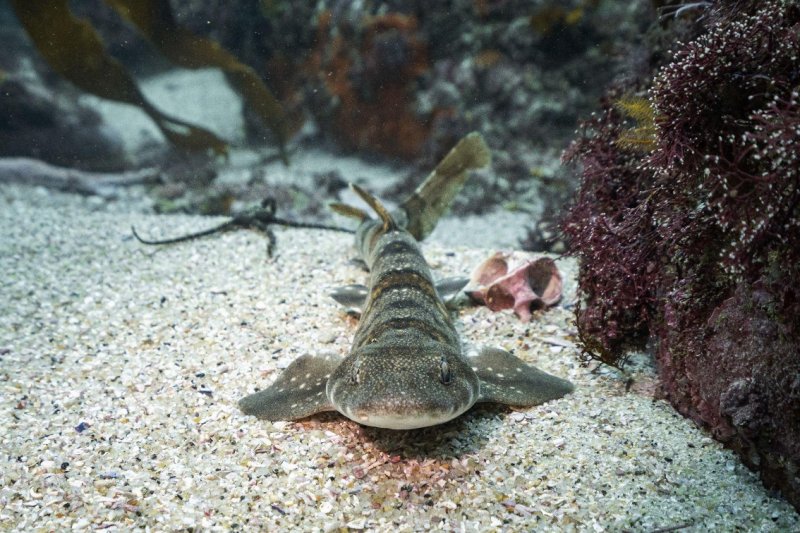
Andi-Cross
While sharks might seem intimidating to be in the water with, if you dive safely, you can share the water with them in peace.
If you are starting from scratch, like I did, there are a few smart steps you can take before jumping straight into your Open Water Diver certification, or your entry point certification course to the diving world. These helped me build confidence and reduce fear, and played a huge hand in helping me enjoy the learning process instead of fumbling through it. Here is what I recommend:
1. Spend time in the water - Get comfortable in the ocean (or any natural body of water). Learn how waves, currents, and temperature feel so the environment becomes familiar.
2. Learn to swim - You do not need to be an Olympic swimmer, but basic confidence in the water is essential.
3. Go snorkeling - Snorkeling helps you get used to masks, fins, and breathing through a snorkel—skills that translate directly to scuba.
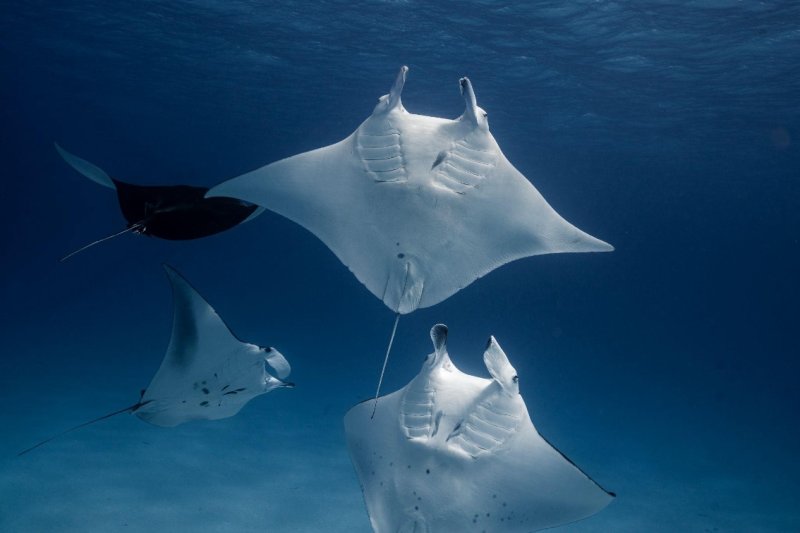
Andi-Cross
It is worth it to take the time to learn basic skills so you can have incredible marine encounters safely.
4. Try scuba first - A short "Try Scuba" or Basic Diver experience lets you test diving with an instructor before committing to a full certification.
5. Get your Open Water certification – The Open Water Diver certification is the official entry point to scuba diving and includes coursework, pool training, and open-water dives.
6. Dive with experienced people - Early on, diving with instructors or more experienced divers can help build confidence and accelerate learning.
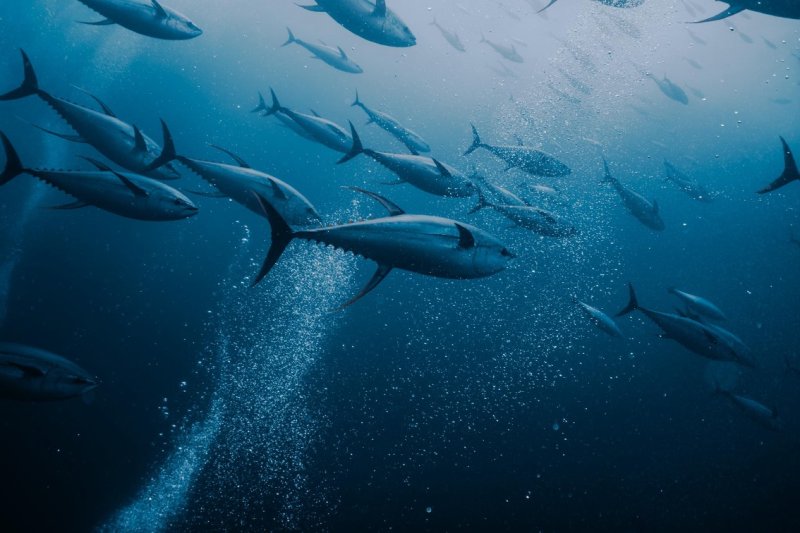
Andi-Cross
Being prepared for any kind of encounter is what your dive training teaches you.
So much of diving comes down to where you go and who you go with. The right dive center and team can make all the difference, most critically when you are just starting out. In the early days, what you are looking for is who you can trust.
You need to feel confident that the instructor or operator understands your level and will be creating a safe, welcoming environment. There is no room for ego or pressure when you are learning to dive. If someone makes you feel uncomfortable or pushes you past your limits too soon, they are not the right fit.
When searching for a dive center, look for an SSI dive center with experienced staff and positive reviews. Check to see any testimonials of new divers feeling comfortable, and what people have to say about the instructors. Do not be afraid to ask questions or visit in person (if possible).
At the end of the day, diving ladders back to trust in yourself, and trust in the people beside you underwater. That is why we are all about the buddy system around here. Choose wisely, and your dive journey will start on the strongest possible foundation.
READ MORE: How to Choose Reliable Dive Shops & Start Diving
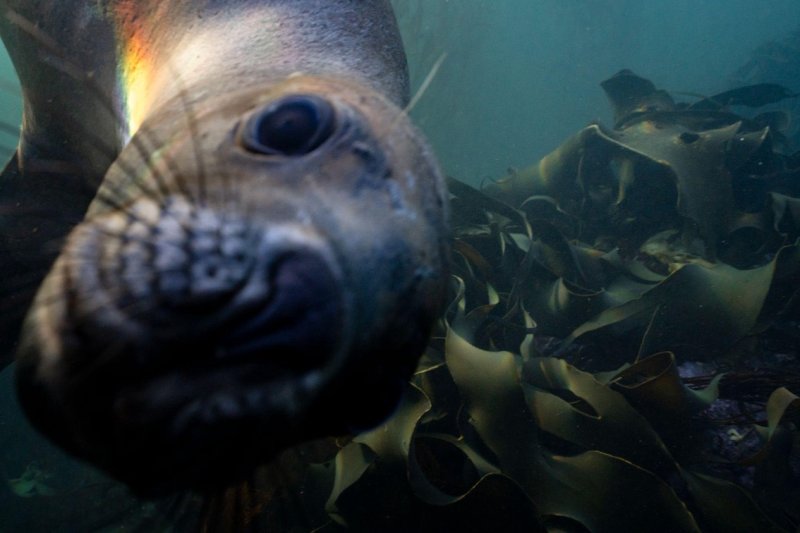
Andi-Cross
A curious sea lion when diving Peninsula Mitre in Argentina.
As far as what gear you need as a beginner, that is completely up to you. You can get a full kit so that you get comfortable wearing your own products and have them sized correctly for you. Or you can ease into it and start with a few key necessities, and once you are feeling like diving is going to be a big part of your life, work towards getting all the goods.
A few pieces that I could not live without in the early days, because they had such a major impact on my comfort level when diving, were my mask and dive computer.
You want a fitting mask because, when it comes to this, one size does NOT fit all. You need to get a mask that fits your face perfectly and make sure you can wear it so that it does not squeeze your face. A form-fitted mask goes a long way when you are first starting. And the dive computer is a great one to have, so you can feel comfortable checking your dive data throughout each one, and know where to look for what information. Everything else can certainly come a bit later.
RELATED: Scuba Diving Gear That Elevates Every Dive: 11 Picks
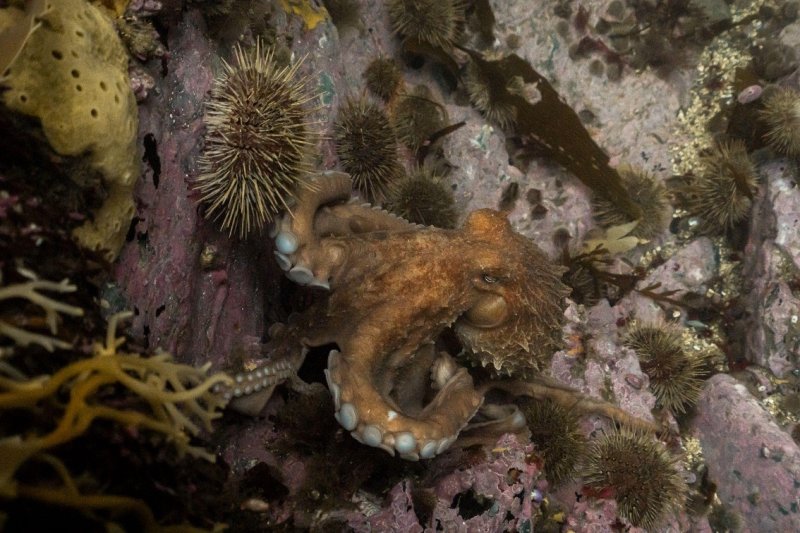
Andi-Cross
Diving is about looking closer and uncovering the wonders of the sea.
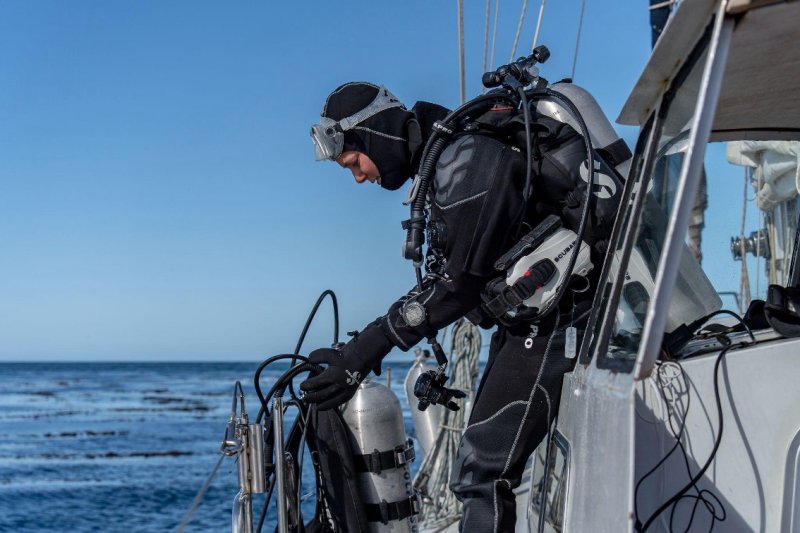
My favorite dive equipment has actually stayed pretty much the same, with the exception of my dive computer. I started with something basic and have worked my way up to some of the more impressive new technology, as this is one piece I never leave home without. Here are my recommendations, in case you are wondering what I love diving in:
Adam-Moore
That is me kitting up for a cold-water dive in Scubapro head-to-toe.
Starting your dive journey can feel intimidating, but it does not have to be. Go at your own pace, and enjoy each moment, even if it feels a bit daunting. Soon enough, this very well could be your happy place! Choose instructors you trust and focus on building confidence one step at a time. Be patient with yourself, knowing that skills come with practice and all of us started right here, just like you. Most of all, stay curious and open. Whether diving becomes your passion or just something you try once, the experience will expand your perspective in ways you never expected.
Ready to Start Diving?
Find an SSI Training Center near you and start your journey today.
Find Your Nearest Dive Center
...............
Dive Deeper into Becoming a Diver