Wreck Diving di Teluk Kotor: Kapal yang Tenggelam Dua Kali
scuba divingfreedivingmermaid
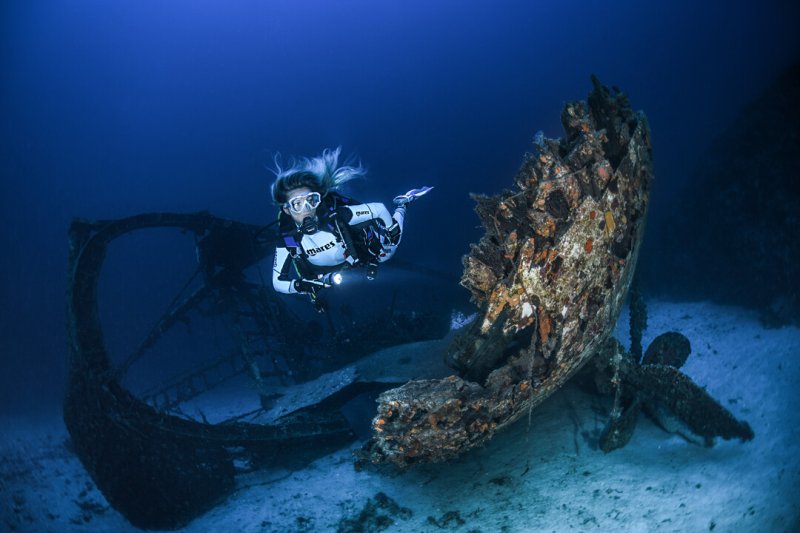
mares-janez-kranjc
Saat memasuki Teluk Kotor, anda akan segera melihat benteng-benteng yang indah di Tanjung Arza, Pulau Mamula, dan Tanjung Prevlaka.
Bagian Laut Adriatik ini telah menjadi tempat terjadinya peristiwa yang bergejolak selama berabad-abad. Sejarahnya terlihat di atas air, tetapi juga meninggalkan jejaknya di Underwater World.
Bagi penyelam yang tertarik dengan Wreck Diving, sudut bersejarah di Laut Adriatik ini menawarkan lebih dari sekadar pemandangan yang dramatis. Satu situs selam yang patut mendapat perhatian khusus adalah bangkai kapal Kaiser Franz Joseph I, salah satu bangkai kapal bersejarah yang paling memesona di kawasan ini.
Daftar Konten:
-
Sekilas tentang Sejarah
-
Wreck Diving: Kapal yang Tenggelam Dua Kali
-
Mengunjungi Bangkai Kapal Kaiser Franz Joseph I di dekat Teluk Kotor
-
Kondisi Penyelaman Wreck, Keselamatan, dan Kiat Pelatihan
-
Mengapa Bangkai Kapal di Teluk Kotor Layak Dikunjungi
-
Merencanakan Petualangan Wreck Diving Berikutnya
-
Menyelam Lebih Dalam dengan SSI
Kaiser Franz Joseph I dibangun di Stabilimento Tecnico Triestino di Trieste dengan nama asli "Ram Cruiser A" pada tanggal 3 Januari 1888.
Kapal ini secara resmi dinamai Kaiser Franz Joseph I pada saat peluncurannya di Trieste pada tanggal 18 Mei 1889.
Setelah uji coba angkatan laut, Kaiser Franz Joseph I mulai beroperasi dengan Angkatan Laut Austro-Hungaria pada tanggal 2 Juli 1890. Kapal ini dirancang oleh insinyur Franz Freiherr Jüptner.
Kapal ini memiliki panjang 104 meter dan lebar maksimum 15 meter. Awak kapal terdiri atas 367 hingga 444 perwira dan pelaut.
Perubahan teknologi dan doktrin angkatan laut dengan cepat membuat Kaiser Franz Joseph I menjadi usang setelah dioperasikan.
Baju besi tipis, kecepatan rendah, dan senjata yang ditembakkan secara perlahan membuat para pelaut dan perwira angkatan laut Austro-Hongaria menyebut "kapal perang masa depan" ini dengan sebutan yang tidak terlalu bagus: "kotak sarden."
Penerimaan yang buruk terhadap Kaiser Franz Joseph I dan kapal saudaranya mencerminkan pergeseran yang lebih besar dalam strategi angkatan laut.
Angkatan Laut Austro-Hongaria mulai beralih dari kapal penjelajah sebagai kapal angkatan laut utama dan lebih berfokus pada kapal perang. Dalam waktu sepuluh tahun setelah peluncuran Kaiser Franz Joseph I, kapal perang kelas Habsburg pertama diluncurkan.
Dengan runtuhnya Kekaisaran Austro-Hongaria, "Kaiser" direbut oleh Sekutu.
Saat berada di bawah kendali Prancis, kapal ini diubah menjadi tempat penyimpanan amunisi dan senjata. Kapal ini berlabuh di dekat Tanjung Prevlaka hingga 17 Oktober 1919.
Pada hari itu, angin selatan yang kencang dan muatan berlebih menyebabkan kapal kemasukan air. Kapal segera tenggelam dalam posisi yang hampir sempurna, seolah-olah masih berlayar.
Beberapa tahun kemudian, pada tahun 1922, sebuah perusahaan Belanda berusaha menyelamatkan kapal tersebut, tetapi gagal.
Pada tahun 1967, perusahaan Brodospas yang berbasis di Split mengangkat kapal ke permukaan. Karena pemberat muatan di dalamnya, kapal tersebut tenggelam sekali lagi, kali ini dengan posisi miring ke kanan.
Gagasan untuk mengekstraksi seluruh kapal ditinggalkan. Sebagian besar amunisi, senjata, dan bahan peledak telah dipindahkan, tetapi bangkai kapal itu sendiri tetap berada di bawah air.
Karena keadaan historis yang terkenal, area ini dilarang untuk menyelam untuk waktu yang lama. Selama bertahun-tahun, Kaiser tetap terlupakan dan tersembunyi dari para penyelam.
Untungnya, hal ini telah berubah.
Saat ini, penyelam dapat mengunjungi lokasi penyelaman ini dengan operator selam lokal dari Molunat, Kroasia, termasuk Sea Star Diving Center.
Bagian pantai Adriatik ini masih cukup alami, yang membuat pengalaman menyelam terasa sangat otentik. Sebuah pelampung diikatkan pada bangkai kapal, sehingga penyelam dapat mencapai bagian tengah bangkai kapal dengan bantuan tali.
Untuk merasakan pengalaman kapal karam ini sepenuhnya, anda memerlukan setidaknya dua kali penyelaman.
Bangkai kapal memiliki ukuran, struktur, dan suasana. Detail muncul secara perlahan. Posisi kapal, pertumbuhan laut, dan bentang laut di sekitarnya menambah pengalaman.
Bagi penyelam yang menyukai penyelaman bangkai kapal Adriatik, Kaiser Franz Joseph I merupakan situs selam yang tak terlupakan karena menggabungkan sejarah, struktur, dan kesan tempat yang kuat.
Berhati-hatilah saat menyelam di bangkai kapal Kaiser Franz Joseph I.
Ada banyak tali pancing dan jaring tua di atasnya. Penetrasi ke dalam kapal tidak diizinkan, dan dasarnya cukup berlumpur.
Jarak pandang bervariasi dari satu penyelaman ke penyelaman lainnya, dan arus sedang terkadang dapat terjadi.
Buoyancy yang baik, gerakan yang terkendali, dan kesadaran yang kuat sangat penting. Penyelam harus menghindari menyentuh bangkai kapal, mengganggu dasar laut, atau terlalu dekat dengan tali pancing dan jaring.
Bagi sebagian besar penyelam rekreasi, ini harus didekati sebagai penyelaman bangkai kapal yang tidak menembus.
Jika penyelaman bangkai kapal adalah salah satu tujuan Anda, Spesialisasi Wreck Diving SSI adalah langkah yang tepat. Spesialisasi ini membantu penyelam membangun pengetahuan dan keterampilan yang diperlukan untuk melakukan penyelaman non-penetrasi yang lebih aman dan lebih percaya diri di sekitar bangkai kapal dan terumbu karang.
Karena Kaiser Franz Joseph I dapat melibatkan bagian yang lebih dalam dan kondisi yang berubah-ubah, SSI Menyelam Dalam (Deep Diving) Specialty juga dapat berguna bagi penyelam yang ingin membangun kepercayaan diri dengan perencanaan penyelaman, konsumsi gas, dan penyelaman rekreasi yang lebih dalam.
Buoyancy yang baik sangat penting terutama di bangkai kapal dengan dasar berlumpur dan pertumbuhan laut yang rapuh. Keistimewaan Perfect Buoyancy SSI dapat membantu penyelam meningkatkan kontrol, posisi tubuh, dan gerakan rileks di bawah air.
Arus juga dapat memengaruhi penyelaman. Penyelam yang ingin merasa lebih percaya diri dalam air yang bergerak dapat mengambil manfaat dari Spesialisasi Waves, Tides and Currents SSI, terutama sebelum merencanakan penyelaman perairan terbuka yang lebih dinamis.
Spons kuning membuat kapal terlihat menarik dan unik.
Nama-nama tersebut memberi warna pada struktur lama dan membuat bangkai kapal sangat menarik bagi fotografer Underwater. Tergantung pada jarak pandang dan cahaya, bangkai kapal dapat terlihat dramatis, tenang, dan nyaris sinematik.
Untuk fotografer bawah air atau penyelam yang ingin meningkatkan keterampilan pengambilan gambar, ini adalah salah satu fitur terkuat situs ini. Jika fotografi bawah air adalah salah satu tujuan Anda, Specialty Photo & Video SSI dapat membantu Anda mengambil gambar yang lebih baik sambil tetap rileks dan waspada di bawah air.
Tanpa diragukan lagi, ini adalah bangkai kapal yang layak dikunjungi.
Menawarkan sejarah bagi penyelam yang ingin tahu, suasana bagi penggemar bangkai kapal, dan pengalaman bermanfaat bagi mereka yang menikmati Wreck Diving di Teluk Kotor dan Laut Adriatik.
Kaiser Franz Joseph I bukan sekadar situs selam biasa. Ini adalah kapal yang tenggelam dua kali.
Dan sebagai pengingat bahwa beberapa kisah paling menarik ditemukan di bawah permukaan.
Jika Kaiser Franz Joseph I menginspirasi Anda untuk menjelajahi lebih banyak bangkai kapal bersejarah, pastikan pelatihan dan pengalaman menyelam Anda baru-baru ini sesuai dengan kondisi tersebut.
Wreck Diving dapat menjadi pengalaman yang tak terlupakan, tetapi membutuhkan persiapan, rasa hormat, dan MINDSET yang benar.
Sebelum mengunjungi lokasi bangkai kapal, periksa:
- tingkat sertifikasi yang diperlukan
- kondisi setempat terkini
- kisaran kedalaman yang direncanakan
- arus dan jarak pandang
- apakah penetrasi ke bangkai kapal diperbolehkan
- konfigurasi peralatan yang disarankan
- apakah diperlukan lebih dari satu kali penyelaman
Seorang profesional selam lokal yang berkualifikasi dapat membantu Anda membuat keputusan yang tepat.
Anda dapat menggunakan Pencari SSI Center untuk menemukan SSI Training Center atau Resor SSI dan terhubung dengan para profesional yang dapat membantu Anda mempersiapkan petualangan bawah air berikutnya.
Untuk inspirasi penyelaman bangkai kapal , baca artikel SSI tentang Wreck Diving di Siprus, yang menampilkan bangkai kapal Zenobia yang terkenal. Anda juga dapat menjelajahi Wreck Diving: Zenobia vs Thistlegorm, yang membandingkan dua lokasi penyelaman bangkai kapal yang ikonik.
Artikel ini diterjemahkan secara otomatis dan mungkin mengandung sedikit ketidakakuratan; silakan merujuk ke versi bahasa Inggris aslinya jika ragu.