Lifeguard Skills: 7 Essential Skills Beyond the Beach
swim
SSI
Table of Contents:
-
1. First Aid as a Lifeguard Skill
-
2. CPR and Emergency Response
-
3. Water Safety Awareness
-
4. Risk Assessment and Prevention
-
5. Communication Under Pressure
-
6. Leadership and Teamwork
-
7. Quick Decision-Making
-
How Lifeguard Skills Become Lifelong Skills
-
Dive Deeper
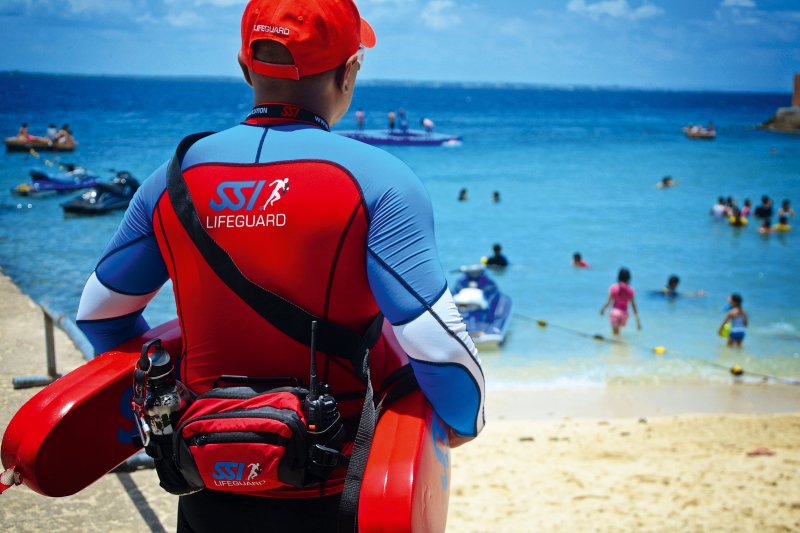
When most people think about lifeguards, they imagine sunny beaches, watchful eyes scanning the water, and dramatic rescues.
These moments are part of the job. But the training behind them goes much deeper.
Lifeguard skills are not just about responding to emergencies in the water. They also build confidence, leadership, and the ability to stay calm when situations become stressful.
These abilities carry over into everyday life in ways many people do not expect.
From helping someone during a medical emergency to communicating clearly under pressure, the lifeguard skills learned through professional training can make a real difference both in and out of the water.
If you want to understand the role more fully, read SSI's guide to the responsibilities of a lifeguard.
One of the most valuable lifeguard skills is understanding how to provide first aid.
During training, lifeguards learn how to respond to injuries ranging from minor cuts to more serious medical situations. They learn how to assess a scene, care for wounds, and support a person until professional help arrives.
That knowledge is useful far beyond the pool or beach.
Accidents can happen anywhere. Someone might slip on a wet floor, fall while hiking, or get injured during a sports activity.
First aid knowledge helps you respond instead of feeling helpless. For example, knowing how to clean and bandage a wound can help reduce infection risk. Understanding how to support a sprain or suspected fracture can also help prevent further injury before medical professionals arrive.
These skills are especially helpful during travel and outdoor adventures.
Whether you are camping in remote areas or exploring coastal trails, first aid training gives you more confidence to handle unexpected situations.
Programs such as the SSI React Right program include essential emergency care techniques that help you respond more effectively in medical emergencies, in or out of the water.
iStock-microgen
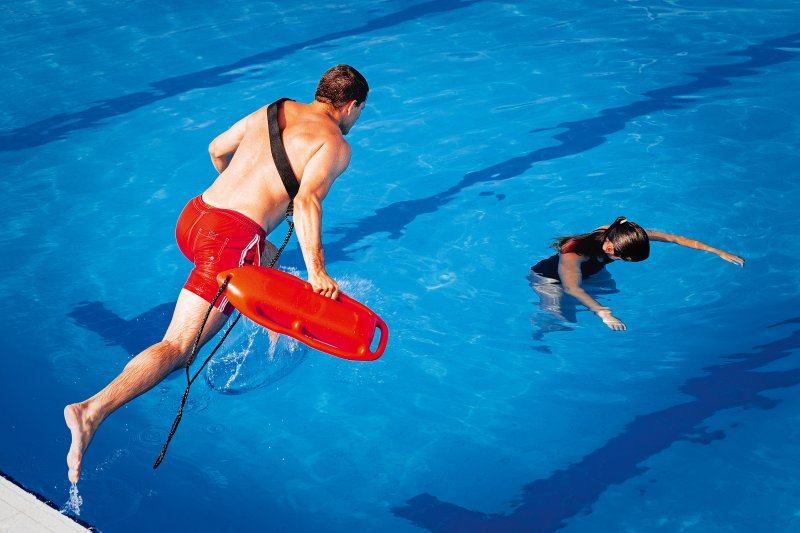
CPR, or cardiopulmonary resuscitation, is another core component of lifeguard skills. It is also one of the most important life-saving techniques a person can learn.
CPR helps maintain blood circulation and oxygen flow when someone is not breathing normally or their heart has stopped beating.
Although CPR is often associated with water rescues, cardiac emergencies can happen anywhere. Someone may collapse at a gym, at an airport, in a workplace, or at home.
Knowing how to perform CPR can buy critical time until emergency services arrive.
Lifeguard training also teaches how to use an automated external defibrillator, or AED, and how to coordinate with other responders. These emergency response skills are valuable in workplaces, schools, resorts, sports clubs, and community environments.
Many organizations encourage employees to build emergency response knowledge because quick action can make a real difference in an emergency.
By developing these skills, people gain the confidence to step forward in emergencies instead of waiting for someone else to act.
Understanding water hazards is another essential part of lifeguarding.
This skill is valuable for anyone who spends time near oceans, lakes, rivers, or swimming pools.
During training, lifeguards learn to recognize risks such as rip currents, shifting tides, sudden depth changes, slippery surfaces, changing weather, crowded swim areas, and swimmers who may be getting tired.
This awareness becomes useful during vacations and outdoor recreation.
For example, recognizing the signs of a rip current can help you guide friends or family away from dangerous areas before anyone enters the water. Understanding how weather affects waves and visibility can also support safer decisions about when to swim, snorkel, dive, or stay on shore.
Parents and caregivers benefit from this knowledge as well.
Children are naturally curious around water. Understanding potential hazards helps adults supervise more effectively and react faster when something changes.
The strong foundation in lifeguard skills gained through professional training encourages safer habits whenever people are near the water, whether they are surfing, kayaking, snorkeling, swimming, or simply enjoying a day at the beach.
SSI
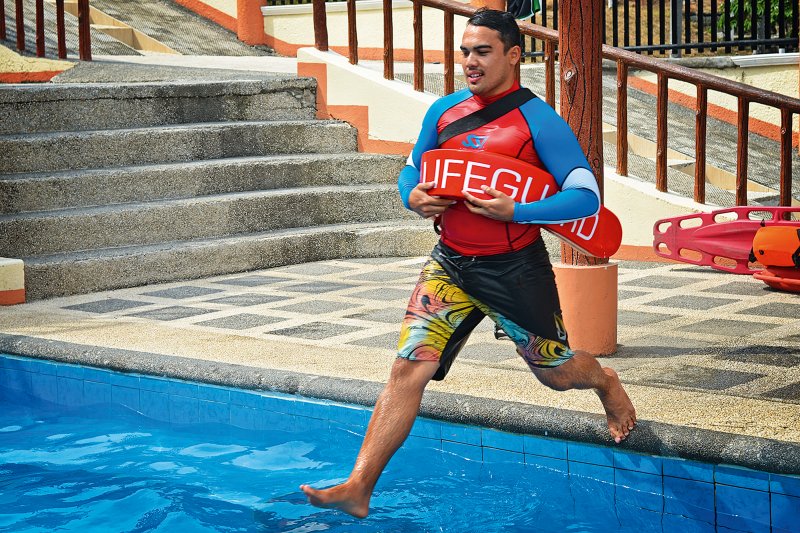
Another powerful aspect of lifeguarding skills is the ability to identify risks before accidents happen.
Lifeguards spend much of their time observing their environment, scanning for hazards, and anticipating problems before they escalate.
This habit of proactive thinking is valuable in daily life.
For example, someone with strong risk assessment abilities might notice a slippery surface in a workplace and address it before someone falls. During outdoor activities, they may evaluate weather, water conditions, group ability, or terrain before deciding whether it is safe to continue.
In aquatic environments, lifeguards also watch for changing conditions that may affect swimmer safety, including:
- rougher water
- cooler temperatures
- poor visibility
- swimmer fatigue
- crowding
- changing weather
The mindset is what matters most: prevention before reaction.
Lifeguard skills train people to notice warning signs early and make safer decisions before a situation becomes urgent,both in and out of the water.
If you want to keep safety skills sharp beyond lifeguard training, read more about dive rescue skills every diver should know.
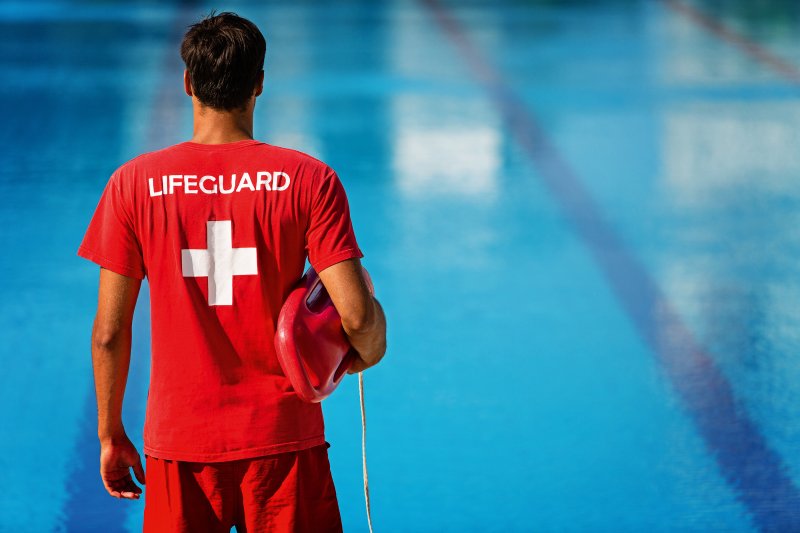
Clear communication is one of the most underrated lifeguard skills.
It is also vital during emergencies.
Lifeguards must give instructions quickly and clearly, often while several people are involved in a rescue or medical response.
Learning how to communicate effectively under pressure translates directly into other environments.
In workplaces, people who remain calm and focused during stressful situations are often seen as reliable leaders. During travel or outdoor adventures, clear communication helps groups make better decisions when plans change.
Even in everyday situations, the ability to stay composed while speaking can improve conflict resolution and teamwork.
Lifeguards practice projecting their voices, giving concise directions, and making sure their messages are understood by everyone involved.
Developing lifeguard skills like this strengthens confidence and improves the ability to manage stressful interactions without becoming overwhelmed.
iStock-fotostorm
Strong leadership is another benefit of lifeguard training.
While lifeguards are often portrayed as solo rescuers, most emergency responses rely on teamwork.
Coordinating rescues, managing crowds, preparing equipment, and supporting fellow lifeguards requires trust and cooperation.
These experiences build valuable lifeguard skills that apply in many professional settings.
Leaders who stay calm, organize tasks, and support their team during challenging moments often inspire confidence in others.
For example, during a water rescue, one lifeguard may enter the water while another prepares medical equipment and a third contacts emergency services. This level of coordination requires clear leadership and mutual understanding.
Outside the aquatic environment, these same abilities can help when organizing community projects, managing workplace teams, or leading outdoor expeditions.
People who develop strong lifeguard skills often become more confident leaders because they are used to responsibility, preparation, and quick coordination.
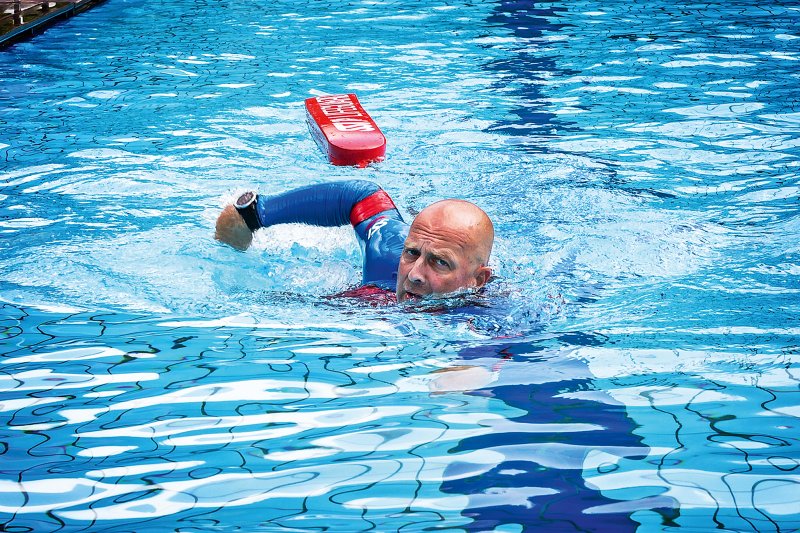
Perhaps the most recognizable aspect of lifeguard skills is the ability to make fast decisions in high-pressure situations.
Lifeguards often have only seconds to determine the best response during an emergency.
This ability to evaluate options and act decisively is valuable far beyond the water. In professional environments, quick decision-making can help resolve problems before they escalate. During travel or outdoor activities, it can guide safer choices when conditions change unexpectedly.
For example, if waves build quickly, weather changes, a swimmer shows signs of fatigue, or visibility becomes poor, a lifeguard may need to restrict access, call for support, or advise people to leave the water.
These rapid assessments rely on training, observation, and confidence.
With practice, these lifeguard skills become second nature.
People learn to trust their judgment while staying thoughtful and responsible in their decisions.
SSI
Many people view lifeguarding as a seasonal job.
In reality, the abilities developed through lifeguard training extend far beyond summer employment.
The combination of first aid knowledge, CPR, emergency response, leadership, communication, risk assessment, and situational awareness creates a powerful set of life skills.
Programs such as the SSI Lifeguard program focus on building these capabilities in a structured and supportive environment. Participants learn practical rescue techniques, emergency care, supervision, assistance, and safety management for pool and waterpark environments. They also gain the confidence to handle real-world situations.
If you are interested in developing these lifeguard skills, the SSI Center Locator is a helpful tool for finding nearby training centers. Learning from experienced professionals helps you gain the knowledge and hands-on practice needed to respond safely and effectively.
If you want to compare different training pathways, SSI also explains the different types of lifeguard training certification.
The ability to help save lives in the water is a serious responsibility. But the benefits of lifeguard training extend far beyond the beach or pool.
From first aid and CPR to leadership, communication, risk assessment, and quick decision-making, lifeguard skills help people respond confidently when challenges arise.
Ready to build practical safety and rescue skills? Explore lifeguard training with SSI and find an SSI Training Center near you.