Ear problems with water - it hits more people than you think
scuba divingenvironmentswimmingdiverswater sportsear problemsotitis externaswimmers ear
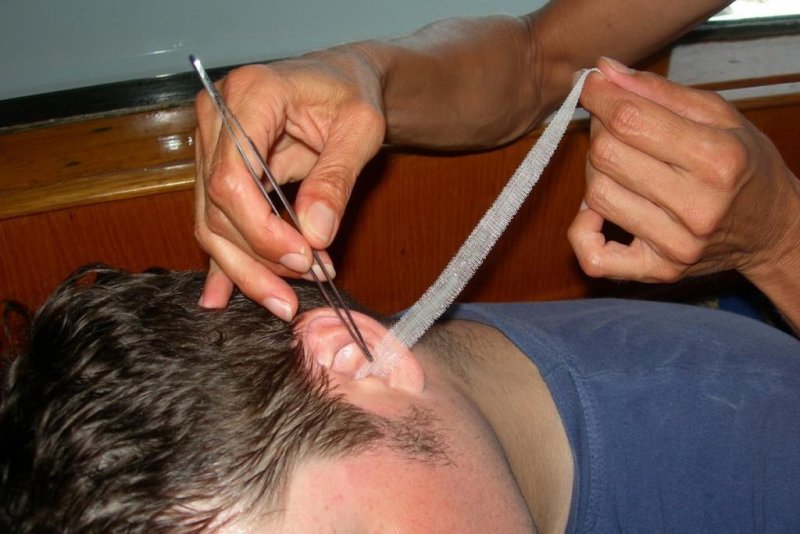
Otitis treatment
(c) Archive Taucher.Net
Whether in the summer by the sea or in the swimming pool - many people suffer from problems caused by water coming into the ears. This is uncomfortable - a light feeling of pressure and all muffled hearing. Jumping on one leg, tilting your head to the side - there are many home remedies to get the water out again. Often however, some water remains trapped and it develops an inflammation of the external ear canal - also called Otitis Externa. Otitis Externa - inflammation of the external ear canal The most common symptoms are itching and moderate to severe earache. If the pain radiates towards the auricle, sleeping on the side is then often no longer possible. Depending on the degree of inflammation and the pathogens involved, the skin may become red or swollen and crusts or pustules may appear, or the ear canal may begin to weep. In addition, if the auditory canal swells, impaired hearing may occur and the pressure compensation capability is often limited, so that e.g. diving is no longer possible. Often the auditory canal exostoses are diagnosed as incidental findings, as they are initially painless and later lead to frequent recurrent inflammation of the ear canal or other problems, which makes the visit to an audiologist necessary. Weakened and bacteria, fungi or viruses can cause inflammation. Risk factors: • Swimming, moisture, sweating. • Poor water quality. • Warm (water) temperatures. • Warm climate. • Insertion of earplugs, hearing protection, hearing aids, in-ear headphones. • Cleaning with cotton swabs, insufficient ear wax formation. • Local injuries and skin diseases. • Contamination. • Anatomical anomalies / changes (e.g. narrowing of the ear canal) Most infections of an Otitis Externa are bacterial infections and in most cases caused by Pseudomonas aeruginosa or Staphylococcus aureus (around 76% of the cases) Pseudomonads and Staphylococci often occur in warm water and multiply especially well at higher temperatures, e.g. in heated pools (children's pools, whirlpools, swimming pools) or in warmer regions such as in the Maldives, Seychelles and wherever higher water temperatures occur. As a result, in regions with higher water temperatures divers are also more often affected by infections of the ear canal. In addition, as pseudomonads are resistant to chlorine, many inflammations occur, especially in active swimmers or children and families who spend a lot of time in swimming pools with chlorinated water. Hence the term "bathing otitis". Inflammation of the ear canal are common Inflammation of the ear canal occurs in about 10% of the population. It is even more common in professional water sportsmen, who are regularly in the water for training (such as professional and recreational swimmers) or for professional reasons are often in the water (e.g. diving instructors, professional divers) or just recreational due to diving holidays, in the summer frequent swimming in the lake or swimming pool with children, the whole family or friends. Narrowing of the ear canal (Exostosis - Surfers Ear / Swimmer Ear) Surfers, swimmers or even divers who are affected by the so-called "surfers ear" or "swimmer's ear" (auditory canal exostoses) also often suffer from otitis externa even more. According to a study from New Zealand, auditory canal exostoses is very common among surfers: in 73% of the examined surfers a narrowing of the auditory canal is detectable; in 40% of those examined, the narrowing of the auditory canal was higher than 50%. A comparable frequency has also been reported by Californian surfers. Auditory canal exostoses can also affect other water sports such as swimming, paddling or diving. Often the auditory canal exostoses are diagnosed as incidental findings, as they are initially painless and later lead to frequent recurrent inflammation of the ear canal or other problems, which makes the visit to an audiologist necessary. The auditory canal exostosis is probably caused by growth stimuli on the periosteum in adjacent bone tissue. The exact causes are not all known. It is believed that this is a multifactorial process. One of the main causes of the genesis appears to be cold water or hot water stimuli due to frequent ingress of water into the external auditory canal, with cold water being more appealing than warm water. Progressive auditory canal exostosis can severely restrict the health of the affected patients and may need to be treated surgically. If an exostosis is detected in time, the further course can be stopped if it is prevented that regularly water comes into the ears or remains there.
Diving Divers also often struggle with ear problems - the pressure on the ears due to pressure equalization, multiple dives per day and diving in regions with warm water often cause otitis externa. The presence of an auditory canal exostosis favors the development of inflammation. Since these inflammations are mostly caused by pseudomonads or staphylococci, which are preferred in warmer waters, divers in the Maldives or other regions with high water temperatures are more frequently affected by ear canal infections and ear problems. Often dives have to be canceled if the pressure equalization does not work anymore and there is an inflammation in the ear canal. A medical care quiet often not available and antibiotic ear drops carried, work often not as fast as necessary or not at all. This is especially annoying when you are at a unique dive site. The aim is therefore to avoid as far as possible ear problems by preventive measures. Therapy Otitis Externa Therapy of Otitis Externa is usually done locally by ear drops. If an antibiogram is available, a targeted antibiotic therapy can be initiated, which also prevents the development of resistances. For stronger symptoms and ear canal swelling, corticosteroids can also be used - in case of severe pain, additional appropriate analgesics. In any case, a persistent otitis externa should be examined by the doctor and treated in a targeted manner. Prophylaxis of Otitis Externa There are only few preventive measures that really help. Preventive measures Otitis Externa: • Do not clean your ears with cotton swabs. • Use a well-fitting swimming cap. • When using earplugs, make sure that the plugs are soft and fit well (individualized) • With water trapped in the ear, tilt the head to the side to allow it to run out again. A light pull on the earlobe and jumping may also help. • Do not use in-ear headphones or earplugs to protect against noise, dust or water too often • Use water-repellent, anti-infective ear drops that prevent water from getting trapped. For swimmers, it is possible to use a close-fitting swimming cap that goes over the ears or to use (custom fitted) ear plugs. The latter is controversial in its effect, since bad-fitting and hard ear plugs also may support the development of Otitis Externa. The regular cleaning of the ears by cotton swabs should also be avoided, as this pushes back the protective layer of earwax and thus leads to disturbances in the self-cleaning process of the ears. So-called "Divers drops" are used after swimming / diving and are aimed that through their sour character (they often contain acetic acid or boric acid) together with alcohol fight existing bacteria. A positive effect has been shown in some studies - a frequent and prolonged use, however, can damage the sensitive skin of the ear canal by the acids and alcohol. The only ear drops on the market that can be used preventively are EarOl and SwimSeal. Earol consists of Olive Oil and Tea Tree Oil and after application, a water-repellent film in the ear is created. The Tea Tree Oil is also a natural, anti-infective prophylaxis sought. SwimSeal works on the same principle, but consists of medically approved silicone oil and also Australian Tea Tree Oil. The silicone compound is present as a clear liquid, is chemically and biologically inert and is neither metabolized nor absorbed, and is used in many preparations such as e.g. medicines & cosmetics. It exerts its effects exclusively locally and is much more water repellent than e.g. other oils like e.g. Olive oil or Tea Tree Oil. Its higher viscosity makes a more even distribution throughout the external auditory canal more likely to build up a water-repellent protective film. A natural anti-infective effect is also achieved by the added Australian Tea Tree Oil. Clinical tests have also shown that SwimSeal had a positive effect on a group of swimmers. Prophylaxis Surfers Ear / Swimmer Ear In order to avoid the development of a surfer's ear or swimmer's ear, it is recommended to prevent (cold) water from getting into the ears and remaining there, thus being able to exert growth stimuli on the periosteum. In cold conditions, this can be achieved by hoods or caps - in addition, ear plugs are often used. As already mentioned, these are controversial in their effect, since bad-fitting and hard ear plugs can also promote the development of otitis externa. Furthermore, especially whith a starting ossification of the ear canal an adjustment or good fit of earplugs might be difficult. SwimSeal could be an alternative here because the highly water-repellent film prevents water from remaining in the ear. Due to its liquid texture and application as ear drops, administration is also possible with narrowed auditory canals. Conclusion In order to avoid or stop frequent inflammations of the ear canal or exostoses, the ears should be protected from water as effectively as possible and no external stimuli should be set. Wearing in-ear hearing- or water-protective plugs or in-ear headphones on a regular basis should be avoided. Close-fitting bathing caps or protective covers seem to make sense - as does the preventative use of ear drops, which build up a highly water-repellent protective film and have anti-infective properties (e.g. SwimSeal). Also interesting: Das gemeine Taucherohr (German text) Sources: 1) Hajioff D, MacKeith S. Otitis externa. BMJ Clin Evid 2015. 2) Chaplin & Stewart: The prevalence of exostoses in the external auditory meatus of surfers. In: Clin Otolaryngol Allied Sci. 1998; 23, S. 326–330. 3) Reia, M.: Facharztwissen HNO-Heilkunde. Springer, Heidelberg 2009 4) J. David Osguthorpe, M.D., David R. Nielsen, M.D, Am Fam. Physician 2006 Nov 1;74(9):1510-1516. 5) Andreas Neher et al; ÖÄZ, 3, 10. Feb. 2012 https://de.wikipedia.org/wiki/Otitis_externa www.swim-seal.co.uk 8) Arnold, W.: Checkliste Hals-Nasen-Ohren-Heilkunde. Thieme, Stuttgart 2011 https://www.gesundheitsinformation.de/gehoergangsentzuendung.2218.de.html#sources 10) Boenninghaus, H. G., Lenarz, T.: Hals-Nasen-Ohren-Heilkunde. Springer, Heidelberg 2012 11) www.hlhealthcare.co.uk Written by (with courtesy of): Dr. Armin Rath
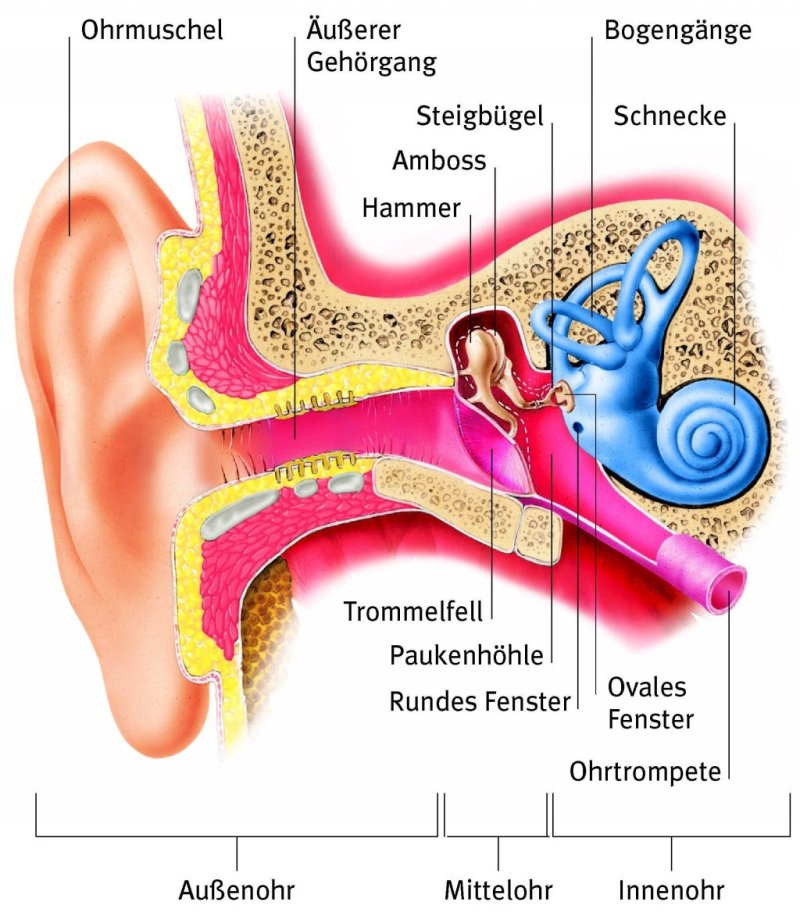
The ear
(c) Archive Taucher.Net
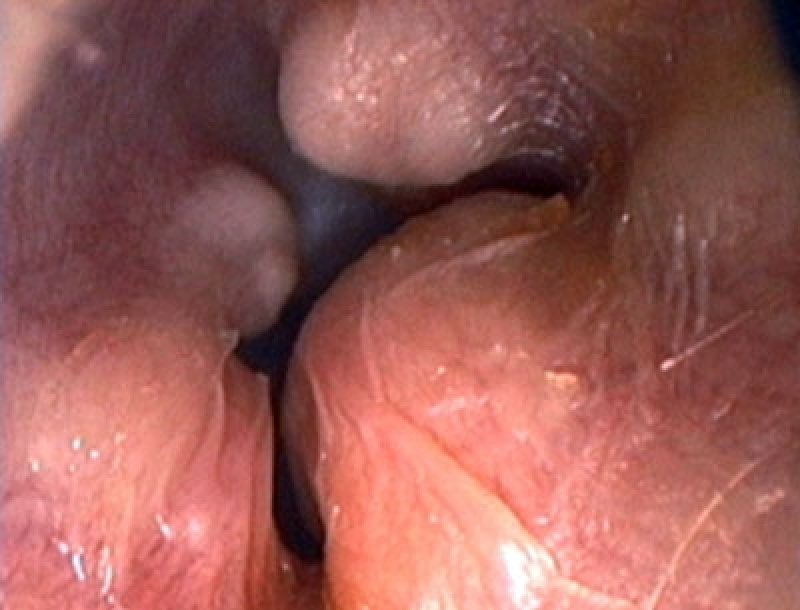
Swimmers Ear/Surfers Ear: Narrowing of the ear canal (Exostosis)
(c) Archive Taucher.Net
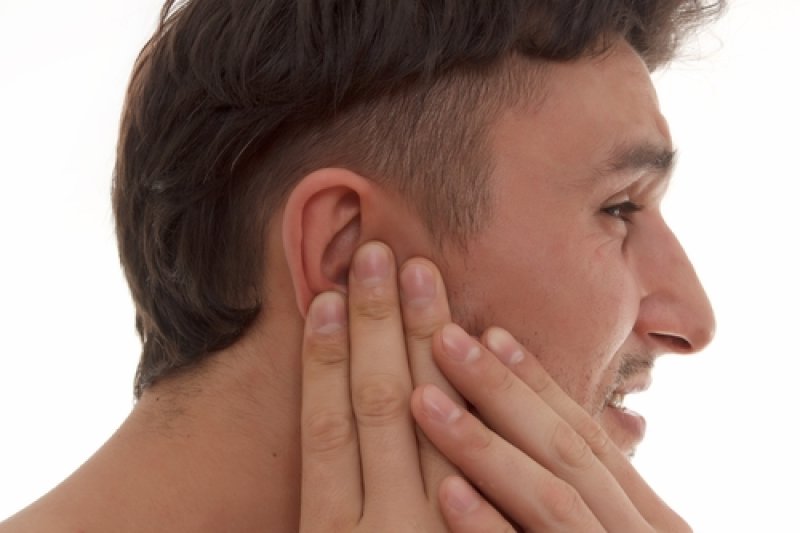
Painful ear
(c) Gleb Shabashnyi: Earache
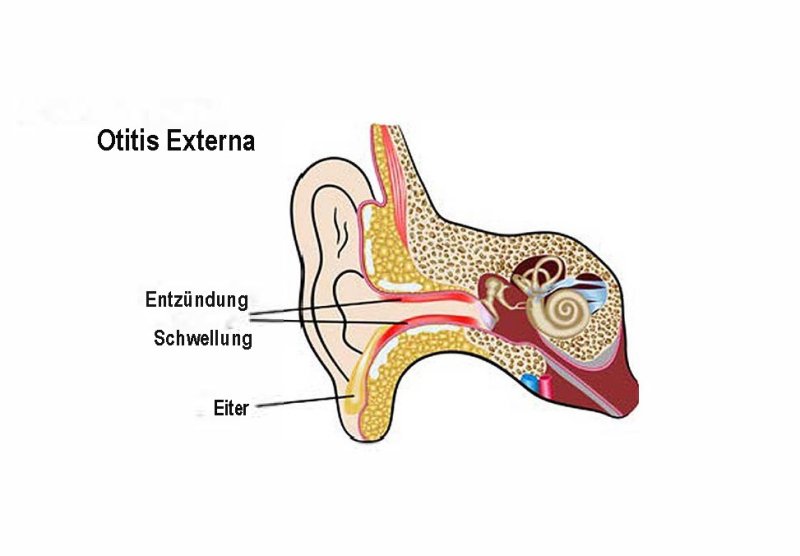
Inflammation of the ear canal
(c) Changed according to Ekaterina Murasheva: Types of Otitis
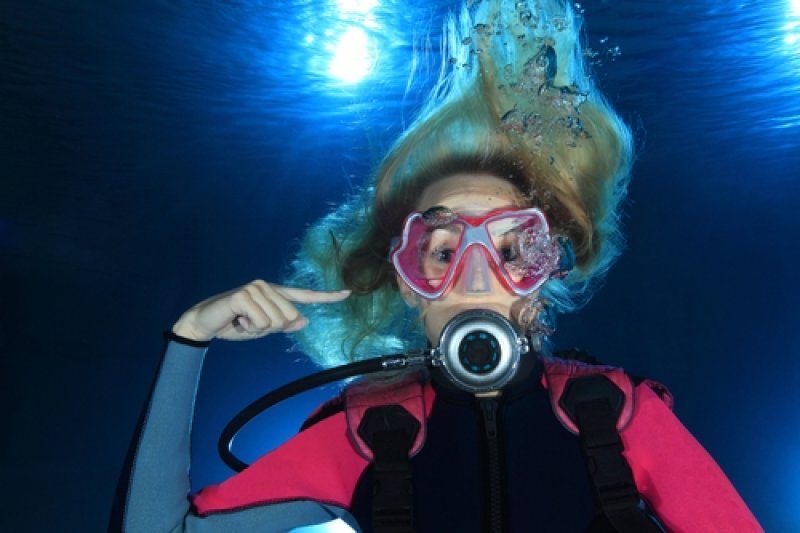
Problems with the ear while diving
(c) Martin Hablützel: Female Scuba Diver
이 기사는 자동 번역되었으며 약간의 오류가 포함될 수 있습니다. 의심스러운 점이 있으면 원문 영어 버전을 참조하십시오.