Why a Rescue Diver Course Was My Best Dive Move Yet
scuba diving
mares
Some dive courses open the door to new adventures. Others help you go deeper, longer, or dive more confidently. But a rescue diver course? It changes the way you see yourself - and every diver around you.
Before I signed up, I assumed a rescue diver course was only for serious divers - the kind training to go professional. I just wanted to be a better diver. More capable. More aware. More prepared. What I did not expect was that it would also make me laugh, push my limits, teach me about myself, and completely transform my approach to diving.
Now, I can honestly say a rescue diver course is the best course I have ever done - and one I think every diver should seriously consider.
This course is not just about 'rescuing.' It is about noticing, preventing, and staying calm when others panic. You learn to spot the signs of stress in a buddy before it becomes a problem. How to show up for someone else when it counts - and develop the tools to do so safely.
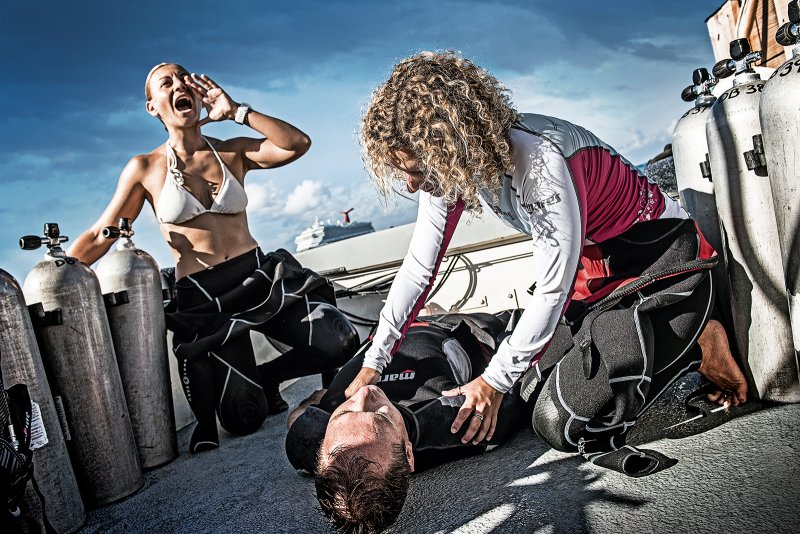
You learn how to handle tired or panicked divers, perform in-water rescues, use emergency equipment, and provide effective assistance until professional help arrives. It is part practical, part psychological - and surprisingly empowering.
Here is what I would tell any diver thinking about doing a rescue diver course.
You might take it to gain confidence. You might take it to prepare for the unexpected. Either way, almost everyone I have met who has done a rescue diver course says the same thing: I wish I had done this sooner. It makes you a stronger, safer diver - and a better buddy.
Rescue skills sound serious - and they are - but learning them does not have to feel like an exam. With the right instructor and group, this course is full of laughter, shared challenges, and unexpected fun.
You will spend time practicing real scenarios in the water, and it is actually a blast.
Yes, you will improve your buoyancy, situational awareness, and emergency techniques. But the real learning goes deeper. You find out how you respond under pressure, how you lead and listen, and how you show up when someone else needs you.
Read more: Want to keep growing? Check out SSI's guide to monthly scuba diving skills
Knowing you can handle a problem underwater does not just make you a better diver. It makes you more self-assured and composed. More able to trust yourself in everyday life; an essential skill in our constantly changing world.
In a rescue diver course, you learn to communicate clearly underwater and above, to coordinate with your buddy and dive team, and to stay calm and connected in high-stress situations.
That is something every diver - and every person - can benefit from.
Some skills will push you, which is the point. You need to move beyond your comfort zone, trust your training, and apply what you have learned in unfamiliar scenarios. When you succeed, you will feel it in your bones. I did.
If you are petite like me, consider doing the course with a similarly sized buddy - especially for beach-based rescue scenarios. I trained in late winter on a rough pebble beach in Cornwall, trying to rescue a 6'3" man.
The challenge was real.
I learned a lot, but smoother conditions and a better-matched buddy would have helped me focus more on the skills.
Want to be a stronger, more reliable dive partner? Check out: How to be the best dive buddy you can be
Where you do your rescue diver course can shape the whole experience. Calmer, warm waters like those in Thailand or Egypt may help you focus on skills. More rugged environments - like the UK's Cornish coast - offer real-world challenge. You will find plenty of destination ideas in SSI's MyDiveGuide, too.
Consider the conditions that best suit your learning style and prepare accordingly. You may want gear that matches the climate, like a shorty wetsuit or drysuit. It is also important to have comprehensive dive and travel insurance - such as with DiveAssure.
Whether you thrive in warm water or love a challenge, pick a dive center that matches your learning style. You want to be stretched - not overwhelmed. Ask about conditions, group sizes, and where the pool and open water training is conducted. It matters.
One of the best things I learned was to think realistically, not just by the book. During a particularly difficult beach rescue, I said to my instructor, "If this were real life, someone else would be here by now - or emergency services would be arriving." And that was true.
Doing your best and calling for help is often the most effective, safest action.
One part of SSI's Diver Stress & Rescue course is learning to recognize signs of stress in yourself and others before problems arise. That skill is not just for dive days. It has helped me show up better as a friend, partner, and human.
You become more attuned - and more compassionate.
Go beyond physical skills. SSI's guide to overcoming dive panic and anxiety builds the mental resilience and awareness you need to succeed.
You do not need to be a highly trained diver to do this course. You just need to be an Open Water Diver with a valid first aid certification. From age 12 and up, anyone can learn these vital skills and grow in their diving. If you are curious, you are ready.
Want to be fully prepared? Pair your Stress & Rescue course with a React Right specialty - SSI's first aid training that covers emergency response, CPR, AED, and oxygen administration.
It is the perfect complement to build your confidence above and below the surface.
Explore the React Right course
Doing a rescue diver course marks a shift - from being a diver to becoming someone other divers rely on. That sense of responsibility often comes with a deeper sense of belonging.
If you are keen to keep learning and get inspired to start SSI's Diver Stress & Rescue course, join a community like Underwater Explorers Worldwide. It is full of supportive divers who have been where you are - and are happy to share tips, encouragement, and photos from around the world.
If you have already taken specialties like Deep Diving, Nitrox, or Wreck Diving, the Diver Stress & Rescue course is your next step. Not because you have to - but because you care.
You care about diving well. About looking out for others. About knowing what to do when something goes wrong - and being the diver who can make a difference.
The Diver Stress and Rescue course is one of the most valuable and rewarding dive certifications you can take - not just for your safety and skillset, but for how it transforms the way you show up underwater.
Whether you are looking to deepen your confidence, support your buddies, or simply become a stronger diver, this course is a powerful step forward.
Talk to your local SSI Dive Center to find out more or explore available courses and instructors using the SSI Training Center Locator.
Your next diving adventure - and transformation - starts here!
--
Kathryn Curzon is a diver, shark conservationist, and award-winning author, studying creative writing at Oxford University. Subscribe here for updates on her work and upcoming book releases, or follow her on Facebook, Instagram, and LinkedIn.