Swimming Injuries: 10 Ways to Help Prevent Strain
swim
istock-microgen
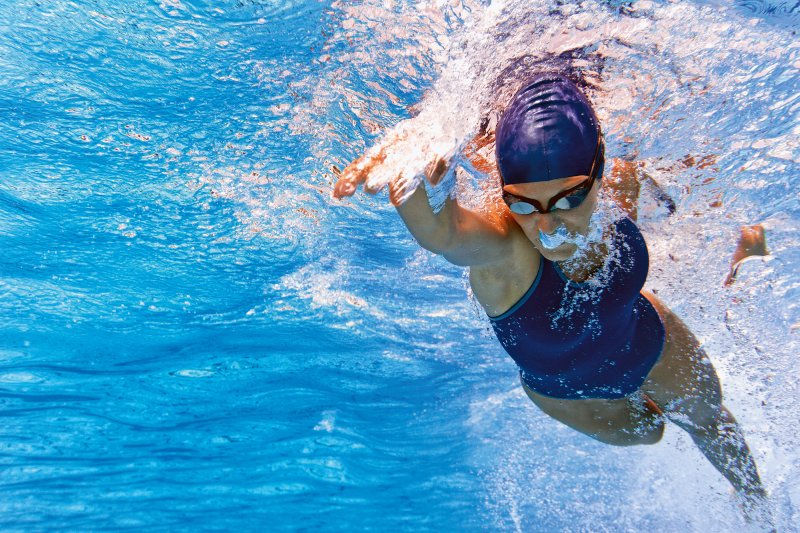
Swimming is an excellent full-body workout that offers cardiovascular benefits, strengthens muscles, and improves flexibility without placing excessive strain on the joints.
For many swimmers, that is the appeal: the first push-off, the quiet rhythm, and the feeling that the body can move with less impact than it does on land.
Still, despite its reputation as a low-impact exercise, swimming comes with injury risks. Improper technique, overtraining, and skipping basic safety precautions can lead to common swimming injuries, from muscle strains to serious shoulder and knee conditions.
Preventing swimming injuries matters for competitive swimmers and recreational enthusiasts alike. By using proper training techniques, maintaining good form, and listening to the body's signals, swimmers can enjoy the benefits of the sport while reducing their risk of injury.
If you are wondering how to prevent swimming injuries, these 10 tips can help you build safer swimming practice.
Table of Contents:
Use these swimming safety tips before your next pool session or open water swim, especially if shoulder, knee, or neck tension has started to show up after training.
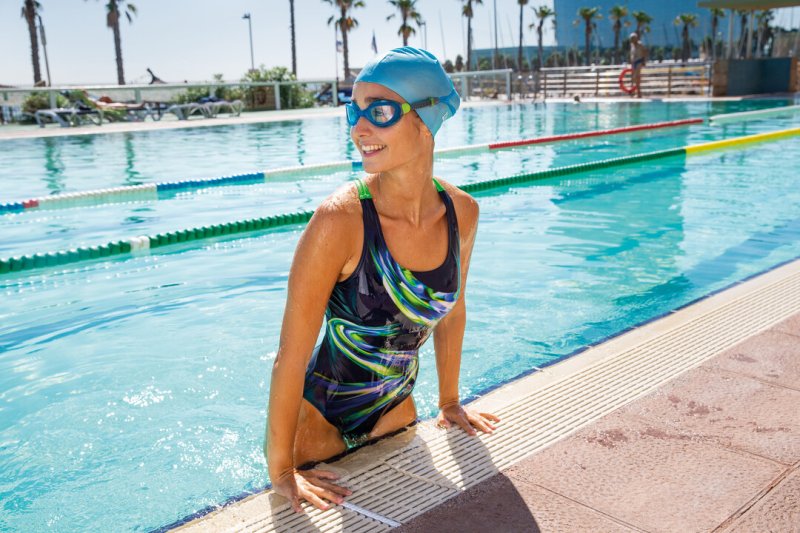
Before entering the water, prepare the body with a proper warm-up.
Dynamic stretching and mobility exercises help loosen muscles and improve flexibility, reducing the risk of strains and tears. A good warm-up might include arm circles, shoulder rolls, leg swings, and neck stretches.
Light aerobic exercises such as jogging or jumping jacks can also increase blood flow to the muscles, making them more pliable for the demands of swimming.
Warm up exercises for swimmers do not need to be complicated. A few focused minutes can help the body shake off everyday stiffness before the first full lap begins.
zoggs
Poor technique is one of the leading causes of swimming-related injuries.
Improper stroke mechanics can place unnecessary strain on joints and muscles, leading to overuse injuries like swimmer's shoulder or knee pain. Shoulder pain from swimming is especially common when the stroke is repeated with poor alignment or too much tension.
Seeking guidance from a certified SSI Swim Teacher or swimming instructor can help correct small movement patterns that swimmers may not notice while they are in the water.
Swimmers should focus on maintaining proper body alignment, engaging the core, and avoiding excessive strain on the shoulders and knees.
Swimming is excellent exercise. Check out these 6 Benefits of Swimming (and How to Get Better at it)
Building strength in key muscle groups can reduce the likelihood of injuries.
The shoulders, core, and legs do much of the work in swimming, so strength-training exercises targeting these areas can support better control in the water.
Exercises such as shoulder presses, resistance band pulls, planks, and leg kicks can enhance stability and endurance in the water. Strength training also helps counteract muscle imbalances, reducing the likelihood of swimming overuse injuries.
Instead of chasing heavy loads, focus on controlled movements that help each stroke stay balanced when fatigue starts to build.
Overtraining often affects competitive swimmers and dedicated enthusiasts.
Excessive training without adequate rest can lead to fatigue, muscle strain, and chronic injuries. Swimmers should listen to the body and allow enough recovery time between training sessions.
Rest days, varied workout intensity, and different strokes in training can help prevent burnout and reduce the risk of repetitive strain injuries.
Skipping recovery may feel productive in the moment, but tired muscles rarely produce clean technique. Rest gives the body time to adapt before the next swim.
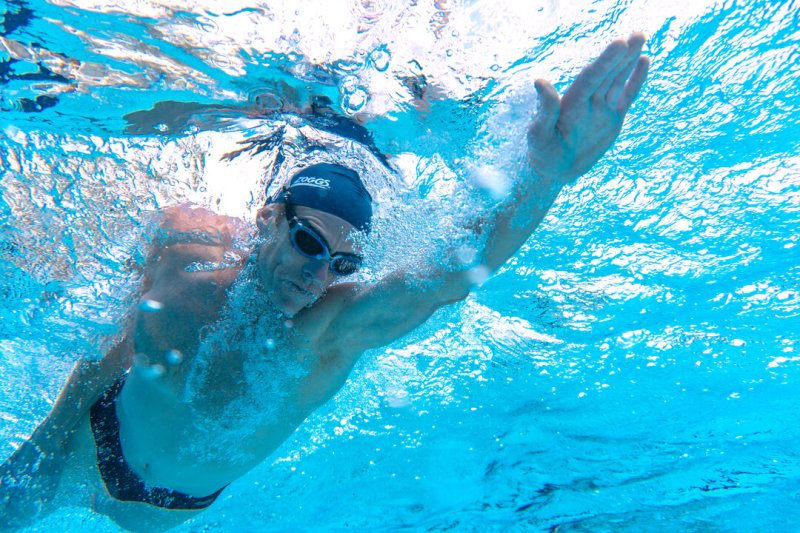
Incorrect breathing techniques can lead to excessive neck strain and improper stroke execution.
Swimmers should practice rhythmic breathing and avoid holding their breath for too long. Side breathing in freestyle and controlled exhalation in strokes like breaststroke and butterfly can prevent unnecessary tension in the neck and shoulders.
Proper breathing techniques also improve endurance and overall efficiency in the water.
Want to take your skills to the open water? Check this out: Open Water Swim Essentials - 8 Tips for a Great Swim
Image Name
proper-swimming-technique-breathing.jpg
Zoggs
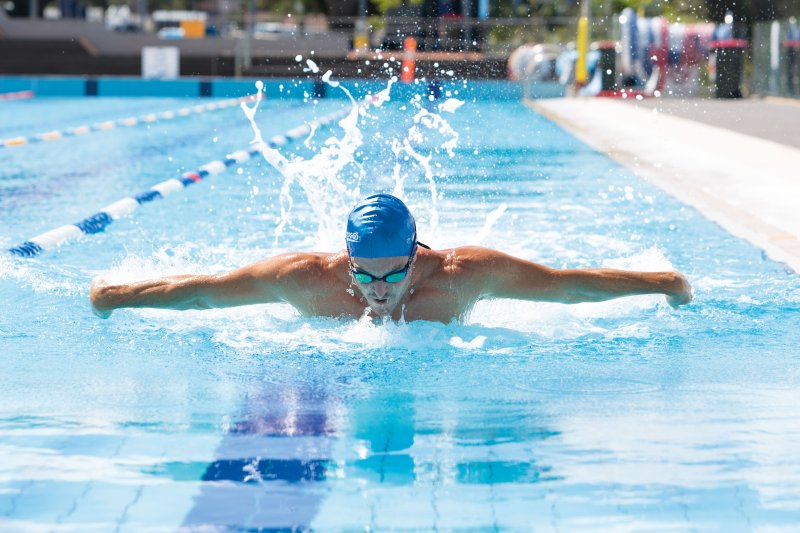
Swimming injury prevention also includes the gear you use during training.
Goggles should fit well to avoid eye strain, and swim caps can help streamline movement in the water.
Properly fitted fins, paddles, and kickboards can help reduce strain on the shoulders and legs during training. Choosing the right swimsuit helps reduce drag and improve performance without causing discomfort.
Training gear should support your swim rather than force your body into movements that feel unnatural or painful.
Proper posture matters both in and out of the water.
Slouching or poor body positioning can lead to excessive strain on the lower back, shoulders, and neck. Swimmers should focus on engaging their core muscles and keeping their spine aligned throughout each stroke.
On land, maintaining good posture during everyday activities can further support muscle balance and prevent injuries.
In the water, a steady core helps the whole body move as one line instead of letting the shoulders, neck, or lower back take too much of the work.
Muscles recover better when the body has enough water, energy, and nutrients to work with.
Dehydration can lead to muscle cramps and fatigue, increasing the risk of injury. Swimmers should drink plenty of water before, during, and after training sessions.
A balanced diet rich in proteins, healthy fats, and carbohydrates supports muscle repair and endurance, helping the body stay ready for swimming.
Ignoring early signs of pain or discomfort can lead to more serious injuries.
A small pinch in the shoulder, a tight knee after every swim, or restricted movement after training deserves attention. If symptoms persist, resting and seeking professional advice may be necessary.
Applying ice to sore muscles, performing gentle stretches, and incorporating active recovery techniques such as yoga or foam rolling can help prevent minor issues from escalating into major injuries.
Responding early to these signs gives swimmers more options: adjust technique, reduce intensity, rest, or ask for professional advice before a small issue forces time away from the water.
For more water safety awareness, read: Swimming Safety 101: Essential Tips for Open Water Swimming
A well-balanced training plan helps swimmers develop endurance, strength, and technique without rushing progress.
Following a structured training schedule that includes warm-ups, technique drills, strength training, and cooldowns can prevent sudden strain on muscles and joints.
Consulting a coach or a certified swimming instructor can help design a training plan that meets individual fitness levels and goals while minimizing injury risk.
A plan keeps progress from becoming random laps. It gives swimmers a clearer path to improve their swimming practice without simply adding distance and hoping for the best.
Become a swimming teacher with SSI and spread the love of swimming.
Swimming is a fantastic way to stay fit, improve cardiovascular health, and build muscle endurance. Like any sport, it comes with injury risks.
By prioritizing warm-ups, refining technique, strengthening key muscle groups, and listening to the body's signals, swimmers can reduce the likelihood of injuries and enjoy the sport for longer.
If you want to help others build confidence, improve technique, and enjoy safer time in the water, the SSI Swim Teacher Adult program is a good choice for your next step.
Use the SSI Center Locator to find an SSI Professional near you and continue your swimming journey with the right support.
Zoggs