Starting Freediving: Busting the Myths That Hold Beginners Back
freediving
predrag-vuckovic
Freediving is often seen as an extreme sport reserved for elite athletes with peak physical fitness and years of experience in the ocean. But the truth is, freediving is for everyone—regardless of age, fitness level, or background.
In this article, we answer the most common myths that prevent people from starting freediving and explain why it is a sport accessible to all.
What Actually Stops People from Freediving
Before looking at each myth, it helps to understand why starting freediving feels intimidating—even though most barriers are psychological rather than physical. Many beginners assume freediving demands elite athleticism, years of ocean experience, or a naturally long breath-hold. They worry they will not "measure up."
Add in the idea of holding your breath underwater, and the sport can seem exclusive or extreme—when in reality, the foundations are relaxation, technique, and safety. All of which can be learned from the very beginning.
Myth #1: I am Too Old to Start Freediving
Reality: Age is not a barrier to freediving.
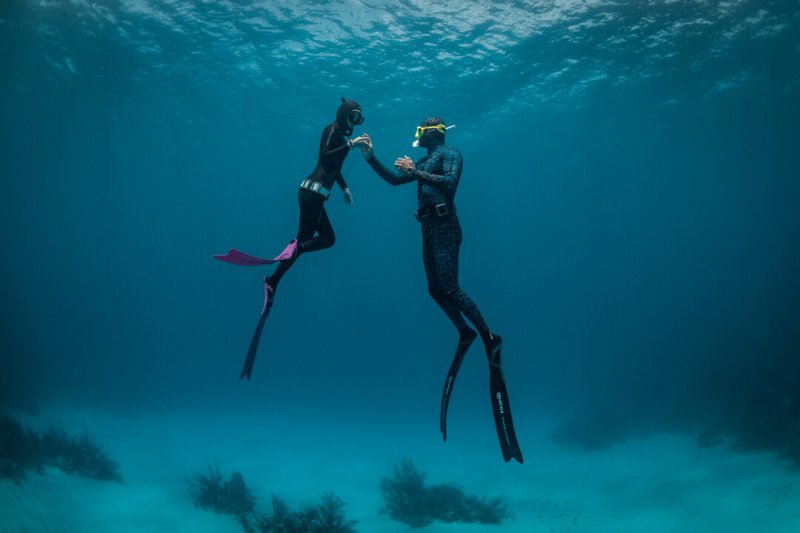
Many people believe freediving is only for young, athletic individuals, but in reality, people of all ages can enjoy it. In fact, some people are starting freediving in their 50s or even 60s and perform just as well as younger divers.
Why? Freediving is not about brute strength or speed—it is about relaxation, breath control, and efficiency in the water. With the right training, older divers can develop these skills just as effectively as younger ones.
Benefits of Freediving for Older Adults.
If you are considering starting freediving later in life, get inspired with these benefits:
- Improved lung function – Breath-hold training strengthens the respiratory system.
- Increased flexibility and mobility – The water supports movement, making it a low-impact activity.
- Mental clarity and relaxation – Freediving encourages mindfulness and stress relief.
GET INSPIRED: Breaking Records at 60: Meet Freediving Legend, David Mellor
predrag-vuckovic
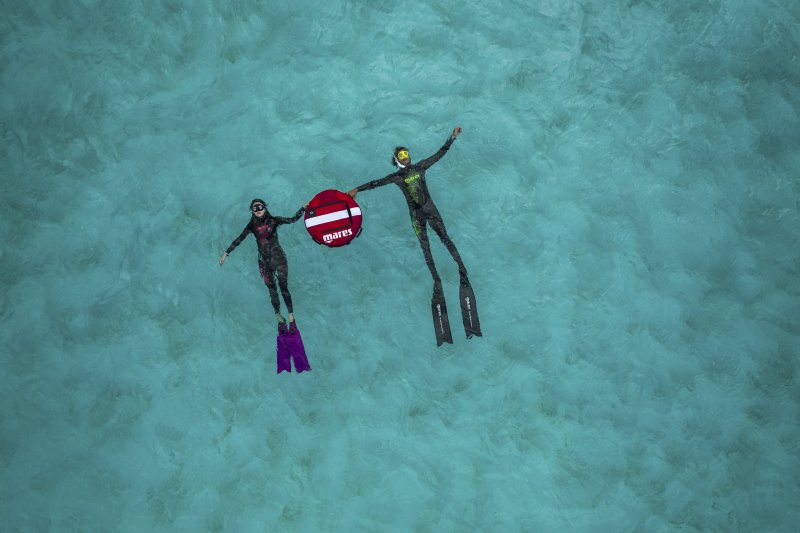
Freediving starts in a pool, learning breath control and safety in a calm environment.
Myth #2: You Need to Be Super Fit to Freedive
Reality: While good fitness helps, freediving is more about relaxation and technique than raw athletic ability.
Many people assume freediving requires the endurance of a marathon runner or the strength of a bodybuilder, but this is not the case. In fact, being overly muscular can be a disadvantage since muscle burns oxygen quickly.
Freediving is about efficiency—learning to move smoothly through the water while conserving oxygen. When starting freediving, you do not need to be in peak fitness. You can still become a skilled freediver by practicing proper technique and breath control.
How to Improve Your Freediving Performance:
- Focus on relaxation – Staying calm reduces oxygen consumption.
- Work on breath control – Simple breathing exercises can improve your ability to hold your breath.
- Maintain basic fitness – Activities like swimming and yoga help with flexibility and endurance.
Still unsure? Check out: Learning to Freedive: What if I Do Not Want to Dive Deep?
predrag-vuckovic
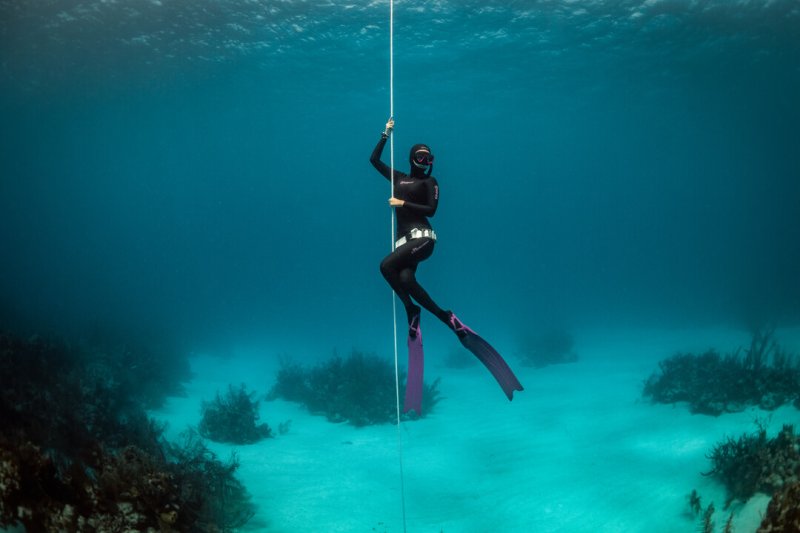
Diving on a line helps build confidence when freediving in open water.
Myth #3: I Need Years of Experience Before I Can Try Freediving
Reality: Beginners can start freediving safely with proper training.
It is easy to assume that freediving requires years of ocean experience, but you do not need to be an expert swimmer or an advanced snorkeler to start. Professional freediving courses can teach you the fundamentals in just a few days.
Freediving courses are designed for beginners and emphasize safety, breath-hold techniques, and controlled descents. With guidance from a certified SSI Freediving Instructor, even those with little to no experience can quickly develop confidence in the water.
GET STARTED: Freediving: How to hold breath for two minutes...Today!
predrag-vuckovic
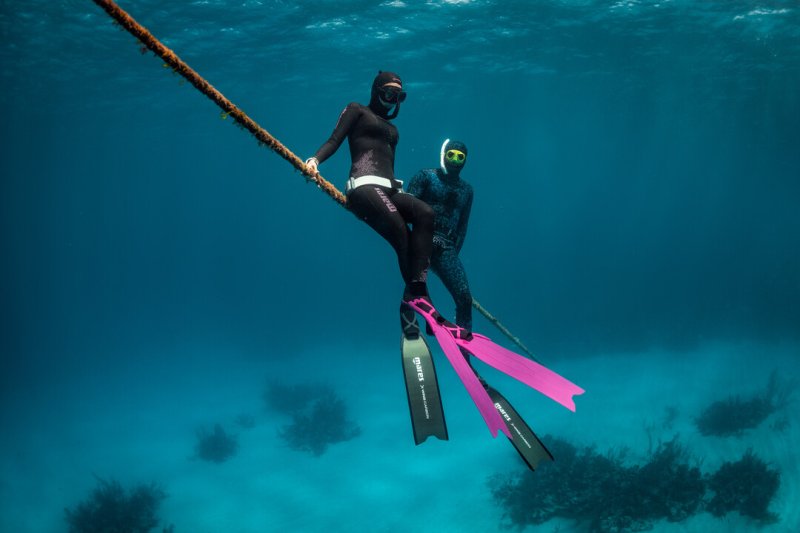
One-to-one guidance helps new freedivers stay relaxed and confident underwater.
Myth #4: Freediving Is Too Dangerous
Reality: Freediving is safe when done correctly.
Yes, holding your breath underwater comes with risks, but with proper training and adherence to safety protocols, starting freediving is no more dangerous than many other water activities. The key is to always follow these essential safety rules:
- Never dive alone – always have a trained buddy.
- Stay within your limits – do not push for longer breath-holds or deeper dives too soon.
- Learn proper ear equalization techniques for freedivers to protect your ears and sinuses.
By respecting safety guidelines, freedivers of all skill levels can enjoy the sport with minimal risk.
fotolia
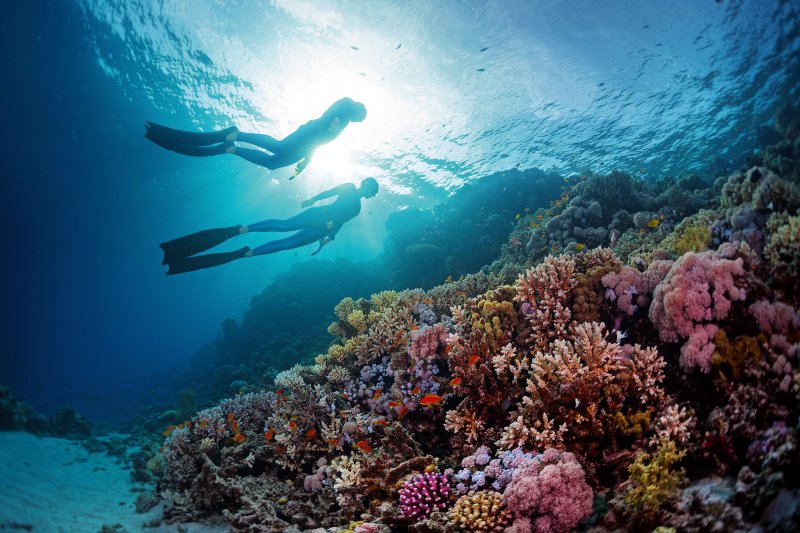
Shallow reefs offer a gentle, inspiring environment for freediving.
Starting Freediving Is Easier Than You Think
You do not need perfect fitness, a long swimming history, or a huge breath-hold to begin. Freediving meets you where you are and grows with you—teaching calm, control, and connection rather than competition.
If myths have stopped you, let this be your turning point. With clear instruction and a relaxed approach, the underwater world becomes accessible—one slow breath at a time.
Ready to start freediving?
Find your nearest freediving training center with the SSI Center Locator and get started today.
Starting Freediving FAQs
1. Can I try freediving if I do not know how to swim well?
Basic swimming skills are recommended, but you do not need to be an advanced swimmer. The beginner-friendly SSI Freediver course will help build your confidence in the water.
2. Is freediving good for people with asthma?
Many people with asthma find that freediving helps improve their breath control and lung function. However, it is essential to consult a doctor before starting.
3. How long does it take to learn freediving?
Most people can learn the basics in a 1- to 3-day course. Mastery takes time, but anyone can start freediving quickly with proper training.
4. What equipment do I need to start freediving?
A mask, snorkel, fins, and a freediving wetsuit (if needed) are the essentials. Many courses provide rental gear for beginners.
5. Is freediving expensive?
Compared to scuba diving, freediving is relatively inexpensive. Once you have basic freediving gear, there are no air tank refills or expensive equipment to maintain.