Snorkeling for Beginners: Expert Tips to Start Strong
scuba divingsnorkelingsnorkeling tipssnorkeling gear
Before I ever strapped on a scuba tank, I was face-down on the surface with a snorkel, just trying to figure out how to breathe and stay calm. Snorkeling was my first connection to the underwater world, and it quickly became the spark that led me to a whole new way of life. It is simple and accessible, and in the end, it became incredibly powerful for someone like me, just getting started. For anyone curious about diving but unsure where to start, this guide is for you. Whether you are easing into the water for the first time or just want to build your skills before going deeper, snorkeling might be your perfect entry point to the world of scuba diving.
Table of Contents:
-
What is Snorkeling and How to Do It Safely
-
Essential Snorkeling Gear (What You Really Need)
-
Top Snorkeling Tips for Every Level
-
Where to Snorkel: Best Places to Explore
-
My Go-To Snorkel Gear Setup
-
Snorkeling as the Gateway to Scuba Diving
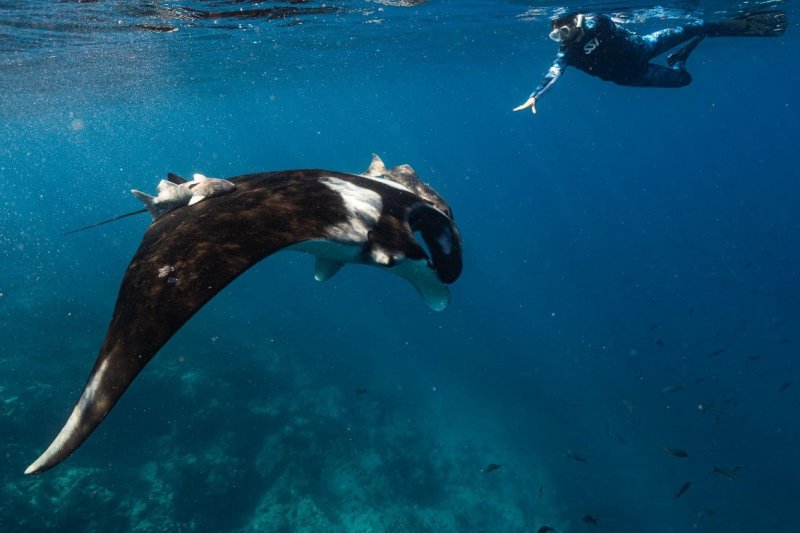
Adam-Moore
The Edges of Earth team snorkeling with manta rays in Mexico.
Snorkeling is one of the simplest and most accessible ways to explore the underwater world. With just a mask, snorkel, and fins, you float face-down on the surface, watching life unfold below you in real time. Most snorkeling happens in shallow water—anywhere from 3 to 10 meters deep—but even in waist-high water, you can experience incredible marine life up close. It is immersive and surprisingly calming. For me, snorkeling was the true starting point of my underwater journey. It was my first real glimpse into ocean life and the spark that eventually led me to pursue professional scuba diving, freediving, and even surfing. It is amazing how something so simple, floating on the surface, can open your world in such a major way.
Safety-wise, the key to snorkeling is comfort and confidence in the water. Start by making sure you are comfortable with basic swimming and feel good wearing a mask, breathing through a snorkel, and kicking with fins. Always snorkel with a buddy or in a group that knows the local area and water conditions well, especially if it is your first time. Water conditions can shift quickly, and it is important to stay within your limits. And here is something often overlooked: the most common snorkeling injury does not come from marine life or waves. It is sunburn. Yes, you read that correctly. Always wear reef-safe sunscreen and stay hydrated, while making sure you are physically up for the activity before heading out. A little preparation goes a long way toward making your first snorkeling experience the best it can possibly be.
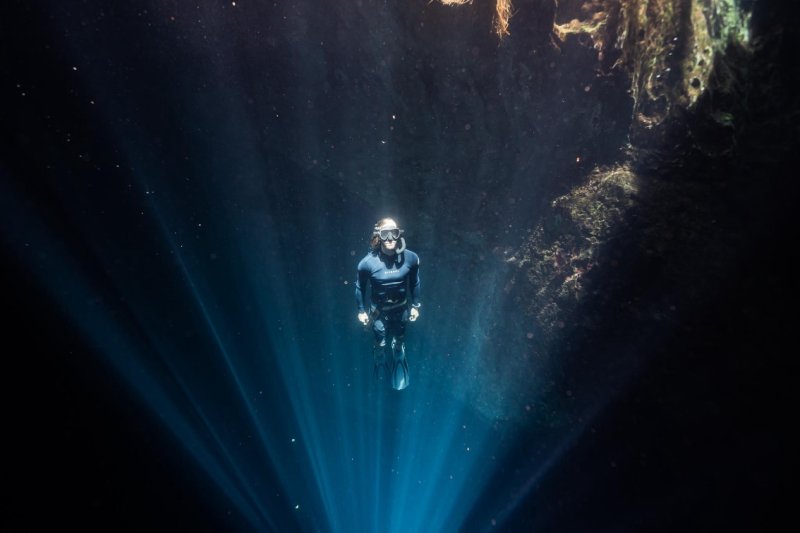
David-Moore
Adam Moore snorkeling and freediving the Cenotes in Mexico.
At the most basic level, all you really need to snorkel is a mask, a snorkel, and fins. These three pieces of gear make up your core setup and allow you to see clearly underwater and breathe comfortably at the surface. The idea is for you to move as efficiently as possible through the water, which is why choosing the right fins matters. One other item I always recommend, especially to beginners, is anti-fog or defog solution for your mask. It might seem small, but a fogged-up mask can alter or ruin a snorkel session, and trust me, it is frustrating. I would almost classify that as essential for those just getting started.
But depending on your comfort level, there are a few extras that can make the experience safer and more enjoyable for those with a bit of fear in the water, or if you are just starting out. If you are looking for extra support, a snorkeling vest or flotation device can give you added buoyancy and peace of mind. Other bonus gear includes waterproof cameras or a GoPro with the right housing so you can capture what you are seeing. Depending on water temperature and sun exposure, you might also consider wearing a rash guard or wetsuit. These come in different thicknesses and styles and can help protect your skin while keeping you warm in cooler conditions.
GET STARTED: Learn to Snorkel—The Essential Beginner's Guide
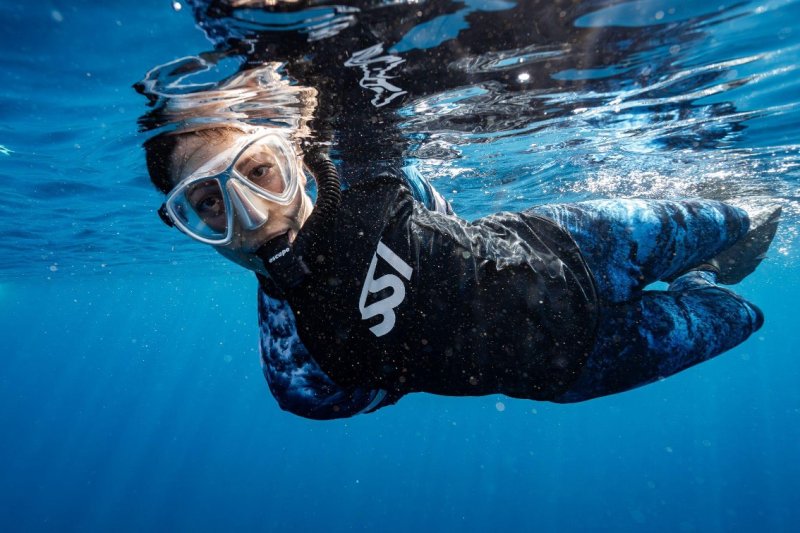
Adam-Moore
Snorkeling is a peaceful way to get started on your scuba journey.
Because snorkeling is such a gear-dependent activity, I highly recommend visiting a local SSI dive shop to get properly fitted. One size does not fit all, and comfort matters. Your mask should create a comfortable seal on your face (test this by inhaling gently through your nose without using the strap, as it should stay put). Your snorkel should have a soft, comfortable mouthpiece and ideally a dry or semi-dry top to keep water out. Fins should feel snug but not tight, enough to stay secure without causing discomfort or cramps.
Best way to determine if you have the right gear? A quick fit test. Sit in a chair, extend your leg, and flex your ankle up and down. If your fins stay comfortable and do not dig in, you are good to go.
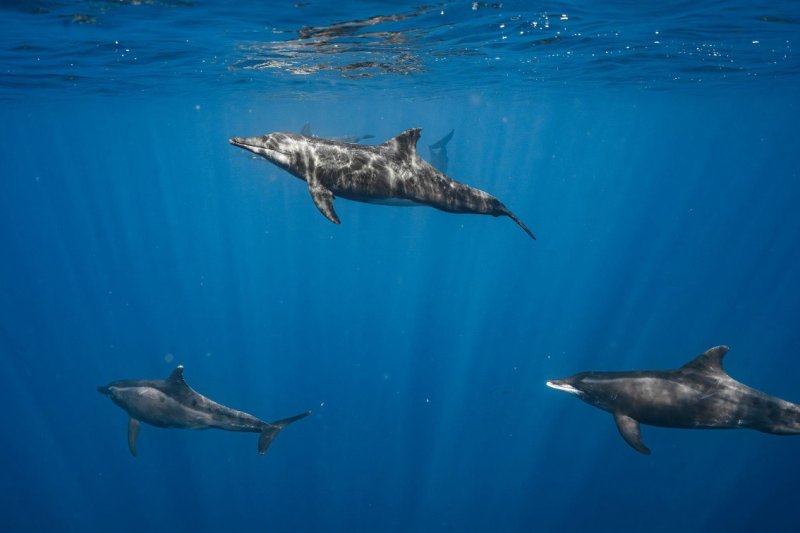
Adam-Moore
Snorkeling can bring you very close to spectacular wildlife, no extra gear needed.
If you are just getting started, practice using your gear in shallow water first. Get comfortable breathing calmly through your snorkel, and learn how to clear water from it. Make sure everything fits well, and do not let anyone push you beyond your comfort zone. Snorkeling should feel fun and empowering, and anything but stressful. As someone who could barely swim a lap in a pool five years ago, I can tell you that pacing yourself and finding supportive people to learn with makes all the difference. Try to snorkel with more experienced friends or divers when you can, because learning in real time is one of the best ways to improve.
For those with more experience, the mindset shifts from learning how to snorkel to how to snorkel consciously. Respect the marine life and habitats you visit. Take nothing, leave nothing. Be mindful of your impact on fragile ecosystems, no matter how skilled you are in the water. Regardless of your level, staying physically fit is certainly a must. Following local regulations or eco-friendly dive practices matters, as we are seeing major collapse of these underwater ecosystems. Using reef-safe sunscreen or picking up marine debris, if you are capable, are good examples of how to be a responsible water person.
Andi-Cross
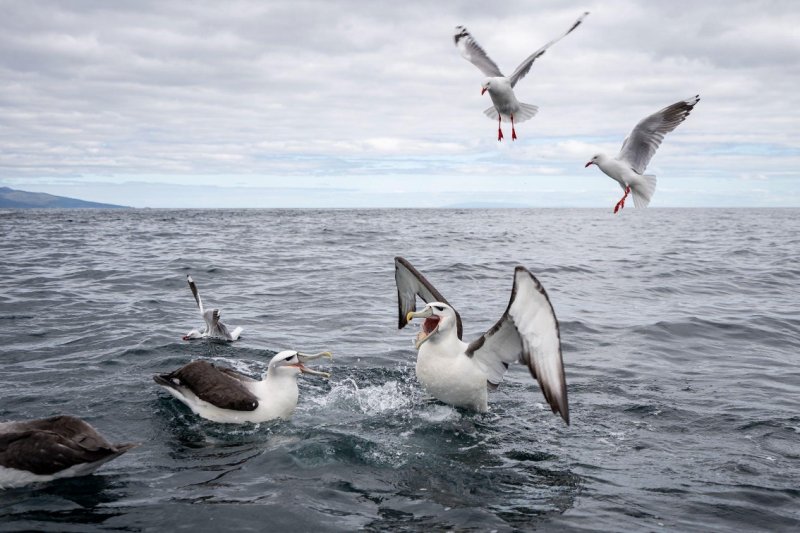
The benefit of snorkeling is that you are on the surface, and can see lots of different species on a single day out
The best snorkeling spots are usually shallow, protected areas with vibrant coral reefs or other healthy marine ecosystems. Coral reefs are the most common draw, but do not overlook other habitats like seagrass meadows, kelp forests, or rocky coastal zones. These places are often so fulfilling for snorkelers as they are full of surprises, both big and small.
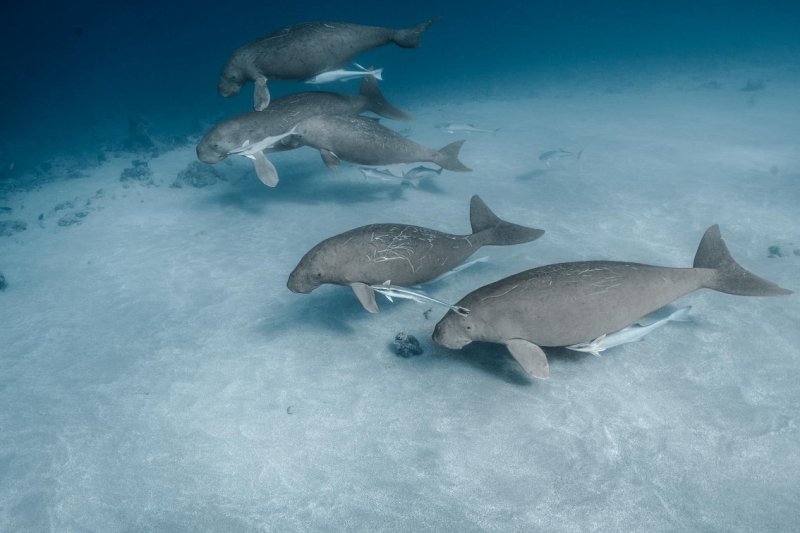
One of my favorite snorkeling experiences took place in the Maskelyne Islands, where we were searching for herding dugongs. Dugongs are shy, sensitive creatures that do not like bubbles, so we left the scuba gear behind. Not to mention, we were so remote that tanks and weights were not available, and the only way to get them would have been to intercept a passing sailing vessel with a compressor onboard. So, we snorkeled through rainbow-colored reefs and lush seagrass meadows, scanning for movement and hoping to spot them without disturbing their environment.
READ MORE: 12 Best Destinations for Exploring in Earth's Quietest Waters
Adam-Moore
Herding dugongs spotted on a snorkel in Vanuatu.
Eventually, the dugongs found us, and we shifted from snorkeling to freediving, or duck diving on a single breath to get closer as they glided around 10 meters below the surface. Meeting these gentle animals on their level, in complete silence, was one of the most powerful and intimate underwater experiences of my life. [6]
(There are beautiful ecosystems you can explore while snorkeling. Photo Credit: Andi Cross)
This is why I love snorkeling in areas where you might encounter unique or rare species. Another example is in South Australia, where you can snorkel alongside endangered sea lions and giant cuttlefish near Port Lincoln. In Gifu, I snorkeled a temperate freshwater dam to find giant salamanders, which was one of those unexpected adventures.
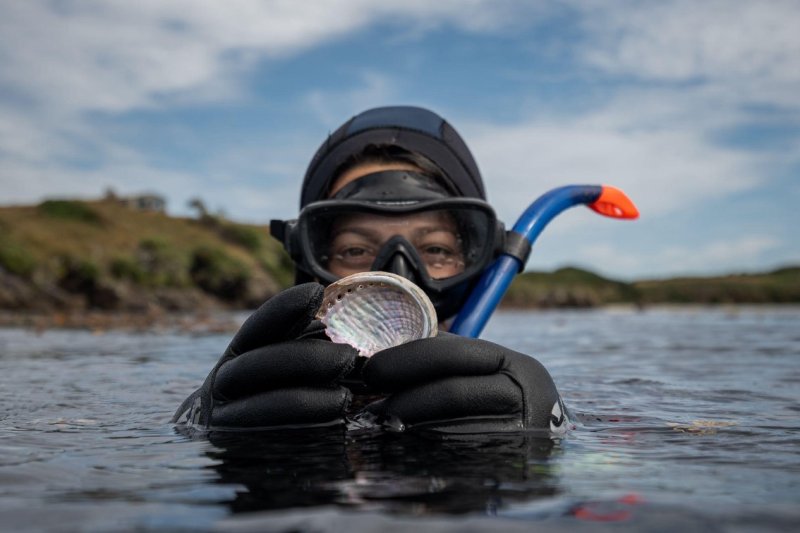
But it is important to note that some of the best snorkeling can happen close to home. Your local coastline, estuary, bay, or river mouth might hold more than you think. You do not always need to travel far to have incredible underwater encounters. Sometimes, it is just about slowing down and looking closely right in your own backyard.
Adam-Moore
Don't forget that right in your own backyard, there's lots to explore.
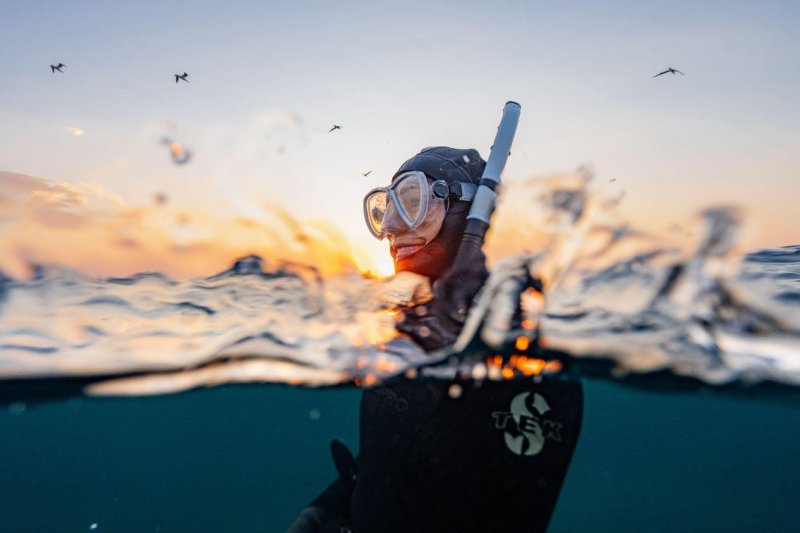
My go-to snorkel set has been built over years of trial, error, and experience, and it is one I trust every time I get in the water. I use Scubapro gear exclusively, as it's proven reliable, comfortable, and easy to travel with—all priorities for me. For my mask, I use the Scubapro Synergy Mini Dive Mask, which is ideal for smaller, narrower faces like mine. That is paired perfectly with my snorkel which is called the Scubapro Escape Semi-Dry. My fins are the Scubapro GO Sport, which are lightweight and compact—perfect for travel. For exposure protection, I wear the Scubapro Everflex Yulex® Dive Steamer (5/4mm), adjusting thickness based on water temperature. And for tracking my snorkels and freediving, I use the Garmin Descent™ MK3 (43mm), which I also wear daily as a regular watch.
That said, what works for me might not be what works for you. The most important thing is getting properly fitted by a professional, especially when it comes to your mask and fins.
Adam-Moore
Snorkeling and freediving the Sardine Run in South Africa, wearing my favorite kit.
Snorkeling was my first glimpse into the underwater world, and it changed my entire view on how I work and travel. It gave me the confidence to be in the water, in addition to the curiosity to keep exploring. It was the necessary foundation I needed to eventually pursue scuba diving since I am not someone who has grown up near an ocean. What starts as a simple surface swim can quickly evolve into something much bigger. It can translate into a lifelong passion or a new perspective. It can even surprise you and become a complete shift in how you see the planet.
So if you are feeling that pull toward the ocean, start small. Grab a mask, get in the water, and see where it leads. You never know, snorkeling might just be your gateway to something much bigger too.
Ready to Take the Next Step?
Join the SSI Snorkel Diver course and build your skills, confidence, and connection to the underwater world from the very start.
.....................
Dive Deeper into Becoming A Scuba Diver