Frenzel Equalization Explained: What It Is and How It Works
freediving

predrag-vuckovic
Equalizing is one of those behind-the-scenes skills that make diving comfortable, safe, and enjoyable. For new divers, it can feel a little mysterious, especially when their ears start to feel pressure on the way down. Frenzel equalization is a technique that helps you stay in control underwater, and it is especially useful for freedivers and scuba divers who want a reliable and efficient way to manage pressure at depth. This guide breaks down exactly what is happening in your ears, why equalizing matters, and how Frenzel equalization works in a way that feels natural and easy to learn.
Table of Contents:
-
Quick Answer: What is Frenzel equalization?
-
Why Equalization Is Important
-
What happens When You Equalize?
-
What Happens If You Do Not Equalize?
-
Common Equalization Issues
-
What Is Frenzel Equalization?
-
How to Perform Frenzel Equalization
-
Benefits of Frenzel Equalization
-
Which SSI Program Helps You Learn Frenzel Equalization?
-
Ready to Improve Your Equalization?
Frenzel equalization is a technique divers use to equalize pressure in the ears by using the tongue and throat muscles to push air through the Eustachian tubes.
Whether scuba diving or freediving, every descent you make underwater increases the pressure around you, and your ears are affected the most. Without proper equalization, that pressure becomes uncomfortable and can quickly turn into pain.
Equalizing your ears allows you to match the pressure inside your ears with the pressure outside, which keeps your ears safe and prevents a dive from ending early. Equalizing early and often makes the whole experience more relaxed and enjoyable.

adobestock-artifirsov
Equalizing early and often keeps descents comfortable and safe.
Equalization is simply the act of balancing pressure in the middle ear. When you descend, the water pressure increases and pushes against your eardrum. To counter this, your body uses the Eustachian tubes; small passages that connect your middle ear to your throat. When these tubes open, a small amount of air moves through them and brings the pressure inside your ear back into balance. Proper equalization prevents discomfort and protects delicate structures inside the ears.
LEARN MORE: How to Master Freediving Buoyancy: The Science Made Simple
If you descend without equalizing, the growing pressure difference can bend or even damage the eardrum, leading to barotrauma. This might show up as sharp pain, muffled hearing, or in severe cases, a ruptured eardrum. Equalizing is not just something divers should do; it is something divers must do to avoid injuries that may take weeks to heal. Equalizing also helps you stay relaxed, avoid anxiety underwater, and maintain control during your descent. This is important for freedivers who descend quickly, but it is just as essential for scuba divers who may spend long periods at various depths.
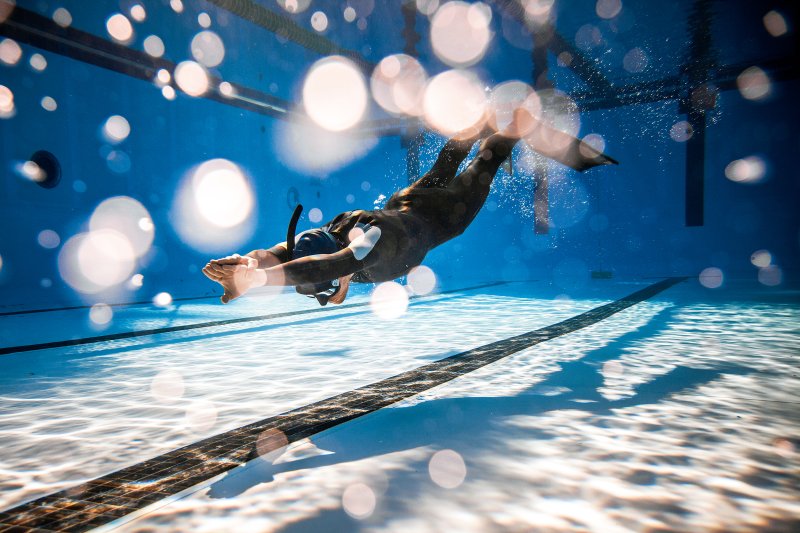
AdobeStock-aetb
Practicing equalization techniques during training helps divers descend comfortably.
Many divers experience ear problems at some point. Sometimes the Eustachian tubes are difficult to open, especially if you are congested, tired, or dehydrated. Allergies, sinus issues, or even a cold can make equalization uncomfortable. Some divers try to force equalization using incorrect techniques, which can cause painful pressure or make the issue worse.
When a diver experiences blocked ears or ear pain, it is often the result of congestion, rushing the descent, or relying on a method that is not efficient enough. Learning controlled, gentle equalization methods helps prevent these problems and makes dives smoother from the start.
Learn how to train efficiently with: Freediving Training Tips: Overcoming 4 Common Challenges
The Frenzel equalization technique uses the tongue and throat muscles to create a small burst of air that opens the Eustachian tubes. Instead of using the diaphragm or chest to push air upward (the Valsalva equalization technique), Frenzel equalization works by compressing air already in the mouth and throat.
It is especially helpful for deeper diving because it does not require much effort and remains reliable even when lung volume decreases at depth. Freedivers rely on Frenzel equalization more because it allows them to equalize precisely and efficiently, but scuba divers can benefit from it as well. The method provides better control, reduces strain, and helps prevent common ear issues that occur when divers rely on less effective techniques.

predrag_vuckovic
Freediving allows divers to explore the ocean on a single breath.
Learning Frenzel equalization takes practice, but once you understand the steps, it becomes almost automatic.
- Begin by closing the soft palate, which keeps air from moving into your lungs.
- Pinch your nose gently with your fingers to create the necessary seal.Position your tongue so that it forms a shape similar to pronouncing the sound "T."
- Use your tongue as a piston, pushing air toward the back of your throat.
- As you do this, the pressure created by that small movement forces the Eustachian tubes to open.
Unlike other techniques, Frenzel equalization does not require you to exhale or apply chest pressure, so it is much more precise and controlled. The movement is subtle and often becomes second nature after you have practiced it a few times on land.
Pro tip: Many divers find it helpful to practice in front of a mirror so they can feel and see the movement pattern.
READ MORE: Why Performance Freediver Matters for Progressing Freedivers
Frenzel equalization offers several advantages for divers who want a dependable equalizing technique. It is more efficient at depth because it does not rely on large amounts of air from the lungs. This makes it ideal for freediving, where air supply becomes more limited as you descend. It is also gentle, which reduces the risk of ear injury.
Because it uses throat and tongue muscles, Frenzel equalization remains effective even when pressure increases significantly. Many divers who switch to this method find that they have far fewer issues with blocked ears, ear pain, or slow descents.

fotolia
Freedivers can explore coral reefs quietly and up close on a single breath.
If you want structured guidance and professional support while improving your equalization skills, the SSI Freediving program is an excellent place to start. It introduces proper breathing techniques, safe descent methods, and practiced equalization skills like Frenzel equalization.
A certified instructor will help you learn the technique safely and identify any habits that might hold you back. You can find an instructor near you using the SSI Center Locator, which makes it easy to choose a trusted training center wherever you are in the world.
Mastering equalization is one of the most valuable skills any diver can develop. Techniques like Frenzel equalization help you descend more comfortably, protect your ears, and explore deeper water with confidence.
With the right instruction and practice, equalizing becomes second nature—allowing you to focus on the beauty of the underwater world.
Take the next step in your freediving journey.
Find an SSI Freediving Instructor or Training Center near you and start developing your equalization skills today.
Start Your Freediving Journey Here:
Find an SSI Training Center Near You.
Dive Deeper into Freediving