Biggest Sea Creatures: 10 Ocean Giants Divers May Encounter
scuba divingfreedivingtravelecology
iStock-Extreme-Photographer
Table of Contents:
-
Blue Whale: The Largest Animal on Earth
-
Humpback Whale
-
Whale Shark: The Largest Fish in the Ocean
-
Basking Shark: The Second Largest Fish
-
Giant Oceanic Manta Ray
-
Ocean Sunfish
-
Great White Shark
-
Leatherback Turtle: The Largest Sea Turtle
-
Giant Squid
-
Greenland Shark
-
Respecting the Biggest Sea Creatures in the Ocean
-
Ready to Learn More About Ocean Giants?
The ocean is home to some truly incredible animals, many of which grow to astonishing sizes. For divers, encountering the biggest sea creatures underwater can be a once-in-a-lifetime experience that changes the way you see the marine world.
From massive filter-feeding sharks to enormous whales cruising through deep blue water, their scale can be intimidating at first glance. Yet many of these animals are peaceful, curious, or simply moving through their natural environment.
Understanding where they live and how they behave helps divers appreciate why the biggest sea creatures are among the most memorable wildlife encounters you can have.
iStock-eco2drew.jpg
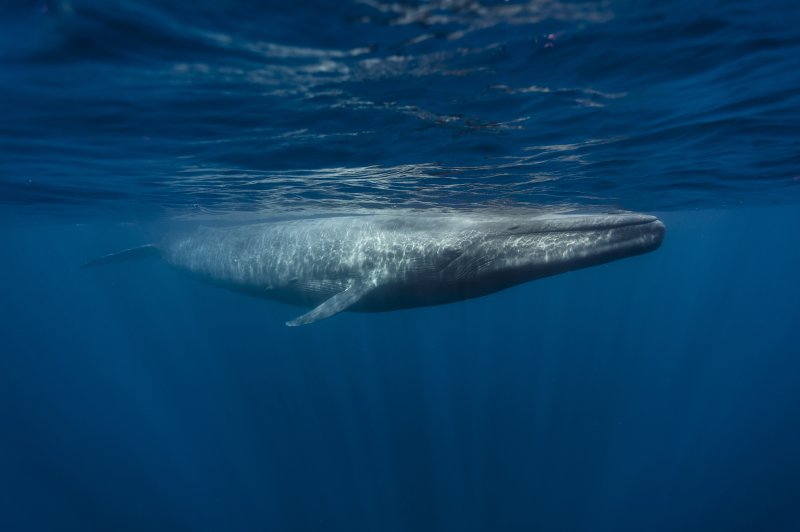
No list of the biggest sea creatures would be complete without the blue whale: the largest animal on Earth. Adult blue whales can reach lengths of up to about 33 meters (110 feet) and weigh up to about 150 metric tons (about 165 US tons).
Divers occasionally encounter blue whales in open-ocean environments in places like the Azores, Sri Lanka, and parts of the eastern Pacific. It is important to check local laws and guidance before being in the water with blue whales.
The Azores is a top place to visit for big marine encounters. Read: Diving the Azores: The Wild Heart of the Atlantic.
What makes blue whales even more remarkable is that they feed almost entirely on tiny krill. During feeding season, a single blue whale can consume several tons of krill per day, with estimates reaching up to about 16 metric tons (17.6 US tons) on intense feeding days. Their calm, steady movements remind divers that some of the biggest sea creatures are also among the most gentle.
Humpback whales are another giant frequently seen by divers and snorkelers in tropical breeding grounds such as Tonga, French Polynesia, and parts of the Caribbean. These whales can grow up to about 18 meters (60 feet) in length and weigh up to about 36 metric tons (40 US tons).
Humpbacks are famous for their acrobatic breaches and haunting underwater songs. Male whales can produce complex vocalizations that travel long distances through the ocean.
To understand whale behavior before a big-animal trip, the SSI Marine Mammal Ecology program is a useful next step.
Despite their size, humpbacks can be curious around divers and snorkelers, sometimes approaching slowly before continuing on their migration routes. Their playful nature makes them one of the most charismatic animals among the biggest sea creatures found in the ocean.
sebastian-pena-lambarri-unsplash
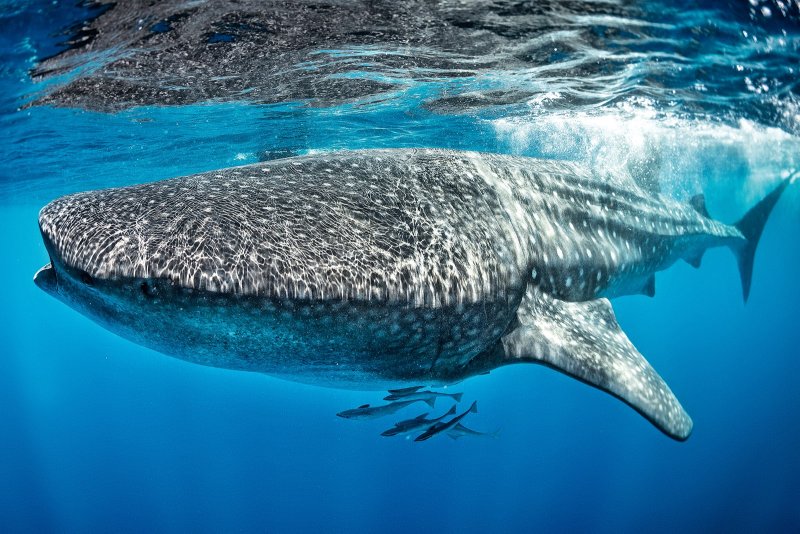
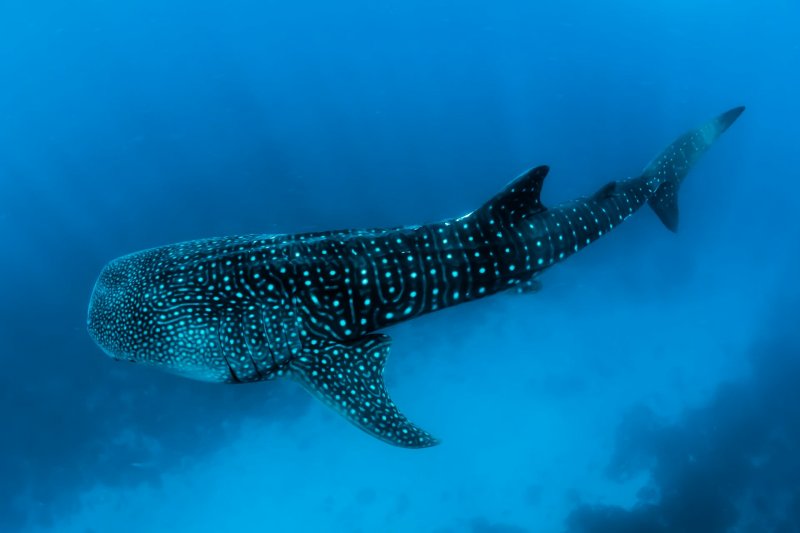
The whale shark is the largest fish in the ocean and one of the most famous encounters for divers seeking the biggest sea creatures. These gentle giants commonly grow to around 12 meters (40 feet), although rare individuals have been reported larger.
Popular locations to see whale sharks include Mexico's Yucatan Peninsula, the Philippines, and Western Australia. Unlike many large sharks, whale sharks feed by filtering plankton and small fish from the water. Divers can research possible sighting areas through Scubago's Whale Shark wildlife page.
One fascinating feature is their unique pattern of white spots, which acts like a fingerprint. Scientists can identify individual animals by photographing these patterns, helping researchers track migrations of one of the ocean's biggest sea creatures.
The basking shark is the second largest fish in the world and another peaceful filter feeder. These impressive animals can grow to about 12 meters (40 feet) long and weigh more than 5 metric tons (about 5.5 US tons).
Divers sometimes encounter basking sharks in temperate regions such as the United Kingdom, Ireland, and Canada. They often swim slowly near the surface with their massive mouths open while filtering plankton.
Although their wide jaws can appear intimidating, basking sharks pose no threat to divers when observed respectfully. Their calm and gentle behavior makes seeing them extra special.
istock-divepic
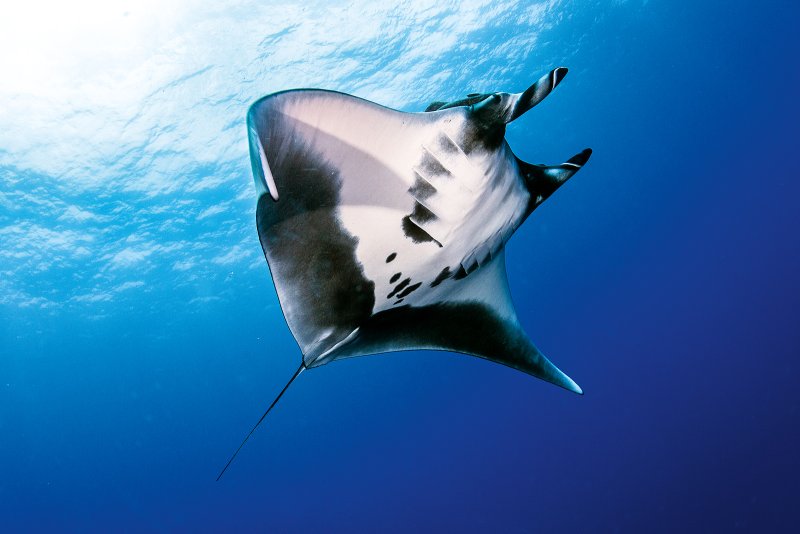
Gliding through the water like underwater birds, giant manta rays are among the most elegant of the biggest sea creatures. The giant oceanic manta ray is the world's largest ray and can reach a wingspan of up to about 8 meters (26 feet) from fin tip to fin tip.
Divers frequently encounter mantas in locations such as the Maldives, Indonesia, and Hawaii. These rays often gather at cleaning stations where small reef fish remove parasites from their skin.
Manta rays are known for their intelligence and curiosity. Some individuals appear to recognize divers and may circle slowly overhead. Love big ocean creatures? Help protect them with this SSI guide: Manta Ray Conservation: The Ultimate Guide for Scuba Divers.
The ocean sunfish, or mola mola, is one of the strangest-looking animals among the biggest sea creatures. These fish can grow to about 3 meters (10 feet) in length and weigh more than 2,000 kilograms (4,400 pounds).
Divers often see mola mola around deep reefs in places like Bali, California, and the Azores. They sometimes hover almost motionless while cleaner fish remove parasites. For location research, Scubago's Bali destination page can help divers explore where mola mola encounters may fit a broader dive trip.
Despite their unusual flattened shape, sunfish are surprisingly efficient swimmers that migrate across entire ocean basins. Their odd appearance and gentle nature make them a favorite sighting for divers.
The great white shark is one of the ocean's most powerful predators and a legendary member of the biggest sea creatures in marine ecosystems. Adult great whites can grow up to about 6 meters (20 feet) in length and weigh up to about 2 metric tons (2.2 US tons).
These sharks inhabit coastal waters around South Africa, Australia, California, and the Mediterranean. While they are powerful hunters, great whites typically avoid humans.
A fascinating fact is their highly developed electroreception, which allows them to detect tiny electrical signals produced by other animals. This remarkable adaptation helps explain how such large predators navigate the ocean so efficiently. The SSI Shark Ecology specialty is useful for divers who want to better understand shark behavior and build confidence around shark encounters.
Alamy-National-Geographic-Creative
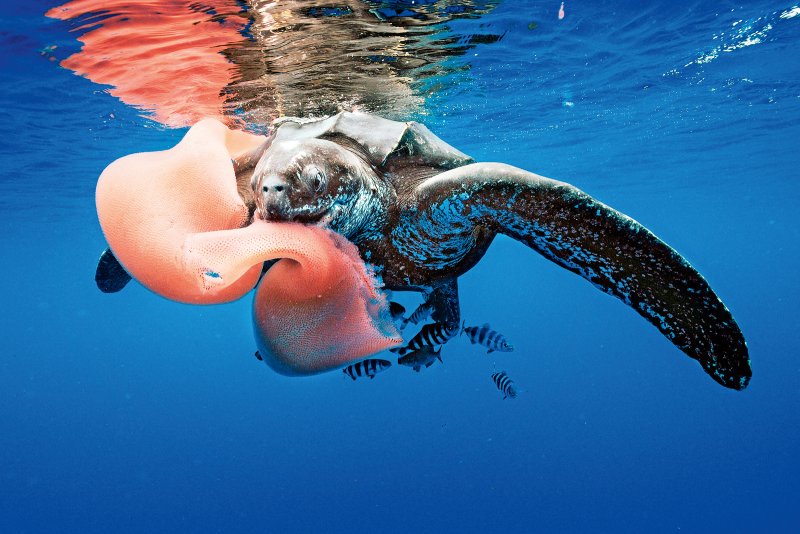
Among sea turtles, the leatherback is the true giant. These ancient reptiles can exceed 2 meters (6.5 feet) in length and, in exceptional cases, approach 900 kilograms (2,000 pounds).
Leatherbacks travel enormous distances across the Pacific and Atlantic Oceans. Divers occasionally encounter them while exploring offshore reefs or blue-water environments.
Unlike other turtles, leatherbacks do not have a hard shell. Instead, their flexible skin and cartilage structure help them dive deeper than 1,000 meters (3,280 feet) in search of jellyfish. Their long migrations place them firmly among the biggest sea creatures that still roam the oceans today. The SSI Sea Turtle Ecology specialty helps divers identify sea turtles and understand their role in marine ecosystems.
Few animals capture human imagination like the giant squid. Growing up to around 13 meters (43 feet) in total length, including their long feeding tentacles, these mysterious animals belong on any list of the biggest sea creatures.
Giant squid live in deep-ocean environments and are rarely seen by divers. Most knowledge about them comes from deep-sea cameras and occasional encounters with submersibles.
One fascinating feature is their enormous eyes, which can reach more than 25 centimeters (10 inches) across. These huge eyes help them detect predators like sperm whales in the dark depths of the ocean.
The Greenland shark may not be as famous as other giants, but it is one of the most remarkable members of the biggest sea creatures found in cold northern waters. These sharks can reach more than 6 meters (20 feet) in length.
They inhabit deep Arctic and North Atlantic waters and move slowly through the dark environment. What makes them extraordinary is their lifespan. Scientists estimate that Greenland sharks live at least 250 years and may live more than 500 years, making them one of the longest-lived vertebrates on Earth.
Their slow growth and mysterious lifestyle add to the intrigue surrounding these ancient ocean giants. Diving with them is rare and would require specialized cold-water equipment, advanced training, and local expertise.
predrag_vuckovic
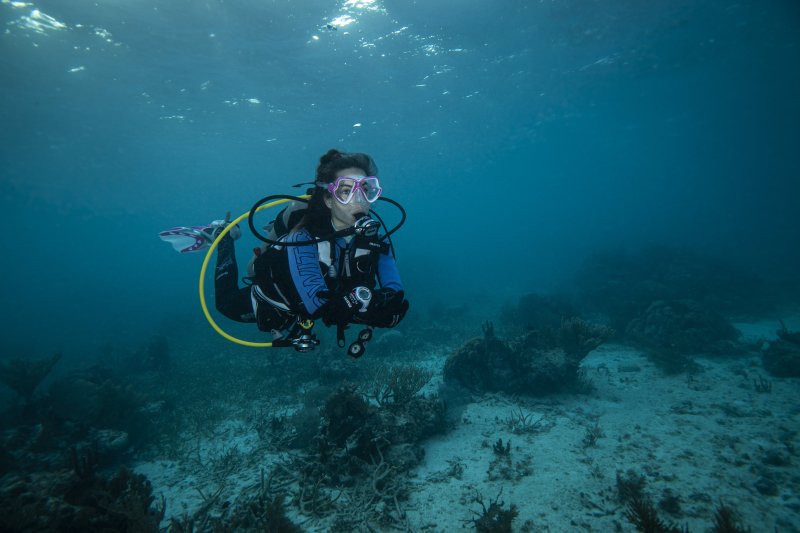
Encountering the biggest sea creatures in the ocean is an unforgettable privilege. However, divers should interact with these animals responsibly. Maintaining distance, avoiding sudden movements, and never attempting to touch marine life helps protect both divers and wildlife.
Education also plays an important role in conservation. The SSI Marine Ecology specialty teaches divers to better understand how large marine animals fit into complex ocean ecosystems. Learning more about the behavior and habitats of the biggest sea creatures not only improves dive experiences but also helps divers become stronger advocates for ocean protection.
The more we understand these incredible animals, the more we realize that their survival depends on healthy oceans. By diving responsibly and continuing to learn about marine ecosystems, we can help ensure that future generations will also have the chance to encounter the awe-inspiring biggest sea creatures of our blue planet.
Continue your SSI ecology training, learn how to observe marine life responsibly, and speak with an SSI Professional before planning big-animal encounters. For travel planning, Scubago can also help divers explore destinations, wildlife encounters, and course booking options where they fit the trip.
Dive Deeper