Eco-Friendly Soap: What to Buy and Why it Matters
ecology
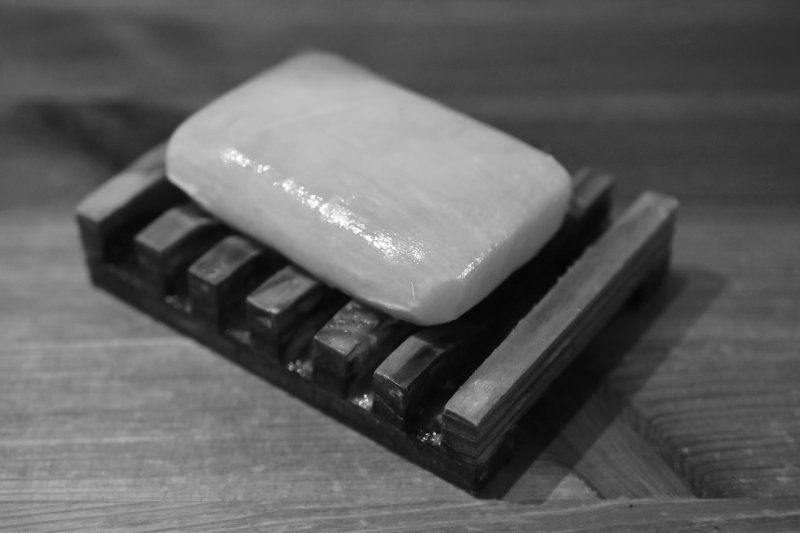
andreas-jabusch-unsplash
When we think of protecting our health, "antibacterial" soaps and cleaners often seem like the right choice. The term sounds safe, even responsible. Yet many of these everyday products contain chemicals that are harming aquatic life — and may even contribute to antibiotic resistance.
At first glance, the risk might seem small. But what goes down our drains does not just disappear — it often ends up in rivers, lakes, and eventually, the ocean. Understanding the impact of these products and how to choose alternatives, such as eco-friendly soap and reef-safe sunscreen, is an important step toward protecting both human and marine health.
In this guide, we break down why antibacterial ingredients are harmful, how they can affect marine ecosystems, and what to use instead. You will also find practical tips, ingredient lists, and trusted eco-friendly soap brands (and other ocean-safe products) to help you make safer choices.
marlatomorug
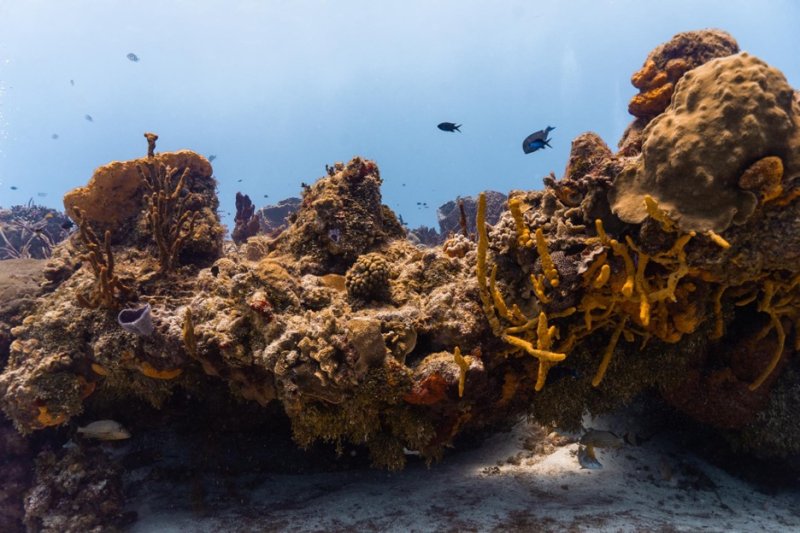
Healthy ocean ecosystems depend on clean water — even small pollutants can have big effects over time.
How Antibacterial Products Affect Marine Life
Antibacterial products may seem harmless, but many contain chemicals that linger in the environment and can affect marine ecosystems.
In 2016, the U.S. Food and Drug Administration banned two common antibacterial agents — Triclosan and Triclocarban — from consumer soaps after studies linked them to hormonal disruption, antibiotic resistance, and aquatic toxicity.
However, rather than removing antibacterial additives altogether, manufacturers substituted them with a different compound: Benzalkonium Chloride (BAC). This quaternary ammonium compound, or "quat," is widely used as a disinfectant in hospitals, cleaning sprays, and hand soaps.
While BAC is effective at killing bacteria, it is unnecessary for everyday household use — and evidence shows it can cause significant environmental harm.
fotolia
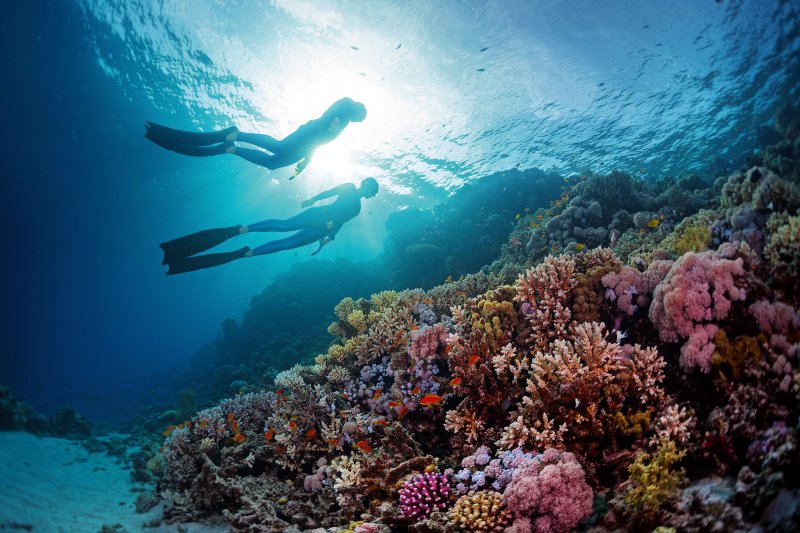
What we rinse down our sinks eventually reaches the ocean, where even small amounts of chemicals can build up over time.
Regular soap already works by breaking down oils and dirt, allowing bacteria and viruses to be rinsed away. According to public health experts, adding antibacterial agents like BAC does not make soap more effective for general handwashing.
The Centers for Disease Control and Prevention (CDC) recommends plain soap and water for everyday hygiene. Antibacterial ingredients are only needed in medical or industrial settings where sterilization is critical.
READ MORE: How One Dive Center Had a Big Impact on Lionfish and Community
Every time antibacterial products are used, trace amounts of BAC enter wastewater systems. Because most treatment plants are not designed to remove such chemicals, BAC residues persist and eventually reach natural water bodies.
Scientific studies have shown that BAC is toxic to aquatic organisms even at low concentrations. It damages cell membranes, disrupts growth and reproduction in algae and invertebrates, and alters microbial communities that are vital to healthy ecosystems.
Once in the environment, BAC tends to bind to sediments, where it can remain active for long periodsand affect benthic (bottom-dwelling) species. Over time, this contributes to reduced biodiversity and imbalances in aquatic habitats.
While the specific effects of BAC on coral reefs have not been directly studied, its persistence and toxicity to marine life indicate that it poses a potential risk to coastal and reef ecosystems.
The environmental impacts are only part of the picture — antibacterial additives can also affect the people using them. BAC exposure can cause skin and respiratory irritation, particularly with frequent use or in people with sensitivities. More concerningly, studies suggest that overuse of disinfectants containing BAC may contribute to the rise of antibiotic-resistant bacteria.
Research has shown that bacteria exposed to BAC can develop cross-resistance to multiple antibiotics. In other words, constant low-level exposure in homes and public spaces may be making certain microbes harder to treat medically.
Although more research is needed to fully understand the long-term impacts, health agencies agree that limiting unnecessary exposure is a safe and sensible approach.
Need some inspiration? Check out: Never Too Late: 5 Brilliant Technologies That Clean the Ocean

mares
Small choices at home and when we travel, like choosing eco-friendly soap, help keep beaches and oceans clean for everyone.
What You Can Do
Protecting yourself does not have to come at the expense of the environment. Here are a few easy ways to make a difference:
- Read product labels.
Avoid soaps, sanitizers, and cleaners listing Benzalkonium Chloride, Triclosan, or Triclocarban among their ingredients.
- Choose biodegradable, eco-friendly soaps.
Look for plant-based, eco-friendly soap or those certified as environmentally friendly. They clean just as effectively without leaving toxic residues.
- Reserve antibacterial products for healthcare use.
In most households, eco-friendly soap and water are enough to stay clean and healthy.
- Support sustainable and ocean-safe brands.
Purchase from companies that are transparent about their ingredients and committed to responsible formulations.
- Spread awareness.
Share this article with your community. Many people do not realize that "antibacterial" does not always mean "better." Sharing information helps shift consumer demand toward safer choices.
What to Look For in Personal Hygiene Products:
When choosing eco-friendly soap or personal care products, focus on ingredients and packaging that minimize long-term environmental impact.
- Formulas that use non-nano zinc oxide or titanium dioxide instead of chemical UV filters.
- Transparent labeling of ingredients and avoidance of known harmful chemicals (e.g., oxybenzone, octinoxate) for marine life.
- Biodegradable formulations and packaging practices that help reduce marine impact.

predragvuckovic
More divers are choosing ocean-safe products to help protect the environments they love to explore.
Top Eco-Friendly Soap & Ocean-Safe Brands
Switching to eco-friendly soap and ocean-safe products does not mean sacrificing performance — today's sustainable brands clean just as effectively while protecting the places we love to dive. These brands avoid harmful antibacterial additives and use biodegradable, marine-safe ingredients that break down naturally in the environment.
Stream2Sea — Known for reef-safe sunscreens and body care.
Surf Soap — Hair and skincare handmade in Hawaii, vegan, plastic-free, and labelled ocean-safe and reef-safe.
Badger — Organic skincare and mineral-based, reef-safe sunscreen brand.
All Good — A reef-friendly brand offering body & sun-care with organic and cruelty-free credentials.
Get more recommendations in our Ultimate Guide to Reef-Safe Sunscreen
If you want your everyday choices to protect the ocean, switching to eco-friendly soap and other ocean-safe products is one of the simplest ways to start. But why stop there?
Join the SSI Blue Oceans movement to learn practical ways to reduce your environmental impact, access free sustainability resources, and become part of a global community committed to cleaner, healthier seas.
Take the next step → Become a Blue Oceans advocate today
- Bui, T. T., et al. (2023). Toxicological effects of benzalkonium chloride on aquatic environments.Environmental Toxicology and Pharmacology. ScienceDirect
- Chen, Z., et al. (2018). Benzalkonium chloride promotes antibiotic resistance in environmental bacteria.Environmental Pollution. PubMed
- Verywell Health. (2023). The Problem With Antibacterial Soap. verywellhealth.com