راهنمای ضروری غواصی با حبس نفس
freediving
predrag-vuckovic
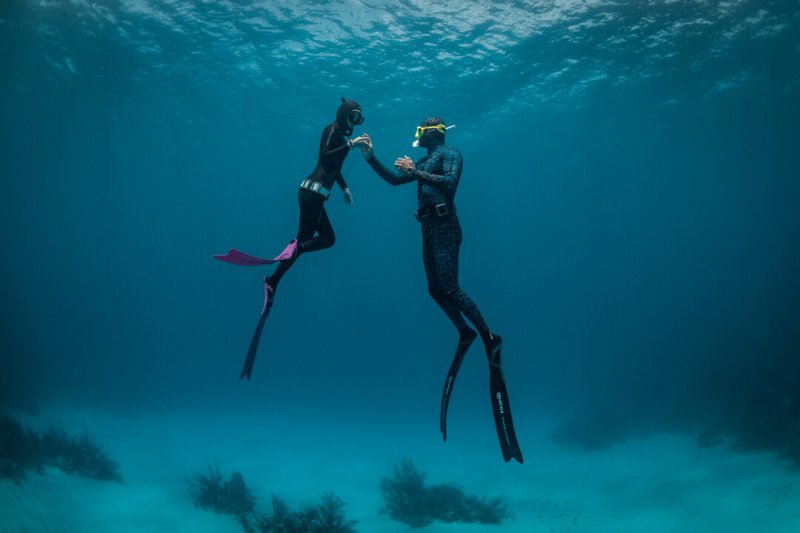
غواصی حبس نفس، که با نام غواصی آزاد نیز شناخته میشود، یکی از طبیعیترین و ارزشمندترین راهها برای کشف دنیای زیر آب است. به جای تکیه بر سیلندرها و تجهیزات سنگین غواصی، شما به توانایی خود در حبس نفس برای حرکت آرام در زیر سطح آب تکیه میکنید. برای مبتدیان، تصور شنا در آبهای آبی بدون منبع هوا ممکن است دلهرهآور به نظر برسد، اما با آموزش و طرز فکر مناسب، این کار به یک تجربه توانمندساز و مراقبه تبدیل میشود. این راهنما شما را با غواصی حبس نفس، نحوه شروع آن و مراحل ایجاد اعتماد به نفس و ایمنی در آب آشنا میکند.
فهرست مطالب:
-
غواصی حبس نفس چیست؟
-
غواصی سطحی در مقابل غواصی آزاد: تفاوتهای کلیدی
-
تکنیکهای ضروری غواصی حبس نفس برای مبتدیان
-
قوانین طلایی غواصی ایمن با حبس نفس
-
غلبه بر نگرانیهای رایج
-
تجهیزات ضروری غواصی آزاد برای مبتدیان
-
چرا غواصی حبس نفس حس خیلی خوبی دارد؟
-
سفر خود را با SSI آغاز کنید
در اصل، غواصی حبس نفس در مورد کاوش در زیر آب با یک نفس هوا است. برخلاف غواصی سطحی که عموماً شما را در سطح آب نگه میدارد، یا غواصی اسکوبا که از سیلندرهای هوا استفاده میکند، غواصی حبس نفس به شما این امکان را میدهد که با حداقل تجهیزات، خود را عمیقتر در اقیانوس غوطهور کنید.
گاهی اوقات به آن غواصی آزاد میگویند و اگرچه میتواند شامل غواصی تا اعماق چشمگیر باشد، مانند این رکوردهای باورنکردنی غواصی آزاد ، مبتدیان با غواصیهای کمعمق و آرامشبخش شروع میکنند تا صرفاً از زندگی دریایی اطراف خود لذت ببرند.
برای بسیاری از مردم، این جذابیت هم جسمی و هم روحی است. آرامش بینظیری در حرکت آرام زیر آب، ادغام شدن با محیط و تجربه اقیانوس به طبیعیترین شکل آن وجود دارد.
غواصان تازه کار اغلب غواصی سطحی را با غواصی حبس نفس اشتباه میگیرند. در حالی که هر دو فعالیت از ماسک، لوله تنفس و فین استفاده میکنند، تفاوت اصلی در عمق و هدف است. غواصی سطحی معمولاً محدود به شناور ماندن روی سطح آب است و گاهی اوقات به صورت اردکی در یک یا دو متر غواصی میکند.
غواصی حبس نفس ساختار یافتهتر است و به شما تکنیکهایی را آموزش میدهد تا با خیال راحت عمیقتر شیرجه بزنید، مدت بیشتری بمانید و با کنترل به سطح آب برگردید.
این تمایز مهم است زیرا غواصی حبس نفس شامل تنفس خاص برای غواصی آزاد و مهارتهای تعادل گوش است که فراتر از غواصی سطحی معمولی است. اگر از غواصی سطحی لذت میبرید و در مورد کاوش بیشتر کنجکاو هستید، برداشتن اولین قدم برای غواصی آزاد یک پیشرفت طبیعی است.
با آموزش صحیح، غواصی با حبس نفس آسانتر از آن چیزی است که فکر میکنید.
یکی از اولین مهارتهایی که در یک SSI آموزش داده میشود برنامه مقدماتی غواصی آزاد این است که چگونه بدن خود را آرام کنید و تنفس خود را قبل از غواصی کنترل کنید. به جای اینکه مقدار زیادی هوا را استنشاق کنید و با عجله به پایین بروید، یاد میگیرید که با آرامش نفس بکشید و از دم و بازدمهای آهسته و کنترل شده برای آمادهسازی بدن خود استفاده کنید.
با اجتناب از عجله و تنش در سطح آب، به ضربان قلب خود اجازه میدهید تا آرام شود و عضلات شما آرام بمانند - که هر دو برای حفظ اکسیژن در حین حبس نفس ضروری هستند.
متعادلسازی فشار یکی دیگر از تکنیکهای ضروری است. هنگام پایین آمدن، فشار روی گوشها و سینوسهای شما ایجاد میشود و متعادلسازی زودهنگام و اغلب به جلوگیری از ناراحتی کمک میکند. مبتدیان گاهی اوقات این مرحله را فراموش میکنند که میتواند غواصی را کوتاه کند.
با تسلط بر این اصول اولیه ابتدا در آبهای کمعمق، حافظه عضلانی و اعتماد به نفس لازم برای غواصیهای عمیقتر و طولانیتر ایمن، راحت و لذتبخشتر را ایجاد میکنید.
دنبال جای ایدهآلی برای شروع غواصی آزاد هستید؟ این مطلب را بخوانید: غواصی آزاد نزدیک من: چگونه بهترین نقاط غواصی محلی را پیدا کنیم
اشتباهات رایج مبتدیان در غواصی حبس نفس - و نحوه اجتناب از آنها
هر غواص تازه کاری اشتباه میکند، اما در غواصی حبس نفس، یادگیری زودهنگام عادات خوب، کلید پیشرفت و ایمنی است. یکی از رایجترین اشتباهات، تلاش بیش از حد - لگد زدن خیلی محکم یا حرکت خیلی سریع - است که اکسیژن را هدر میدهد و زمان غواصی را به میزان قابل توجهی کاهش میدهد.
یکی دیگر از اشتباهات رایج، فراموش کردن زود هنگام و مکرر متعادل کردن فشار است. صبر کردن تا زمانی که فشار به حد نامطلوبی برسد، میتواند غواصی را کوتاه کند و این تجربه را به جای لذتبخش، استرسزا کند.
برخی از مبتدیان قبل از اینکه از نظر جسمی یا روحی آماده باشند، سعی میکنند عمیقتر شیرجه بزنند. این میتواند منجر به خستگی، از دست دادن آرامش یا وحشت شود که همه اینها خطر را افزایش داده و یادگیری را محدود میکند.
کار کردن با یک مربی غواصی آزاد دارای گواهینامه SSI به شما کمک میکند تا از این مشکلات به طور کلی اجتناب کنید. آموزش هدایتشده به شما این امکان را میدهد که به تدریج در یک محیط کنترلشده، با بازخورد متخصص که از پیشرفت ایمن و مطمئن پشتیبانی میکند، مهارتهای خود را بسازید.
fotolila
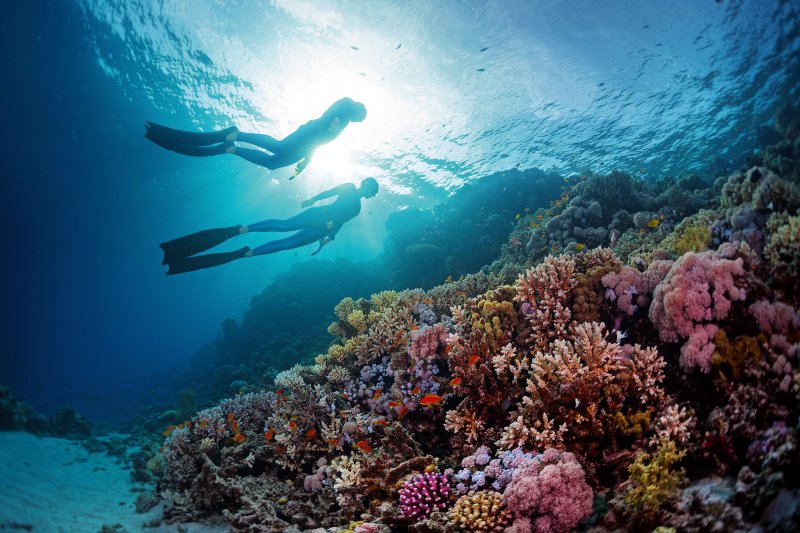
غواصان آزاد، اقیانوس را بیصدا کاوش میکنند و در هماهنگی با محیط زیر آب حرکت میکنند.
مهمترین قانون غواصی حبس نفس این است که هرگز به تنهایی غواصی نکنید. داشتن یک همراه غیرقابل مذاکره است، زیرا حتی غواصیهای کمعمق نیز خطراتی مانند بیهوشی در آب کمعمق را به همراه دارند. یک همراه آموزشدیده شما را زیر نظر دارد و شما نیز همین کار را برای او انجام میدهید و یک سیستم ایمنی متقابل ایجاد میکنید.
مبتدیان همچنین باید به یاد داشته باشند که به تدریج پیشرفت کنند و به مرور زمان یک یا دو متر به مسافت خود اضافه کنند، نه اینکه خیلی سریع از محدودیتها عبور کنند. ایمنی چیزی است که به شما امکان میدهد مهارتهای پایدار در این ورزش ایجاد کنید.
یادگیری تکنیکهای نجات و پروتکلهای مناسب سطح، بخشی از هر دوره غواصی آزاد SSI است و به شما اعتماد به نفس میدهد تا از غواصیهای خود مسئولانه لذت ببرید.
طبیعی است که هنگام شروع غواصی عصبی باشید. بسیاری از مبتدیان نگران تمام شدن هوا هستند، اما با تمرین، متوجه میشوید که با حفظ آرامش میتوانید به راحتی و با آرامش، مدت زمان بیشتری از آنچه فکر میکنید غواصی کنید.
فشار گوش یکی دیگر از نگرانیهای رایج است، به همین دلیل است که از ابتدا بر متعادلسازی تأکید میشود. اضطراب در مورد بودن در زیر آب نیز میتواند بروز کند، به خصوص اگر به تنفس از طریق لوله تنفسی در سطح عادت داشته باشید.
به آرامی تمرین کنید، پیروزیهای کوچک را جشن بگیرید و به بدن خود اعتماد کنید. غواصی حبس نفس کمتر در مورد "فشار آوردن" و بیشتر در مورد یافتن آرامش و اعتماد به نفس در زیر آب است.
Fred_Buyle
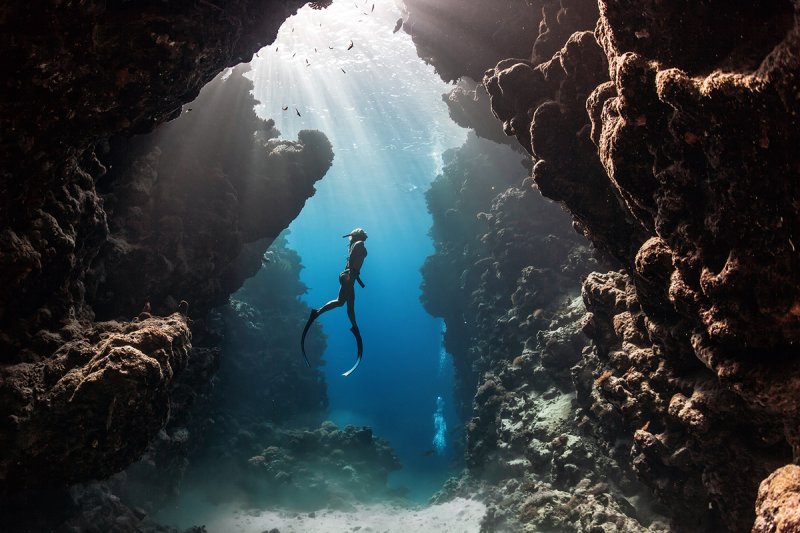
غواصی ایمن با حبس نفس همیشه شامل یک همراه آموزش دیده و پیشرفت کنترل شده است.
برای شروع غواصی حبس نفس به کوهی از تجهیزات نیاز ندارید، اما داشتن اصول اولیه مناسب تفاوت بزرگی ایجاد میکند. یک ماسک با حجم کم، هوای مورد نیاز برای متعادلسازی فشار را کاهش میدهد، فینهای بلند غواصی آزاد، نیروی محرکه کارآمدی را فراهم میکنند و یک لباس غواصی شما را گرم نگه میدارد و در عین حال به شناوری شما کمک میکند.
یک لوله تنفس ساده به شما این امکان را میدهد که بین غوصها روی سطح آب استراحت کنید. بسیاری از غواصان همچنین از کمربند وزنه برای تنظیم دقیق شناوری استفاده میکنند، اما این کار بهتر است زیر نظر مربی آموخته شود. مربیان SSI میتوانند قبل از خرید، شما را در امتحان کردن تجهیزات راهنمایی کنند و مطمئن شوند که به خوبی متناسب با اهداف غواصی شما هستند.
میخواهید در مورد تجهیزات غواصی آزاد اطلاعات کسب کنید؟ این راهنماهای SSI را بررسی کنید:
چیزی که غواصی حبس نفس را از بسیاری از ورزشهای آبی دیگر متمایز میکند، آرامشی است که به طور طبیعی ایجاد میکند. این تجربه بدون حباب، سر و صدا یا شتاب، شما را تشویق میکند که سرعت خود را کم کنید و کاملاً در لحظه حضور داشته باشید. همانطور که نفس خود را زیر آب حبس میکنید، حرکات نرمتر، تمرکز محدودتر و دنیای بیرون محو میشود.
بسیاری از غواصان این حس را به عنوان نوعی مراقبه در حال حرکت توصیف میکنند، جایی که تنش از بین میرود و توجه به لحظه حال معطوف میشود. این حس آسودگی اغلب فراتر از آب میرود و آرامش، تمرکز و تعادل عاطفی را در زندگی روزمره پشتیبانی میکند.
برای مبتدیان، کشف این جنبهی نیروبخش غواصی حبس نفس میتواند به سرعت تجربه را از حالت عصبی به لذت تغییر دهد.
AdobeStock-aetb
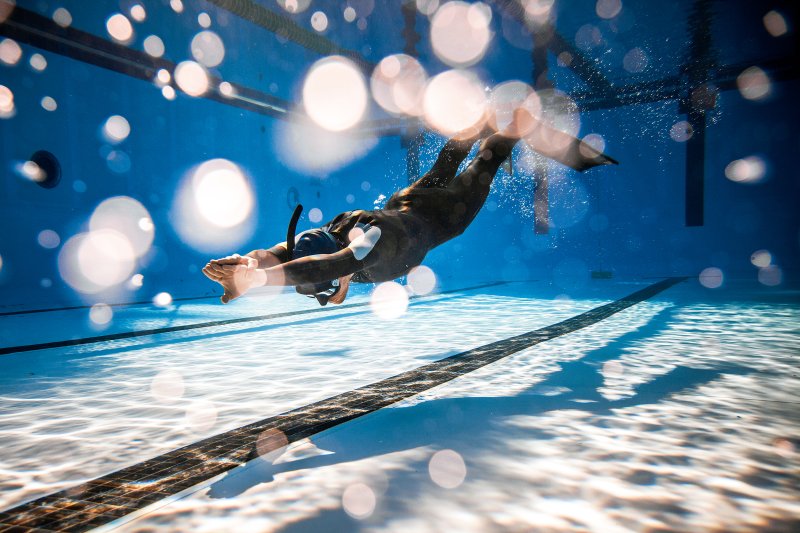
جلسات استخر به غواصان آزاد تازه کار کمک میکند تا اعتماد به نفس، آرامش و عادات تنفس صحیح را در خود ایجاد کنند.
اگر آماده شروع هستید، SSI مسیری روشن و حمایتی را برای غواصی با حبس نفس ارائه میدهد. برنامه غواصی آزاد پایه SSI تکنیکهای ایمن و کمعمق را معرفی میکند، در حالی که برنامه غواصی آزاد SSI شما را به اعماق عمیقتر میبرد.
با پیشرفت، میتوانید دورههای پیشرفته غواصی آزاد را که بر تکنیک، عمق و حتی جنبههای رقابتی تمرکز دارند، بررسی کنید. هر دوره بر ایمنی، سیستمهای همراهی و پیشرفت تدریجی تأکید دارد، بنابراین هرگز احساس عجله نخواهید کرد.
پیدا کردن مکان مناسب - و مربی مناسب - برای شروع
انتخاب محل یادگیری به اندازه خود تکنیکها مهم است. مبتدیان اغلب از آبهای آرام و شفاف مانند دریاچهها یا خلیجهای سرپوشیده که در آنها دید خوب است و عوامل حواسپرتی حداقل است، سود میبرند.
یک مرکز آموزشی SSI میتواند به شما در شناسایی مکانهای آموزشی مناسب کمک کند و شما را با مربیان دارای گواهینامه که شرایط محلی را درک میکنند، مرتبط سازد. مکانیاب مرکز SSI، یافتن مربیان و مکانهای آموزشی مورد اعتماد در سراسر جهان را آسان میکند - چه از نزدیک خانه شروع کنید و چه قصد یادگیری در سفر را داشته باشید.
یک مرکز آموزشی SSI در نزدیکی خود پیدا کنید
این مقاله به صورت خودکار ترجمه شده است و ممکن است حاوی اشتباهات جزئی باشد؛ در صورت هرگونه شک و تردید، لطفاً به نسخه اصلی انگلیسی مراجعه کنید.