Diving in the Arctic and Antarctic: Where to Go and What to Expect
scuba divingtravel & tours
Adam-Moore
Diving at the ends of the Earth is unlike anything else in the
underwater world. From surreal ice formations to encounters with penguins and
seals, diving in the Arctic and Antarctic offers breathtaking experiences in
some of the planet's most remote and pristine environments. Though challenging
and logistically complex, polar diving is becoming increasingly accessible
through expedition liveaboards and guided dives. This article explores what
makes diving in the Arctic and Antarctic so unique, where to go, and what you
need to know before taking the plunge.
Whether you are diving beside ice in the Arctic or exploring a volcanic
caldera in the Antarctic, polar diving immerses you in a silent, frozen world
of striking beauty. Icebergs shimmer with blue hues, light dances in the water
like a kaleidoscope, and the visibility can be phenomenal. The extreme cold,
however, adds layers of difficulty: you will need to be drysuit-certified,
physically fit, and mentally prepared for diving in harsh and unpredictable
conditions.
Diving in the Arctic offers a chance to explore a variety of underwater
landscapes: from ice diving under frozen fjords to kelp forests teeming with
life and even the occasional wreck dive. The Arctic Ocean is surrounded by
continents, meaning Arctic dive destinations are often more accessible from
Europe or North America than the Antarctic. Both land-based diving and Arctic
liveaboards are available. While conditions vary, most diving in
the Arctic occurs between June and September, when waters are navigable and
temperatures are slightly less extreme.
Norway
offers exceptional Arctic diving both on its northern mainland and in the
remote Svalbard archipelago. In the Lofoten
Islands and Tromsø, divers can explore cold, clear waters
filled with kelp forests, Arctic fish, and marine life, while winter also
brings the unique chance to snorkel with
orcas. These regions are above the Arctic Circle but
accessible, with dive centers offering guided trips. If you visit in winter,
make sure you pack a pair of ice cleats for exploring and merino baselayers for
under your drysuit.
For a more extreme experience, Svalbard (Spitsbergen) delivers Arctic liveaboard
diving with iceberg walls, underwater ice formations, seals, Arctic fish, and
topside encounters with polar bears.
Want to go snorkeling with orcas
in the Arctic? Check out Orcas
and Aurora.
While
Alaska is often associated with the Arctic, most of its diveable locations —
such as around Anchorage,
Seward, North
Pole, and Juneau —
lie south of the Arctic Circle
and are considered cold-water diving, not true polar
diving. That said, Alaska offers dramatic underwater landscapes, including
towering kelp forests, wolf
eels, anemones, nudibranchs,
and the occasional harbor seal or sea
lion.
Diving
north of the Arctic Circle in
Alaska — in places like Utqiaġvik
(Barrow), Prudhoe Bay, or
Kotzebue —
is extremely rare and typically
undertaken only by scientific teams or highly specialized expedition divers.
These dives are often conducted under solid ice, in remote and logistically
demanding environments.
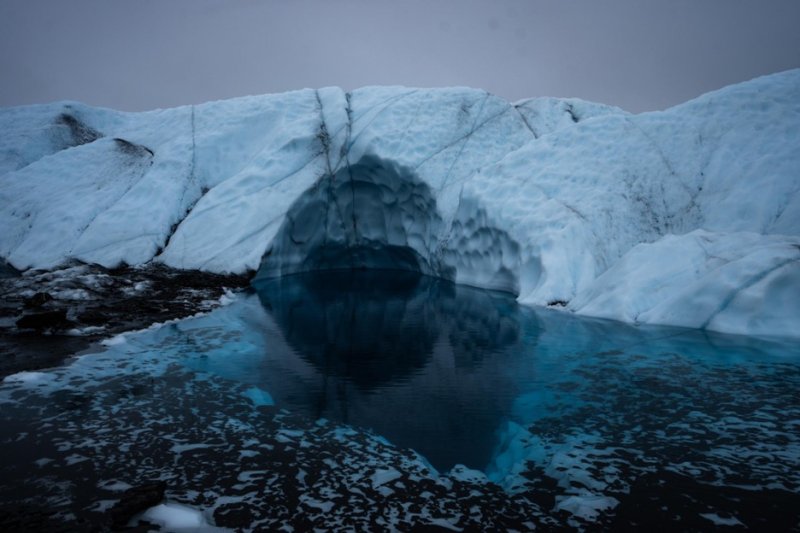
READ MORE: SSI
x Edges of Earth: We Went Glacier Diving in Alaska
Diving
in Northern Canada is
not recreational in the traditional sense — instead, it is the realm of
scientific and expedition teams operating in some of the most extreme dive
conditions on Earth. In locations like Resolute Bay or Cambridge Bay, divers
work beneath solid sea ice or in Arctic fjords and polynyas (areas of open
water surrounded by ice), studying delicate ecosystems shaped by extreme cold.
Visibility
beneath the ice can be extraordinary, revealing surreal light patterns, sea
anemones, jellyfish, and Arctic cod. The sheer isolation and raw beauty of
these dives make them some of the most extraordinary — and least accessible —
in the world.
FIND
OUT MORE: Discover
The Best Cold-Water Scuba Diving in Canada
Though technically sub-Arctic, Iceland is often included in Arctic
diving discussions due to its proximity and cold-water environment. The Silfra
Fissure, located between the North American and Eurasian
tectonic plates, offers exceptional visibility (up to 100 meters) and
otherworldly scenery.
While not true diving in the Arctic, Silfra is one of the most popular cold-water
dive sites in the world and a good starting point for divers considering polar diving.
Greenland’s underwater world is filled with towering icebergs, stunning
visibility, and rugged terrain. Diving in the Arctic off Greenland often takes
place near icebergs rather than beneath solid pack ice, with towering
formations and meltwater-sculpted walls.
Greenland’s waters are home to sea anemones, fish like the Arctic char,
and abundant plankton. Most diving happens from Greenland liveaboards and
zodiacs, and each dive site is truly one-of-a-kind.
Get a visual on how stunning Greenland is: Ice
Diving At Its Best In The East Of Greenland
Antarctica is the most remote and pristine dive destination on Earth.
Diving here means descending into a world of surreal ice architecture, and a
rich ecosystem home to spider crabs, dogfish, soft corals, penguins, seals,
and whales.
The water temperature hovers around -1.8°C (28.8°F), and the conditions
can be extremely challenging. Unlike the Arctic, Antarctica is a continent
surrounded by ocean, and most diving is done from Antarctic
liveaboards that usually depart from Ushuaia, Argentina.
The most accessible part of the continent, the Antarctic Peninsula
features towering icebergs, clear water, and a wide variety of dive sites.
Diving here is often conducted off the East Antarctic Peninsula as the waters
are more protected and calmer.
The landscapes may include ice walls, shallow bays, and even the remains
of old whaling stations. Wildlife encounters are a major highlight, with
penguins, Weddell seals, and occasionally humpback whales or orcas.
A flooded volcanic caldera, Deception Island has geothermal activity,
which slightly warms the water in some areas, though dive temperatures remain
cold. Divers can explore black sand bottoms, twisted kelp, and remains from the
island’s whaling history. Above water, the island’s dramatic landscape is
equally fascinating.
Popular stops on diving itineraries, these islands offer icy underwater
landscapes and close encounters with marine life, including sea cucumbers and
giant worms up to 8 feet long. Expect to see Gentoo penguins and ice formations
shaped by centuries of melt and freeze cycles. The diving is relatively shallow
but unforgettable in its clarity and beauty.
RELATED: Your
Guide to Ice Diving: Why it is Worth Getting Cold For
There are several key differences between diving in the Arctic and the
Antarctic:
- Geography:
The Arctic is an ocean surrounded by continents, while Antarctica is a
continent surrounded by ocean.
- Marine Life: The Arctic tends to have more coastal marine life, while the Antarctic is home to a unique and highly specialized ecosystem, including vast krill populations and cold-adapted fish like icefish and Antarctic toothfish.
- Accessibility: Arctic dive destinations are generally easier to access from Europe and North America, whereas diving in the Antarctic requires longer expeditions typically departing from South America.
- Ice Diving: Both regions offer ice diving opportunities, but the Antarctic is colder and often more extreme.
- Visibility: Visibility is often excellent in both regions.
- Wildlife Encounters: Arctic divers may see walruses, belugas, and narwhals above the surface, while Antarctic divers experience close encounters with penguins, seals, and whales.
Diving in the Arctic or Antarctic is not for beginners. You will need to
be an Advanced
Open Water Diver with a Drysuit
Diving certification and experience in cold water (usually a
minimum of 30 logged cold-water dives). “Cold water” usually refers to below
10°C (50°F), ideally closer to 0–4°C (32–39°F).
Strong buoyancy
control, physical fitness, and the ability to stay calm under
pressure are essential. Many operators require medical clearance and comprehensive
diving
insurance due to the remoteness of polar locations.
Most
diving in the Arctic and Antarctic does not require prior ice diving
certification, even if dives are near or under floating ice. If you are joining
an ice diving trip
where you will be diving beneath a sealed ice sheet with a single entry/exit
hole, then prior ice diver certification and
experience are often required.
These are true overhead dives and involve
additional safety protocols like tether lines, surface tenders, and emergency
drills.
LEARN MORE: Tips
and Tricks to Enjoy Cold Water Diving
Drysuit diving is mandatory, and equipment must be rated for
near-freezing temperatures. This includes thick gloves, a 12 mm hood, and
backup air sources like pony bottles or redundant systems. Some expeditions use
surface-supplied air or rebreathers for added safety and dive time.
Hypothermia, equipment failure, and emergency evacuation are real risks, so
divers must follow all safety protocols closely.
- Arctic: June to
September
- Antarctic: November to March
These are the summer months in each region, when conditions are most
favorable for travel and diving.
Both polar regions are ecologically fragile. Divers must adhere to
strict no-touch, no-disturb policies and follow the guidelines set by the International
Association of Antarctica Tour Operators (IAATO) or the
Association
of Arctic Expedition Cruise Operators (AECO). Only
responsible, eco-certified operators should be used.
Diving in the Arctic and Antarctic is one of the most
awe-inspiring experiences a diver can have. From the silence beneath the ice to
the unexpected closeness of marine life, these dives offer moments that are
both humbling and exhilarating.
Beyond the polar extremes, places like northern
Norway, Greenland, and Alaska offer accessible, rewarding cold-water dives that
bring you face-to-face with stunning underwater worlds. With the right training
and support, cold-water diving opens up a whole new world of adventure.
Find your nearest SSI Training
Center and start preparing for your next cold-water dive.