Cold, Murky, Boring? Why Freshwater Diving Hooks You for Life
scuba divingfreediving
Scuba diving, whether as a hobby, sport, or career, is most often thought of in the most pristine of places. We imagine breathing underwater in the likes of the Kona, Crete, and the Great Barrier Reef, surrounded by the thrill of giant predators and vibrant coral reefs.
Yet for the majority of the world's population, this is not accessible in their backyard. For many, diving is something you only do on a trip, but what I have learned over the years is that scuba diving is accessible to far more people than we realize.
Lakes, flooded rock quarries, abandoned mines, and other manmade cave systems all hold the potential for the joys of scuba. Even when I was sure there was no outlet for diving in a place I was visiting or living, the persistence of divers to find a place always surprised me.
If you are living in a colder or non-coastal place, here are some of the reasons (and a bit of advice) as to why you should get out there and try freshwater diving wherever you can.
Table of Contents:
-
Why Go Freshwater Diving?
-
Debunking Freshwater Diving Myths
-
You Will Meet Passionate, Resilient People
-
Ready to Experience Freshwater Diving for Yourself?
Freshwater diving is not for everyone; it comes with colder temperatures, lower visibility, and less wildlife than a saltwater coast can offer. There are times when smaller lakes are not open for diving because someone kicked up too much sediment, and there are times when it can feel like there is little to see.
On the other hand, the unique conditions of freshwater diving are both opportunities for learning and lessons in appreciation. A smaller body of water where you can always see the land can feel safer and more comfortable for learners.
Learning to bear the cold can make future, warmer dives all the more enjoyable, and you will learn about more types of gear in the process. I truly believe that lake diving as a whole gets an unfair reputation.
Every site has something special to offer, and this unique type of diving prepares you to be skilled and safer at all types of dive sites.
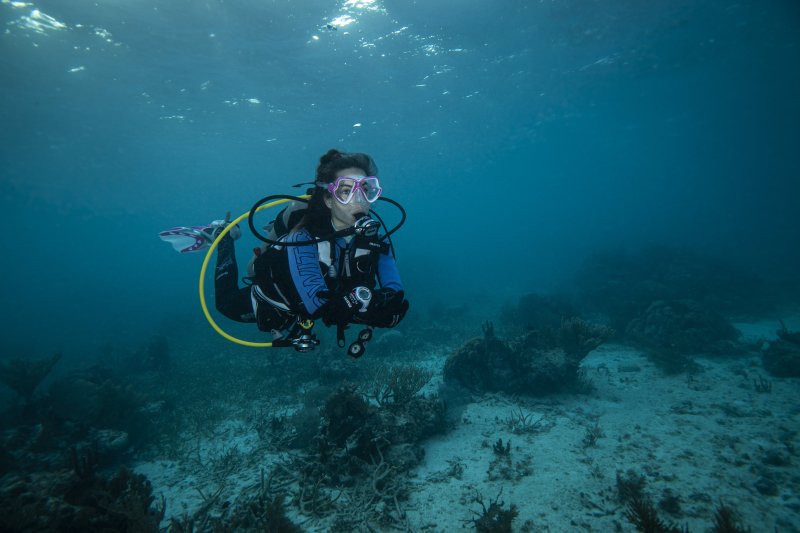
predrag_vuckovic
Freshwater dive sites offer accessible experiences that build confidence and adaptability.
While there is less biodiversity in isolated freshwater systems than in the open ocean, there is still plenty to see when you go freshwater diving. In lakes, you can swim with giant catfish, play in the sand with crayfish, and witness the daily lives of species like carp and walleye.
You have the chance to enjoy the unique fish and plant life in colder, calmer waters. By beginning with a smaller number of species, new divers can begin their journey of fish identification and build upon it in future saltwater dives.
I have a vivid memory of Lake Wazee, the deepest lake in the state of Wisconsin, at 355 feet, or nearly 110 meters. We were out on a calm dive in not the best visibility, tempting us to lose interest. These are the moments where we might question why we brave the temperatures to breathe in a place unnatural to us.
But just as I was feeling restless, we came up to a gorgeous forest of seagrass. Impossible to see their roots, we swam through the top edges; a little stroll through the forest, before finding ourselves face-to-face with a group of paddlefish on the other side of the greenery.
We later found magnificent, strange creatures on a night dive, and it became a memory I cherish more than all of the reefs I have been to.
GET INSPIRED: Explore Europe—7 Top Places to Go Lake and Quarry Diving
Cold is often the first concern people raise—but in practice, it is far more manageable than many expect, especially when you focus on preparation rather than endurance.
While we cannot control water temperature, we can control how prepared we are. If you are new to freshwater diving, overprepare:
- Use appropriate exposure protection
- Plan conservatively
- Dive with buddies who understand your concerns.
From there, you can adjust as you gain experience and learn how your body responds.
Thermoclines are a good example. In cold lakes, they are not just an inconvenience to push through—they are natural moments to pause and check in. Depending on experience, equipment, and how each diver feels that day, a thermocline becomes a decision point: continue deeper, stay where you are, or change the plan.
On my last dive of the season in Kuklwitzersee outside of Leipzig, Germany, I was surprised that I was the one who needed to call the dive and ascend above the thermocline. Chasing the large catfish that usually stay deeper simply did not feel right that day. My buddy understood immediately, and we still had a fantastic dive.
That is the real reassurance: in freshwater diving, comfort and safety always come first. You can turn back, adjust the plan, or change depth—and still have a rewarding dive.
Programs like the SSI Drysuit Diving specialty help you develop the skills and confidence needed to stay warm, comfortable, and in control in cold freshwater environments.
Ready to explore your backyard? Get the essentials: 8 Top Ways to Make Shore Diving Easy
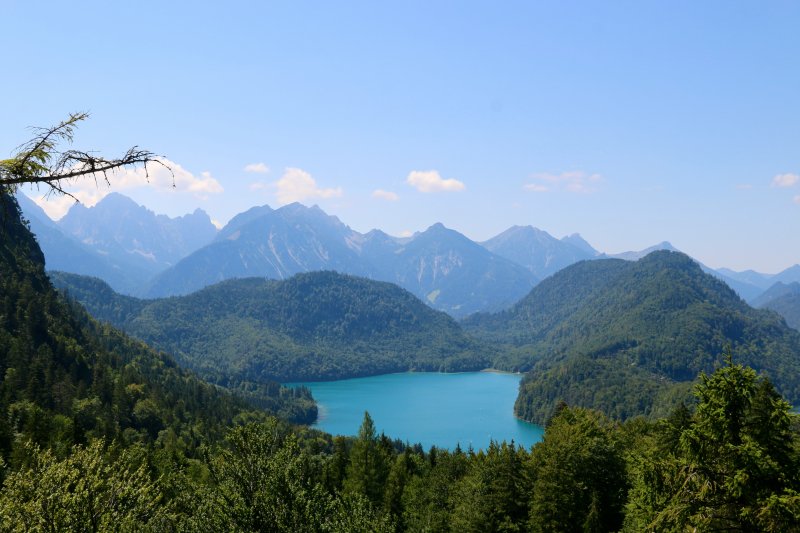
polina-koroleva-unsplash
Lakes like Kuklwitzersee offer unique freshwater diving experiences.
In my experience, freshwater divers are some of the most genuine, knowledgeable buddies I have ever been scuba diving with. There is a certain openness to them, and an ever-present optimism even after the dives where we did not see too much, but still enjoyed a safe, curious 45 minutes of underwater exploration.
There is also a certain quirkiness about people who make a hobby out of an activity that most of their friends do not know is possible where they live.
I have also thought about how much of this has to do with the ritual of preparing for freshwater diving. These sites are where the wetsuits are the thickest, and the need for boots, gloves, and hoods is often essential.
Your approach to weights changes based on the water type as well as how much you are wearing. Everyone is there to help each other, including when bending an arm or a leg is a lot more restricted.
And once you are suited up on a sunny day, that cold water feels like a dream. Kitted up and stepping into the water, there is a moment of quiet anticipation before descending into some of the most underrated—and strikingly beautiful—dive sites on Earth.
Contact your nearest SSI Training Center to find local dive sites, connect with experienced instructors, and discover what freshwater diving can offer.
Written by Matt Brooks
Matt Brooks is a Stress & Rescue Diver chasing an obsession with sharks. Outside of diving, Matt is a poet, musician, and event producer. Say hi on Instagram.