What is the Role of Artificial Reefs in Marine Conservation?
ecology
0 views - 0 viewers (visible to dev)

marlatomorug
As scuba divers, we are naturally drawn to the ocean's reefs and the life they support, but many natural reef systems around the world are under significant stress. Overfishing, climate change, and ocean pollution all take their toll on coral ecosystems that once seemed indestructible. Artificial reefs have emerged as one way to protect these fragile ecosystems, support marine life, and create meaningful dive experiences that benefit both the ocean and coastal communities.
This guide explains what artificial reefs are, why they matter for marine conservation, and how divers can engage with these projects responsibly.
In This Article
- How Artificial Reefs Support Marine Conservation
- What Are Artificial Reefs—and Why They Exist
- How Artificial Reefs Are Created
- Why Artificial Reefs Matter for Marine Biodiversity
- How Artificial Reefs Help Protect Natural Reefs
- How Artificial Reefs Support Communities and Eco-Tourism
- The Challenges and Controversies Around Artificial Reefs
- How Divers Can Support Responsible Artificial Reef Projects
- Artificial Reefs and the Future of Ocean Conservation
How Artificial Reefs Support Marine Conservation
Artificial reefs play a growing role in protecting ocean ecosystems by creating new habitats, supporting marine life, and easing pressure on vulnerable natural reefs—while offering divers meaningful places to explore.

shutterstock_Rostislav-Ageev
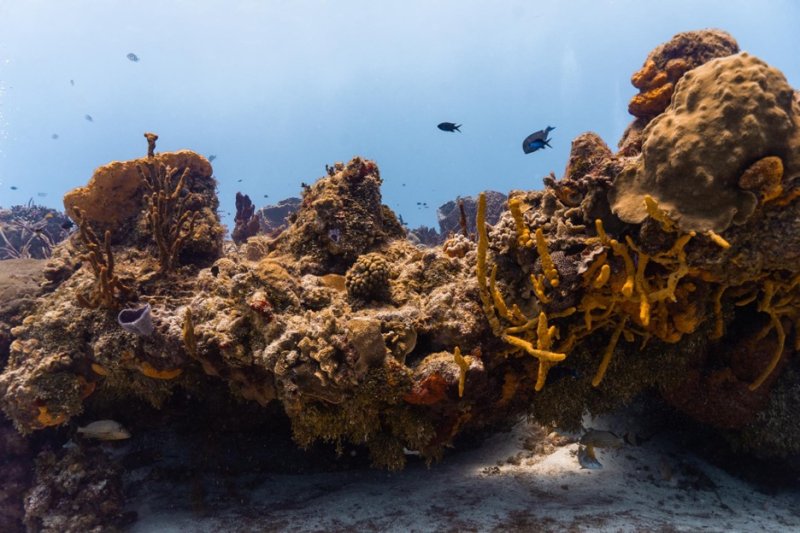
Artificial reefs create new underwater habitats that support marine life and help relieve pressure on natural reefs.
1. What Are Artificial Reefs—and Why They Exist
Artificial reefs are man-made structures that are intentionally placed underwater to create habitat for marine life. Over time, these structures provide shelter, surfaces for coral growth, and complex environments that attract fish and invertebrates.
They exist because many natural reef systems are under increasing pressure from climate change, overfishing, coastal development, and pollution. By introducing new hard structures into areas where habitat has been lost or is limited, artificial reefs help expand living space for marine organisms and reduce pressure on fragile natural reefs.
Artificial reefs can take many forms, including:
- Purpose-sunk ships and boats
- Decommissioned oil and gas platforms
- Concrete modules and reef balls
- Large-scale underwater sculptures
Once submerged, these structures are quickly colonized by algae, corals, sponges, and other organisms. Over time, they develop into functioning reef ecosystems that support marine life while playing a complementary role alongside natural reefs.
EXPLORE MORE: Love Corals? 10 Scuba Diving Destinations You Must See
2. How Artificial Reefs Are Created
Responsible artificial reef projects begin long before anything enters the water. Structures are carefully cleaned, stripped of pollutants, and prepared to ensure they are safe for the marine environment. Placement is planned to avoid damaging existing habitats and to maximize ecological benefit.
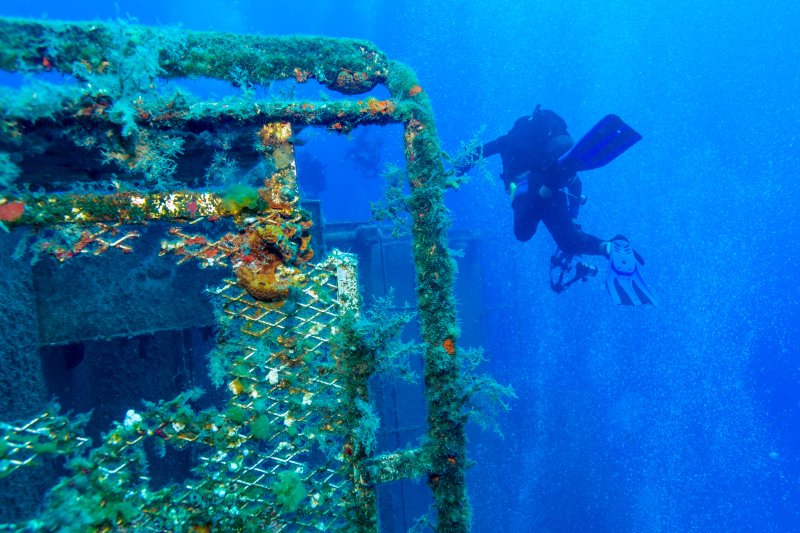
One of the most well-known examples is the USS Oriskany, an aircraft carrier intentionally sunk off Florida in 2006. Now covered in marine growth, it supports diverse sea life and has become a world-famous dive site.
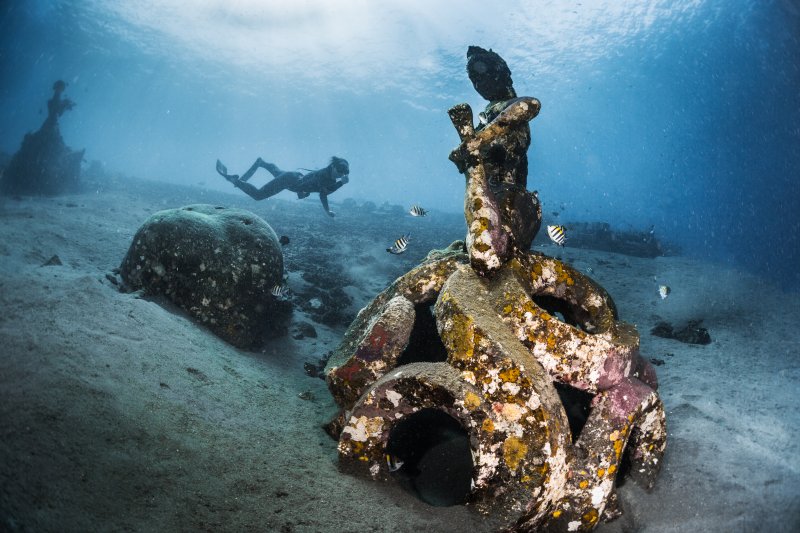
Another iconic project is MUSA (Museo Subacuático de Arte) in Cancún, Mexico. This underwater museum features hundreds of sculptures designed to encourage coral settlement while diverting divers away from nearby natural reefs.
Historic shipwrecks, such as those found off the coast of North Carolina, also function as artificial reefs, evolving into thriving ecosystems over decades.
GET INSPIRED: Simple Ways to Help Save the Oceans (That Actually Work)

iStock-mihtiander
The underwater sculptures at MUSA in Cancún were designed to promote coral growth while diverting divers away from nearby natural reefs.
3. Why Artificial Reefs Matter for Marine Biodiversity
Artificial reefs increase biodiversity by creating new habitats where little structure previously existed. Fish, crustaceans, and mollusks use these reefs for shelter and breeding, while corals and other sessile organisms attach and grow on hard surfaces.
These sites often become ecological hotspots, supporting food chains that include both small reef species and larger predators. While artificial reefs do not replace natural reefs, they play an important supporting role by expanding available habitat and reducing pressure on fragile ecosystems.
For scuba divers, this often translates into rich marine encounters, from schools of fish to macro life and, in some locations, larger pelagic species.

iStock-Extreme-Photographer
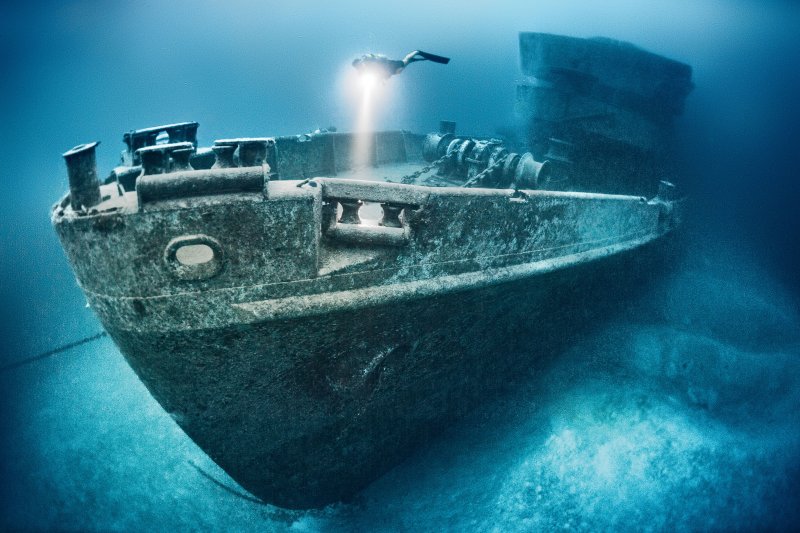
The USS Kittiwake has become a thriving artificial reef and a popular dive site in the Cayman Islands.
4. How Artificial Reefs Help Protect Natural Reefs
Artificial reefs are frequently used as tools for habitat restoration. In some regions, they help stabilize seabeds, reduce erosion, or serve as foundations for coral restoration projects.
By creating alternative dive and fishing sites, artificial reefs can also reduce human impact on vulnerable natural reefs. When divers and fishers have additional areas to explore, stressed coral ecosystems are given valuable time and space to recover.
Diving on artificial reefs allows divers to witness conservation strategies in action, combining exploration with education and awareness.
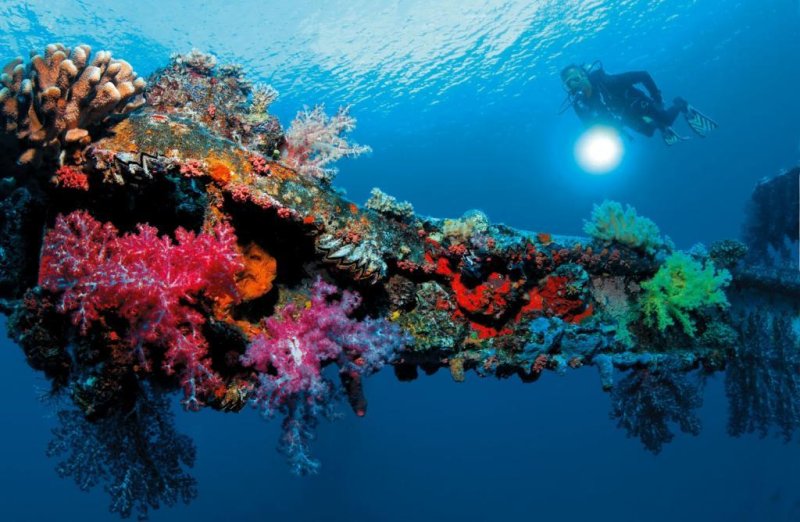
Image: Truk Lagoon wreck
Caption: The shipwrecks in Truk Lagoon, Micronesia, have evolved into some of the world's most spectacular and vibrant artificial reefs.

udo-kefrig_truk_lagoon
5. How Artificial Reefs Support Communities and Eco-Tourism
Artificial reefs can deliver significant benefits to coastal communities. Well-managed projects attract dive tourism, supporting local dive centers, accommodations, and related businesses.
Sites such as the USS Oriskany and the wrecks of Micronesia draw divers from around the world, creating long-term economic value.
In Cancún, MUSA was specifically designed to redirect visitors away from overused natural reefs, balancing tourism with conservation needs.
When communities see tangible benefits from healthy marine ecosystems, support for conservation efforts often grows stronger.
LEARN MORE: The Hidden Impacts of Ocean Acidification and Why They Matter

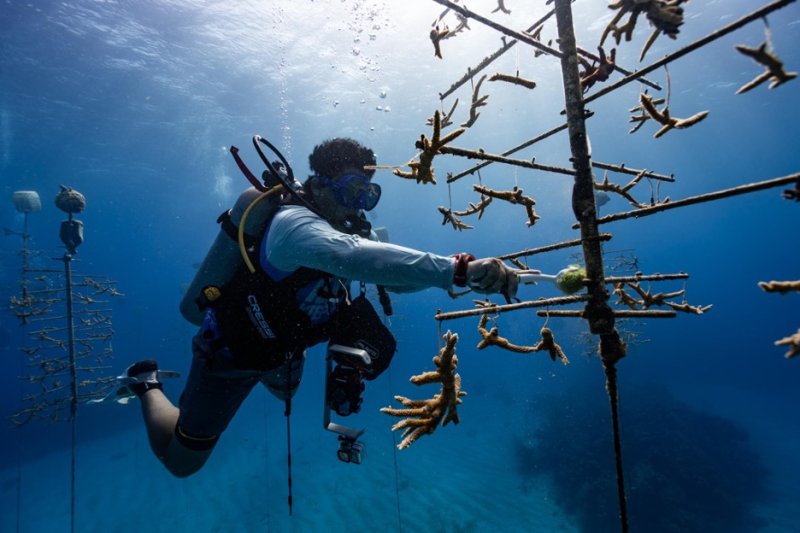
roatanmarineparkadammoore
Many modern artificial reef projects include active coral planting to help accelerate ecosystem recovery.
6. The Challenges and Controversies Around Artificial Reefs
Despite their benefits, artificial reefs are not without controversy. Poorly planned projects can introduce pollutants, damage nearby habitats, or fail to deliver real ecological value.
There is also debate about whether artificial reefs truly increase marine populations or simply attract existing fish from surrounding areas. Additionally, some projects have been criticized for prioritizing tourism or waste disposal over genuine conservation.
For these reasons, responsible artificial reef initiatives focus on careful design, appropriate materials, long-term monitoring, and clear conservation goals.
How Divers Can Support Responsible Artificial Reef Projects
Scuba divers play an important role in the success of artificial reefs. Choosing dive centers that prioritize sustainability and follow best practices is a strong first step.
Divers can also:
- Maintain excellent dive buoyancy to avoid damaging fragile growth
- Follow site-specific guidelines
- Never remove objects or marine life
- Support conservation-focused organizations
Programs such as SSI's Perfect Buoyancy specialty and Blue Oceans help divers learn how to protect the underwater world and engage with conservation initiatives. Many artificial reef projects also welcome volunteers for monitoring, coral planting, and clean-up activities.
Artificial Reefs and the Future of Ocean Conservation
Artificial reefs are not a solution to every challenge facing the ocean, but when thoughtfully designed and responsibly managed, they play an important role in marine conservation. By understanding how these reefs function—and diving responsibly—divers can help ensure artificial reefs contribute positively to the health of our seas.
SSI's Environment specialties offer a deeper way to explore these topics. Combining marine science, practical diving skills, and real-world conservation insight, these courses empower divers to turn awareness into meaningful action.
Explore SSI Environment Specialties Here