Scuba Certification Course: What to Know Before You Start
scuba diving
mares
If you have ever floated above a reef and wondered what it would be like to breathe underwater, a scuba certification course is your gateway to that world. Learning to dive is not just about equipment and technique, it is about confidence, curiosity, and discovering a completely new environment. For many people, taking their first course feels intimidating at first, but the reality is far more relaxed, supportive, and fun than expected. This guide breaks down exactly what a scuba certification course involves, how it works, and why proper training is essential for safety, enjoyment, and long-term confidence underwater.
Table of Contents:
-
Why a Scuba Certification Course Is Essential
-
How a Scuba Certification Course Works
-
Requirements: Who Can Take a Course?
-
Skills You Will Learn Underwater
-
Preparing for Your Course: Mindset and Fitness
-
Choosing the Right Dive Center
-
Why Learning to Dive Is Fun and Empowering
-
Common First-Time Questions Answered
-
Ready to Start Your Scuba Certification Course?
A scuba certification course is not just a formality, it is what makes diving safe, accessible, and genuinely enjoyable. Breathing underwater comes with risks if it is done incorrectly, and proper training teaches you how to manage those risks calmly and confidently. Certification gives you the knowledge to understand pressure, buoyancy, air management, and how your body responds underwater.
Beyond safety, certification opens doors. With a recognized qualification, you can rent equipment, join guided dives, and explore dive sites around the world. More importantly, you learn how to be a responsible diver who protects the underwater environment. Through SSI training, divers are encouraged to build solid skills at their own pace, creating confident ocean explorers rather than rushed students.
janez-kranjc-model-aniska-marovic
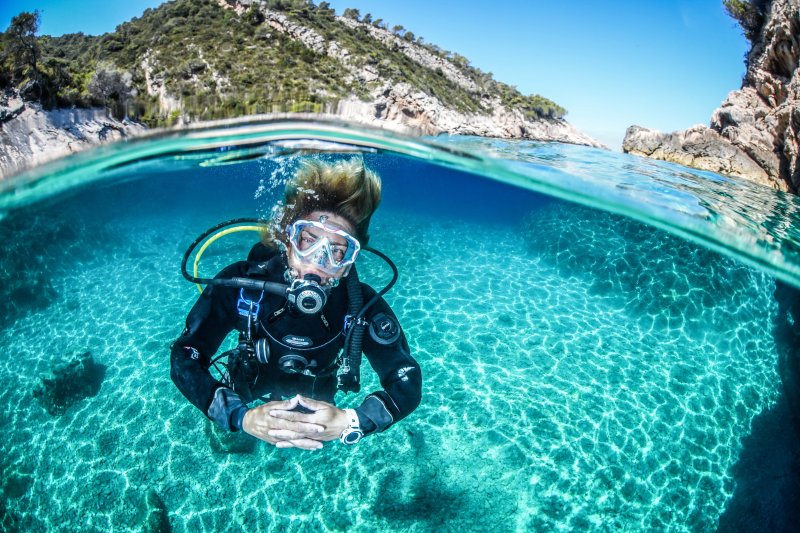
With a scuba certification, you can explore vibrant coral reefs and breathtaking underwater landscapes worldwide.
Every scuba diving course follows a structured learning pathway that balances theory, skill development, and real-world experience. SSI courses are designed to be flexible, allowing students to learn in a way that suits their schedule and comfort level.
The Open Water Diver program is the standard entry-level scuba certification course and the one you take to become a certified diver.
The course begins with academic learning, often completed online. This covers dive physics, equipment use, hand signals, and safety procedures. Studying this material before entering the water helps you feel prepared and reduces information overload later. When I took my first course, having the theory done beforehand made the pool sessions feel far more relaxed and enjoyable.
Next comes confined water training, usually in a pool or calm, shallow water. This is where you learn essential skills like mask clearing, regulator recovery, buoyancy control, and safe ascents. Confined water sessions are designed to be low-pressure and supportive, giving you time to practice until each skill feels natural.
Finally, open water dives bring everything together. These dives typically take place in the ocean or a lake and allow you to apply your skills in real conditions. Open water dives are often the highlight of the scuba certification course, as this is where students truly experience the magic of diving for the first time.
LEARN MORE: Dive Rescue Skills Every Diver Should Know (and How to Keep Them Sharp)
One of the biggest misconceptions about diving is that you need to be extremely fit or fearless. In reality, a scuba certification course is accessible to a wide range of people. Most programs have a minimum age requirement, often starting around ten years old, depending on the course level.
Health requirements are straightforward and focus on ensuring it is safe for you to dive. You will complete a medical questionnaire to identify any conditions that may require clearance from a doctor. Swimming ability is also required, but it is not about speed or strength. You simply need to be comfortable in the water, able to swim a short distance, and float or tread water calmly.
Course length varies depending on scheduling, but many students complete their scuba certification course over a few days or across several weekends. SSI's flexible structure allows you to learn at your own pace, which makes the process far less stressful and far more enjoyable.

predrag-vuckovic
Small group training sessions create a supportive environment for new divers.
The skills taught during a scuba certification course are practical, empowering, and surprisingly fun to master. You will learn how to assemble and check your equipment, communicate using hand signals, and maintain neutral buoyancy so you can hover effortlessly above the seabed.
You will also learn how to handle common issues calmly, such as clearing water from your mask or sharing air with a buddy. These skills build confidence quickly. I still remember the moment buoyancy clicked for me during training, suddenly feeling weightless and completely in control. That moment is often when people fall in love with diving.
SSI places strong emphasis on comfort and repetition, ensuring skills are learned properly rather than rushed. This approach helps new divers feel capable and excited rather than overwhelmed.
The right dive gear can be a game-changer. Check out: Scuba Gear Essentials for New Divers
Preparing for a scuba certification course does not require intense physical training, but a little preparation goes a long way. Light swimming, stretching, and general fitness can help you feel more comfortable in the water, especially during longer sessions.
Mental preparation is just as important. Many beginners worry about breathing underwater or removing their mask. These concerns are completely normal. Trusting the training process and communicating openly with your instructor makes a huge difference. Every skill is introduced step by step, and you are always encouraged to go at a pace that feels right for you.
Getting good rest before training days, staying hydrated, and eating light meals can also improve comfort and focus during sessions.
adam-moore
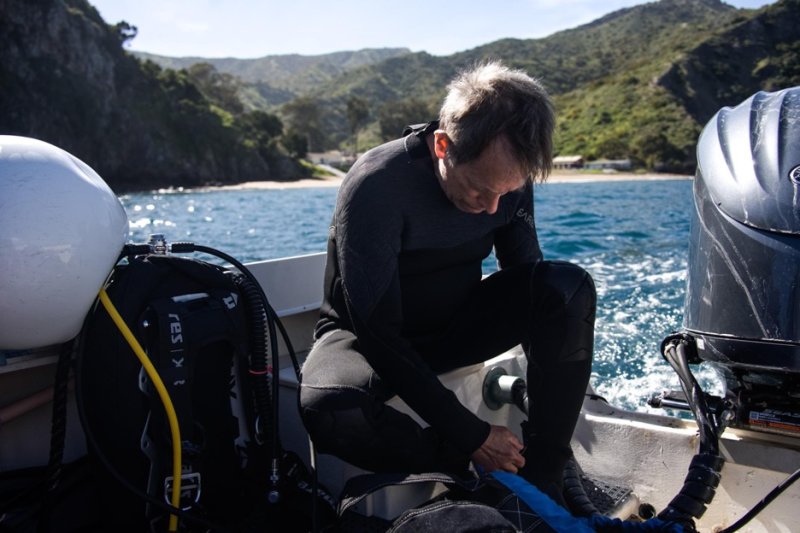
Learning to assemble and check your equipment is a key part of scuba certification.
Choosing where to take your scuba certification course can shape your entire experience. A good dive center prioritizes safety, small group sizes, and clear communication. Instructors should be patient, encouraging, and happy to answer questions without rushing.
Using the SSI Center Locator is one of the easiest ways to find reputable training centers worldwide. SSI centers follow consistent global standards, ensuring quality instruction whether you are learning at home or while traveling. That consistency makes it easier to feel confident wherever you go.
Look for a center that takes time to understand your goals, whether you want to dive casually on vacation or continue your training long-term.
GET INSPIRED: How I Overcame My Fear of Diving - and You Can Too
A scuba certification course is not just about learning rules; it is about unlocking a new way of experiencing the world. Diving builds confidence, encourages mindfulness, and often creates lifelong friendships. There is something incredibly grounding about slow breathing and moving quietly through the water.
For many people, diving becomes a gateway to marine conservation and dive travel, opening awareness of marine ecosystems and the importance of protecting them. SSI's training philosophy and the SSI Blue Oceansmovement encourage divers to become ambassadors for the underwater world, not just visitors passing through.
This is one of the most common concerns for beginners. In reality, most people find diving surprisingly calming once they settle into slow, steady breathing. The equipment is designed to be comfortable and unobtrusive, and your instructor guides you step by step until everything feels natural.
How to equalize ear pressure is taught early in your scuba certification course and practiced gradually. Instructors demonstrate simple techniques to balance pressure comfortably as you descend. With patience and proper instruction, most students master equalizing quickly.
No. Most dive centers provide all the necessary equipment during your scuba certification course. This allows you to learn what type of gear feels best for you before making any purchases. Many divers choose to invest in personal equipment later, once they gain experience.
With proper training, careful planning, and adherence to established limits, recreational scuba diving has an excellent safety record. That is exactly why certification exists—to teach you how to manage risks confidently and responsibly.
Taking a scuba certification course is one of those life experiences that often leads to unexpected adventures and personal growth. With SSI's flexible learning structure, supportive instructors, and global network of dive centers, learning to dive becomes approachable, exciting, and deeply rewarding. If you have ever dreamed of exploring beneath the surface, this is where that journey begins.
Find your nearest dive center today using the SSI Training Center Locator and begin your journey toward becoming a certified diver. Your underwater adventure starts here!
Dive Deeper into Becoming a Diver