Co je freediving? Průvodce pro začátečníky potápěním se zadrženým dechem.
freediving
adobestock-artifirsov
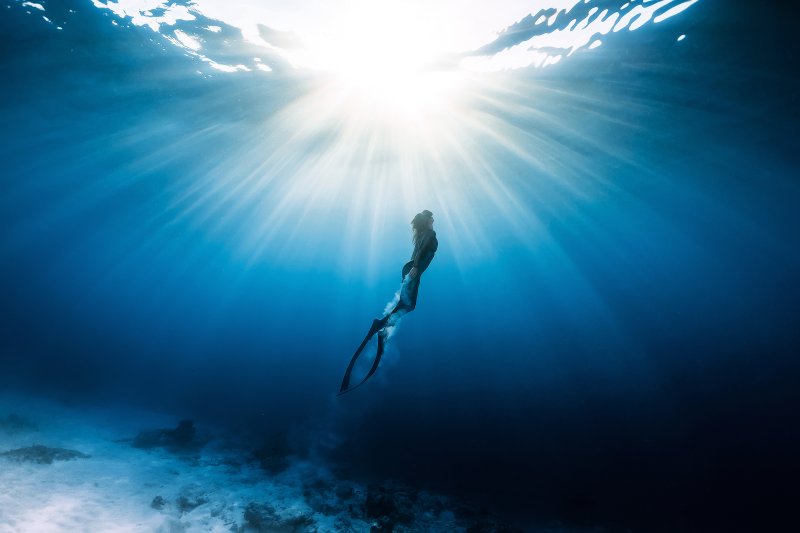
Zajímá vás svět potápění se zadrženým dechem? Otázka "Co je freediving?" je často prvním krokem do sportu, který je uklidňující i vzrušující zároveň. Freediving je jedním z nejpřirozenějších způsobů poznávání podvodního světa a začátečníky často překvapí, jak klidný a přístupný ve skutečnosti je. Ať už jste dosud pouze šnorchlovali, nebo uvažujete o prvním oficiálním kurzu, tento průvodce vám odpoví na nejčastější otázky, které si noví freediveři kladou. Od bezpečnosti a výstroje až po hloubku, výcvik a jak začít - zde najdete vše, co potřebujete vědět před svým prvním dobrodružstvím se zadržením dechu.
Obsah:
-
Co je freedivingový ponor?
-
Jak se liší freediving od šnorchlování nebo potápění s přístrojem?
-
Je freediving bezpečný?
-
Jak dlouho dokážete zadržet dech?
-
Potřebujete speciální výcvik?
-
Jaké vybavení potřebujete?
-
Jak hluboko se můžete ponořit?
-
Může se naučit freediving každý?
-
Jaký je nejlepší způsob, jak začít?
-
Jste připraveni začít s freedivingem?
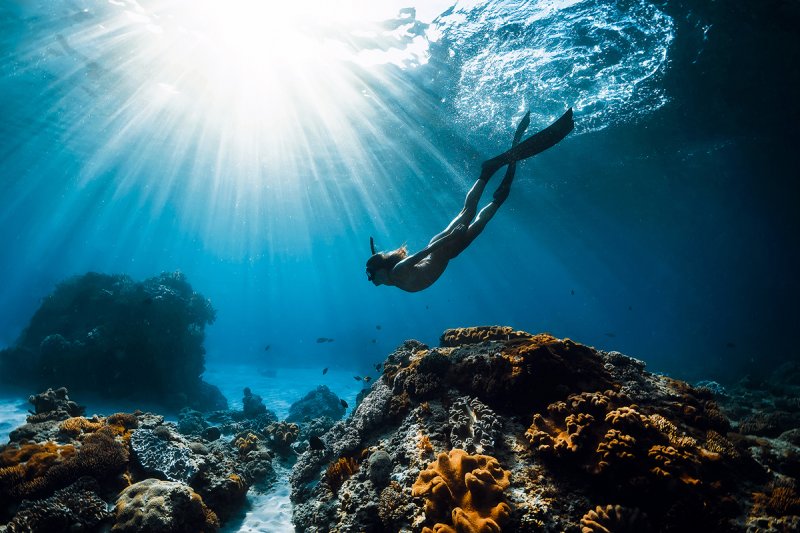
Freediving je potápění pod vodou na jeden nádech bez potápěčských láhví. Využívá relaxaci, efektivní pohyb a techniky zadržení dechu k průzkumu pod hladinou.
Zahrnuje širokou škálu disciplín, od průzkumu mělkých korálových útesů až po sestup po sestupovém lanu v hluboké vodě. Navzdory tomu, co si mnoho lidí myslí, freediving není o překonávání limitů; jde o to naučit se zůstat v klidu, pohybovat se plynule a spojit se s oceánem přirozeným způsobem.
fotolia
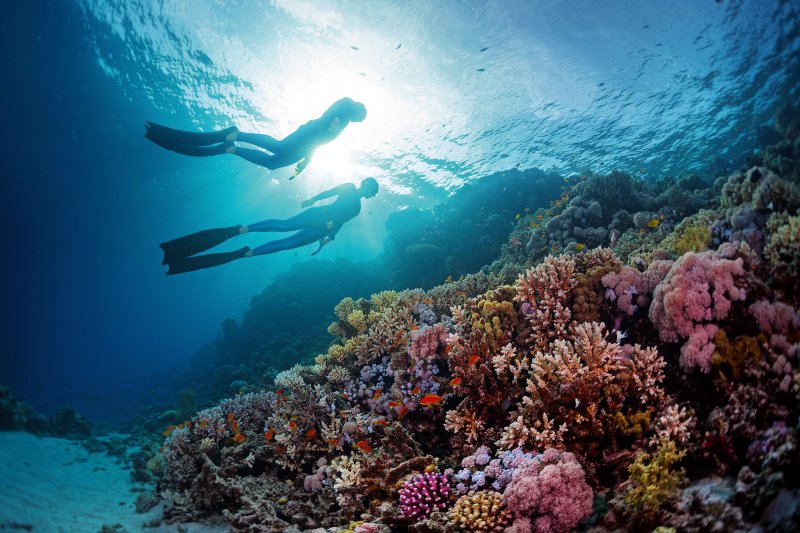
Freediving umožňuje potápěčům prozkoumat podvodní svět na jeden nádech.
Další častou otázkou je, jak se freediving liší od jiných podvodních aktivit. Při šnorchlování se držíte na hladině s občasným ponořením do mělkých vod, zatímco při potápění s přístrojem se používají láhve a vybavení, které vám umožní dýchat pod vodou. Freediving se nachází mezi těmito dvěma způsoby.
Pohybujete se tiše, bez bublin, což vám umožňuje přiblížit se k mořským organismům. Je také racionálnější, protože používáte minimální vybavení. Ve srovnání s potápěním s přístrojem se klade větší důraz na všímavost, techniky dýchání a povědomí o poloze těla. Freediving často přitahuje lidi, kteří chtějí klidný, jednoduchý a plynulý způsob zkoumání vody.
Dostaňte se do rytmu: Síla hudby pro freediving: Může zvýšit váš výkon?
Bezpečnost se přirozeně objevuje poté, co se lidé zeptají: "Co je freediving?", a uklidňující odpověď zní: ano, freediving je bezpečný, když se ho naučíte správně. Klíčem je výcvik s certifikovaným SSI instruktorem a nikdy se nepotápět sám. Bezpečnost freedivingu se zaměřuje na kontrolovanou relaxaci, vyrovnávání tlaku a správné záchranářské dovednosti. Kurzy vás naučí, jak rozpoznat své limity a jak číst signály svého těla.
Moderní výcvik klade důraz na pohodlí, týmovou práci a bezpečné techniky namísto hloubkového potápění pro čísla. Pokud je freediving provozován zodpovědně s parťákem a pod správným dohledem, má vysokou úroveň bezpečnosti.
AdobeStock-aetb
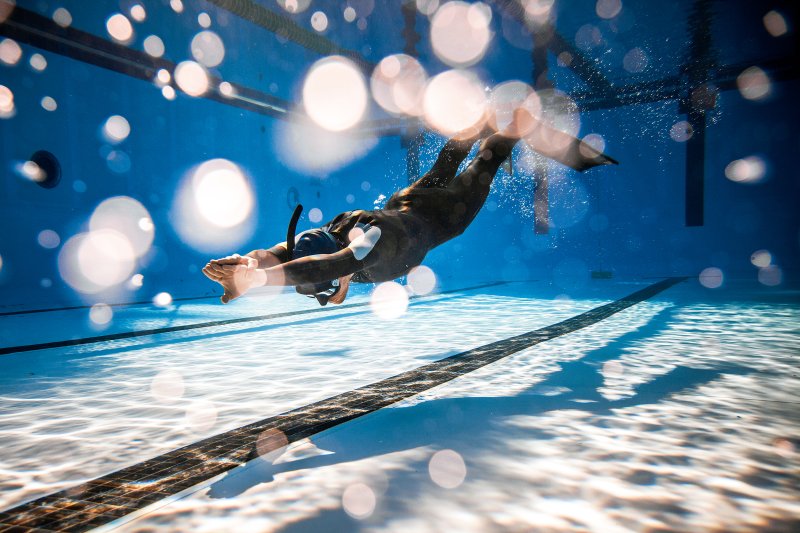
V kurzech freedivingu se učí techniky zadržení dechu a základní freedivingové bezpečnostní dovednosti.
Když se začátečníci poprvé zeptají: "Co je freediving?", často se zajímají o dobu zadržení dechu. Pravdou je, že na to neexistuje jediná odpověď. Základní zadržení dechu může začínat kolem třiceti vteřin až jedné minuty a při správné technice a relaxaci může mnoho lidí pohodlně dosáhnout dvou a více minut.
Elitní freediveři, kteří intenzivně provádějí výcvik, mohou provádět freedivingové ponory mnohem déle, ale to je daleko za hranicí toho, co vyžaduje rekreační freediving. Schopnost zadržení dechu se zlepšuje tréninkem, klidem a efektivním využíváním kyslíku. V kurzech SSI se učí techniky dýchání, relaxaci a bezpečnosti, abyste se mohli zlepšovat strukturovaným a pohodlným způsobem.
ČTĚTE VÍCE: Freediving: Jak zadržet dech na dvě minuty... dnes!
Pokud se ptáte "Co je freediving?", protože jste zvědaví, zda si ho vyzkoušíte, je nejlepším začátkem řádný výcvik. Freediving může zvenčí vypadat jednoduše, ale naučit se správně dýchat, bezpečně vyrovnávat tlak a pracovat se změnami tlaku je nezbytné.
SSI nabízí postupné cesty , jako jsou Try Freediving a Freediver, kde se učíte bezpečnostním dovednostem, polohování těla, záchranným technikám a základům potápění po sestupovém lanu. Výcvik také posiluje sebedůvěru, učí vás zůstat v relaxaci a poskytuje vám buddy systém.
Výuka s kvalifikovaným freedivingovým instruktorem je nejbezpečnější a nejpříjemnější způsob, jak vstoupit do tohoto sportu.
predrag-vuckovic
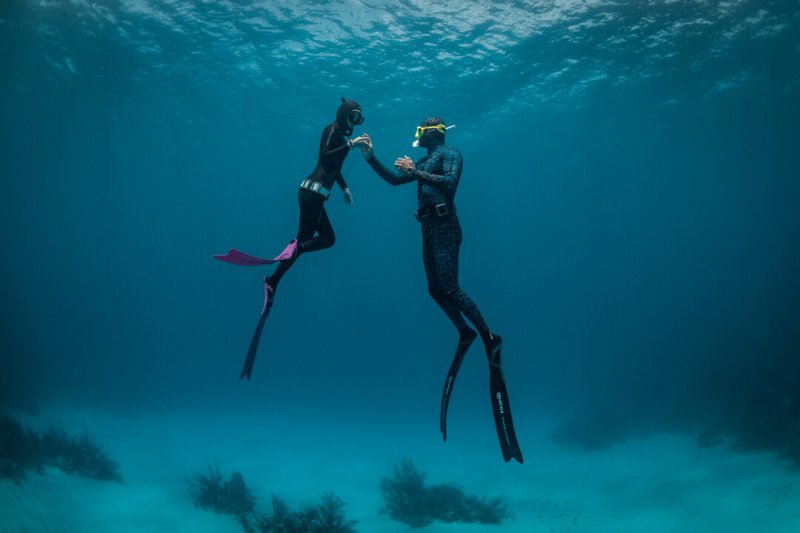
Výuka s SSI freedivingovým instruktorem buduje sebedůvěru a návyky bezpečného potápění.
Lidé se často ptají na vybavení potřebné pro freediving a odpověď zní, že potřebujete jen několik základních položek. Nízkoobjemová freedivingová maska vám pomůže snadno dosáhnout vyrovnávání tlaku, dlouhé freedivingové ploutve vám poskytnou účinný pohon a šnorchl je užitečný na hladině. Freedivingový neopren vhodný pro místní teplotu vody vás zahřeje a zátěžový opasek vám umožní dosáhnout pohodlného vztlaku.
Mnoha výcvikovými centry v teplých destinacích je nabízena půjčovna vybavení, takže můžete začít bez větších investic. Časem můžete přejít na vybavení, které přesněji vyhovuje vaší postavě a stylu potápění.
Otázka, jak hluboko se můžete ponořit, obvykle následuje po úvodní otázce "Co je freediving?", ale hloubka není tak důležitá jako technika a bezpečnost. Mnoho nových freediverů dosáhne během základního kurzu deseti až dvaceti metrů (33 až 66 stop). Se zkušenostmi a výcvikem se rekreační freediveři někdy dostanou do třiceti metrů (98 stop) nebo i více, ale k hloubce se vždy přistupuje postupně.
Úroveň vašeho pohodlí určují vaše uši, povědomí o poloze těla a dovednosti relaxace. Na postup do hloubky by měl vždy dohlížet vyškolený parťák nebo instruktor a není třeba na vás tlačit, abyste šli hlouběji, než chcete.
Chcete se ponořit do hloubky? Tady je: Hluboký freedivingový ponor: Vše, co potřebujete vědět, abyste mohli prozkoumat hlubiny.
Otázka "Co je freediving?" často vede k tomu, že se lidé ptají, zda to mohou dělat sami. Povzbudivou odpovědí je, že freedivingový ponor se může naučit téměř každý, kdo se ve vodě cítí dobře. Nemusíte být výjimečně zdatní ani ohební. Freediving je vhodný pro všechny věkové kategorie, typy postavy i vzdělání.
Nejdůležitější je trpělivost, ochota dosáhnout relaxace a schopnost naslouchat pokynům instruktora. Mnoho lidí zjistí, že freediving jim pomáhá budovat sebevědomí, snižuje stres a poskytuje uklidňující spojení s oceánem.
shutterstock-wonderful-nature
Freediving je přístupný lidem různého věku a úrovně zkušeností.
Nejlepším způsobem, jak začít, je absolvovat kurz freedivingu SSI s kvalifikovaným instruktorem. Tyto programy učí správnému dýchání, vyrovnávání tlaku, relaxaci, bezpečnostním protokolům a podvodním technikám. Pomocí SSI Vyhledávače center můžete najít výcvikové centrum ve vašem okolí nebo v destinaci, kterou chcete navštívit.
Začněte s dobrými základy, které zajistí, že si od samého začátku vybudujete pevné návyky. Cvičení pozornosti, práce s dechem a jemné plavání před kurzem vám také může pomoci, ale skutečný pokrok nastává až při strukturovaném výcviku.
Freediving otevírá dveře do klidného, tichého světa pod hladinou - na jeden nádech. Se správným výcvikem, vedením a smýšlením může každý zažít svobodu objevování oceánu na jeden nádech.
Udělejte první krok ještě dnes.
Najděte si nejbližší SSI výcvikové centrum pro freediving, spojte se s instruktorem a zjistěte, jak může freediving změnit váš způsob poznávání podmořského světa.
Začněte svou cestu za freedivingem zde:
Najděte SSI výcvikové centrum ve svém okolí.
Ponořte se hlouběji do freedivingu pro začátečníky
Tento článek byl automaticky přeložen a může obsahovat drobné nepřesnosti; v případě pochybností se podívejte na originální anglickou verzi.