Mi az a korallfehéredés? A válság mögött álló tudomány (és remény)
ecology
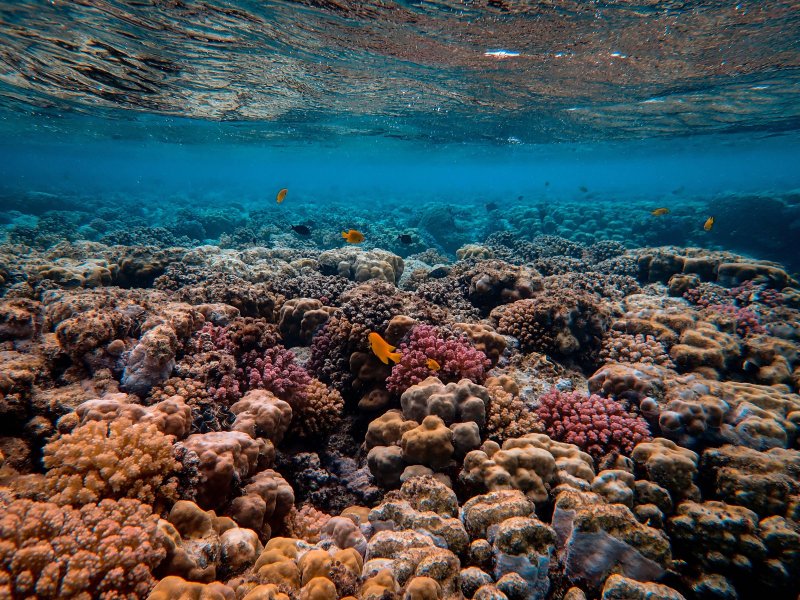
francesco-ungaro-unsplash
A korallzátonyok a Föld legváltozatosabb és legtermékenyebb ökoszisztémái közé tartoznak, gyakran nevezik őket a "tengerek esőerdeinek". Azonban egyre nagyobb fenyegetéssel, a korallfehéredés néven ismert folyamattal kell szembenézniük, amely a globális óceáni hőmérséklet emelkedésével egyre gyakoribbá és súlyosabbá válik. A búvárok, az óceánok szerelmesei és mindenki számára, akit érdekel a tengeri környezet jövője, alapvető fontosságú annak megértése, hogy mi az a korallfehéredés, miért következik be, és mit lehet tenni a hatásainak lassítása vagy visszafordítása érdekében. Megvizsgáljuk a tudományt, a hatásokat és azokat a lépéseket, amelyekkel segíthetünk megvédeni ezeket a létfontosságú víz alatti tájakat.
Tartalomjegyzék:
-
Mi az a korallfehéredés?
-
Miért történik a korallfehéredés?
-
Legutóbbi trendek és korallfehéredési események
-
A korallfehéredés hatása a tengeri élővilágra
-
Az ellenálló képesség és a felépülés jelei
-
Hosszú távú következmények a biológiai sokféleségre és az ökoszisztémákra nézve
-
Mit tehetnek a búvárok és a nem búvárok
-
Hogyan segíti a tudomány és az innováció a korallzátonyok helyreállítását?
-
Készen állsz arra, hogy változást érj el?
A korallfehéredés a korallok színének elvesztését jelenti, amikor azok stresszhelyzetbe kerülnek, elsősorban az emelkedő tengeri hőmérséklet miatt. A korallok szimbiózisban élnek a zooxantelláknak nevezett apró algákkal, amelyek a szövetükben élnek, és fotoszintézisük révén energiájuk akár 90%-át is biztosítják számukra. Ha a víz túl melegszik vagy más okból stresszessé válik, a korallok kilökik ezeket az algákat, aminek következtében a korall kifehéredik, és elveszíti egyik fő táplálékforrását.
A kifehéredett korall még nem halott, de legyengült és fogékonyabb a betegségekre, az éhezésre és a pusztulásra, ha a körülmények nem térnek vissza gyorsan a normális állapotba. Az algák nélkül a korallok elveszítik az alapvető tápanyagokat és a színt, így törékeny állapotba kerülnek, ami akadályozza a növekedést és a szaporodást.
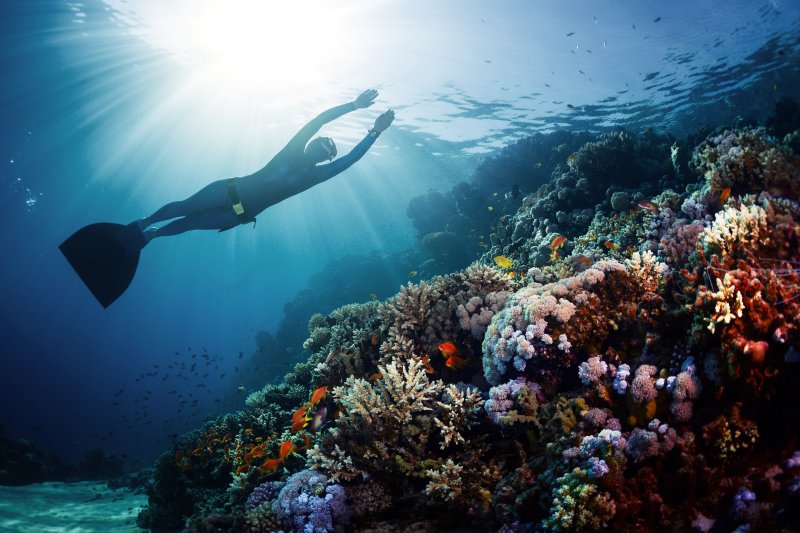
iStock-mihtiander
Az egészséges korallzátonyok a korallok és az algák közötti kényes egyensúlytól függenek, amelyek energiát, színt és életet adnak nekik.
A korallfehéredés középpontjában a stressz áll. A leggyakoribb stresszor az éghajlatváltozás és az óceánok felmelegedése által okozott megemelkedett tengerfelszíni hőmérséklet. Már 1-2 Celsius-fokos (2-4 Fahrenheit-fokos), több héten át tartó enyhe hőmérséklet-emelkedés is kiválthat fehéredési reakciót.
A fény és a környezetszennyezés is szerepet játszik. A meleg körülmények között a nagy fényintenzitás felerősítheti a hőstresszt, míg a tápanyagokat és szennyeződéseket tartalmazó lefolyás gyengítheti a korallokat és csökkentheti a környezeti változásokkal való megbirkózási képességüket. Az óceánok elsavasodásával (olyan állapot, amelyben a megnövekedett szén-dioxid csökkenti a pH-t) kombinálva a fizikai és kémiai stresszorok tökéletes vihart hoznak létre, amely fehéredéshez vezet.
OLVASSA TOVÁBB: Korallzátonyok védelme: Túl késő megmenteni a zátonyokat?
Gyorstények, amelyeket tudnia kell:
- A világ 2025-ben tapasztalta a negyedik globális korallfehéredési eseményt, amely a Csendes-, az Atlanti- és az Indiai-óceán zátonyrendszereit érintette.
- 2023 januárja és 2025 áprilisa között példátlan hőstressz érte a korallzátonyok nagyjából 84 százalékát világszerte; ez volt az eddigi legkiterjedtebb fehérítési esemény.
- Ez az esemény felülmúlta a korábbi válságokat. 1998-ban a zátonyok mintegy 21 százalékát érte fehérítési szintű hőstressz, ami 2010-ben 37 százalékra, a 2014-2017-es esemény során pedig 68 százalékra emelkedett.
- Ez az élő koralltakaró drámai csökkenéséhez vezetett olyan ikonikus helyeken, mint a Nagy-korallzátony, valamint a Karib-tenger, a Vörös-tenger és a Florida Keys zátonyai.
- Ez a tendencia aláhúzza azt a könyörtelen nyomást, amelyet az emelkedő óceáni hőmérséklet gyakorol a zátonyok ökoszisztémáira.
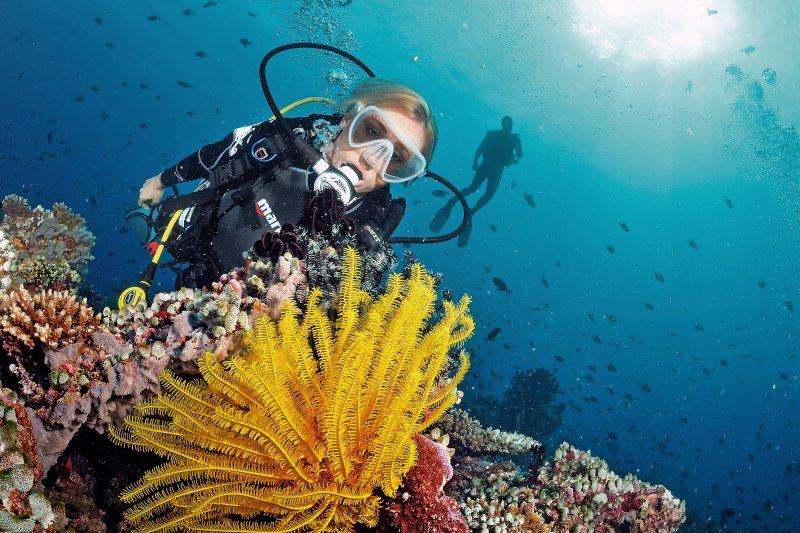
mares
A tengeri rezervátumokban való búvárkodás bepillantást nyújt abba, hogy milyenek lehetnek az egészséges korallzátonyok, ha az ökoszisztémákat védik, és időt adnak a helyreállításra.
A korallzátonyok a biológiai sokféleség forró pontjai. Halak, gerinctelenek és más tengeri élőlények ezreinek adnak otthont. Ha a korallok kifehérednek, az egész zátony ökoszisztéma destabilizálódik.
Sok zátonyhal és gerinctelen állat táplálék és menedék szempontjából a korallszerkezetektől függ, így a korallok elvesztése a populációk és a fajok sokféleségének drámai csökkenéséhez vezethet.
A korallzátonyok emellett létfontosságú szolgáltatásokat nyújtanak az emberi közösségek számára. Megvédik a partvonalakat a viharhullámoktól és az eróziótól, milliókat tápláló halászatot támogatnak, és fenntartják az idegenforgalmi ágazatot.
A korallok széles körű kifehéredése veszélyezteti ezeket a szolgáltatásokat, és olyan hullámhatásokat okoz, amelyek messze túlmutatnak magán a zátonyon.
LEGYEN INSPIRÁLT: Új partnerség 2026-ra: The Coral Planters x Blue Oceans x SSI
Bár a korallfehéredés mértéke riasztó, a tudósok néhány helyen az ellenálló képesség biztató jeleit figyelték meg. A Vörös-tenger északi részén egyes korallok tömeges kifehéredés nélkül bírták a rekordmeleget, ami arra utal, hogy egyes populációk természetes hőtűrő képességgel rendelkeznek.
Számos régióban természetvédelmi és helyreállítási projektek vannak folyamatban. A Florida Keys-en például csapatok nevelőkorallokat nevelnek és telepítenek a part menti helyekre, hogy helyreállítsák a leromlott zátonyokat.
NOAA küldetése: Iconic Reefs kezdeményezés a hőtűrő korallok tenyésztését fejlett helyreállítási technikákkal kombinálja, hogy növelje a koralltakarót az olyan kritikus területeken, mint a Florida Keys.
Indonéziában és a Maldív-szigeteken a korallrestaurációs programok több tízezer korallt telepítettek ki sikeresen és bíztató túlélési arányokkal, megmutatva, hogy a közösség és a tudomány partnersége hogyan építheti a zátonyok ellenálló képességét.
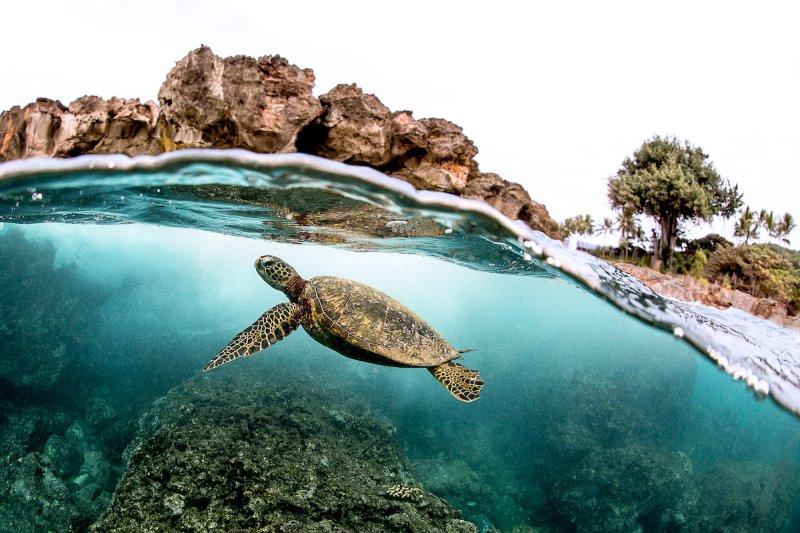
iStock_Adobe_Ryan Janssens
A korallzátonyok számtalan tengeri faj számára létfontosságú élőhelyet jelentenek, a zátonyhalaktól a tengeri teknősökig, amelyek túlélése az egészséges zátonyoktól függ.
Az ismétlődő és hosszan tartó fehérítési események a zátonyokat az összeomlás felé sodorhatják. Beavatkozás nélkül a korallpusztulás a zátonyszerkezetek összeomlásához, a halpopulációk elvesztéséhez és a zátonyok szolgáltatásainak csökkenéséhez vezethet.
Az óceánok felmelegedése az óceánok savasodásával és az óceánok szennyezésével együtt felgyorsítja ezt a hanyatlást, és valószínűbbé teszi az ismételt fehérítést , mielőtt a teljes helyreállás bekövetkezhetne.
A tudósok arra figyelmeztetnek, hogy ha a globális hőmérséklet-emelkedést nem korlátozzák (különösen az 1,5°C-os küszöbérték felett), akkor az évszázad közepére számos zátonyrendszer funkcionálisan kipusztulhat. A helyreálló zátonyokat a hőtűrőbb, de szerkezetileg kevésbé összetett korallfajok uralhatják, amelyek kevesebb fajt és kisebb biológiai sokféleséget támogatnak.
Segítsen az óceán védelmében: A tengeri rezervátumok előnyei: Amit a búvároknak tudniuk kell
A probléma nagyságrendje ellenére vannak hatékony módszerek, amelyekkel hozzájárulhat a zátonyok védelméhez:
1. Merülés tengeri rezervátumokban
A védett tengeri területek támogatása segít a koralloknak esélyt adni a helyreállításra azáltal, hogy korlátozza a halászatot, a szennyezést és a pusztító gyakorlatokat a veszélyeztetett zónákban.
2. Csökkentse a szénlábnyomát
Csökkentse a szénlábnyomát azzal, hogy kevesebbet repül, megújuló energiát használ, és üzemanyag-takarékos járművekkel közlekedik. Ez segít kezelni az óceánok felmelegedésének alapvető okát.
3. Használjon zátonybiztos naptejet
Használjon zátonybiztos naptejet, és kerülje az oxibenzont vagy oktinoxátot tartalmazó termékeket. Ez csökkenti a korallokat érő kémiai stresszt, különösen a sekély, napsütötte vizekben, ahol a fehéredés a legvalószínűbb.
Profi tipp: Az SSI Ultimate Guide to Reef-Safe Sunscreen(Az SSI végső útmutatója a zátonybiztos naptejekhez) című kiadványában találhatsz naptejre vonatkozó ajánlásokat .
4. Ismerje meg az óceáni ökoszisztémákat és a természetvédelmet
Az SSI kiváló képzést kínál a korall ökoszisztémák és sebezhetőségük mélyebb megértéséhez. Az olyan tanfolyamok, mint a Marine Ecology és a Coral Identification megtanítanak a zátonyok dinamikájára, az olyan veszélyekre, mint a korallfehéredés, és arra, hogyan minimalizálhatod az utazóként vagy búvárként rád gyakorolt hatást.
5. Csatlakozzon a Citizen Science projektekhez és a tisztító akciókhoz.
Az állampolgári tudományos projektekben, strand- és víz alatti takarításokban, valamint zátonymegfigyelő merülésekben való részvétel egy másik módja annak, hogy kézzelfogható változást érj el. A zátonyok állapotának dokumentálásával és a változások bejelentésével a búvárok hozzájárulhatnak a tudományos adatokhoz, amelyek a védelmi stratégiák és a politikai döntések alapjául szolgálnak.
INDULÁS: Csatlakozzon az SSI Blue Oceans közösségéhez, és vegyen részt a közelében lévő eseményeken!

SOL STOCK LTD
A természetvédelmi erőfeszítések - a zátonyok helyreállításától az óceánok megtisztításáig - segítenek abban, hogy a korallzátonyoknak nagyobb esélyük legyen a helyreállításra.
A helyreállítás önmagában nem tudja megmenteni az összes zátonyt, különösen nem a szükséges mértékben, de kritikus szerepet játszik, ha az éghajlatváltozás mérséklésével párosul. A tudósok olyan eszközöket fejlesztenek ki, mint a korallok hőtűrésének fokozására szolgáló stresszterhelés, a helyreállításra alkalmas ellenálló genotípusok azonosítása, valamint adatbázisok létrehozása annak érdekében, hogy tájékozódhassanak arról, hogy a kiültetés hol lehet a legsikeresebb.
A jövőbeli technológiák, beleértve az automatizált korallszaporulat-megfigyelést és a mesterséges zátonyszerkezeteket, a helyreállítási erőfeszítéseket hivatottak felgyorsítani.
A legtöbb szakértő azonban hangsúlyozza, hogy az üvegházhatású gázok kibocsátásának globális csökkentése elengedhetetlen a korallfehéredés nagymértékű lelassításához. Az innovációra és a zátonyok helyreállítására irányuló erőfeszítések reményt adnak, de nem helyettesítik az éghajlatváltozással kapcsolatos sürgős intézkedések szükségességét.
A korallzátonyok védelmének egyik legjobb módja, ha megértjük az óceáni ökoszisztémák működését. Az SSI ökológiai szakterületei segítenek megismerni a tengeri életet, a zátonyok ökoszisztémáit és azt, hogyan lehet felelősségteljesen kapcsolatba lépni a víz alatti világgal.
Ezek a rugalmas tanfolyamok 6 éves kortól bárki számára nyitva állnak, online elvégezhetők, és a nyíltvízi merülések nem kötelezőek - így bárhol elérhetőek.
A népszerű specialitások közé tartoznak:
- Marine Ecology - az óceáni ökoszisztémák működésének megértése.
- Coral Identification - ismerje fel a korallfajokat és a zátonyok élőhelyeit.
- Shark Ecology - megtudhatja, hogy a cápák miért létfontosságúak az egészséges óceánok számára.
- Manta & Ray Ecology - fedezze fel ezeket a kecses óceáni óriásokat
- Sea Turtle Ecology - fedezze fel a tengeri teknősök biológiáját és védelmét.
Kezdje el a korallzátonyok védelmét még ma:
Fedezze fel az SSI ökológiai specialitás programokat
.......................
Merüljön mélyebbre a tengeri védelemben
Ez a cikk automatikusan lett lefordítva, és apróbb pontatlanságokat tartalmazhat; kétség esetén kérjük, tekintsd meg az eredeti angol változatot.