The Hidden Impacts of Ocean Acidification and Why They Matter
ecology
iStock-para827
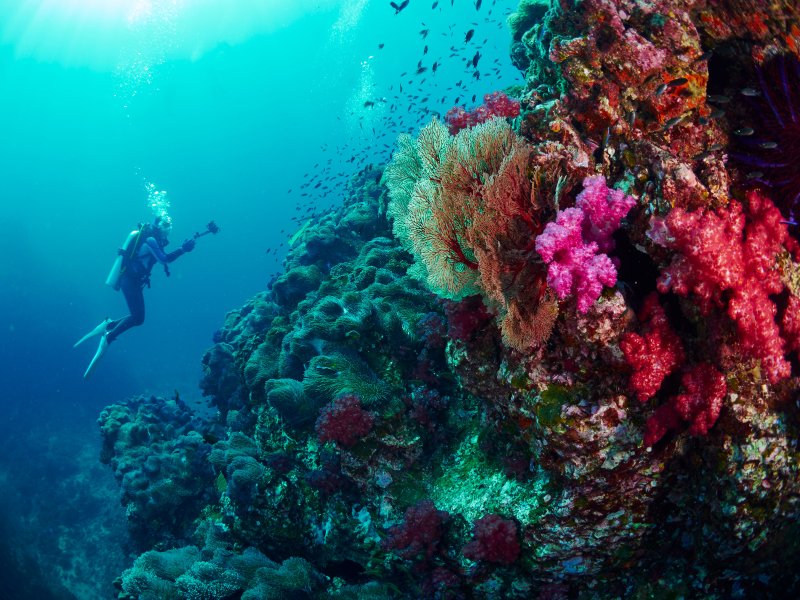
The ocean is our planet's beating blue heart, regulating climate, sustaining life, and giving scuba divers a front-row seat to some of the most extraordinary ecosystems on Earth. Yet beneath the surface, a quiet but powerful shift is underway: ocean acidification. Driven by rising carbon dioxide levels, this chemical change is altering the very foundation of marine life.
For divers, scientists, and ocean lovers alike, understanding the impacts of ocean acidification is essential. It influences the reefs we explore, the creatures we admire, and the delicate balance that holds entire ecosystems together. By understanding what is happening—and what we can do about it—we become part of the solution, helping protect the ocean for generations to come.
Ocean acidification weakens coral reefs, dissolves shells, alters fish behavior, and disrupts entire marine food webs. It reduces biodiversity, stresses key species, and threatens the health of ecosystems that divers, coastal communities, and global fisheries depend on.
Ocean acidification occurs when carbon dioxide (CO₂) from the atmosphere dissolves into seawater, forming carbonic acid. This lowers the ocean's pH, making it more acidic over time.
Since the beginning of the Industrial Revolution, the average ocean pH has fallen from about 8.2 to around 8.1—a 30 % increase in acidity.
For marine life, these shifts are profound. As acidity increases, marine ecosystems weaken, threatening the balance of life underwater.
Divers may not notice the change in the water itself, but these chemical shifts form the foundation of the most visible impacts of ocean acidification. They affect coral reefs, shell-forming organisms, and fish behavior.
stock_iborisoff
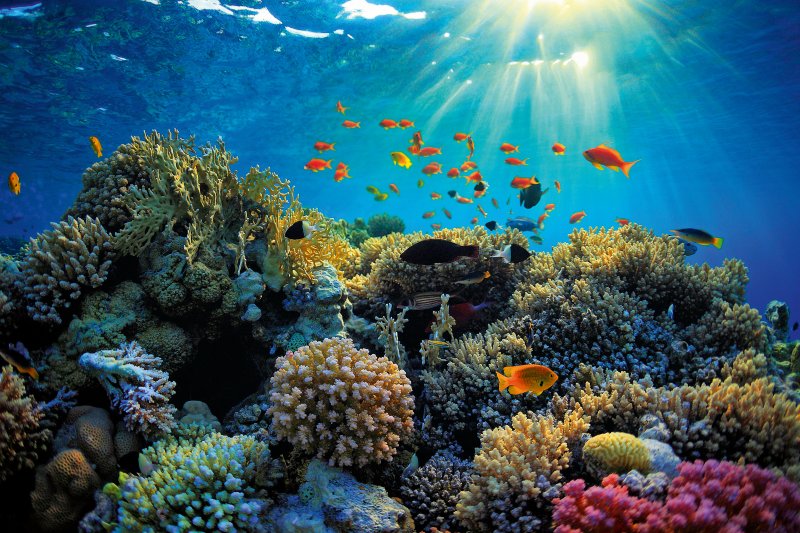
Coral reefs are among the first ecosystems to feel the effects of ocean acidification.
The impacts of ocean acidification unfold across every level of marine life—from microscopic plankton to entire reef systems.
1. Coral Reefs
Coral reefs are among the first ecosystems to feel the impacts of ocean acidification. Corals rely on calcium carbonate to build their skeletons, yet increasingly acidic waters make this process more difficult. Over time, reefs may grow more slowly, weaken, or erode entirely.
When combined with rising temperatures that drive coral bleaching, these pressures place coral reefs under extraordinary stress. For divers, this decline is not only ecological but deeply personal.
Coral reefs provide the color, structure, and astonishing biodiversity that make dives unforgettable. As reef health diminishes, habitats for fish, turtles, and countless invertebrates disappear—altering the very underwater landscapes that inspire millions to explore the ocean.
These effects on coral growth, structure, and resilience make reef degradation one of the most visible and far-reaching impacts of ocean acidification.
Love manta rays? Check out: Manta Ray Conservation: The Ultimate Guide for Scuba Divers
It is not only corals that suffer. Shell-forming organisms—such as oysters, mussels, clams, and microscopic plankton called pteropods—are highly vulnerable to acidity. Pteropods, sometimes known as "sea butterflies," play a crucial role in marine food webs and are a key food source for fish, seabirds, and whales.
In some regions of the Pacific, their delicate shells are already dissolving, offering a stark illustration of ocean acidification in action. For divers, this loss has cascading consequences. When species at the base of the food chain begin to decline, the effects ripple outward to fish, sharks, and marine mammals. The ocean is a tightly woven web of life, and acidification threatens to loosen its threads.
istock_strmko
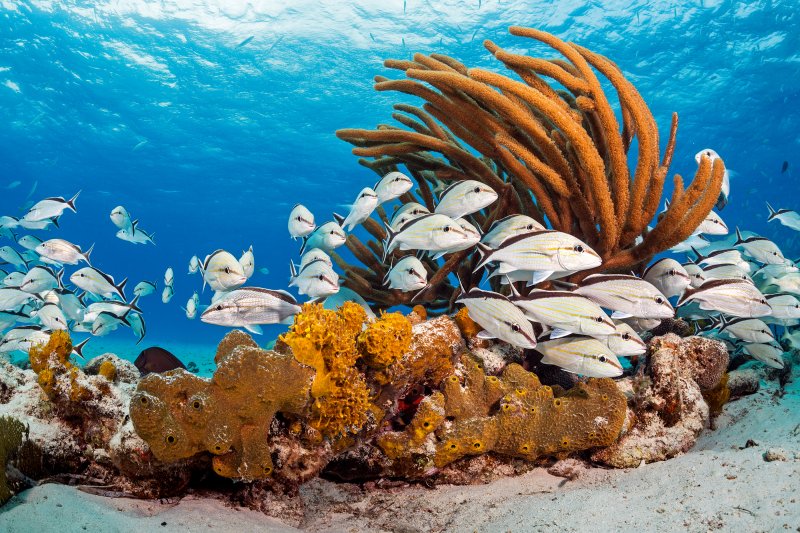
Changes at the base of the food chain affect fish and the predators that depend on them.
One of the lesser-known impacts of ocean acidification is its effect on fish behavior. Research suggests that acidic waters can interfere with the sensory systems of some fish, making them less able to detect predators or navigate effectively. This has significant implications for the balance of ecosystems and the survival of key species.
Divers may notice changes in fish populations or behaviors over time. The once-familiar dance of a reef ecosystem could look different if predator-prey relationships shift, altering both the diving experience and the ecosystem's health.
Read some uplifting news: Great Barrier Reef Foundation Brings Hope for World's Reefs
For divers, the impacts of ocean acidification reach far beyond science. Every descent is a reminder of both the ocean's beauty and its vulnerability. Declining coral cover, reduced biodiversity, and weakened ecosystems directly shape the quality and richness of our underwater experiences.
Many divers also see themselves as ambassadors for the ocean. Understanding these changes equips us to share knowledge, advocate for protections, and inspire others to care about the future of marine life.
- Choose renewable energy where possible
- Drive less
- Make sustainable food choices guided by MSC or WWF seafood guides
- Use reef-safe sunscreen
Responsible tourism matters too. Supporting dive centers that operate sustainably ensures your adventures contribute to ocean health rather than strain it. Joining the SSI Blue Oceans program provides practical tools to reduce your impact and participate in conservation efforts, from minimizing plastic use to supporting local marine protection projects.
Need some inspiration to start? Read The Ultimate Guide To Being An Eco-Diver
Communities and nations play an essential role in strengthening ocean resilience. Establishing and enforcing Marine Protected Areas creates safe spaces where ecosystems can recover and adapt to changing conditions.
Cabo Pulmo National Park in Mexico is a powerful example: once depleted, it now thrives after decades of strong protection.
While acidification cannot be halted without global climate action, well-managed local protections give ecosystems the best chance to adapt. When divers visit Marine Protected Areas, they support conservation through eco-tourism and demonstrate that healthy reefs are more valuable alive than exploited.
Education is one of the most powerful tools you can embrace. SSI offers a variety of ecology-focused programs that explore marine ecosystems, ocean threats, and conservation practices. Anyone aged 10 upwards can join these fascinating courses, and they can be completed entirely online.
Courses such as Marine Ecology or Coral Identification deepen understanding and will help you recognize signs of stress or resilience in reefs. Explore SSI's full range of Ecology Specialty courses to find the right one for you:
GET STARTED: Become an Ecology Specialty Diver
Ocean Acidification: Where We Go From Here
The impacts of ocean acidification are widespread, interconnected, and already visible, but they are not irreversible. By getting educated and making simple lifestyle changes, we can help ensure marine ecosystems remain vibrant for generations to come.
Yes, protecting the ocean is a challenge—but you do not need to do it alone. Join the SSI Blue Oceans community and become part of a global movement that is making a lasting difference, together.
Join the Community Today