Fördelarna med marina reservat: Vad dykare bör veta
environmenttravelecology
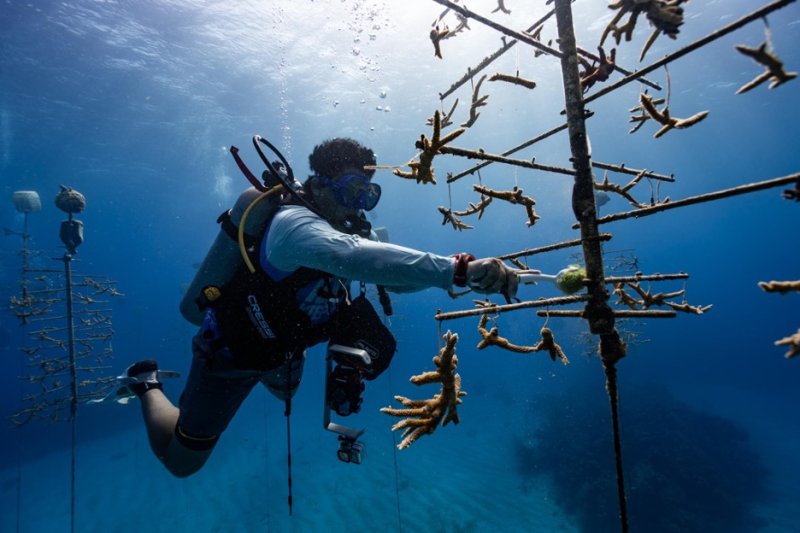
roatanmarineparkadammoore
Från kelpskogarna i Kalifornien till korallträdgårdarna i Röda havet och de orörda lagunerna på Maldiverna, världens främsta marina reservat erbjuder några av de mest hisnande dykupplevelserna på jorden. Dessa skyddade områden är hem för blomstrande ekosystem fulla av marint liv. Men marina reservat är inte bara vackra platser att dyka på - de är avgörande för våra oceaners framtid.
Att förstå fördelarna med marina reservat hjälper dykare, snorklare och havsförespråkare att uppskatta den viktiga roll som dessa skyddade zoner spelar för att återställa biologisk mångfald, stärka revets motståndskraft och stödja hållbar turism. I den här artikeln utforskar vi vad marina reservat är, hur de fungerar och varför de är viktiga - för havets hälsa och för de generationer av dykare som kommer att följa efter.
I den här artikeln kommer du att lära dig:
- Vad marina reservat är
- De viktigaste fördelarna med marina reservat för ekosystem och dykare
- Inspirerande framgångshistorier från den verkliga världen
- Hur dykare kan stödja marint bevarande
Ett marint reservat är ett förbjudet eller strikt reglerat marint skyddsområde där fiske, skörd och destruktiva aktiviteter är förbjudna eller kontrollerade. Lokalbefolkningen, naturskyddsgrupper och statliga myndigheter samarbetar vanligtvis för att upprätta dessa zoner med tydliga protokoll, förbudszoner och begränsningar för besökare.
Ett välkänt exempel är Cabo Pulmo National Marine Park, som inrättades 1995 av lokala samhällen i Baja California. Forskare dokumenterade en anmärkningsvärd ökning av fiskbiomassan med över 460 procent inom tio år! Cabo Pulmo är ett utmärkt exempel på fördelarna med marina reservat.
På södra halvklotet visar Nya Zeelands marina reservat Poor Knights Islands hur skydd ökar den biologiska mångfalden i tempererade vatten. Där har fiske inte varit tillåtet sedan 1998, och undervattensgrottorna och kelpskogarna kryllar av liv och lockar dykare från hela världen.
Här är fem av de mest betydelsefulla fördelarna med marina reservat, uppbackade av verkliga exempel från globalt erkända platser.
En av de viktigaste fördelarna med marina reservat är den blomstrande marina biologiska mångfalden. Skyddade rev har bättre koralltäckning, mer varierat och rikligt marint liv och en ökning av rovdjurspopulationerna.
Cabo Pulmos rev såg en enorm ökning av antalet hajar som återvände, liksom massiva stim av stora fiskar som jacks och groupers som dök upp i överflöd. Ett annat framgångsrikt fall är Apo Island i Filippinerna, där strikt lokal tillsyn sedan 1982 har lett till en dramatisk återhämtning av fiskmångfalden. Över 650 dokumenterade arter kan ses där, vilket representerar en stor del av landets revfauna.
Har du aldrig dykt i Cabo? Kolla in Varför sportdykning i Cabo Pulmo borde vara på din Bucket List
Dykning inom marina reservat gör att du kan utforska blomstrande ekosystem som inte skulle existera utan sådant skydd. En av de direkta fördelarna med marina reservat är ett mångsidigt och blomstrande marint liv.
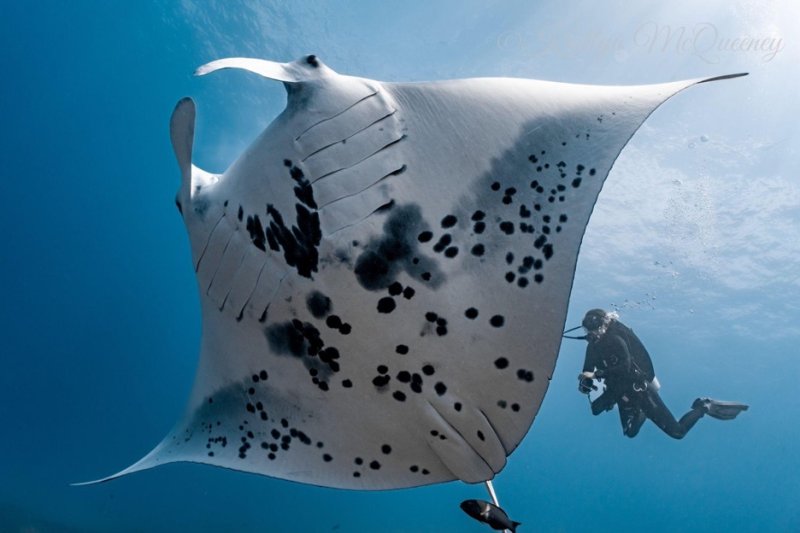
Socorroöarna är ett utmärkt exempel. Dykare stöter rutinmässigt på gigantiska oceaniska mantor, hammarhajar, lekfulla delfiner och ett rikt pelagiskt liv i detta UNESCO-biosfärområde.
kaitlyn-mcqueeney
Jättelika oceaniska mantor vid Socorroöarna i Mexiko.
Marina reservat gynnar inte bara havet, utan hjälper också lokala samhällen. När marina ekosystem återhämtar sig ger turismen ofta en hållbar inkomst för kustborna. Cabo Pulmos marina reservat genererade över 106 miljoner pesos årligen från ekoturism och dykning, vilket ersatte inkomster som förlorats på grund av överfiske och stödde lokala företag, lodger och dykoperationer.
Samhällets ledarskap och efterlevnad, begränsningar för besökare och miljöstandarder säkerställer ett långsiktigt skydd av området. Fördelarna med marina reservat sträcker sig bortom ekologin; de bygger också upp ekonomisk motståndskraft och lokal stolthet.
Älskar du mantor? Här är hur du kan hjälpa dem: Manta Ray Conservation: Den ultimata guiden för Scuba Divers
På en bredare skala är en av de viktigaste fördelarna med marina reservat deras roll i globala bevarandeinsatser. Marina reservat ökar biomassan och den biologiska mångfalden inom sina gränser, och "spillover" av vuxna fiskar befolkar angränsande områden och förbättrar fisket i närheten.
Dessa refuger fungerar som hotspots för biologisk mångfald, genreservoarer och referensplatser för att förstå orörda marina ekosystem.
Detta koncept ligger i linje med vetenskapliga rekommendationer, som de från marinbiologen Jane Lubchenco, som förespråkade att skydda tjugo procent av havet till 2020; en ansträngning som är rotad i de bevisade fördelarna med marina reservat för ekologisk motståndskraft och havshälsa.
En annan viktig men ofta förbisedd aspekt av marina reservat är deras bidrag till klimatresiliensen. När de globala temperaturerna stiger och havsförsurningen hotar känsliga revsystem utgör välskötta marina reservat en buffert mot dessa förändringar.
Friska ekosystem, särskilt korallrev och sjögräsängar, har bättre förmåga att absorbera miljöstress och återhämta sig från blekande evenemang när de lämnas ostörda. Detta innebär att en av de nya fördelarna med marina reservat är deras förmåga att fungera som klimatskydd för utsatta arter.
Genom att skydda hotspots för biologisk mångfald bidrar marina reservat till att bevara den genetiska mångfalden inom fisk- och korallpopulationer; en mångfald som kan visa sig vara avgörande för anpassningen till varmare hav.
Arter som överlever värmestress eller förändrade förhållanden inom dessa skyddade områden kan med tiden återbefolka omgivande rev. Reservat som innehåller mangrove eller sjögräsbäddar stöder dessutom kolbindning genom att fånga kol i biomassa och sediment, vilket bidrar till att minska utsläppen på global nivå.
För dykare innebär detta att marina reservat kan fortsätta att erbjuda spännande revupplevelser även om närliggande oskyddade områden försämras. Dessa fickor av motståndskraft gör det möjligt för Scuba Divers att bevittna havslivet i sin mest livfulla form och stödja bevarande helt enkelt genom ansvarsfullt resande.
Är du redo att göra skillnad? Gå med i SSI:s Blue Oceans-community idag!
Utbildade dykare kan delta i skyddet av marina reservat genom att anmäla sig till SSI:s specialiteter i ekologi. Dessa fascinerande kurser lär dig hur marina system fungerar och hur reservat förbättrar den biologiska mångfalden. Du kan lära dig allt från Fish Identification och mantaekologi till den spännande vetenskapen Marine Ecology.
SSI-anslutna dykcenter främjar ofta hållbara dykmetoder och samarbetar med reservatsförvaltare och erbjuder möjligheter för SSI-dykare att delta i revövervakning, borttagning av spöknät eller medborgarforskningsprojekt.
Besök i marina reservat med certifierade operatörer bidrar till att stärka finansieringen av lokalt bevarande och främjar hållbara turistmodeller.
Dessa fördelar visar varför dykare spelar en meningsfull roll i bevarandet av haven genom ansvarsfulla resor, utbildning och opinionsbildning.
Redo att dyka in? Hitta det perfekta miljömedvetna Utbildningscentret genom att använda SSI Dive Center Locator
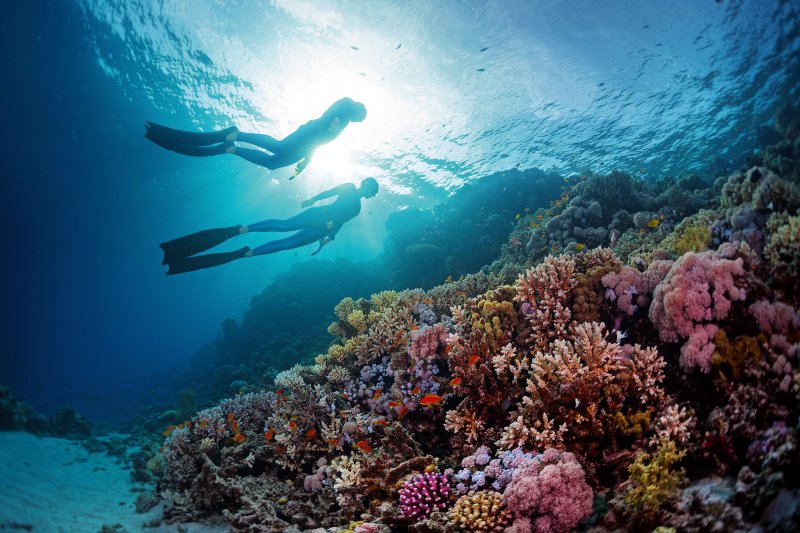
Bild: SSI-dykare glider över ett blomstrande rev
fotolia
Välskötta marina reservat är viktiga för att bevara haven och erbjuder också exceptionell dykning.
SSI:s kurser i ekologi fördjupar förståelsen för fördelarna med marina reservat och hjälper dykare att förstå hur marina reservat fungerar på alla nivåer. Dessa kurser kan genomföras helt online av alla från 10 år och uppåt, vilket gör dem till ett perfekt alternativ för familjer och en rolig, lärorik aktivitet för alla åldrar.
SSI:s kurs Marine Ecology bygger en solid grund för dykare som vill förstå havssystem och hur reserver fungerar. Genom den här kursen lär du dig om näringsvävar, korallbiologi och hot som föroreningar och överfiske.
Andra toppkurser för att lära sig mer om havet inkluderar SSI:s Shark Ecology, Fish Identification och Manta & Ray Ecology kurser.
Att förstå fördelarna med marina reservat är viktigt för alla som bryr sig om revens hälsa, den marina biologiska mångfalden och ansvarsfull turism. Från ekologisk återhämtning och bättre dykning till globala naturvårdsvinster erbjuder marina reservat obestridliga fördelar.
Välskötta reservat visar att skydd fungerar - och att dykare kan spela en meningsfull roll för att skydda havet.
Starta din ekologiutbildning idag och hjälp till att skydda de marina reservaten som skapar otrolig dykning för kommande generationer:
Upptäck SSI:s kompletta utbud av Specialiteter i ekologi
Den här artikeln har översatts automatiskt och kan innehålla mindre felaktigheter; se den engelska originalversionen om du är osäker.