American researchers discover unknown deep-sea corals
environmentoceanmarine biologydeep-sea explorationcoral discovery
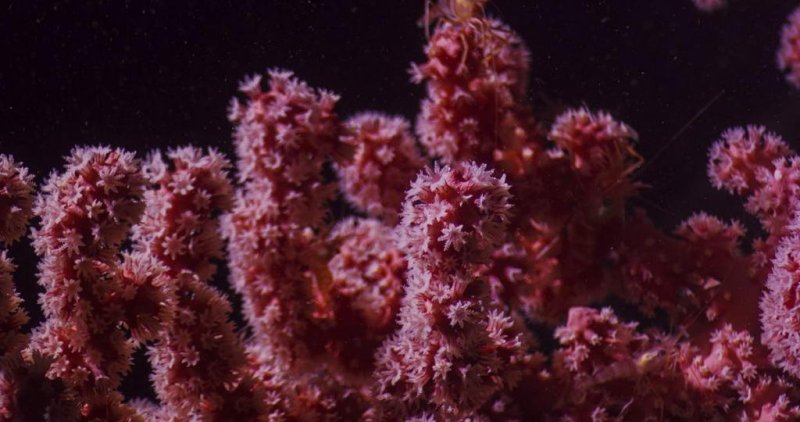
A bubblegum coral (Paragorgia spp.) similar to, but distinct from, the new species identified in Lydonia Canyon. (c) Ivan Agerton, OceanX.
At least two different types of bubble gum corals identified
DNA analysis has now confirmed that scientists from the Woods Hole Oceanographic Institution (WHOI) and their colleagues from Mission OceanX of the University of Connecticut (UConn) and NASA's Jet Propulsion Laboratory (JPL) have discovered two new types of deep-sea corals. The discovery made the scientists during an expedition in September 2018 in the Northeast Canyons and Seamounts National Monument about 100 miles off the northeast coast of the United States
The research team led by deep-sea biologist Tim Shank from the WHOI also included Taylor Heyl (WHOI), Rachel O'Neill (UConn) and John Leichty (JPL). With the help of OceanX's Alucia research and reconnaissance vessel, the team explored several of the reserve's unique deep-water habitats, including three deep water canyons.
During the two-week expedition, the scientists collected a total of 29 coral samples in the Lydonia Canyon at depths between 369 and 903 meters with the submarine "Nadir".
" We've identified at least two corals that represent genetically different species, " explains Shank. " They do not show sufficient genetic similarity to other species currently known in the global DNA sequence repository."
According to Heyl, the two new species found in Lydonia Canyon are so-called bubblegum coral (Paragorgia spp.).
" We did not expect to find any bubble gum corals there because they were not found in any of the neighboring canyons," explains Shank. "We've seen a great variety of other corals - at least 24 species on the seabed, " he adds.
Shank found that coral species deep in the canyon, more than 900 meters below the surface, were very different from those in shallower waters. Overall, during the three dives of the expedition, the team collected around 200 samples of corals, sponges and other marine animals. " We are still analyzing the data, " says Shank.
Corals found in these depths grow extremely slowly and can be extremely old. Deepwater corals around the world provide the framework to support entire ecosystems that contain more than 2,500 species that live on and around them, including snake stars, crabs and water lilies.
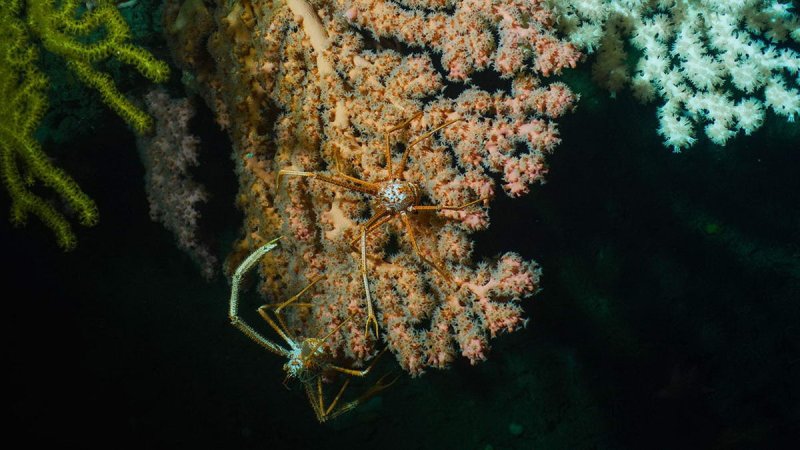
Deep-sea corals like these in Lydonia Canyon are the foundation for diverse ecosystems that thrive far beneath the ocean surface. (c) Luis Lamar, National Geographic
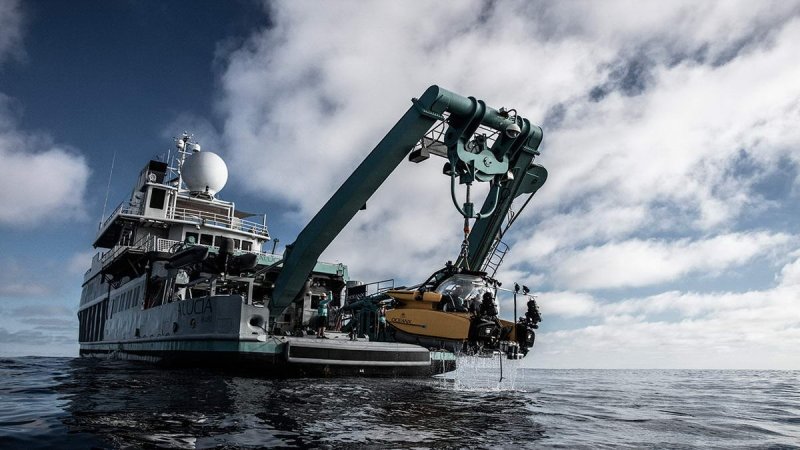
The OceanX research vessel Alucia and submersible Nadir. (c) Luis Lamar, National Geographic
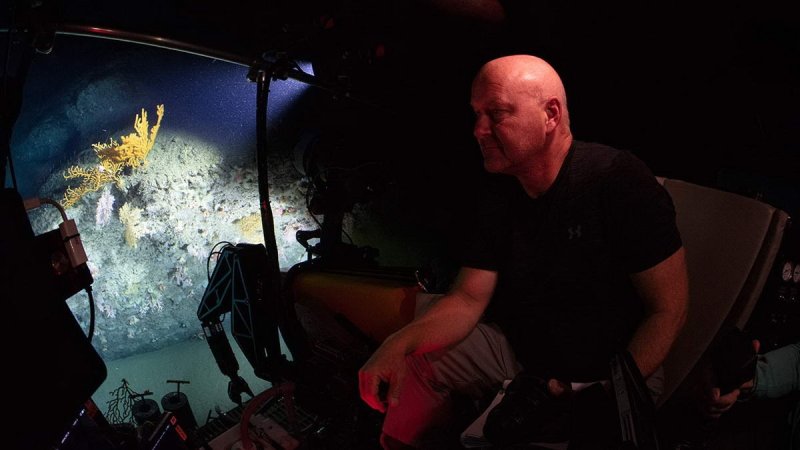
WHOI deep-sea biologist Tim Shank in the OceanX submersible Nadir diving in Lydonia Canyon. (c) Luis Lamar, National Geographic
この記事は自動翻訳されており、多少の不正確な点が含まれている可能性があります。不明な点がある場合は、元の英語版を参照してください。