Rising water temperatures change the habitats of lobsters
environmentmarine lifemarine conservationoceanclimate change
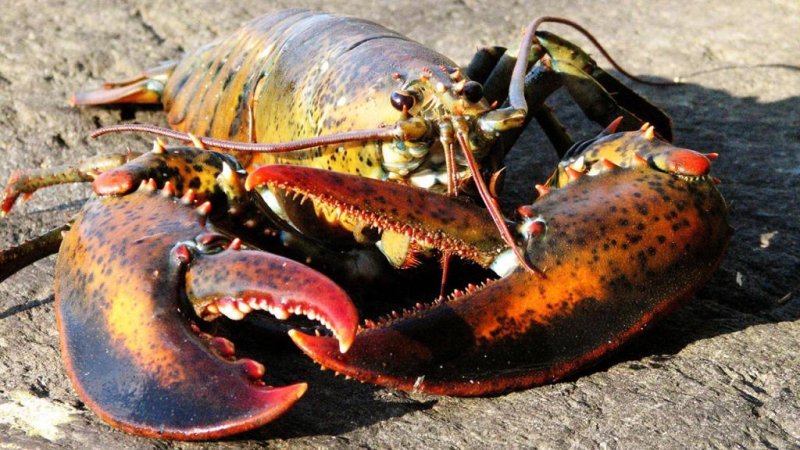
American Lobster, Photo: (c) DejaVuDesigns
American lobsters migrate to deeper waters and move northward Rising temperatures at the bottom of the Atlantic force American lobsters (H. americanus) further off the coast and into more northerly waters, according to a new study led by the Woods Hole Oceanographic Institution (WHOI). Climate models predict that temperatures at the bottom of the Atlantic Ocean along the US East coast could increase by up to 4.3 ° C by the end of the century. This is a significant change, and lobsters are particularly sensitive to the warming of water temperatures. The species experiences physiological stress throughout all stages of life when temperatures rise above 20 ° C, " says WHOI researcher Jennie Rheuban, lead author of a new one Study recently published in the Journal of Geophysical Research (JGR). Higher temperatures can affect the hatching and hatching of larvae. Females carry their eggs around with them. When the slip takes place depends largely on the ambient temperatures. The warming of the ground temperatures can also reduce the energy storage winter hummer and lead to more diseases. The US Northeastern Continental Base, home to a highly productive and commercially important marine ecosystem, has experienced some of the world's highest warming rates in recent decades. We wanted to know exactly what is happening on the ground to identify possible impacts on the ecologically and economically important species living there.We focused our analysis on the American lobster, but the data could also be used to assess its impact on others Exploring species that live on the ground, such as shells, "said Rheuban. Co-author Maria Kavanaugh of Oregon State University analyzed ocean temperature data for the past 33 years from the Northwest Atlantic from Cape Hatteras to the Gulf of Maine. The result: seabed temperatures have increased throughout the region, including the lower Gulf of Maine. Lobsters are currently found in waters from southern England to Canada, but regional warming is already leading to a decline in lobster fishing in southern New England. The historical temperature data was used by the researchers in extrapolations of ocean temperatures from climate models of the Intergovernmental Panel on Climate Change (IPCC) and presented two scenarios based on possible future carbon dioxide emissions. One of the scenarios, known as the "business as usual" scenario, is based on uncontrolled emissions and does not include effective measures against climate change. The second scenario includes climate change measures and predicts about half of the warming compared to the business as usual scenario. In both cases, the results showed that the conditions in the southernmost habitat of lobsters will probably be less hospitable for juveniles in the future. The study also found that warming may push lobsters further off the coast, while the Gulf of Maine population is likely to increase and expand northward. The coastal regions act as a habitat for larvae and juveniles, providing them with a shelter that is nutritious and relatively safe from predators. "When adult females are forced into deeper waters for ideal temperatures, larvae can hatch and are less likely to survive offshore, and animals can be forced into offshore waters that are less predatory, " said Rheuban. Elevated water temperatures could also increase the incidence of lobsters in lobsters, altering lobster behaviour, growth, mortality, reproductive success and marketability.
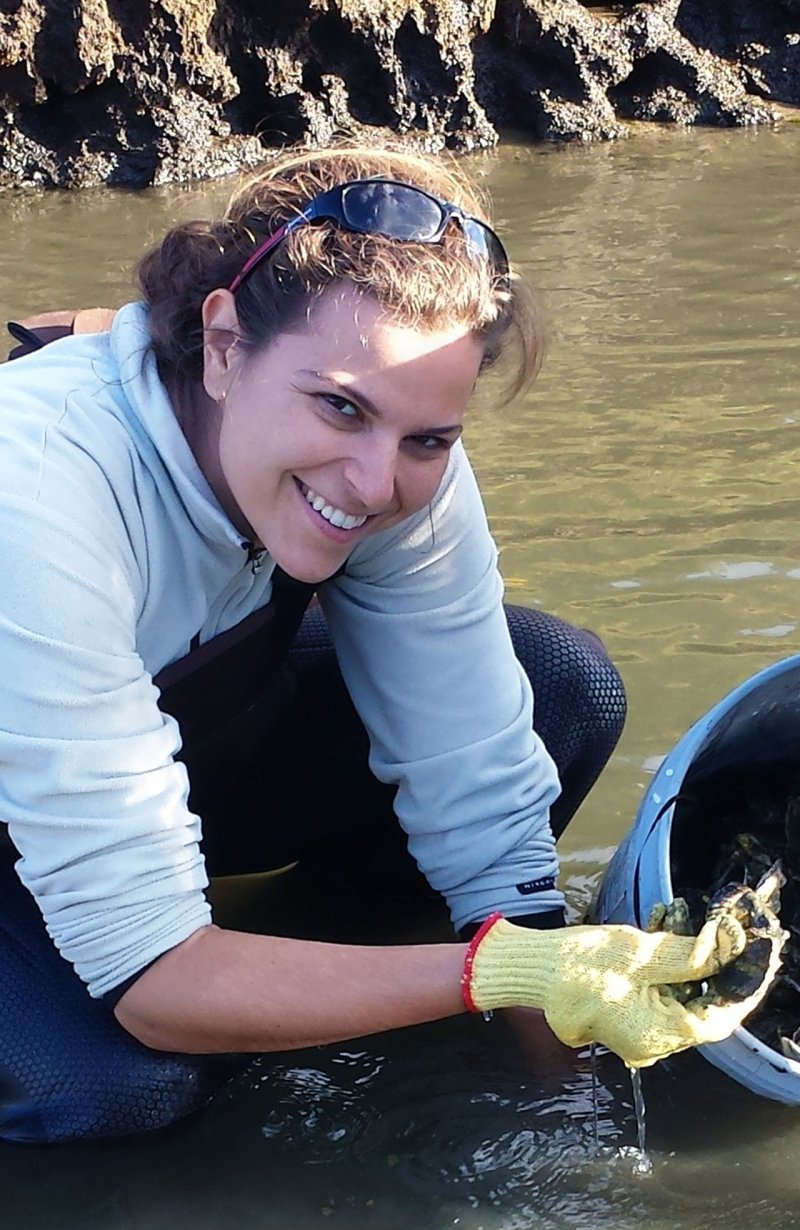
Jennie Rheuban, lead author of the study, photo: (c) Jennie Rheuban, WHOI
Bài viết này được dịch tự động và có thể chứa một số lỗi nhỏ; vui lòng tham khảo bản gốc tiếng Anh nếu có thắc mắc.