Lack of funds and staff prevent Marine Protected Areas from fulfilling full potential
environmentmarine conservationmarine protected areasfundingstaffing
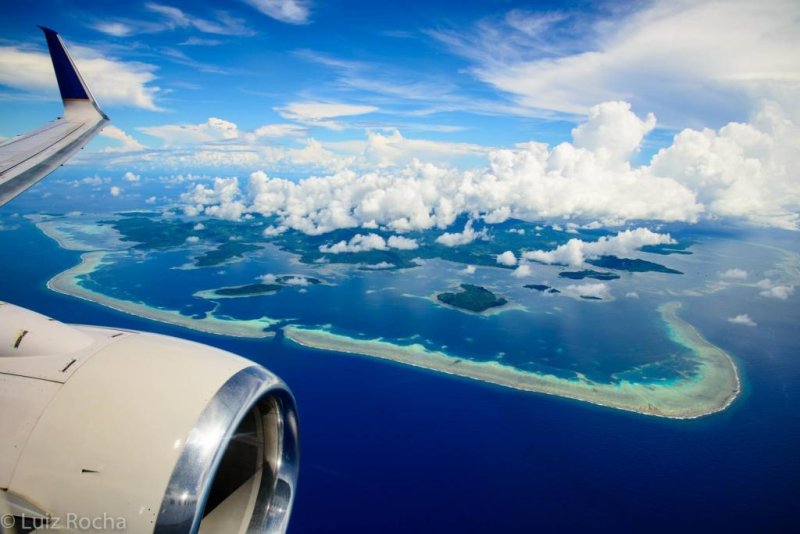
Pohnpei’s Palikir Pass attracts world class surfers.
(c) Luiz Rocha
Shortfalls in manpower and funding prevented many MPAs from fulfilling their objectives Although Marine Protected Areas appear to be the ideal way forward in
our bid to safeguard our marine resources, a new study has highlighted
the fact that many of them are underfunded and understaffed.
Marine protected areas (MPAs) have proven to be a good way to protect
marine biodiversity. More and more of them are being established. In
just the last two years, over 2.6 million km2 have been added to the
area of global oceans covered by MPAs, bringing the total to over 14.9
million km2.
However, a new study has revealed that most of MPAs have yet to reach
their full potential because of a lack of adequate staff and funds. The
findings of the study are published in the Nature journal last week.
In the four-year study, site management and fish population data of 589
MPAs was compiled and analysed by Dr David Gill and his team. Dr Gill
had conducted the research during a postdoctoral fellowship supported
by the National Socio-Environmental Synthesis Center (SESYNC) and the
Luc Hoffmann Institute.
The team discovered that shortfalls in manpower and funding prevented
many MPAs from fulfilling their objectives. We set out to understand
how well marine protected areas are performing and why some perform
better than others. What we found was that while most marine protected
areas increased fish populations, including MPAs that allow some
fishing activity, these increases were far greater in MPAs with
adequate staff and budget, " said Dr Gill.
Specifically, while fish populations increased in 71% of the MPAs
studied, the level of recovery of fish was strongly linked to the
management of the sites. At MPAs with sufficient staffing, increases in
fish populations were almost three times greater than those
insufficient personnel. In addition, only 35% of MPAs reported
acceptable funding levels and only 9% reported adequate staff to manage
the MPA.
"These results highlight the potential for an infusion of resources and
staff at established MPAs – and at MPAs in the pipeline – to enhance
MPA management and ensure that MPAs realise their full potential, " said
Dr Helen Fox of the National Geographic Society, who led the research
initiative together with Dr Michael B Mascia of Conservation
International.
The good news is that this is a solvable problem. MPAs perform better
when they have enough staff and an adequate budget, " she added.
To remedy the situation, the authors propose policy solutions like
increasing investments in MPA management, prioritising social science
research on MPAs, and strengthening methods for monitoring and
evaluation of MPAs.
According to Gabby Ahmadia, WWF’s lead marine scientist, While the
momentum around the creation of new marine protected areas is exciting,
it’s essential that we don’t leave existing MPAs behind. This research
highlights the need to be thoughtful and critical about how we support
existing MPAs to optimise benefits for both people and nature. An example project of MPA which works out well.
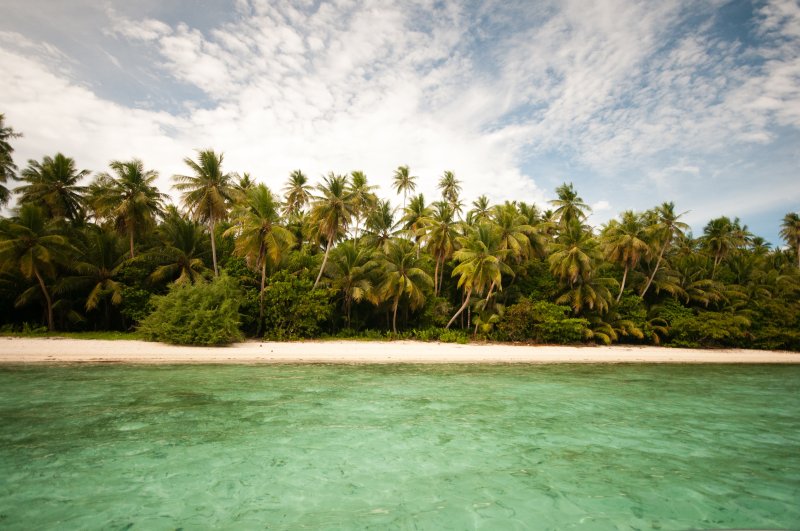
Micronesia’s success is due to the way it engages local fishers in protecting the area.
(c) Rebecca Weeks
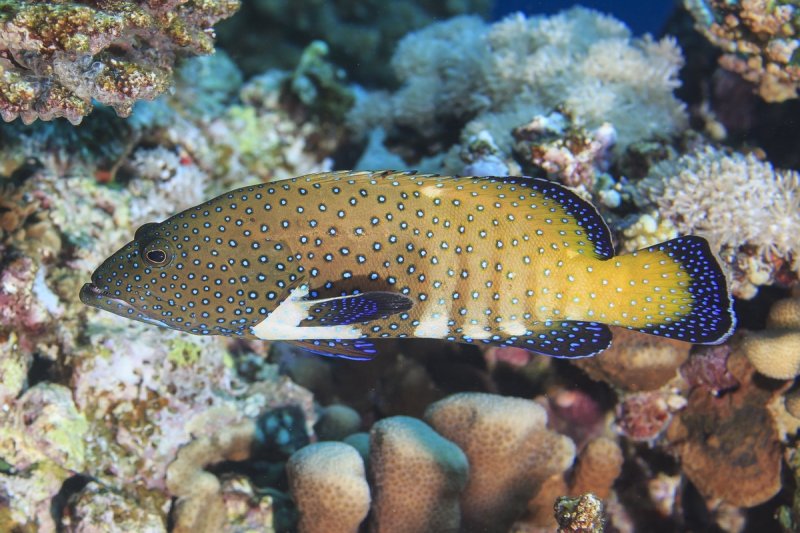
Fish similar to this peacock grouper, which have relatively small home ranges, will be well protected within the new Palikir Pass MPA.
(c) Tane Sinclair-Taylor
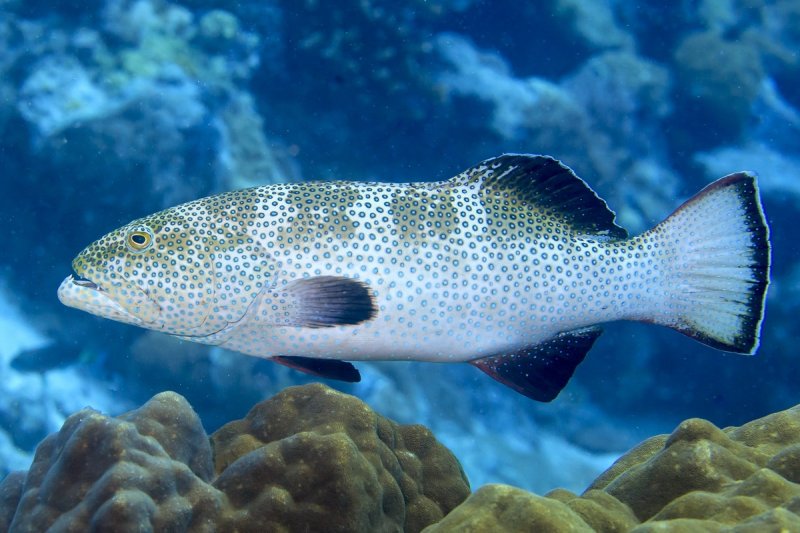
The Palikir Pass marine protected area includes an important spawning aggregation for squaretail coralgrouper.
(c) Tane Sinclair-Taylor
Овај чланак је аутоматски преведен и може садржати мање нетачности; уколико имате недоумица, погледајте оригиналну енглеску верзију.