Exploring the Kelp Forests in California: A Diver's Guide
scuba divingenvironmentfreedivingtravelecology
Shutterstock-Andrew-b-Stowe
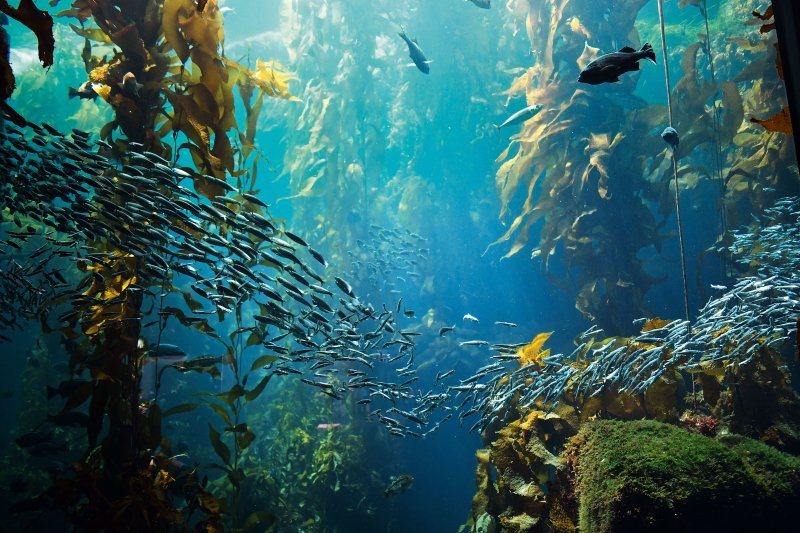
Beneath the surface of the Pacific Ocean, California's coastline hides a secret garden of towering seaweed: the kelp forest. Swaying rhythmically with the ocean currents, these golden-brown canopies stretch toward the sun like underwater trees, creating one of the most unique and enchanting ecosystems for scuba divers to explore. From the rocky shores of Monterey Bay to the remote islands off Southern California, the kelp forests in California offer a completely different diving experience: cool, wild, and teeming with marine life. In this article, we uncover what makes California's kelp forests so extraordinary, where to dive in them, who lives there, and how to protect them.
Kelp forests are large underwater ecosystems formed by giant brown algae, most notably Macrocystis pyrifera, or giant kelp. These algae can grow astonishingly fast - up to 600 cm (two feet) per day - and can reach heights of over 30 meters (100 feet).
Unlike coral reefs, which take centuries to form, kelp forests are incredibly dynamic and can grow or shrink significantly over just one season. They anchor themselves to rocky substrates with holdfasts, rising through the water column to create a complex three-dimensional habitat that mimics the layered structure of a terrestrial forest.
These forests are not just beautiful – they are essential:
- Provide food, shelter, and nursery grounds for hundreds of marine species
- Help reduce shoreline erosion by buffering wave energy
- Play a role in carbon sequestration by absorbing CO₂
- Support fisheries, tourism, and climate regulation
The kelp forests in California are among the most iconic underwater environments in the world, stretching along much of the state's rugged coastline. Diving here offers an unforgettable experience, combining towering underwater forests with rich marine life and dynamic conditions. Below are some of the best places to explore these unique ecosystems, and what to expect when you dive them.
One of the most well-known areas for diving kelp forests in California is Monterey Bay. Located in Central California, this region is protected by the Monterey Bay National Marine Sanctuary, which safeguards a variety of marine habitats.
The kelp forests here are easily accessible from shore, with popular dive spots offering relatively easy entry and abundant marine life. Point Lobos State Natural Reserve, for example, is a favorite among divers thanks to its clear waters, strict visitor limits, and untouched underwater landscapes.
Further south, diving in the Channel Islands offers some of the most pristine and dramatic kelp forests in California. Situated off the coast of Santa Barbara and Ventura, these remote islands are often reached by boat and provide a more adventurous dive experience.
The waters surrounding islands like Anacapa and Santa Cruz are often clearer than the mainland, and the kelp forests here grow thick and tall thanks to nutrient-rich upwelling from the deep sea.
Catalina Island, located just a short ferry ride from Los Angeles, is another top destination for exploring the kelp forests in California. This island features well-managed dive parks, consistent kelp growth year-round, and good facilities for divers of all levels. Its proximity and reliable conditions make it a favorite for both beginners and experienced divers alike.
At the southern end of the state, La Jolla Cove in San Diego hosts a thriving kelp ecosystem and is popular with both local divers and snorkelers. The combination of easy beach access and vibrant marine life makes it a great introduction to diving the kelp forests in California.
Diving in these forests is unlike any tropical dive. The water is colder, typically ranging from 50°F (10°C) in winter to 65°F (18°C) in summer. Divers often wear 8mm wetsuits, hoods, and gloves, or even drysuits, especially in northern regions.
Visibility can vary widely - some days offering a murky 3 meters (10 feet), others providing crystal clarity up to 18 meters (60 feet), depending on ocean swell, tides, and weather.
Unlike calm reef dives, kelp forests are dynamic environments. Surge and current are common, especially near the surface and in shallow areas, requiring good buoyancy control and awareness. The movement of the kelp itself adds to the challenge and beauty, creating an immersive, ever-shifting experience.
READ MORE: SSI x Edges of Earth: Swimming in Forests - Why We Love Scuba Diving at La Jolla Cove
California's kelp forests are home to a diverse array of marine species, from large mammals to small invertebrates, all thriving within the shelter of the towering kelp:
- California sea lions - often seen swimming among the kelp and sometimes mimic divers' movements
- Garibaldi fish - bright orange and highly territorial, easy to spot among the fronds
- Nudibranchs and octopuses - small, camouflaged invertebrates often hiding in crevices
- Bat rays and leopard sharks - occasionally seen gliding along the sandy bottom
- Kelp bass, sheephead, and rockfish - common temperate reef fish throughout the forest
- Sea otters - in Central California, use kelp to anchor themselves while feeding or resting
Diving the kelp forests in California is both thrilling and tranquil, but it requires a few extra precautions. Entanglement is a common concern, though it is rarely dangerous if you remain calm and move deliberately.
It is best to swim slowly and follow the natural pathways through the kelp, rather than pushing through dense areas. Keeping your arms close to your body helps avoid snagging your gear.
It is also wise to carry a cutting tool, such as a small dive knife or line cutter, just in case. When surfacing, look up and ascend vertically through a clear space in the canopy to avoid getting tangled in the uppermost kelp fronds.
Good buoyancy control is crucial, not only for maneuvering through the kelp forest but also to avoid damaging the kelp or disturbing the seabed. SSI's Perfect Buoyancy specialty can help you master this essential skill for a more enjoyable and eco-friendly dive.
And finally, always dive with a buddy and establish clear communication signals, as visibility in kelp forests can change quickly.
There are some amazing dive spots out there! Here is some inspiration for your next trip: Dream Dives: Are These the 15 Best Scuba Dives in the World?
Despite their resilience, the kelp forests in California are under increasing pressure from environmental changes. One of the most significant threats comes from the explosion of purple sea urchin populations, particularly in areas where natural predators like sea otters and sunflower sea stars have declined. Without these predators, urchins can overgraze the kelp, creating what are known as “urchin barrens”: barren stretches of rocky reef stripped of vegetation.
Warming ocean temperatures pose another serious threat. Marine heatwaves and changing current patterns can stress kelp, reduce growth rates, and allow invasive species to take hold.
Pollution and coastal runoff also degrade water quality, adding additional stress to these delicate systems. Storm damage, intensified by climate change, can rip kelp from the seafloor, reducing forest density and limiting regrowth.
Divers play a unique role in protecting the fragile kelp forest ecosystem. By making informed choices and adopting responsible habits, you can help ensure these underwater forests thrive for generations to come:
- Join citizen science programs - Organizations like Reef Check California train divers to monitor kelp health, track marine biodiversity, and collect data used by scientists and policymakers.
- Volunteer for urchin removal dives - In areas where purple urchin populations have exploded, divers can assist in carefully reducing numbers to allow kelp to recover.
- Dive with eco-friendly operators - Support dive centers in California and charters committed to sustainable practices, marine conservation, and education.
- Practice low-impact diving - Avoid breaking or tearing kelp, maintain good buoyancy to protect the seabed, and keep a safe distance from marine life.
- Report what you see - If you encounter unusual species, disease, or large urchin barrens, report your observations to local conservation groups.
- Be an advocate - Support marine protected areas, reduce your plastic use, and raise awareness among fellow divers about the importance of kelp ecosystems.
Even small actions by individual divers add up to a big difference. Every dive is an opportunity to be an ocean ambassador, protecting and preserving the kelp forests in California.
MAKE A DIFFERENCE TODAY: 10 Easy Ways to Go Plastic Free
Few places in the world offer divers access to such expansive and ecologically rich kelp forests. California's unique geography, influenced by cold upwelling currents and a rugged, rocky coastline, creates ideal conditions for kelp to thrive.
The diversity of marine life, from top predators to tiny invertebrates, is extraordinary, and the variety of dive sites, from beginner-friendly shores to advanced offshore adventures, means there is something for every diver.
Exploring the kelp forests in California is more than just a breathtaking experience – it is a chance to witness one of the ocean's most important ecosystems. With SSI's Marine Ecology course and Blue Oceans program, you can deepen your understanding, improve your diving skills, and learn how to protect these towering underwater forests for the future.
Ready to dive in? Check out SSI's dive centers in California to plan your trip and start exploring today.