Solution to plastic trash found… in trash
environmentmarine conservationplastic wastepet recyclingbacteria
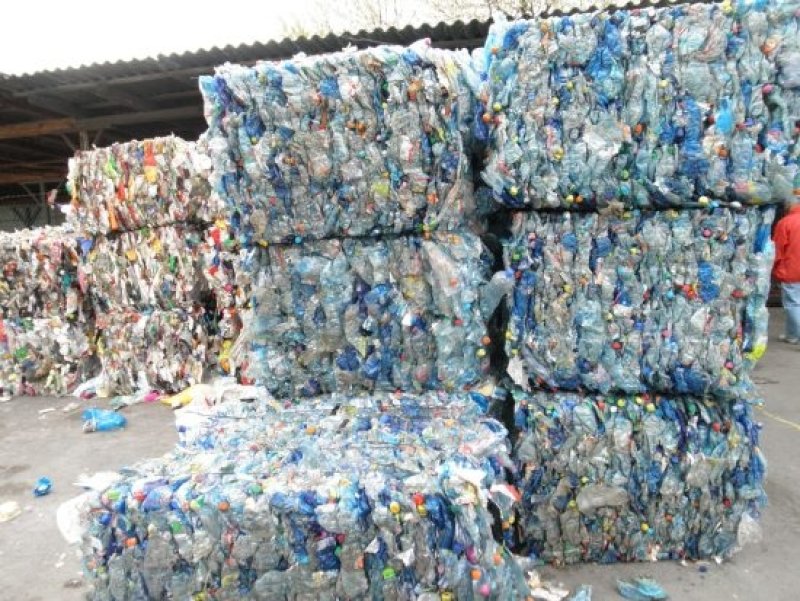
Scientists from the Kyoto Institute of Technology have discovered a bacteria that can break down the widely used plastic material polyethylene terephthalate (PET), possibly opening a new chapter in the fight against plastic waste.
PET is often used in food packaging and in the manufacture of plastic bottles. About 300 million tons of plastic is prodiced annually. Of this, about 56 million is used in making PET products. Currently, just a very small portion of this is recycled, while the rest ends up as trash in our environment, mainly in our oceans.
In conducting their research, the scientists had taken 250 samples of sediment, soil and wastewater from a recycling plant for PET bottles, and searched for an microorganism that was consuming the PET material.
In the process, they found some microbes that appeared to break down a PET film, but it turned out that just one bacterium – which they named "Ideonella sakaiensis 201-F6" – was responsible for PET degradation.
Subsequent tests showed that the bacterium was able to break down a thin PET film in six weeks if the surrounding temperature was maintained at 30 degrees Celsius. It does this by using two key enzymes that break down the plastic. At the end of the process, the PET is converted into terephthalic acid and ethylene glycol, both of which are not harmful to the environment.
Commenting on the discovery, biochemist Uwe Bornscheuer from Greifswald University described it as a major achievement, but said that the digestive process was slow. He was not involved in the research.
This discovery may prove to be an interesting development for PET recycling. Besides the possibility of using the baterium to remove waste plastic from the environment (to a certain extent), if the terephthalic acid can be isolated, it may form the basis for producing a new, cheaper type of plastic without using petroleum.
Link to study: http://science.sciencemag.org/content/351/6278/1196
Bài viết này được dịch tự động và có thể chứa một số lỗi nhỏ; vui lòng tham khảo bản gốc tiếng Anh nếu có thắc mắc.