Why Mangroves Matter: Discover These Spectacular Ocean Forests
environmenttravelecology
iStock-Damocean
Every diver dreams of colorful reefs and vast blue horizons. But before the coral, before the drop-offs, and even before the open sea – there is a forest. Mangrove forests. These tangled, salt-tolerant trees form one of the most important, yet overlooked, ecosystems on the planet. And for divers, they offer a hidden world teeming with life, mystery, and ecological magic.
Mangroves play a vital role in maintaining ocean health. They provide essential habitats for marine life, protect coastlines from erosion, and contribute to the fight against climate change. Their unique connection to the diving world makes them especially worth protecting.
Let us dive in - to what they are, where to find them, and why they need our help.
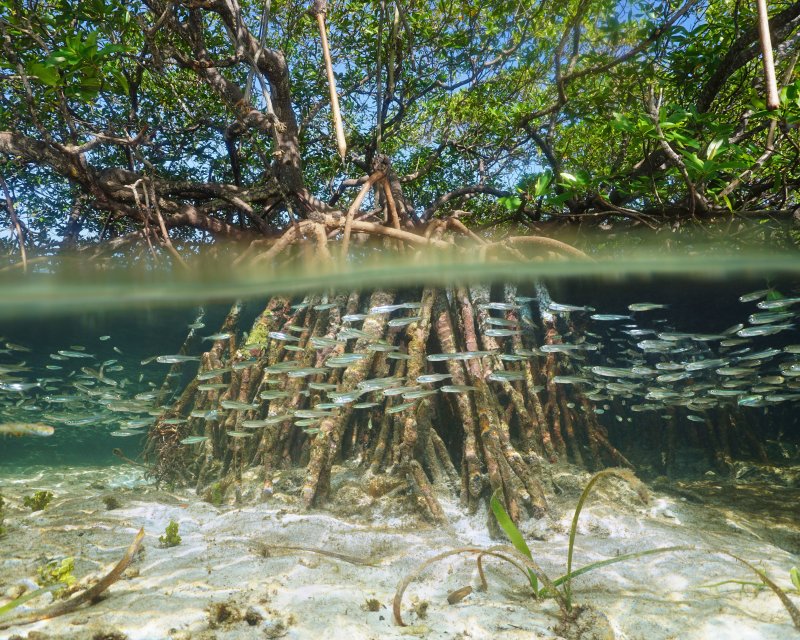
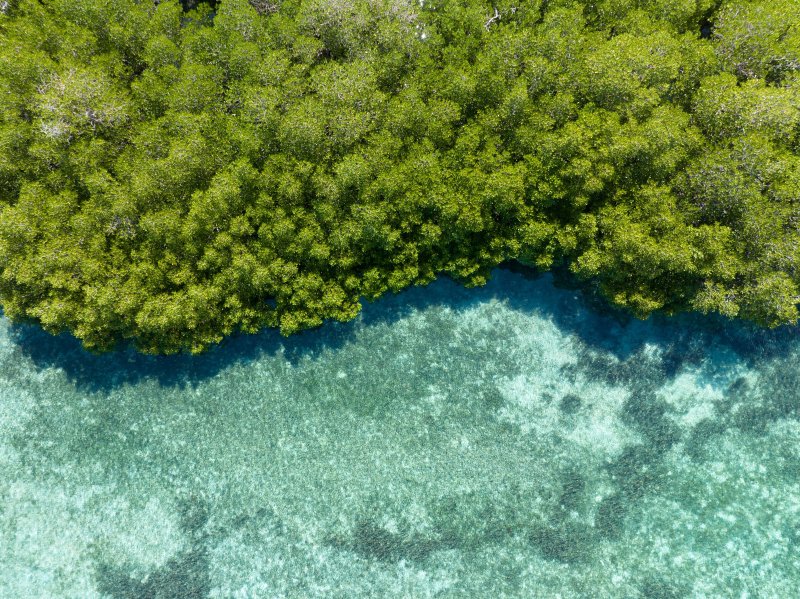
Mangroves are coastal forests made up of saltwater-tolerant trees with sprawling, stilt-like roots that stretch above and below the waterline. Found in over 120 tropical and subtropical countries, mangrove ecosystems are a bridge between land and sea.
Beneath their calm surface lies a powerhouse of marine life, protection, and carbon storage.
Mangroves serve as safe havens for juvenile reef fish, crustaceans, rays, and even baby sharks. These sheltered, brackish waters offer ideal conditions for young marine life to grow before they venture out into coral reefs or deeper waters.
Without mangroves, many fish populations would simply collapse.
Mangrove roots act as living sea walls. They absorb wave energy, reduce erosion, and protect coastlines from storm surges and tsunamis. This is especially vital in hurricane-prone regions like Southeast Asia and the Caribbean.
Mangrove forests store up to four times more carbon than rainforests per hectare. They trap carbon in both their biomass and waterlogged soils, making them essential tools in the fight against climate change.
These forests are home to a wide array of marine and terrestrial species - from seahorses and turtles to birds, crabs, and mangrove monitor lizards. For macro enthusiasts and critter hunters, mangroves are a paradise of biodiversity.
Love searching for critters? Check out SSI's 8 Best Spots for Muck Diving
Looking for the best places to dive or snorkel among mangroves? Try diving in Raja Ampat, Tulum in Mexico, El Quseir in Egypt, or Puerto Galera in the Philippines - all home to mangrove-fringed waters rich in marine life and perfect for diving.
Diving or snorkeling in a mangrove area is unlike any other underwater experience. You will glide through cathedral-like root systems, watch juvenile fish dart between branches, and discover tiny wonders hidden in plain sight.
shutterstock_Ethan-Daniels
- Raja Ampat, Indonesia – Where reefs and roots collide in spectacular harmony. Located in the Coral Triangle, it is one of the world's most biodiverse marine regions.
- Tulum, Mexico – Cenotes meet mangrove-lined lagoons. Located on the Yucatán Peninsula, it is ideal for freshwater and coastal exploration.
- El Quseir, Egypt – A rare Red Sea fringe full of life. This historic port town on Egypt's east coast offers easy access to uncrowded mangrove sites.
- Puerto Galera, Philippines – Macro diving heaven among the mangroves. Just a few hours from Manila, it is a diver's paradise rich with life and variety.
Pro Tip: Dive at sunrise or sunset when marine life is most active.
- There are over 80 species of mangroves globally
- Roots "breathe" using snorkel-like pneumatophores
- Mangroves filter pollutants from freshwater before they reach coral reefs
- Over 35% of mangroves have been lost in the last few decades
- Many shrimp and lobster species begin life in mangroves
Want to help restore mangroves? Here is how you can support marine restoration and help plant coastal habitats.
You do not have to live near the ocean to help protect mangroves. Here is how every diver can contribute:
Avoid anchoring boats near mangroves. If diving or snorkeling, never break roots or disturb sediment - it can cloud the water and suffocate marine life.
Stick to boardwalks or guided paths when exploring coastal mangroves. This prevents trampling fragile roots and disturbing nesting animals.
Mangroves trap plastic waste easily, harming the very animals they shelter. Every bit of reduction counts.
If you are keen to deepen your understanding of the ocean and become a more responsible diver, the SSI Marine Ecology specialty and Blue Oceans program are excellent places to start.
Whether you are a beginner or seasoned diver, these courses help turn awareness into action.
Mangroves may not be as flashy as coral walls or as thrilling as wreck dives - but they are just as vital. They are the lungs, nurseries, and natural barriers of our blue planet.
As divers, we have a responsibility to protect every part of the ocean - including the places that often go unnoticed.
You do not have to be a scientist to protect the sea - just a diver who cares. Choose an SSI Environmental Specialty and start your marine conservation journey today.