¿Deberías cambiar? Ventajas e inconvenientes de los rebreathers de circuito cerrado
scuba divingextended range
mares
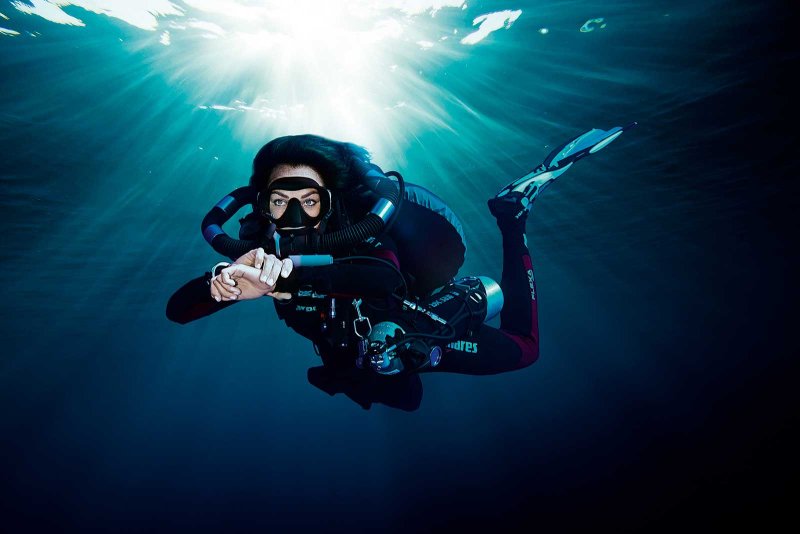
Los rebreathers de circuito cerrado (CCR) han revolucionado el buceo técnico en las dos últimas décadas. Antaño dominio exclusivo de militares y buceadores de élite, los CCR son ahora una opción habitual para los buceadores técnicos que buscan tiempos de fondo más prolongados y una mayor eficacia del gas. Pero, como ocurre con cualquier herramienta del buceo técnico, los CCR no están exentos de ventajas y desventajas.
Si estás pensando en pasarte a un rebreather, es fundamental que entiendas tanto las ventajas como los retos antes de invertir tu tiempo, dinero y formación en esta tecnología. En este artículo, nos adentraremos en los pros y los contras de los rebreathers de circuito cerrado, ayudándote a decidir si este avanzado equipo es la elección adecuada para tus objetivos de buceo.
En esencia, los rebreathers de circuito cerrado son sistemas de respiración que reciclan el gas exhalado. En lugar de expulsar al agua gases de escape ricos en dióxido de carbono, un CCR "friega" el CO₂ de tu exhalación mediante un absorbente químico y vuelve a añadir oxígeno al circuito para mantener una mezcla de gases respirable. Este diseño de circuito cerrado significa que casi no hay burbujas y que la eficacia del gas es notable, especialmente en inmersiones profundas o prolongadas.
En cambio, el buceo técnico con circuito abierto simplemente vierte tu gas exhalado en el agua, desperdiciando costosas mezclas de helio y limitando el tiempo de inmersión. En las inmersiones técnicas que implican una descompresión importante, en entornos elevados o en largas penetraciones, la eficacia de los RCC se convierte en una gran ventaja.
Una de las ventajas más evidentes de los RCC es su eficacia. Como el sistema recicla el gas exhalado y sólo añade oxígeno para satisfacer las necesidades metabólicas, el consumo de gas ya no viene dictado por la profundidad.
El cuerpo humano consume la misma cantidad de oxígeno por minuto en la superficie que a cualquier profundidad, siempre que el ritmo de trabajo se mantenga constante. La única forma de aumentar el consumo de oxígeno es aumentar la carga de trabajo.
Como sólo reponemos el oxígeno metabolizado en un intervalo de 0,5 a 3 L de oxígeno por minuto, una botella de 3 L podría durar entre 20 y 3 horas. En inmersiones profundas en las que se utiliza el costoso helio Trimix, esta eficacia puede hacer que inmersiones que de otro modo tendrían un coste prohibitivo sean más asequibles y más largas.
Por ejemplo, un buceador a 90 metros en circuito abierto puede quemar varias botellas grandes de trimix en una sola inmersión. Un buceador CCR con el mismo perfil podría utilizar sólo una fracción de una botella pequeña. Por eso los rebreathers de circuito cerrado suelen ser la opción preferida para las inmersiones de exploración de tipo expedición.
En circuito abierto, tu tiempo de inmersión suele estar limitado por el suministro de gas. En CCR, es mucho más probable que tu tiempo de fondo esté limitado por las obligaciones de descompresión, la resistencia térmica o las limitaciones de la misión.
Esto es especialmente valioso para la exploración de pecios, la documentación científica o los proyectos cartográficos, en los que el tiempo bajo el agua es esencial. Los CCR te permiten permanecer más tiempo, recoger más datos y reducir la carga logística de llevar varias botellas de etapa de circuito abierto.
Descubre cómo los CCR desbloquean pecios legendarios: Buceo en el HMHS Britannic
Los CCR te permiten mantener una presión parcial de oxígeno (PPO₂) casi constante durante toda la inmersión. Esto significa que puedes mantener una PPO₂ media más alta de lo que es práctico con el circuito abierto, optimizando tu entrada y salida de gases, y reduciendo potencialmente los tiempos de descompresión.
En inmersiones técnicas largas, esta ventaja puede ahorrar valiosos minutos (o incluso horas) de descompresión, manteniéndose dentro de los límites seguros de exposición al oxígeno. También proporciona flexibilidad en la gestión de las obligaciones de descompresión en caso de emergencia o de cambios inesperados en el perfil.
Para los fotógrafos submarinos, los videógrafos o cualquiera que trabaje en entornos marinos delicados, el funcionamiento sin burbujas de las CCR es una gran ventaja. La vida marina suele reaccionar menos ante los buceadores con CCR, lo que permite aproximaciones más estrechas y mejores oportunidades de observación.
Este funcionamiento "silencioso" también beneficia a los trabajos militares, científicos y de conservación, en los que las burbujas pueden perturbar ecosistemas sensibles o alertar a los observadores.
¿Tienes curiosidad por saber dónde entran en juego estas ventajas? Explora los 12 destinos de buceo imprescindibles de SSI para buceadores Tec
Aunque los beneficios son convincentes, las RCC conllevan importantes retos, y no son para todos los buceadores técnicos.
Las CCR son mecánica y electrónicamente más complejas que el buceo con circuito abierto. Los buceadores deben monitorizar constantemente su PPO₂, el tiempo de depuración, las opciones de rescate y otros parámetros de soporte vital durante toda la inmersión.
Esta carga mental añadida no es trivial y exige un mayor nivel de formación, disciplina y conciencia de la situación. A diferencia del circuito abierto, un fallo de atención o una mala comprobación previa a la inmersión pueden convertirse rápidamente en una emergencia potencialmente mortal.
Los CCR introducen puntos de fallo potenciales que no se encuentran en circuito abierto: sensores de oxígeno, componentes electrónicos, solenoides, depuradores de CO₂ y mecanismos de suministro de oxígeno. Muchos incidentes de CCR pueden deberse a errores mecánicos o humanos, lo que pone de relieve la importancia de un mantenimiento regular, una preparación exhaustiva antes de la inmersión, mantener altos los niveles de destreza y una cuidadosa planificación de la redundancia.
Un episodio hipóxico, hiperóxico o hipercápnico no detectado puede provocar la pérdida de conciencia bajo el agua. Sin embargo, con una formación adecuada, procedimientos disciplinados y un mantenimiento rutinario, estos riesgos pueden gestionarse eficazmente, haciendo del CCR Diving una elección segura y fiable para los buceadores bien preparados.
Los CCR son caros: a menudo cuestan varias veces más que un equipo técnico de circuito abierto. Además del precio de compra inicial, hay costes continuos: sensores de repuesto, material de depuración, carpas de baterías, llenado de oxígeno y diluyente, y mantenimiento periódico.
Esta barrera del coste es una de las razones por las que muchos buceadores eligen continuar en circuito abierto incluso en niveles avanzados. Lo que ahorras en helio puede compensar parte del coste, pero el CCR Diving propiamente dicho nunca es barato.
Convertirse en un buceador CCR competente requiere una inversión significativa en formación y práctica. Incluso los buceadores técnicos experimentados dicen a menudo sentirse "como un principiante otra vez" cuando pasan por primera vez a la CCR.
Además de la certificación básica CCR, muchos buceadores también completarán una formación especializada en Deep Trimix, buceo en cuevas o Technical Wreck Diving en CCR.
¿Listo para ir más profundo? Explora los mejores lugares de buceo técnico Ultra Profundode SSI .
Como en todas las inmersiones técnicas en CCR, tampoco puedes simplemente salir a la superficie si algo va mal. La planificación del rescate es una parte fundamental de cada inmersión CCR y a menudo implica llevar varias botellas de rescate de circuito abierto, lo que aumenta la complejidad y el lastre de la inmersión.
Los rebreathers de circuito cerrado no son una varita mágica, sino una herramienta altamente especializada. Si tus objetivos de buceo incluyen la exploración profunda, largos tiempos de fondo, mínima perturbación de las burbujas y mayor eficacia en profundidad, los CCR pueden ser la elección adecuada.
La CCR exige un mayor nivel de compromiso, una formación rigurosa y una concienciación constante. Muchos buceadores técnicos bucean con éxito durante décadas sin pasarse a CCR y aún así logran notables objetivos de exploración y personales.
Si estás pensando en hacer un CCR, empieza por hablar con un Extended Range Instructor SSI o un centro de buceo. Muchos ofrecen programas de orientación o inmersiones de prueba CCR que te permiten experimentar el equipo y las habilidades en un entorno controlado antes de comprometerte con un curso de certificación completo.
SSI ofrece una progresión completa de programas Extended Range, incluida la formación en rebreathers de circuito cerrado para el Technical Extended Range Diving. Tanto si vas a explorar pecios más profundos, cuevas intrincadas o largos perfiles de descompresión, los cursos CCR de SSI te enseñan la teoría, las habilidades y la mentalidad necesarias para bucear en circuito cerrado de forma segura y eficaz.
Empieza con Extended Range Foundations para desarrollar sólidas habilidades técnicas en circuito abierto. A continuación, pasa a la formación específica de CCR:
- CCR Diving - aprende a bucear con un rebreather de circuito cerrado dentro de los límites de la profundidad recreativa.
- CCR Extended Range Trimix: amplía tus capacidades para inmersiones técnicas más profundas y largas, ahora con descompresión.
- CCR Technical Extended Range - domina habilidades avanzadas para entornos exigentes, incluidos múltiples rescates y mayores profundidades de hasta 60 m.
- CCR Hypoxic Trimix - alcanza la cima de la formación de buceador técnico con rebreather, explorando profundidades de hasta 100 metros utilizando mezclas de gases hipóxicos.
Con cada paso, adquieres mayor confianza y acceso a inmersiones más desafiantes y gratificantes.
Encuentra tu Centro de Formación de Extended Range de SSI más cercano y da hoy mismo el primer paso hacia el dominio de los rebreathers de circuito cerrado.
Este artículo se ha traducido automáticamente y puede contener pequeñas inexactitudes; en caso de duda, consulta la versión original en inglés.