Nurkowanie dla nastolatków: najfajniejsze programy Underwater
scuba divingfreedivingmermaidecology
mael-balland-unsplash
Jeśli twój nastolatek kocha ocean, dzisiejsze zajęcia podwodne dają mu więcej możliwości niż kiedykolwiek, by zanurzyć się pod powierzchnię. Od nurkowania z akwalungiem dla nastolatków po treningi syren – te programy budują pewność siebie, praktyczne umiejętności i więź z morzem, która może im pozostać na długie lata.
To nie są tylko lekcje na basenie. To może być pierwszy oddech Underwater, spokojny przepływ nad rafą albo moment, w którym nastolatek uświadamia sobie, że potrafi zachować spokój i radzić sobie w zupełnie nowym środowisku. Dla nastoletnich nurków to połączenie odkrywania świata i rozwoju osobistego może zaowocować nowymi pasjami i przyjaźniami.
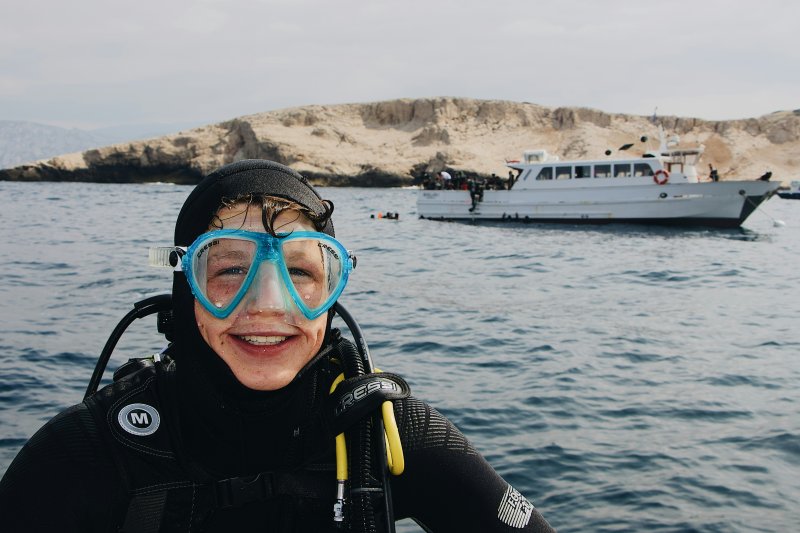
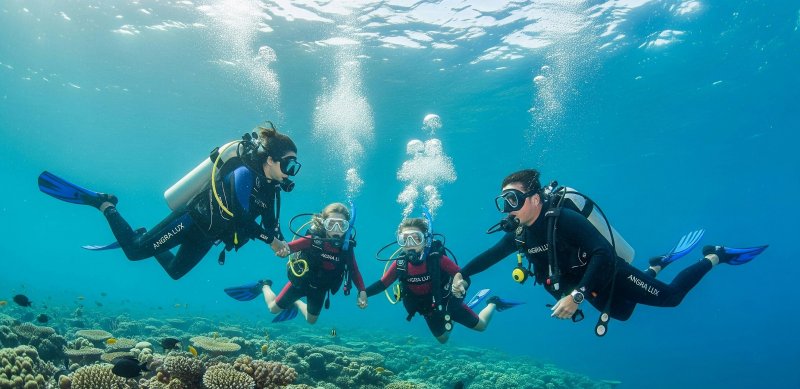
Dla wielu nastoletnich nurków nurkowanie to moment, w którym podwodny świat przestaje być czymś, co oglądają przez maskę, a staje się miejscem, do którego mogą naprawdę wejść. Program SSI Open Water Diver pozwala nurkom od 10. roku życia rozpocząć naukę, z ograniczeniami głębokości i nadzoru dostosowanymi do wieku. Dziesięcio- i jedenastolatkowie mogą nurkować do głębokości 12 metrów (40 stóp); od 12. roku życia Nurkowanie szkoleniowe może sięgać 18 metrów (60 stóp) zgodnie ze standardami SSI.
Program uczy podstawowych umiejętności, takich jak kontrola pływalności, komunikacja podwodna i bezpieczne planowanie nurkowania. Dzięki każdej z tych umiejętności nastolatki zyskują nieco większą kontrolę i poczucie niezależności: uczą się utrzymywać w zawisie zamiast tonąć, komunikować się bez słów oraz planować nurkowanie przed zanurzeniem. Odkrywanie raf, wraków i morskiej fauny z rodziną lub przyjaciółmi sprawia, że ta rosnąca niezależność staje się naprawdę namacalna.
Gdy opanujesz już te podstawy, specjalizacje takie jak „Perfect Buoyancy ” i „Fish Identification” pozwolą nastoletnim nurkom doskonalić kontrolę nad ciałem i nazwać stworzenia żyjące na rafie.
unsplash-loki-loki22
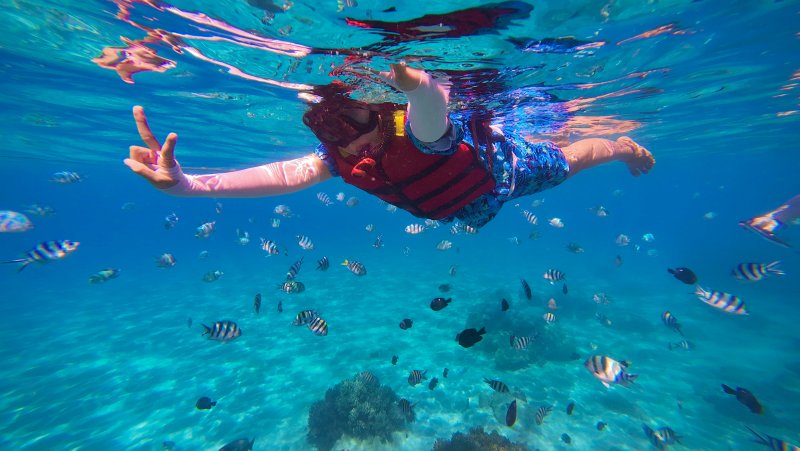
Nie każdy młody miłośnik oceanu jest od razu gotowy na nurkowanie z akwalungiem i to jest całkowicie w porządku. Program SSI Snorkel Diver pozwala nastolatkom zacząć od powierzchni, gdzie mogą zaglądać w dół do czystej wody, podziwiać rafę z góry i nabrać pewności siebie bez butli na plecach.
Program nie ma ustalonego minimalnego wieku. Uczestnicy muszą czuć się swobodnie w wodzie i umieć utrzymać wyporność. Jako wstęp do podwodnych aktywności dla nastolatków, snorkeling może zamienić spokojną kąpiel przy brzegu w okazję do przyjrzenia się z bliska rybom rafowym i ogrodom koralowym pod wodą.
Dla wielu nastoletnich nurków to właśnie snorkeling rozbudza ciekawość: jedna ryba rafowa prowadzi do kolejnej i nagle chcą wiedzieć, co kryje się głębiej. To łatwo dostępne, fajne i naturalne przygotowanie do przyszłych nurkowych przygód.
Zastanawiasz się, gdzie wybrać się na nurkowanie z rodziną? Przeczytaj artykuł „Nurkowanie z dziećmi? Te rodzinne miejsca do nurkowania ułatwią ci wybór”, żeby znaleźć pomysły na miejsca przyjazne rodzinom. Gdy już wybierzesz miejsce, Scubago pomoże ci porównać kursy SSI i centra nurkowe, a partner SSI, DiveAssure, wyjaśni, jak wygląda ochrona podczas nurkowania i podróży.
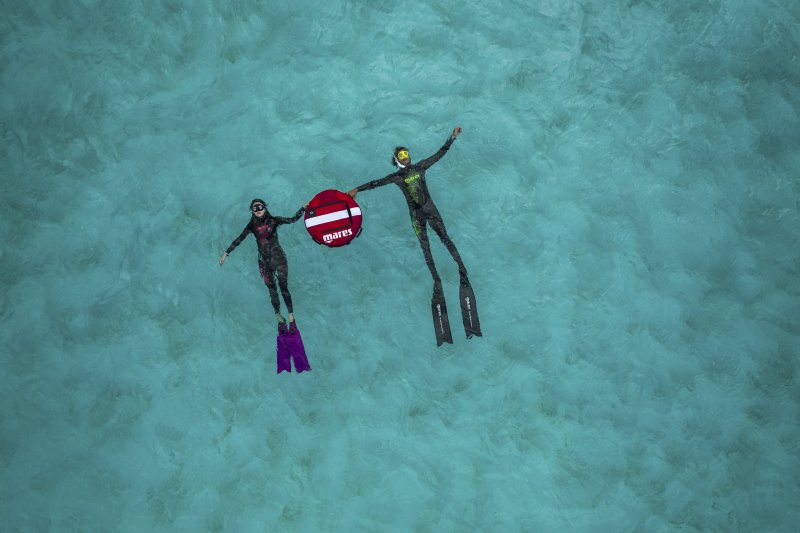
Freediving to zupełnie inne tempo. Nie ma butli ani strumienia bąbelków, tylko jeden oddech, swobodne ruchy i skupienie na ciele. Program SSI Basic Freediving zaczyna się od 10. roku życia, a program SSI Freediver od 12. Oba uczą technik wstrzymywania oddechu, relaksacji, kontroli ciała i bezpiecznych procedur z Partnerem nurkowym.
Kurs „Basic Freediving” odbywa się w basenie/ograniczonym akwenie, na maksymalnej głębokości 5 metrów (15 stóp). Kurs „Freediver” obejmuje dodatkowo sesje szkoleniowe na wodach otwartych, a maksymalna głębokość szkolenia wynosi 20 metrów (65 stóp), choć dla osób w wieku od 12 do 14 lat jest to 12 metrów (40 stóp).
Freediving to nie tylko kwestia schodzenia głębiej. Prawdziwym wyzwaniem jest zachowanie spokoju, efektywne poruszanie się i umiejętność rozpoznania, kiedy należy zawrócić. Skupienie się na tym może wzmocnić pewność siebie, cierpliwość i świadomość zarówno w wodzie, jak i poza nią.
predrag-vuckovic
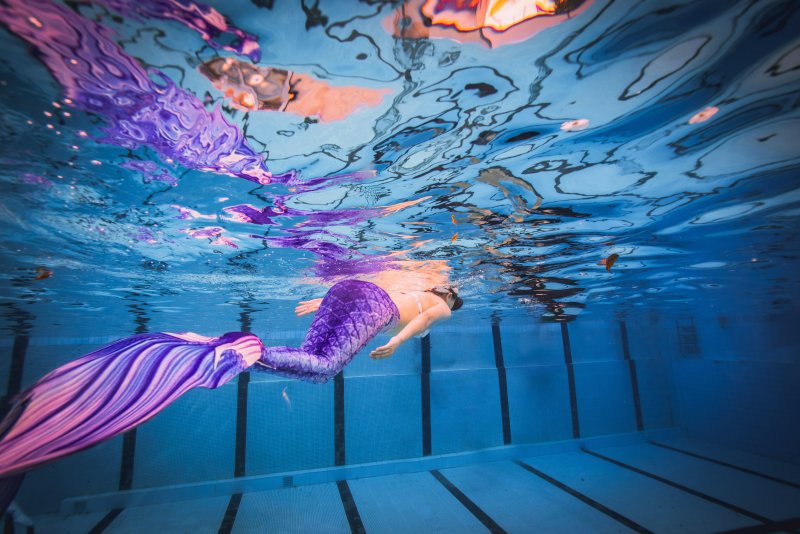
Dla nastolatków, których pociąga kreatywność i występy na scenie, szkolenie Mermaid pozwala przenieść wyobraźnię do wody. Program SSI Mermaid łączyćwiczenia pływackie, kontrolę oddechu i zabawową ekspresję już od 12 roku życia.
Uczestnicy uczą się, jak bezpiecznie korzystać z monopłetwy i pełnego ogona Mermaid, poruszać się pod wodą z zachowaniem kontroli oraz ćwiczyć techniki wstrzymywania oddechu w basenie/ograniczonym akwenie, na maksymalnej głębokości szkoleniowej 5 metrów (15 stóp). Dla nastolatka, który nie czuje się pewnie przy tradycyjnym nurkowaniu, ta pełna wdzięku i zabawy atmosfera może wydawać się o wiele bardziej zachęcająca.
Szkolenie „Mermaid” nadaje pewności siebie kreatywny kształt. Nastolatki uczą się koordynować ruchy, ufać własnemu oddechowi i wyrażać siebie pod wodą. Łączy to fitness z wyobraźnią, dzięki czemu trening przypomina bardziej zabawę.
Nazwa obrazu
teen-mermaid-program-Monofin.jpg
Tekst alternatywny
Nastoletnia uczestniczka uczy się pływania na monopłetwie i wykonywania ćwiczeń z ogonem podczas szkolenia SSI Mermaid
mo-jo-Xyb-unsplash
Wielu nastolatków już teraz bardzo przejmuje się tym, co dzieje się z oceanem. Programy SSI mogą pomóc przekształcić tę troskę w wiedzę i działanie. Specjalizacja SSI „Marine Ecology” oraz społeczność SSI Blue Oceans przedstawiają kluczowe zagadnienia dotyczące zdrowia oceanów, bioróżnorodności i wpływu człowieka.
Nastolatki uczą się rozpoznawać gatunki, rozumieją, jak funkcjonują systemy rafowe, i ograniczają swój wpływ na środowisko podczas nurkowania. Rafa przestaje być tylko kolorowym tłem i zaczyna nabierać sensu jako żywy ekosystem.
Jedną rzeczą jest zobaczyć CORAL REEF. Zupełnie inną – zrozumieć, jak on działa i dlaczego wymaga ochrony. To poczucie celu może sprawić, że programy nurkowe dla nastolatków staną się wyjątkowo znaczące i pomogą młodym nurkom stać się świadomymi ambasadorami oceanu.
betty-sun-unsplash
Kiedy nastolatki zdobędą pierwsze certyfikaty, ich przygoda nie kończy się na pierwszej karcie. Kwalifikujący się certyfikowani nastolatkowie mogą kontynuować naukę na kursach takich jak SSI Night Diving & Limited Visibility czy SSI Wreck Diving, zawsze w ramach limitów wieku, certyfikacji, nadzoru i głębokości, które ich dotyczą.
Te doświadczenia sprawiają, że nastoletni nurkowie są zaangażowani i zmotywowani. Znana rafa zmienia się po zachodzie słońca. Kolory zawężają się do wiązki światła latarki nurkowej, pojawiają się nocne zwierzęta, a każdy sygnał nabiera większego znaczenia. Wrak budzi inny rodzaj ciekawości, gdy nurkowie uczą się ostrożnie zbliżać się do niego i badać jego zewnętrzną część. Z każdą nową umiejętnością nurkowanie z akwalungiem dla nastolatków coraz mniej przypomina pojedynczy kurs, a coraz bardziej podróż, którą mogą sami kształtować.
Kursy specjalistyczne pozwalają nastoletnim nurkom skupić się na tych aspektach nurkowania, które sprawiają im największą radość, jednocześnie rozwijając umiejętności i pewność siebie.
Martwisz się zapisaniem się na pierwszy kurs? Artykuł „Kurs certyfikacyjny nurkowania: co warto wiedzieć przed rozpoczęciem” wyjaśnia, co obejmuje szkolenie, i pomaga początkującym zorientować się, jakie są oczekiwania przed pierwszą sesją.
To, czego nastolatki uczą się pod wodą, często towarzyszy im też podczas wynurzenia na powierzchnię. Nurkowanie z akwalungiem dla nastolatków, Freediving i inne opcje z tego przewodnika rozwijają odpowiedzialność, dyscyplinę, pracę zespołową i umiejętności rozwiązywania problemów.
Underwater, pośpiech rzadko pomaga. Nastolatki uczą się zatrzymywać, jasno myśleć i zwracać uwagę na ludzi wokół siebie. Te nawyki mogą wzmocnić pewność siebie w codziennych sytuacjach, a wspólne szkolenia często prowadzą do nawiązania przyjaźni z innymi, którzy też kochają ocean.
Kolejną ważną korzyścią jest wzmacnianie więzi rodzinnych. Wspólne nurkowanie daje rodzicom i nastolatkom prawdziwy temat do rozmowy: zwierzę, które zauważyli, umiejętność, która w końcu wyszła, albo moment, kiedy oboje wynurzyli się z uśmiechem na twarzy. Trudno o lepsze wspomnienia.
Wybór odpowiedniego programu dla nastolatka zaczyna się od zrozumienia jego zainteresowań i poziomu komfortu. Niektórzy nastoletni nurkowie mogą chcieć od razu zacząć szkolenie nurkowe, podczas gdy inni wolą najpierw spróbować snorkelingu, Freedivingu lub szkolenia na Mermaid.
Weź pod uwagę pewność siebie w wodzie, kondycję fizyczną, dojrzałość i osobiste cele. Dobrym podejściem jest rozpoczęcie od programu wprowadzającego i rozwijanie umiejętności na tej podstawie, pozwalając każdemu nastolatkowi rozwijać się w tempie, które jest dla niego pozytywne, a nie zbyt pośpieszne.
Skorzystaj z wyszukiwarki ośrodków SSI, żeby znaleźć sprawdzone Centrum Szkoleniowe, i zapytaj instruktora SSI o nurkowanie dla nastolatków, wymagania wiekowe, Nadzór oraz najlepszy punkt wyjścia.
Programy podwodne zaczynają się od ćwiczeń, ale mogą przerodzić się w coś znacznie więcej. Nastolatek może odkryć spokój Freedivingu, kreatywność szkolenia Mermaid, odpowiedzialność związaną z nurkowaniem z akwalungiem albo nowy powód, by chronić rafę. Dla rodzin, które myślą o nurkowaniu z akwalungiem dla nastolatków, odpowiedni program może wzmocnić pewność siebie, rozbudzić ciekawość i stworzyć wspomnienia, które pozostaną na długo po tym, jak sprzęt zostanie wypłukany i schowany.
Ten artykuł został przetłumaczony automatycznie i może zawierać drobne nieścisłości; w razie wątpliwości zapoznaj się z oryginalną wersją angielską.