Join us on a coral journey
coral reefsenvironmentmarine conservationcoral restorationsecore international
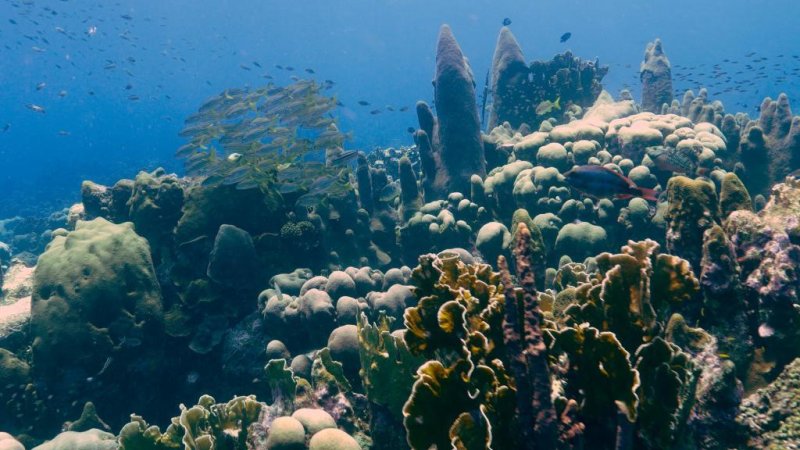
Coral reef at East Point, Curacao
On the tropical island of Curacao, SECORE International's annual board meeting has just taken place. Scientists, aquarium professionals and the members of our directory board gathered to strengthen our joint forces. SECORE stands for SExual COral REproduction and refers to the fact that we aim at restoring reefs with corals raised from collected spawn in the wild and outplanting them thereafter. Our vision is to seed corals on a larger scale in the near future. Working with sexually produced corals, we can culture up to millions of larvae from one mass spawning event. That offers the unique opportunity to raise huge numbers of coral offspring with comparatively little effort and low costs. Today, as many divers have already witnessed themselves, coral reefs are declining at an alarming rate worldwide. Suffering under direct human impacts such as pollution, overfishing and destruction, coral reefs are additionally facing the overall threat of climate change. Catastrophic events like coral bleaching are now taking place on a global scale and in-between recovery time seems to be getting shorter each time. Having dived within a completely bleached reef is an haunting experience, especially if you have seen the same reef in its true colors before. And many corals subsequently die. We have now reached a point where management alone, such as in well looked after Marine Protected Areas, may not be enough to ensure the survival of coral reefs beyond the next century. Some may think restoration is an easy tool to apply―we only have to replant what is currently lost. Unfortunately, you cannot rebuild a coral reef from scratch. Similar to a rainforest, it's like a complex super organism interlinked on many levels and scales. As a start, you rather aim at helping what is left of the reef to recover. Then, you will need a well-managed area where additional stress factors are reduced, if you want to succeed. The reef may not be able to overcome the obstacle to recover alone, as, for instance, new coral offspring is rare. Even if some people may claim otherwise, we still have a lot to learn to make lasting coral restoration happen. SECORE has taken on the challenge to effectively restore coral reefs in the future by using a quite unique approach. We work mainly with the corals' natural reproduction, but are also taking advantage of corals raised from fragmentation that for instance can function as a broodstock. We combine scientific research with hand-on practice of aquarium professionals that know how to keep corals alive. Our partners on-site are heavily involved―they know their reefs―and together wefoster conservation efforts. And we never miss a chance to spread the word on behalf of the coral reefs. So, join us on a coral journey! And experience the magic of coral spawning on Curacao in my next blog! Pics are screenshots from SECORE – the film, make sure to set to full HD before watching... ;-) SECORE International
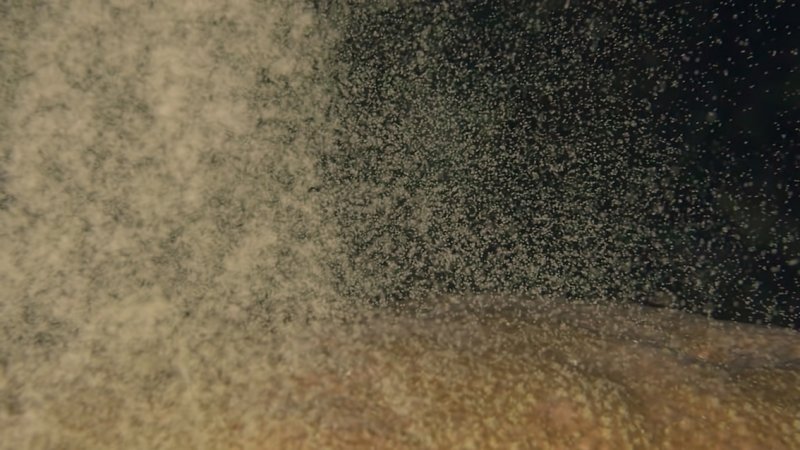
Mass spawning event: corals release egg-and-sperm bundles like 'snow falling bottom up'
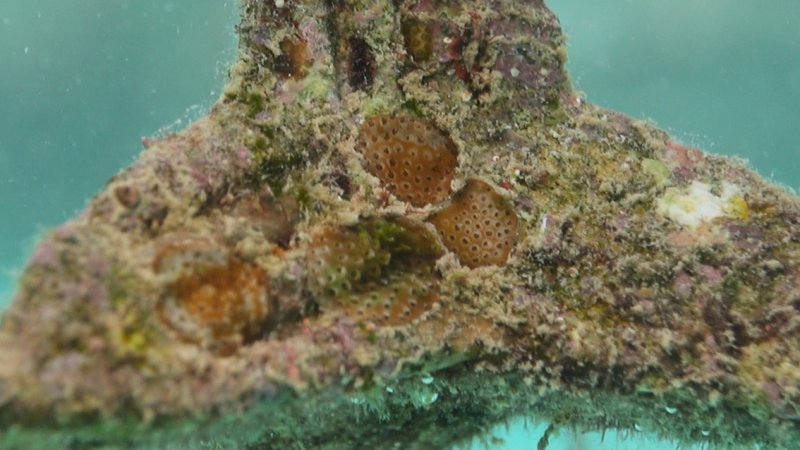
Raised coral recruits on settlement substrate
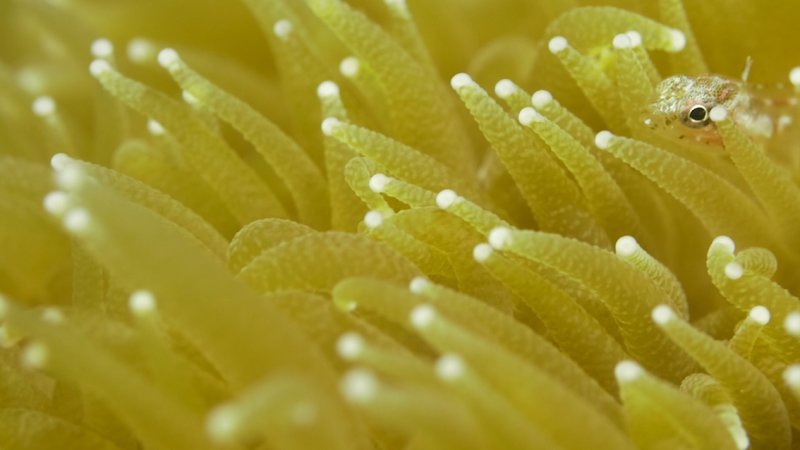
little blennie hiding within a coral's tentacles
Овај чланак је аутоматски преведен и може садржати мање нетачности; уколико имате недоумица, погледајте оригиналну енглеску верзију.