Baltic Sea: Mine blasting in the marine reserve kills porpoises
environmentmarine conservationbaltic seaporpoisesnato
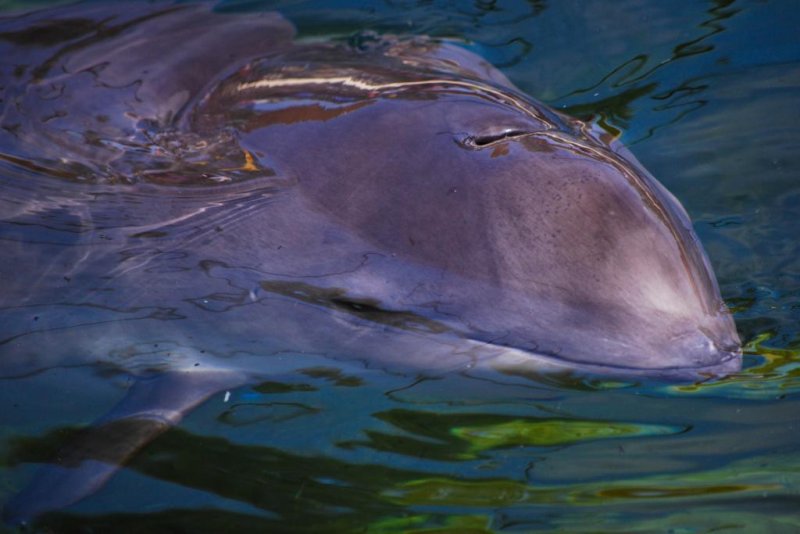
Harbour porpoise (c) Michael Daehne
Dramatic environmental damage in the Fehmarnbelt In August 2019, the German navy blew up 42 ground mines in the German Baltic Sea in a NATO manoeuver, 39 of them in the Fehmarnbelt nature reserve, one of the most important nursery of harbour porpoises. In the weeks following the blasts, 18 of the mammals were found dead. The Nature Conservation Union (NABU) strongly condemned the procedure and criticized the lack of involvement of nature conservation authorities as a violation of the Federal Nature Conservation Act. The Bündnis 90/Die Grünen then made a minor request to the German Federal Government entitled "Detonations of munitions and ordnance in marine protected areas". After more than six weeks came a first very vague answer. NABU Federal Managing Director Leif Miller: "The Federal Government's response reveals the whole catastrophe of the demolitions: in the middle of a marine reserve, each mine has torn a five-meter-wide and one-half-meter deep crater into strictly protected reefs. Within a radius of ten to thirty meters, all life was destroyed. No one yet knows how many porpoises were actually injured or killed during the breeding season. 18 dead finds of these strictly protected marine mammals became known during the period in question. The incident is unbearable and reveals the ignorance of the applicable nature protection laws and inadequate environmental standards of the Navy as well as the complete failure of the policy in dealing with the problem of wartime legacy. " The location of the ground mines has been known to the responsible authorities since 2016. The forward argument of the Federal Government, the blast in the summer of 2019 would offer the "immediate opportunity to ward off danger to life and limb" does not apply in the opinion of the NABU. The NATO manoeuver was probably more of a good opportunity to explode the ground mines cost-effectively and to avoid costly coordination processes with nature conservation authorities. More than 1.6 million tons of World War II munitions lie as a deadly legacy in the German North Sea and Baltic Sea. The ammunition cores corrode and dangerous toxins accumulate in marine flora and fauna and reach through the food chain and humans. Most recently, the German Conference of Ministers of the Environment had decided to work out a common concept for ammunition clearance. Further information: https://www.nabu.de/natur-und-landschaft/meere/lebensraum-meer/gefahren/27276.html
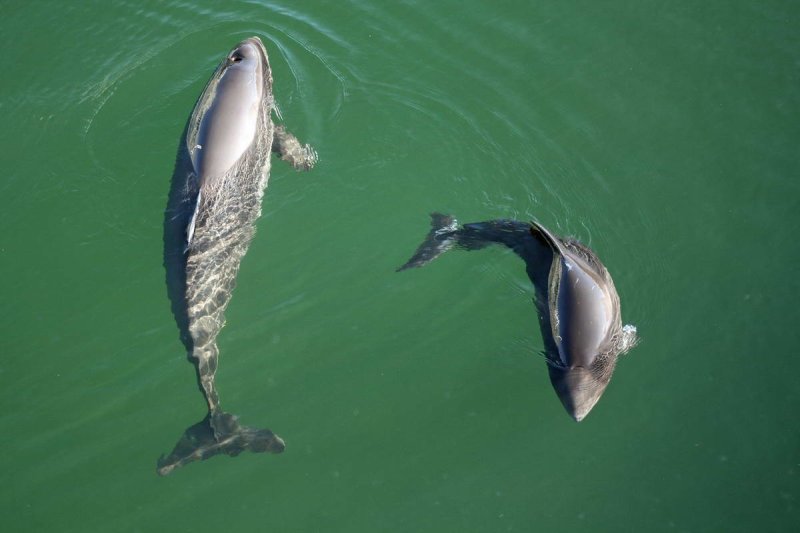
Harbour porpoise - calf and mother (c) S.Koschinski
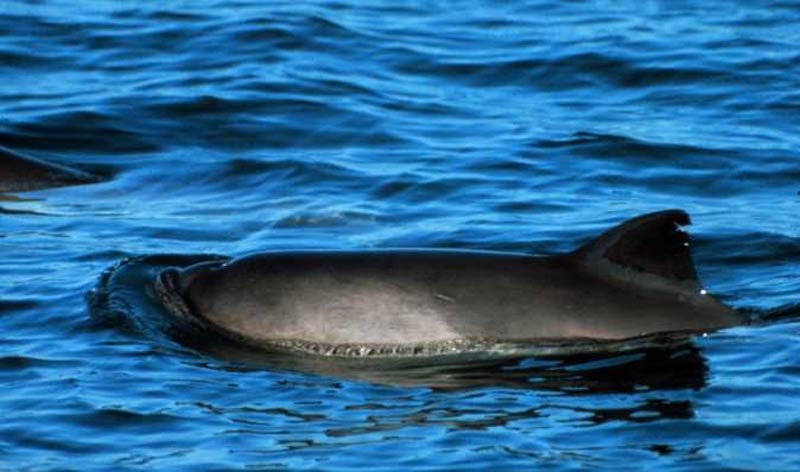
harbour porpoise (c) NOAA
Questo articolo è stato tradotto automaticamente e potrebbe contenere piccole imprecisioni; in caso di dubbi, consulta la versione originale in inglese.