Scuba Diving in Crete: Discover Greece's Stunning Blue Waters
scuba divingtravel
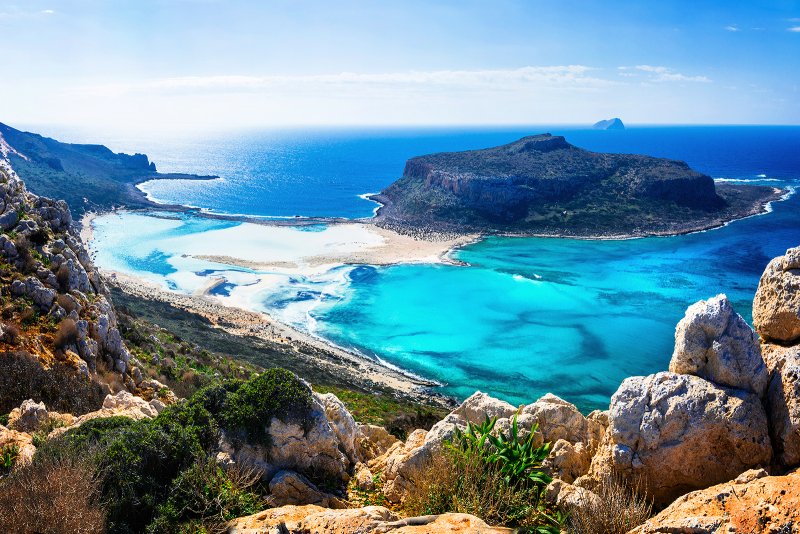
Shutterstock-leoks
If you dream about exploring underwater caves, historic wrecks, colorful reefs, and tranquil bays, scuba diving in Crete might be the experience that makes your dreams come true! Crete offers the perfect blend of natural wonder and cultural richness—with the crystal-clear blue waters Greece is famous for.
Known for its mountain villages and golden beaches, Crete also hides fascinating underwater landscapes. Whether you are a beginner or an experienced diver, scuba diving in Crete has something for everyone.
With warm turquoise waters and exceptional visibility, Crete's dive sites feel like stepping into another world. From fossil-filled caves to sunken planes and coral-covered reefs, each site reveals a new side of the island's natural and historical beauty. Here are five of the most unforgettable places to explore beneath the surface.
Elephant's Cave is perhaps the most famous site for scuba diving in Crete …and for good reason. Found near the Akrotiri Peninsula in Chania, the cave is a breathtaking mix of natural beauty and archaeological intrigue.
Divers enter at around 10 meters (33 feet) and pass through a 40-meter (130-foot) tunnel that opens into a large chamber filled with red and white stalactites and stalagmites. What makes this site truly unique are the fossilized remains of ancient elephants and dwarf deer preserved in the walls, giving the cave an almost mystical atmosphere.
The visibility here often stretches 20-40 meters (65-130 feet), making the shimmering limestone formations glow under torchlight. Marine life is limited inside the chamber due to the lack of sunlight, but the outer reef features sponges, scorpionfish, and the occasional octopus.
The dive is shallow, with a maximum depth of around 12 meters (39 feet), so it is accessible for Open Water Divers and above.
Local tip: After exploring the cave, take time to enjoy Chania's beautiful Venetian Harbor for a post-dive meal of fresh seafood.
For wreck fans, the Messerschmitt provides some of the best scuba diving in Crete, and perhaps even the whole of Greece. Lying upside down in 24-28 meters (79-92 ft) of water off the coast of Hersonissos, this World War II German fighter plane offers a fascinating glimpse into the past.
The propeller, cockpit, and fuselage are remarkably well-preserved, even after decades underwater, making it an exciting experience for divers. The wreck has also become an artificial reef, attracting marine life such as moray eels, groupers, and even schools of damselfish and wrasse darting through the wings.
Visibility ranges 20-30 meters (65-98 ft), and currents are typically mild, but the depth means this site is best suited to more advanced divers. For those who enjoy photography, the plane offers dramatic silhouettes against the clear blue waters, especially when beams of sunlight penetrate the surface.
What makes this site special is the combination of war history and marine ecology. It is both a living museum and a thriving underwater habitat.
Local tip: Plan your dive in the morning for calmer conditions and clearer water.
Want to explore more historic wrecks during your trip to Greece? Check this out: Alonissos Diving - Explore a 2000-year-old wreck.
Skinaria Reef, located on the south coast of Crete near Plakias, is often considered one of the most colorful reefs on the island. For many visitors, it embodies the joy of scuba diving in Crete thanks to its variety of marine life and excellent visibility.
The reef is carpeted with vibrant sponges, sea fans, and Posidonia seagrass meadows that offer shelter for a wide array of species. Divers regularly encounter sea bream, parrotfish, cuttlefish, and even the occasional loggerhead turtle cruising by.
Diving depths range from 10-25 meters (33-82 feet), making it suitable for all levels. Visibility is excellent, often exceeding 30 meters (98 feet), and currents are minimal. The reef structure offers numerous swim-throughs and small caves, which add an adventurous element to the dive without being too challenging.
What makes Skinaria Reef particularly special is its reputation among underwater photographers. The contrast of brightly colored sponges against the deep blue water creates stunning photo opportunities, while the macro life provides endless opportunities for close-up shots, too.
Top tip: Visit Skinaria Reef in June or September for the best visibility and fewer surface crowds.
Dragon's Cave is a magical site that combines natural formations with a sense of legend. Situated on Crete's northeastern coast, this cave-and-reef system is filled with arches, tunnels, and a large central cavern that locals say resembles the open jaws of a dragon.
The dive starts shallow at around 5 meters (16 feet) and extends to about 20 meters (66 feet), with crystal-clear visibility of around 20 meters (65 feet) year-round.
Marine life to spot includes nudibranchs, cardinalfish, octopus, and small groupers. The walls are lined with colorful encrusting corals and sponges, creating an almost otherworldly scene. Divers often describe the transition from the bright blue outside waters to the shadowy interior as one of the most dramatic in Crete.
Dragon's Cave is known as one of the best places for scuba diving in Crete and is mostly suitable for intermediate divers. However, beginners with guidance may also enjoy the outer parts.
Local tip: Pair your dive with a trip to Spinalonga Island, just off Elounda.
Want to extend your trip to more of Europe? Here are: 10 Best Diving Spots in Europe
During World War II, Souda Bay was a strategic naval base, and remnants from that period still rest beneath its waters. Divers can explore submerged vessels and wreckage from the Battle of Crete, scattered across depths of between 10-40 meters (33-130 feet).
Visibility is moderate at Souda Bay, staying around 15-20 meters (49-65 feet), and currents vary depending on weather conditions, so this site is best for intermediate or advanced divers. The wrecks now host thriving marine ecosystems, with large schools of barracuda, amberjack. If you are lucky, you might spot monk seals who occasionally visit the area.
The mix of history and marine life makes it one of the most meaningful places for scuba diving in Crete.
Local tip: Visit the nearby Souda War Cemetery, a quiet and moving site that commemorates those who lost their lives in WWII.
The best time for scuba diving in Crete is April to October, when water temperatures range from 18-26 °C (64-79 °F) and visibility can reach 30 meters (100 feet).
The winter months are windier, and surface conditions can be unpredictable. Summer brings warm seas ideal for casual diving, while spring and autumn are preferred by many experienced divers for quieter sites and stable conditions.
Warmer summer waters mean you can enjoy lighter wetsuits and longer dives. If you are updating your gear for Mediterranean conditions, check out the latest warm-water dive equipment by Mares.
Scuba diving in Crete is ideal because it offers a balance of beginner-friendly reefs and more advanced wreck dives. New divers can start with shallow reef systems like Skinaria or cave entries like Elephant's Cave.
Advanced divers may explore deeper wrecks in Souda Bay or the Messerschmitt fighter plane. Taking additional SSI training, such as Deep Diving or Wreck Diving specialties, can open more opportunities while improving your safety, too.
Before you go, make sure your dive trip is fully covered with specialized dive and travel insurance, such as that offered by DiveAssure.
Crete's dive community is strongly focused on protecting the marine environment of the island. The Posidonia seagrass meadows are vital for oxygen production and should never be disturbed by fin kicks or anchoring. Caves are delicate, so divers are urged not to touch formations when exploring inside.
For the best eco-conscious practices, use the SSI Center Locator to connect with dive centers and instructors who prioritize conservation guidelines and provide education about Crete's unique ecosystems.
Supporting local businesses and joining SSI's Blue Oceans community are also excellent ways to give back during your dive trip.
Why Crete Belongs on Every Diver's Bucket List
From fossilized caves to war wrecks and reefs, scuba diving in Crete delivers both natural and historical wonders in one destination. The island's clear waters, diverse marine life, and cultural heritage make it a truly memorable place to explore.
Ready to plan your next underwater adventure?
Visit SSI's guide to diving in Crete to find local SSI dive centers and start planning your trip today.