Static Apnea Training: 9 Tips to Improve Your Breath Hold
freediving
mares
Holding your breath without moving might sound simple, but anyone who has tried it quickly realizes that static apnea training is both a physical and mental skill.
Static apnea is one of the core disciplines of freediving and an excellent way to improve breath-hold ability, relaxation, body awareness, and mental control.
Whether you are new to freediving or looking to extend your breath-hold time, learning how to stay calm in the water makes a huge difference.
With the right techniques and safe training practices, you can build confidence, strengthen your freediving training foundation, and help you progress across other freediving disciplines.
Table of Contents:
-
Learn to Relax Before Static Apnea Training
-
Develop a Consistent Breathing Preparation Routine
-
Perfect Your Body Position for Static Apnea
-
Train Your Mind to Stay Calm
-
Practice Carbon Dioxide Tolerance Training Safely
-
Incorporate Dry Training Sessions
-
Allow Proper Recovery Between Attempts
-
Use Static Apnea to Build Freediving Confidence
-
Always Prioritize Safety and Supervision
-
Start Static Apnea Training With SSI
-
Dive Deeper
predrag-vuckovic
The most important skill in static apnea training is relaxation. Your body consumes oxygen faster when it is tense or stressed, which shortens your breath hold. Learning to fully relax before submerging can significantly extend the amount of time you are comfortable underwater.
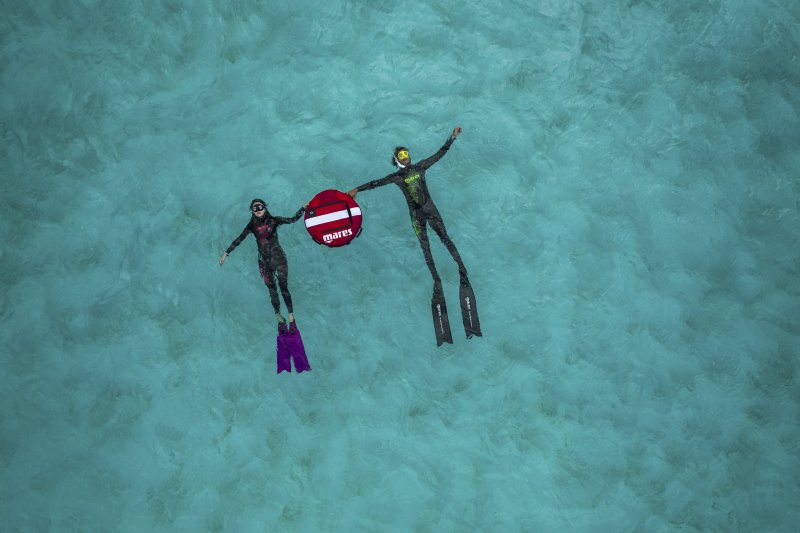
Start by finding a quiet environment where you can float comfortably. Many freedivers practice in a pool in water around 1 to 2 meters, or 3 to 7 feet, deep so they can remain relaxed while a trained buddy can supervise them easily. You can practice relaxation dry at home, too.
Focus on releasing tension from your jaw, shoulders, hands, hips, and legs. A helpful technique is progressive relaxation, also called a body scan. Consciously relax each muscle group, starting from your toes and moving upward toward your head.
When you practice this regularly, your body starts to associate stillness with calmness, which is exactly what you want during static apnea training.
Over time, relaxation becomes more automatic. Experienced freedivers can reduce their heart rate quickly, conserving oxygen and improving breath-hold performance.
Breathing preparation sets the stage for effective static apnea training. A calm, controlled breathing pattern helps oxygenate the body and settle your nervous system before the breath hold begins.
A simple and safe preparation sequence involves slow diaphragmatic breathing. Inhale gently through your nose for about four seconds, allowing your belly to expand. Then exhale slowly for six to eight seconds, releasing tension with each breath.
Repeat this pattern for two to three minutes before your breath hold. The goal is not to hyperventilate, which can be dangerous, but to reach a relaxed and balanced breathing rhythm.
Freedivers who practice structured breathing before static apnea training often notice that their urge to breathe appears later, making the experience feel calmer and more controlled.
Want more breathing and relaxation guidance? Read SSI's Beginner's Guide to Breathing for Freediving. It offers practical breathing and relaxation tips.
Mares-Alberto-Balbi
Body position plays a surprisingly important role in static apnea training. Poor alignment forces muscles to engage unnecessarily, which can burn your oxygen supply quicker.
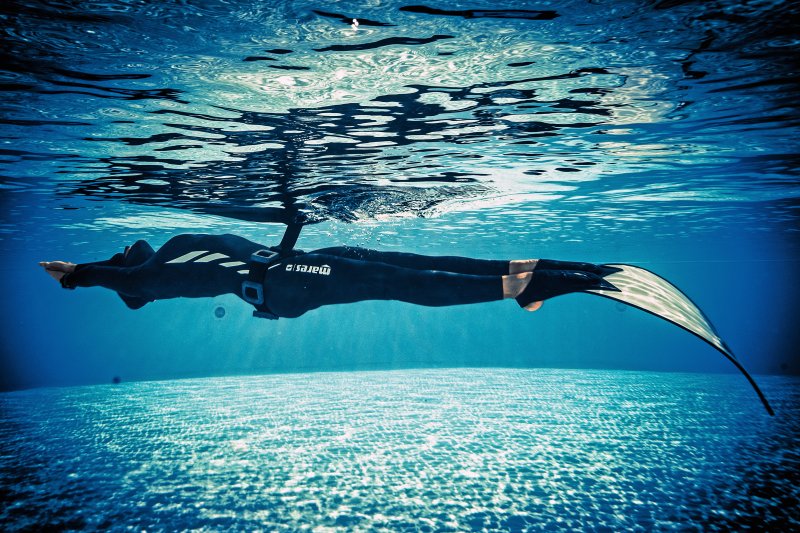
The most efficient position is floating face down with your body fully supported by the water. Your arms can rest comfortably in front of you or alongside your head, and your legs should remain loose and slightly apart.
Your neck should remain neutral so the airway stays relaxed. Many freedivers also use a small pool noodle or buoyancy aid under their chest to help maintain effortless flotation.
Mental control is just as important as physical preparation in static apnea training. As the breath hold continues, the body produces carbon dioxide, which triggers the urge to breathe. This sensation can feel intense, but it is a natural and manageable part of the process.
One effective strategy is visualization. Before starting your breath hold, imagine yourself floating peacefully underwater. Picture slow waves or gentle ocean currents moving around you.
Another helpful technique is counting slowly in your mind or focusing on the rhythm of your heartbeat. These mental anchors prevent anxiety and keep your thoughts steady.
Freedivers who develop strong mental focus often find that static apnea training becomes less stressful and more meditative over time.

predrag-vuckovic
One of the main goals of static apnea training is improving carbon dioxide, or CO₂, tolerance. The urge to breathe during a breath hold is primarily triggered by rising carbon dioxide levels rather than low oxygen.
Freedivers commonly use carbon dioxide training tables to gradually increase tolerance. These usually involve performing multiple breath holds with progressively shorter recovery periods between them.
For example, you might hold your breath for 1 minute and 30 seconds, followed by a rest period of 2 minutes. In the next round, the rest period decreases slightly. Over several rounds, your body learns to stay calm even as carbon dioxide levels rise.
A freediving professional can help you make and follow a table that suits your level. SSI's Training Techniques program is a useful next step if you want a more structured and personalized approach to breath-hold training.
Although water practice is essential, dry exercises can also support static apnea training. These sessions allow you to focus on breathing control and mental relaxation without the added variables of water.
A common exercise involves lying comfortably on a yoga mat and practicing breath holds while maintaining full relaxation. This approach helps beginners become familiar with the sensations of breath holding in a safe and controlled environment.
Dry practice can also include stretching exercises that improve diaphragm mobility and chest flexibility. These small improvements can increase lung comfort and make breath holds in the water feel easier.
However, even during dry sessions, ask a qualified buddy or freediving professional to supervise you once breath holds become longer.
Want to learn more about breath-hold foundations? Read: The Essential Guide to Breath Hold Diving. It explains the broader basics behind breath-hold diving.
Many freedivers overlook recovery, even though it is extremely important in static apnea training. Your body needs time to restore normal oxygen and carbon dioxide levels between breath holds.
A good rule is to rest at least twice as long as your previous breath hold. For example, if you held your breath for 2 minutes, take at least 4 minutes of relaxed breathing before attempting another round.
During this recovery period, breathe slowly and allow your heart rate to settle. Rushing the next breath hold can lead to fatigue and reduce performance.
Consistent recovery habits help maintain safety and make breath holds more effective over time.
predrag-vuckovic
One reason static training is so valuable is that it strengthens confidence in your breath-hold ability. Knowing that you can stay calm and relaxed during extended breath holds translates directly into other freediving disciplines.
Divers who practice static regularly often notice improvements in dynamic apnea, free immersion, and constant weight diving. The mental skills developed during static apnea training also help when dealing with depth pressure or challenging conditions.
If you want to understand how static apnea connects with other freediving disciplines, read SSI's article Static vs. Dynamic Apnea – What's the Difference?
It helps readers understand the difference between staying still during a breath hold and moving through the water during dynamic apnea.
mares
Safety must always come first during static apnea training. Breath-hold diving carries real risks, particularly if practiced alone. Blackouts can occur without warning, which is why supervision is essential.
Never train by yourself. Once you are certified, always practice with a qualified buddy who understands freediving safety procedures. Even experienced divers follow this rule every time they train.
The best way to begin is through professional instruction. If you are looking for a freediving course that teaches safe breath-hold skills, the SSI Freediver course introduces proper techniques, safety protocols, and rescue skills so you can practice responsibly.
If you want to start training or improve your skills, the SSI Center Locator can help you find a nearby SSI Training Center where you can work with experienced professionals. Learning static apnea training under supervision builds both skill and confidence.
Stillness is a powerful skill in freediving. By combining relaxation, proper breathing preparation, efficient body positioning, carbon dioxide tolerance, recovery, and mental focus, static apnea training becomes far more than a breath-hold exercise. It becomes a way to understand how your body responds underwater.
With consistent practice and the right safety approach, your breath-hold ability will gradually improve. More importantly, you will feel calmer and more confident in the water.
- SSI Freediver Course — Learn foundational freediving skills, breath-hold techniques, safety procedures, and rescue skills in a structured freediving course with an SSI Professional.
- SSI Training Techniques — Build a more personalized freediving training plan and improve relaxation, efficiency, and dive time.
- Static vs. Dynamic Apnea — Understand how static apnea differs from dynamic apnea and how both disciplines support freediving progress.
- SSI Center Locator — Find an SSI Training Center or Resort and connect with a professional who can guide your next step.