Sådan bliver du Mermaid: Træning og certificering
mermaid
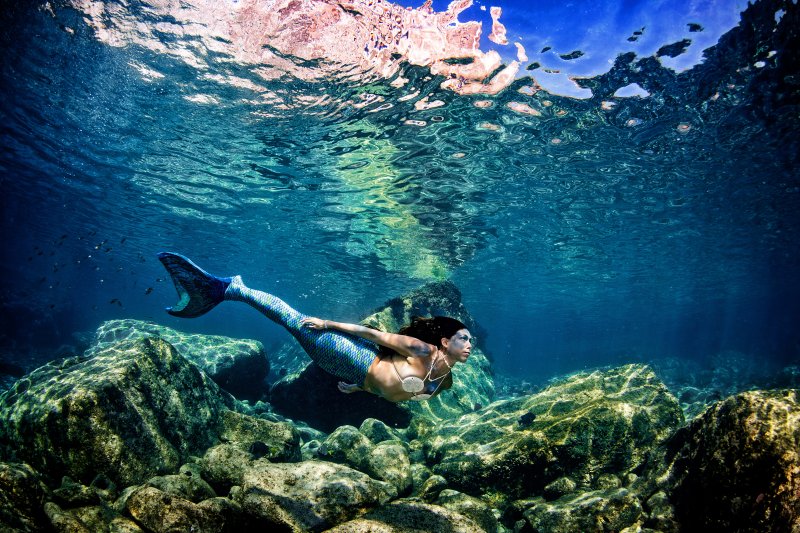
Shutterstock-Andrea_Izzotti
Indholdsfortegnelse:
-
Hvad betyder det at være certificeret Mermaid?
-
Tilgængelige typer af Mermaid-certificeringer
-
Kernefærdigheder, der undervises i Mermaid-træningen
-
Sådan bliver du Mermaid: Træningsforløbet fra begynder til professionel
-
Sikkerhed som en ufravigelig færdighed
-
Bevidsthed om naturbevarelse inden for Mermaid-aktiviteter
-
Udvidelse af færdigheder gennem relateret træning
-
Find Mermaid-træning og støtte
-
Personlig udvikling gennem Mermaid-certificering
-
Dyk dybere
Hvis du nogensinde har spekuleret på, hvordan man bliver Mermaid, så starter det med meget mere end blot at tage en hale på og svømme yndefuldt under overfladen. Det starter med at lære at bevæge sig gennem vandet med lethed, kontrol og den smukke, bølgelignende bevægelse, der får Mermaid-svømning til at se næsten uvirkelig ud.
Måske er dit egentlige spørgsmål: Hvordan bliver jeg en rigtig Mermaid? Svaret er ikke blot en smuk hale. Det handler om teknik, åndedrætskontrol, sikkerhedsbevidsthed og en dyb respekt for det marine miljø.
Uanset om dit mål er præstation, undervisning, fitness eller personlig udvikling, giver Mermaid-certificeringen dig grundlaget for at udøve dykning sikkert og med selvtillid.
I denne guide gennemgår vi, hvad der skal til for at blive certificeret Mermaid – lige fra begynderprogrammer til professionelle karriereveje, kernekompetencer, træning og MINDSET.
En certificeret Mermaid har gennemført en formel træning, der lærer sikre og effektive svømmeteknikker som Mermaid, kontrol over åndedrætspauser og bevidsthed under vandet. Hvis du vil vide, hvordan man bliver en Mermaid med ægte færdigheder, viser certificeringen, at du forstår, hvordan man bevæger sig effektivt i en Mermaid-hale, styrer din åndedræt ansvarligt og reagerer roligt, når noget føles uvant i vandet.
Men hvordan bliver man en rigtig Mermaid i stedet for blot at være en person, der bærer en smuk hale? Man lærer de færdigheder, der får magien til at se let ud: åndedrætskontrol, sikkerhedsbevidsthed, rolige reaktioner, et delfinkick, der udgår fra din kropskerne, samt vendinger og nedstigninger, der føles kontrollerede i stedet for tvungne.
I modsætning til afslappet svømning som Mermaid fokuserer certificeringen på forberedelse, sikkerhed og udvikling af færdigheder. Dette er vigtigt for alle, der ønsker at udøve, undervise eller deltage i regelmæssig træning.
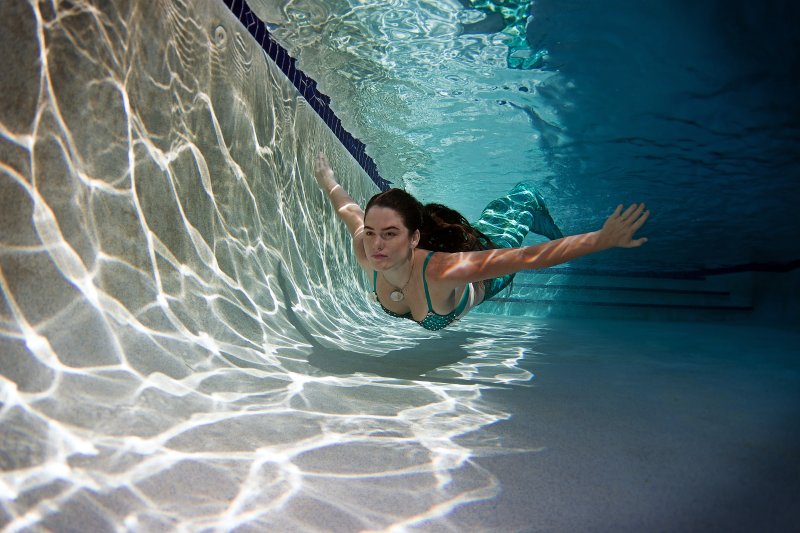
Shutterstock-Peter-Leahy
Der er flere veje til at blive certificeret havfrue, og SSI’s havfrueprogram er en af de mest strukturerede muligheder. SSI tilbyder et progressivt system til alle, der undrer sig over, hvordan man bliver havfrue trin for trin – fra indledende oplevelser til avancerede og professionelle niveauer.
SSI’s »Try Mermaid«-program er et fantastisk første skridt, hvis du vil opleve, hvordan det føles at svømme med en monofinne og en hale i et sikkert miljø under opsyn. SSI angiver minimumsalderen til 6 år, og der er ingen forudsætninger for certificering ud over, at man er egnet til at svømme.
SSI Mermaid-kurset er den fulde certificeringsvej. SSI angiver minimumsalderen til 12 år, med 6 teoriundervisningssessioner, 1 session i svømmebassin eller i begrænset vand, en maksimal træningsdybde på 5 meter / 15 fod og en anbefalet varighed på 16 til 24 timer.
For mermaids, der ønsker at gå ud over svømmebassinet, tilføjer SSI Ocean Mermaid-programmet sessioner i åbent vand og hjælper dig med at forstå forholdene, brugen af udstyr og sikkerheden uden for et kontrolleret miljø.
Vil du have mere vejledning til begyndere? Læs: Sådan bliver du en Mermaid: Den uundværlige guide til begyndere
Hvert eneste mermaid-træningsprogram er bygget op omkring et sæt centrale vandfærdigheder. Træning i at holde vejret er centralt. Eleverne lærer at kontrollere deres vejrtrækning, bevare roen, lytte til deres krop og vende tilbage til overfladen med kontrol i stedet for at presse på for at blive under vandet et sekund længere.
En stærk svømmeteknik er lige så vigtig. Mermaid-haler kræver kraftfulde, men effektive spark i delfinstil, der skaber en jævn, kontinuerlig bølge gennem kroppen.
Brugen af halen undervises trin for trin, fra grundlæggende fremdrift til avancerede vendinger, opstigninger, nedstigninger og kontrollerede stop. Sikkerhedsprocedurer er en del af hvert trin, inklusiv redning fra overfladen, opmærksomhed på makkerne og selvredningsfærdigheder, hvilket sikrer, at en certificeret Mermaid er selvsikker, kontrolleret og forberedt på vandmiljøer.
Målet er ikke at se perfekt ud ved første forsøg. Målet er at føle sig mere tilpas for hver gang, du bevæger dig. Når din vejrtrækning bliver roligere, og din krop begynder at glide, bliver det at svømme som en Mermaid mere end blot en færdighed. Det bliver en følelse.
For nogen, der er nysgerrig, men endnu ikke helt sikker, får denne video om SSI’s Mermaid-kurser det næste skridt til at føles meget mere virkeligt: legende, kreativt, smukt og styret af korrekt teknik.
Indlejret SSI-YouTube-video: SSI Mermaid-kurser | Scuba Schools International
Indsæt URL:https://www.youtube.com/watch?v=360ZboBEXoU
Rejsen mod at blive certificeret Mermaid begynder normalt i en svømmehal eller i rolige, afgrænsede vandområder. Begyndertræningen starter med at skabe tryghed, grundlæggende halebevægelser og færdigheder ved overfladen, inden der indføres længere åndedrætspauser eller dybere færdigheder inden for de rette programgrænser.
Efterhånden som træningen skrider frem, lærer eleverne at kombinere styrke, teknik og åndedrætskontrol, indtil bevægelsen føles flydende. Det er det øjeblik, mange drømmer om, når de spørger, hvordan man bliver en Mermaid: halen føles ikke længere som udstyr. Den begynder at føles som en del af dig selv.
Avanceret træning kan indebære længere afstande under vandet og mere krævende færdigheder, mens programmer på professionelt niveau fokuserer på lederskab, præstationsbevidsthed, klasseledelse og sikkerhedsovervågning.
Denne trin-for-trin-vejledning sikrer, at træningen i at svømme som en Mermaid forbliver sikker og fornøjelig. Du opbygger selvtillid gradvist, uden at føle dig presset, og hver ny færdighed gør det mere naturligt at svømme som en Mermaid.
Sikkerhed er en af de bærende søjler i Mermaid-certificeringen. Mermaidhaler begrænser benbevægelserne, hvilket gør korrekt træning afgørende.
De certificerede programmer lærer eleverne, hvordan man sikkert går i og ud af vandet, håndterer kramper, kommer sig efter dyk med åndedrætshold, og hjælper andre, hvis det er nødvendigt.
En uddannet Mermaid lærer også at genkende fysiske og mentale grænser og forstår, at det øger risikoen at presse grænserne for åndedrætshold eller dybde uden træning. En tilgang, hvor sikkerheden kommer først, giver Mermaids mulighed for at nyde aktiviteten, samtidig med at de beskytter sig selv og de mennesker, der er omkring dem.
The modern Ocean Mermaid certification places great emphasis on environmental responsibility. As visible ambassadors for the ocean, certified Ocean Mermaids are encouraged to move through aquatic environments with care and respect.
Dette er inklusivt for at undgå kontakt med havets dyreliv, være opmærksom på sårbare levesteder, anvende miljøvenlige materialer, hvor det er muligt, samt fremme bevarelsen af havene gennem uddannelse og ved at gå foran med et godt eksempel.
Mange havfruer oplever, at certificeringen styrker deres bånd til vandet. Havet føles ikke længere som en scene, men som en verden, man har lov til at træde ind i. Med en bedre forståelse af de akvatiske økosystemer og menneskets indvirkning kan certificerede havfruer inspirere andre til at passe bedre på de steder, hvor de svømmer, dykker og udforsker.
Mange certificerede mermaids udvider deres færdigheder gennem supplerende træning. SSI’s Freediver-uddannelse hjælper med at finpudse teknikken til at holde vejret, afspænding, trykudligning og bevidsthed under vandet.
Når det gælder posering, bevægelse eller indholdsudvikling, giver SSI Underwater Model and Dance støtte til en stærkere kropsbevidsthed og mere udtryksfulde bevægelser under vandet.
SSI-programmerne tilbyder klare forløb for kompetenceudvikling, der hjælper hver enkelt Mermaid med at blive stærkere, mere sikker og mere alsidig i vandet.
Overvejer du at kombinere havfrue-træning med rejser? Scubago hjælper dig med at udforske dykkercentre og rejsemål.
Inden åbentvandstræning eller internationale rejser er SSI-partneren DiveAssure nyttig til at gennemgå dækning af dykning og rejser.
Vil du se godt ud i vandet? Læs: Perfekt Mermaid-hår: 7 banebrydende tips

Wei-Sang
At vælge den rigtige instruktør og det rigtige dykkercenter er et vigtigt skridt, når man skal lære at blive havfrue på en sikker måde.
SSI-lokaliseringen gør det nemt at finde godkendte centre for træning, der overholder ensartede sikkerheds- og undervisningsstandarder.
At lære af professionelle fagfolk sikrer korrekt teknik, tålmodig vejledning og et positivt miljø ved træning, især hvis du er begejstret, men genert, første gang du tager en svømmehale på.
Træning i et fællesskab giver også opmuntring, ansvarlighed og fælles læring. Det er lettere at prøve igen, når dit team hepper på dig.
Ud over de fysiske færdigheder fører det at blive certificeret Mermaid ofte til en personlig forandring, der styrker selvtilliden, kropsbevidstheden og den mentale ro.
Disciplinen bag kontrol over åndedrættet og flydende bevægelser kan føre til større selvtillid. Du lærer at tage det roligt, lytte til din krop og stole på processen.
For mange bliver Mermaid-certificeringen en livslang praksis snarere end en engangspræstation. Med den rette træning, sikkerhedsbevidsthed og fortsat læring kan en certificeret Mermaid nyde vandet på en ansvarlig måde i mange år fremover.
Er du klar til at tage det næste skridt? Brug SSI Center Lokalisering til at finde en SSI-professionel i nærheden af dig, og vælg det Mermaid-program, der er egnet til dine mål.
SSI Mermaid-programmet – Udforsk SSI Mermaid-forløbet, og lær, hvordan du opbygger sikre færdigheder med svømmehalen samt selvtillid og tryghed i vandet.
Sådan bliver du en Mermaid: Den uundværlige guide til begyndere – En nyttig læsning til begyndere, der ønsker mere inspiration, inden de tilmelder sig et kursus.
SSI Center Lokalisering – Find en SSI-professionel, der kan hjælpe dig med at vælge det rigtige Mermaid-program i nærheden af dig.
Denne artikel er blevet automatisk oversat og kan indeholde mindre unøjagtigheder; se venligst den originale, engelske version, hvis du er i tvivl.