Scuba Diving in Japan: The Story of High Bridge in Onagawa
scuba diving
Miyagi Diving Service High Bridge
In March 2026, Japan marks 15 years since the Great East Japan Earthquake, one of the most devastating natural disasters in the country's history.
As journalists from across Japan and around the world visit the coastal town of Onagawa in Miyagi Prefecture to reflect on the disaster and the long road to recovery, the SSI community also wants to honor the people who have continued to work on the front lines of the ocean.
For divers, this story also reveals a different side of scuba diving in Japan: one shaped by memory, responsibility, seasonal seas, and a deep connection between coastal communities and the underwater world. It also shows that Japan diving is not limited to tropical islands or well-known southern destinations.
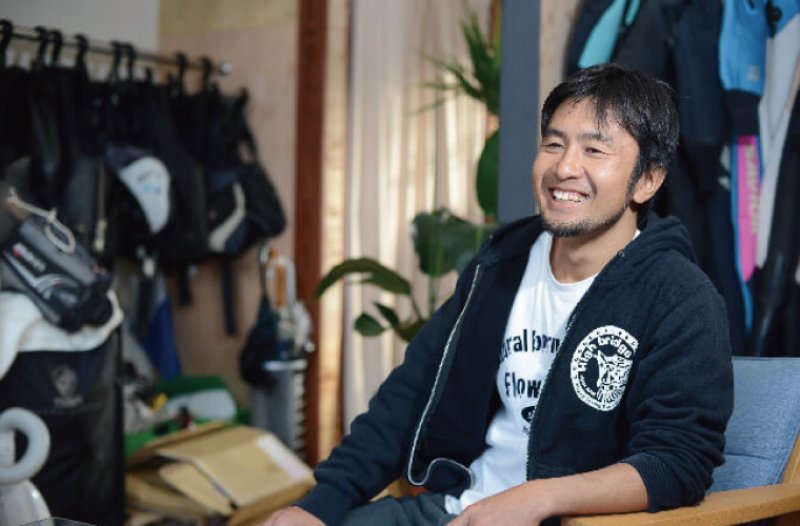
One of the people carrying that connection forward is Masayoshi Takahashi, owner of the SSI Dive Center Miyagi Diving Service High Bridge in Onagawa.
For Takahashi, the ocean is not only a dive site. It is a place of memory, responsibility, and connection.
And just as the name suggests, High Bridge has become exactly that: a bridge connecting divers, the ocean, and the community of Onagawa.
We spoke with him about what the past 15 years have meant and how diving continues to help connect people with the sea and with each other.
Table of Contents:
-
Scuba Diving in Japan: Fifteen Years Later in Onagawa
-
Diving for Recovery: Volunteer Work Along the Tohoku Coast
-
The Birth of High Bridge in Onagawa
-
A Growing Dive Community in Onagawa
-
Scuba Diving in Japan: The Seasonal Seas of Tohoku
-
Looking Ahead: Building for the Next 20 Years in Onagawa
-
Passing Onagawa's Ocean to the Next Generation
-
Watch: The Ocean of Onagawa Today
-
High Bridge: Connecting Divers, the Ocean, and Community
-
Ready to Discover a Different Side of Scuba Diving in Japan?
-
Dive Deeper
“Watching the recovery since the earthquake, these 15 years have passed in the blink of an eye,” Takahashi says. “But there is still work left to do.”
Immediately after the disaster, the land around Onagawa was covered with massive piles of debris. Over time, the town was rebuilt at remarkable speed.
Today, visitors often see a beautiful coastal community that appears fully recovered.
But divers know something important: what lies beneath the surface tells another story.
Miyagi Diving Service High Bridge
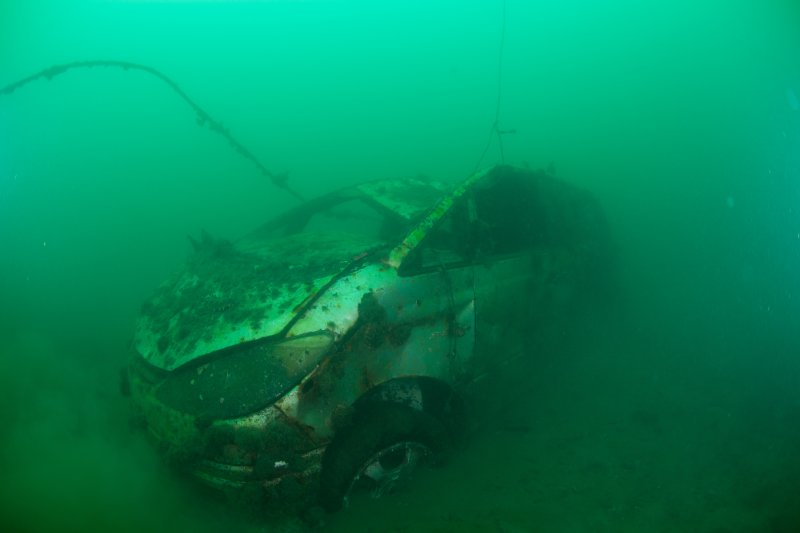
“The town on land has become beautiful again,” Takahashi explains. “But underwater, there are still mountains of debris on the seafloor. We simply cannot bring it up anymore. The recovery funding is gone, so it remains there.”
For most people, recovery is measured by what they can see.
For divers, the ocean reveals a deeper reality.
That deeper reality also shaped Takahashi's own work in the years after the disaster.
Following the earthquake and tsunami, Takahashi joined volunteer diving operations supporting search and recovery efforts along the Tohoku coastline.
These missions took him to coastal communities, including:
- Otsuchi
- Ofunato
- Kamaishi
- Ishinomaki
- Onagawa
Even more than a decade later, he was still involved in underwater search operations near Namie and Minamisoma in Fukushima Prefecture.
“Every time I see the debris on the seafloor, I am reminded of how powerful and terrifying the tsunami was,” he recalls.
“The first time I entered the water, there were houses that had been swept away still sitting underwater. It was shocking.”
At depths of around 35 meters, cars and large structures remain frozen in time on the seabed.
For Takahashi, these dives were deeply personal.
“Miyagi is my hometown. When my own home became a disaster area, it was a huge shock. I had never done volunteer work before, but that is exactly why I decided to do what I could.”
Through those efforts, something important emerged: a network of trust between divers, local communities, and the ocean itself.
Miyagi Diving Service High Bridge
Before the earthquake, Takahashi worked as a dive guide in Hayama, in Kanagawa Prefecture.
After the disaster, he returned home to Miyagi and began building something new.
In 2012, he founded High Bridge in the Watanoha district of Ishinomaki.
The name itself carries meaning.
“I wanted the dive center to be a bridge,” Takahashi explains. “A bridge connecting people from outside the disaster areas with the coastal communities here and a bridge connecting everyone with the ocean of Miyagi.”
And he adds with a smile:
“Also, because my last name is Takahashi, which literally means 'high bridge.'”
In 2015, High Bridge relocated to Seapal Pier Onagawa, a shopping and community area in front of Onagawa Station.
The move allowed the dive center to operate as a dedicated storefront and become more integrated with the local community.
Today, High Bridge welcomes divers from across Japan and beyond.
According to Takahashi:
- Around 90% of guests travel from outside Miyagi
- Approximately 50% come from the greater Kanto region
- Many others visit from the Kansai area
- Around 30% of divers are repeat guests
International divers are also beginning to discover the region. In recent years, High Bridge has welcomed guests from France and other parts of Europe.
“I want more international divers to experience this ocean,” Takahashi says.
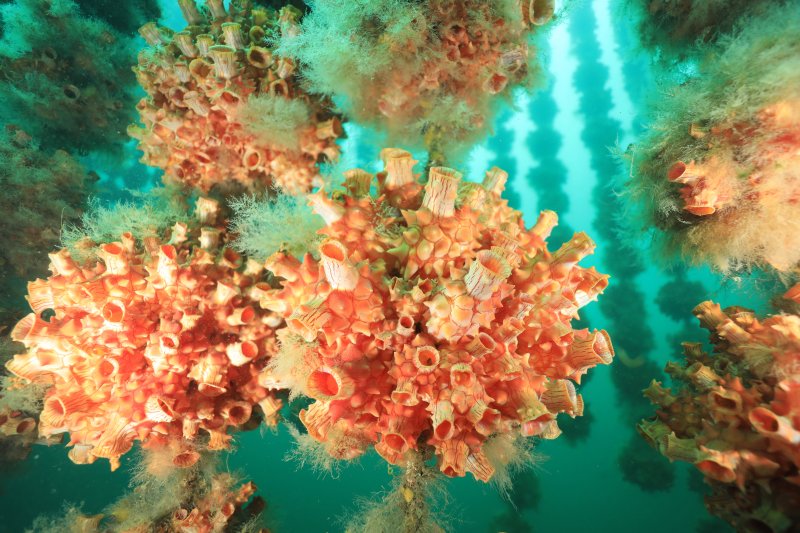
“Not just the diving, but also Onagawa's ocean culture, including aquaculture like sea squirts, scallops, and oysters.”
For divers searching for a less expected way to experience Japan diving, Onagawa offers more than a dive trip. It offers a connection to a working coastal community.
Miyagi Diving Service High Bridge
If Takahashi had to describe the appeal of Onagawa diving in a single word, it would be:
“Seasonality.”
The waters of Tohoku change dramatically throughout the year, creating unique experiences for divers.
- Spring: wakame seaweed forests grow along the coast
- Summer: sea urchins appear in abundance
- Autumn: salmon return to coastal rivers
- Winter: oysters and scallops define the local marine landscape
The region's geography, where mountains meet the sea, creates rich nutrient flows that support vibrant marine ecosystems.
“Tohoku sometimes has a reputation for being quiet or plain,” Takahashi says. “But divers often tell me the opposite.”
“Many guests say, 'There is much more color here than I expected.'”
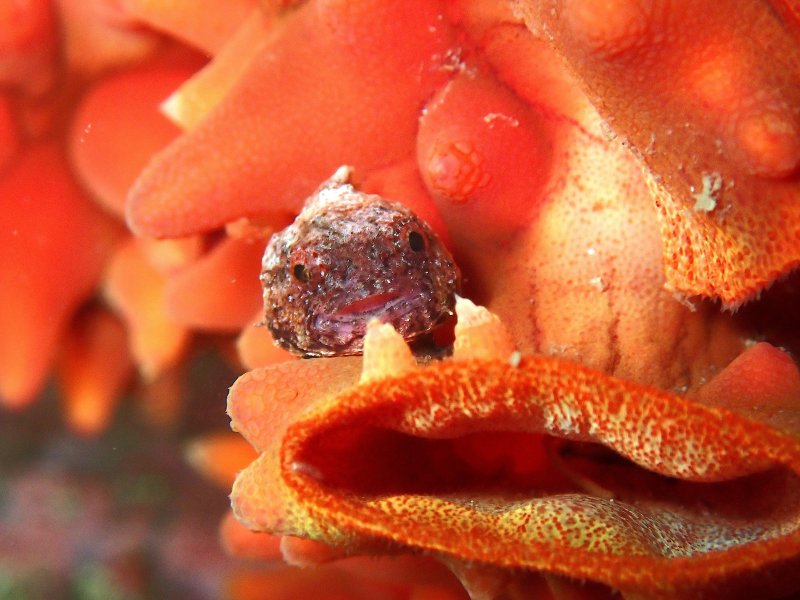
Among the local marine life, divers may encounter unique species such as the lumpfish, hiding quietly among bright orange sea squirts.
Miyagi Diving Service High Bridge
The story of High Bridge is far from finished.
In 2026, Takahashi plans to open a new dive facility in Onagawa, scheduled for completion in autumn. The new building will include accommodations on the second floor, allowing divers to stay on-site.
“Right now we are renting space,” he explains. “But if I want to continue for the next 20 years, it is time to build our own base.”
Future plans include developing:
- New dive sites
- Island diving opportunities
- Drift diving experiences using dry suits
These projects require careful collaboration with local fisheries and the community. But Takahashi believes patience and trust make progress possible.
For divers interested in exploring colder northern waters, the SSI Dry Suit Diving Specialty helps build the comfort and skills needed for drysuit diving.
Beyond guiding certified divers, Takahashi also focuses on ocean education for children.
Since the earthquake, he has organized programs for local schools, including:
- Snorkeling experiences
- Survival and clothed-swimming lessons
- Marine life presentations
- Environmental education
Each program is adapted to the needs of the teachers and students.
“I want to pass today's ocean on to the next generation,” he says.
“And if some of those children grow up and decide to become divers, that would make me very happy.”
His message reflects a core value shared by the global SSI community:
The ocean is not something we can take for granted.
Species that were once common can disappear. Marine environments change constantly.
That is why divers must continue to observe, document, protect, and share what they see beneath the surface.
“What we think is normal is not always normal,” Takahashi says. “That is why it is important to think together about the ocean we have today.”
For families who want to introduce children to the ocean in a safe and age-appropriate way, SSI Explorers offers a playful foundation in snorkeling, scuba diving, freediving, mermaid experiences, and ocean conservation.
Experience more of Onagawa's underwater world and the work connected to High Bridge in this video.
Watch the High Bridge / Onagawa video
Optional video thumbnail alt text:
The underwater world of Onagawa showing a different side of scuba diving in Japan
To learn more about diving with High Bridge, visit the Miyagi Diving Service Highbridge SSI Dive Center profile or the official High Bridge website.
Fifteen years may feel like a milestone, but for Takahashi it is only one step in a much longer journey.
Through diving, community engagement, and ocean education, High Bridge continues to connect people with the sea and with each other.
Just as its name suggests, the bridge between divers, the ocean, and the community of Onagawa is still being built.
And the story is far from over.
Miyagi Diving Service High Bridge
Based in Onagawa, High Bridge is an SSI Dive Center guiding divers through the seasonal waters of the Tohoku region, with dive sites around Ishinomaki and Onagawa.
Founded in 2012 following post-disaster volunteer work, the dive center welcomes divers from across Japan and around the world.
Divers who want to learn more about local courses, fun dives, refresh dives, or dive opportunities in the Miyagi and Onagawa area can visit the Miyagi Diving Service Highbridge SSI Dive Center profile or the official High Bridge website.
If this story inspires you to explore the ocean around Onagawa or discover a different side of diving in Japan, SSI training can help you build the skills, confidence, and awareness needed for new underwater environments.
Use the SSI Center Locator to connect with an SSI Professional and find the training or dive center that fits your next dive experience.