Raja Ampat Scuba Diving—A Complete Guide to Indonesia's Wildest Reefs
scuba divingtravel
istock-mariusltu
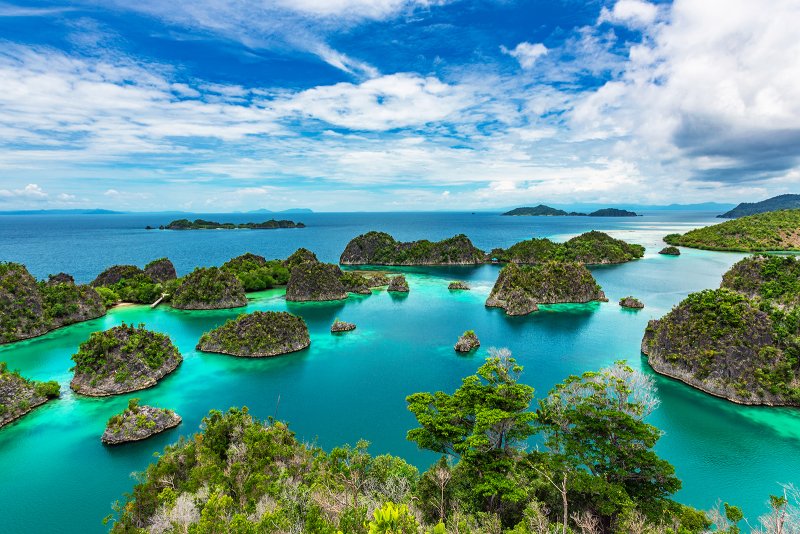
Raja Ampat scuba diving is often described as the ocean at its most untouched. Sitting in the heart of the Coral Triangle, this remote Indonesian archipelago is home to the highest coral reef biodiversity on Earth, spectacular marine megafauna, and a sense of wild beauty that feels almost otherworldly.
With over 1,500 islands scattered across turquoise water, the region offers divers a rare mix of thriving reefs, manta cleaning stations, kaleidoscopic coral gardens, and exhilarating drift dives. For anyone seeking the pinnacle of warm-water diving and a destination that still feels genuinely remote, Raja Ampat scuba diving delivers an experience you will remember for a lifetime.
Raja Ampat is considered one of the best scuba diving destinations in the world because of its coral diversity, marine life, and remote location.
istock_iborisoff
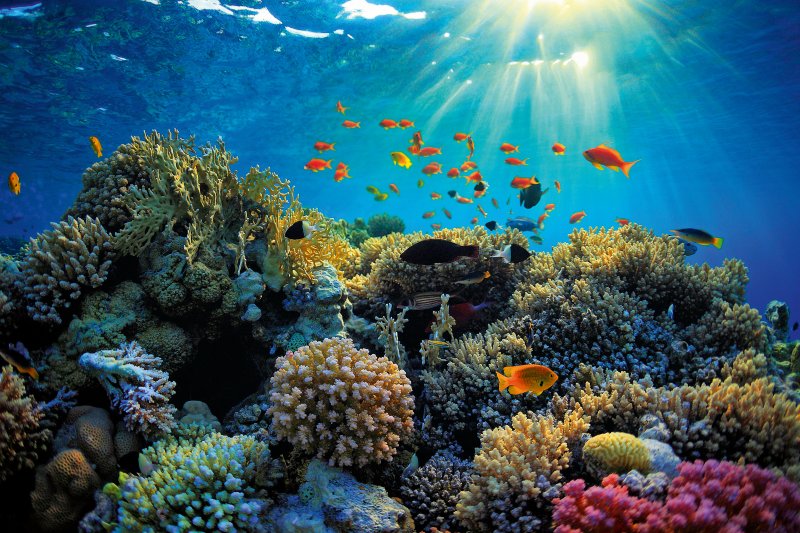
Colourful soft corals thrive in the nutrient-rich waters of Raja Ampat.
Why Divers Believe Raja Ampat Is the Best in the World
One of the biggest reasons divers travel across the globe for diving in Raja Ampat is its extraordinary coral diversity. Scientific surveys have recorded more than 550 coral species and over 1,600 species of fish, creating dense, vibrant reefs that feel like underwater rainforests.
Because the region is so remote, human impact remains minimal, and conservation efforts have allowed marine life to flourish in a way that is rare in most of the world.
istock-divepic
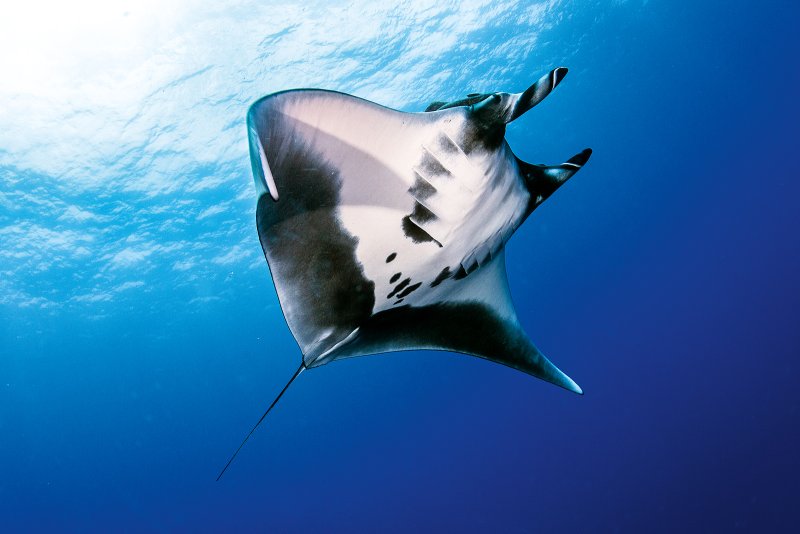
Reef mantas circle cleaning stations at sites like Manta Ridge and Manta Sandy.
The Must-See Dive Sites of Raja Ampat
The classic sites of Raja Ampat each offer something different, and the incredible range is part of what makes Raja Ampat scuba diving so special.
· Cape Kri is famous for its fish counts, with massive schools layering over one another in constant motion.
· At Manta Ridge and Manta Sandy, you can hover quietly as dozens of reef mantas circle cleaning stations.
· Melissa's Garden offers a sprawling coral garden filled with tiny reef fish, nudibranchs, and juvenile marine life that makes every square meter worth exploring.
· The Passage, a narrow channel between islands, feels like diving in a submerged jungle with soft corals, small caves, and unique lighting that filters through the canopy.
· Wayag and Misool also offer dramatic topography, pinnacles, and pristine reefs that showcase the true magic of Raja Ampat scuba diving.
Stock-atese
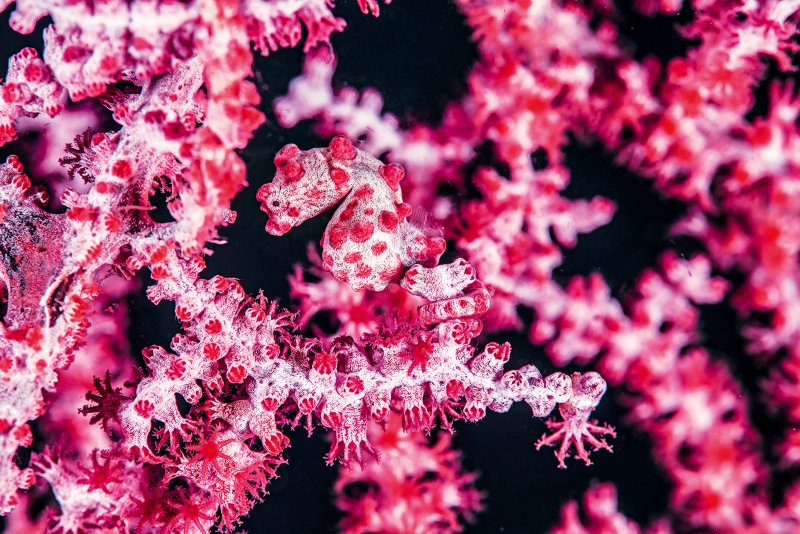
Tiny pygmy seahorses hide in sea fans—look closely to spot them.
What You Will See Underwater—Short Answer: Everything
Raja Ampat scuba diving feels like stepping into a living encyclopedia of marine life. Divers can encounter everything from tiny pygmy seahorses clinging to sea fans to enormous oceanic mantas that can exceed six meters (20 feet) across.
Juvenile reef fish dart in and out of branching corals while larger pelagic species cruise through the blue. Macro lovers will find nudibranchs, blue-ring octopus, ghost pipefish, and rare crustaceans, while wide-angle photographers are drawn to the dense coral landscapes and huge schools of fish.
Sharks are often present, including blacktips, whitetips, wobbegongs, and the occasionally sighted grey reef shark. The density of life is so overwhelming that many divers describe sensory overload during their first few days of Raja Ampat scuba diving.
Liveaboard vs Resort: Which Suits Your Dive Style?
One of the biggest decisions when planning a Raja Ampat scuba diving trip is whether to stay at a resort or join a liveaboard.
Raja Ampat liveaboards are the most popular option because they allow divers to explore a wide range of remote sites, moving through both the north and south regions without losing time to long boat rides. They offer up to four dives per day and easy access to areas like Misool, which are otherwise difficult to reach.
Resorts are a great choice for travelers who prefer more comfort on land, a slower pace, or a chance to immerse themselves in local culture. Many eco-resorts run their own dive centers and provide access to nearby reefs that are often just as spectacular as the well-known sites.
LEARN MORE: Beyond the Liveaboard - A Different Way to Dive Raja Ampat
unsplash-min
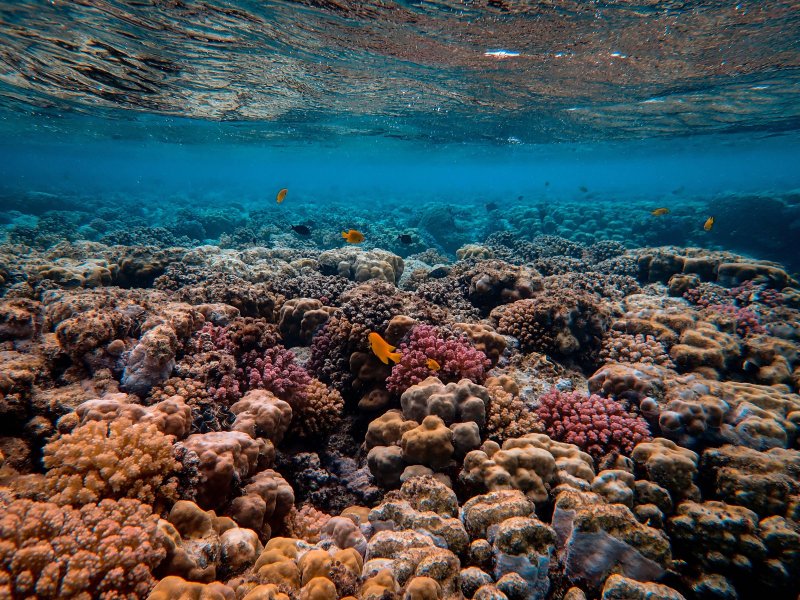
Healthy hard coral gardens are a hallmark of Raja Ampat's protected reefs.
Protecting Raja Ampat's Incredible Reefs
Raja Ampat scuba diving requires a Marine Park Entry Permit, which helps fund local patrolling, reef protection, and community conservation initiatives. These efforts have played a major role in keeping the region healthy.
Local communities and conservation groups work together to protect shark populations, reduce illegal fishing, and maintain no-take zones.
As a diver, it is important to follow strict eco-friendly practices:
· Avoid contact with corals
· Maintain perfect buoyancy
· Reduce plastic waste
· Wear reef-safe sunscreen, such as Raw Elements, Stream2Sea, or Badger Sunscreen.
· Choose operators who support conservation
The region is fragile, and even a single careless fin kick can harm coral that took decades to grow. Sustainable tourism is a vital part of ensuring Raja Ampat scuba diving remains an idyllic experience for future generations.
GET INSPIRED: Benefits of Marine Reserves: What Divers Should Know
The best time to dive Raja Ampat is October to May, when seas are calmer and visibility is consistently good.
Diving conditions vary widely depending on the site, but most areas offer warm water between 27 - 30 °C (80 - 86 °C) and visibility that typically ranges from 15 - 30 meters (50 to 100 feet).
Currents can be strong, especially at sites known for pelagics, which is why many divers recommend gaining drift diving experience before visiting. These currents are also part of what makes Raja Ampat scuba diving so vibrant, as they bring nutrients that keep the reefs healthy and attract large marine life.
Surface conditions can vary, and during changing tides, boat rides can be bumpy, but the rewards underwater are well worth it.
iStock-mihtiande
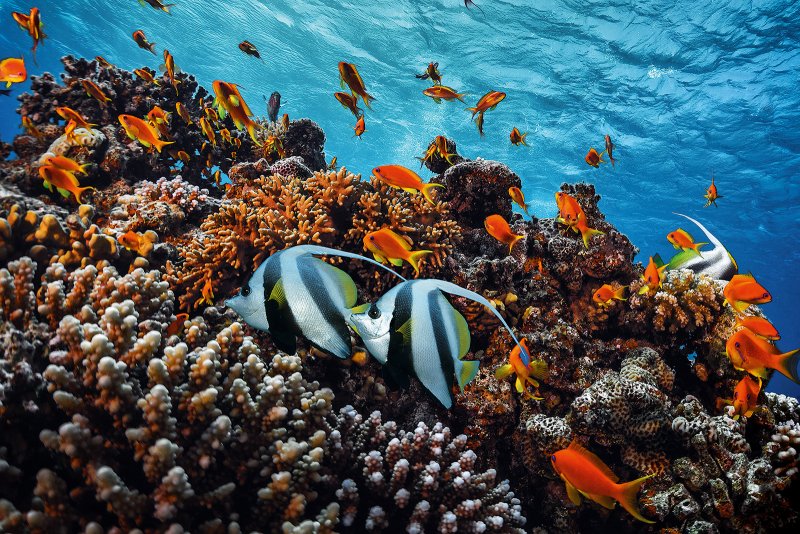
Huge schools of fish are common thanks to strong currents and protected waters.
What Experience Do You Need?
While Open Water Divers can enjoy sheltered reefs, Raja Ampat is generally best for those with some experience due to currents and its remote setting. Training helps. Courses such as SSI Advanced Adventurer, Perfect Buoyancy, Deep Diving, and Marine Ecology build the confidence and skills needed to explore the region's more dynamic sites.
More into freediving? Check out: Freediving in Bali - 9 Things You Need to Know
How to Get There and What to Expect on Arrival
Most trips begin with a flight into Sorong, followed by a ferry or speedboat to your resort or liveaboard. Because of the region's remoteness, flight delays are not uncommon, so planning an extra day on each side of your trip is wise.
You will find warm, welcoming local communities, and small gestures go a long way: learning a few Indonesian greetings, dressing modestly in villages, and supporting local businesses all help create positive cultural exchange.
Resources are limited, so eco-friendly habits matter. Refill water bottles, minimise single-use plastics, and take non-biodegradable items home whenever possible.
predrag_vuckovic
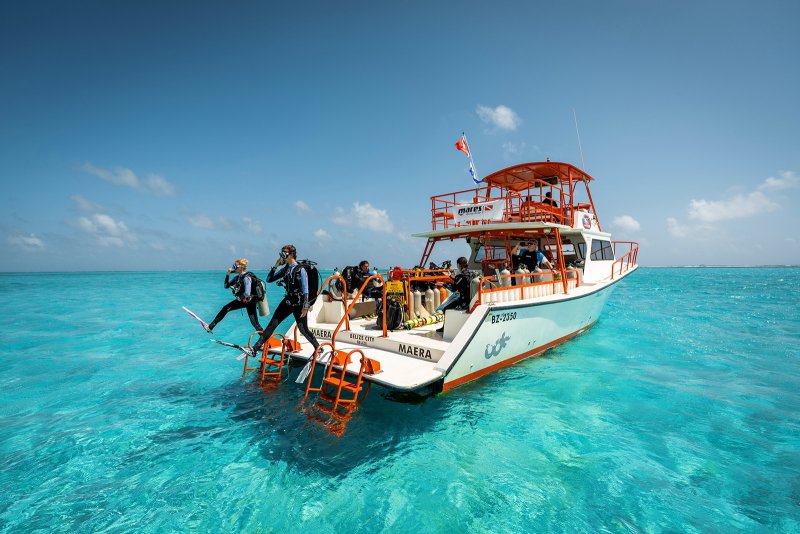
Most dives start from a boat—welcome to warm water and big reefs.
Eco-Smart Packing and Tips for a Better Trip
Raja Ampat rewards mindful divers. Choosing small-group trips helps reduce pressure on busy sites, and carrying a lightweight reef hook (where permitted) can prevent accidental coral contact in strong currents. Bringing your own mask and dive computer ensures a proper fit and makes diving easier from day one.
Keep a respectful distance from manta rays and other megafauna—they come closer when divers remain calm and still. And between dives, slow down and take in the view: limestone karsts, lush islands, and glassy lagoons that are every bit as memorable as the reefs below.
From manta cleaning stations to coral gardens, Raja Ampat offers diving that stays with you long after you surface. Thoughtful planning helps you make the most of the region's remote setting—whether you choose a liveaboard, an eco-resort, or a mix of both.
To start mapping out your journey, including local operators and places to stay, explore trusted options through the SSI Center Locator and begin turning your Raja Ampat plans into reality.