Freediving in Bali: 9 Things You Need to Know
freedivingtravel
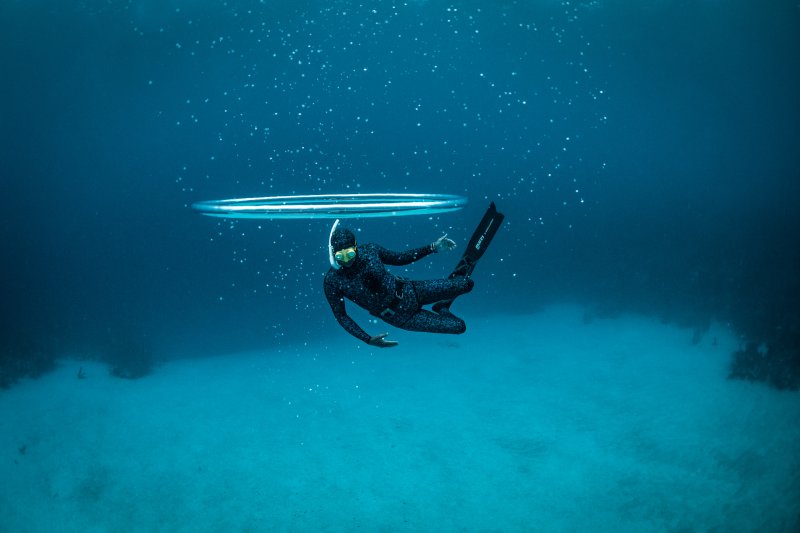
predrag-vuckovic
Thinking of a trip to the Island of the Gods for some freediving? You are in for a treat. Freediving in Bali is a world-class experience, offering accessible dive sites, vibrant marine life, and a deeply spiritual culture that complements the sport perfectly. There are also expert freediving instructors in Bali who make the journey both safe and inspiring. But before you pack your bags and your long fins, here are nine things you should know to make your adventure unforgettable.
From iconic shipwrecks to manta rays and calm, clear waters, freediving in Bali combines the thrill of depth with the magic of the island's landscapes and culture.
When it comes to freediving in Bali, two names stand out: Amed and Tulamben. Located on the northeast coast, these quiet fishing villages are freediving meccas. Amed, with its calm, clear waters and easy shore access, is perfect for training and is home to the stunning Jemeluk Bay. The bay has a beautiful coral garden and slopes from 5 to 30 meters (16–98 feet), ideal for freedivers of all levels.
Walk into the water and descend onto a magnificent shipwreck, exploring its nooks and crannies with just one breath.
Tulamben is just a short drive away and is famous for the USAT Liberty wreck. This incredible wreck lies just 30 meters (98 feet) from the shore and is a freediver's playground, with depths from 3 to 29 meters (10 to 95 feet). You can literally step off the beach and drop into history.
Visibility in Bali often ranges from 15–30 meters (49–98 feet), especially during the dry season (April–October). Water temperatures stay warm at 26–29°C (79–84°F), so you will usually be fine in a thin wetsuit or rash guard. From July to November, deeper thermoclines can dip to 21–25°C, so a 5mm suit may help if you are sensitive to cold.
Amed and Tulamben's mostly calm conditions make them reliable, safe training grounds — perfect for both beginners and experienced freedivers.
Want to explore deeper depths? Check this out: Deep Freediving: All You Need to Know to Explore The Depths
Diving in Bali is renowned for waters brimming with life, but you do not need a tank to see it all. When freediving in Bali, you can expect to encounter an incredible variety of marine species. At the USAT Liberty wreck, you will be mesmerized by massive schools of jacks and bumphead parrotfish that patrol the ship, along with turtles, moray eels, and vibrant soft corals.
As part of the Coral Triangle, Bali's waters are home to one of the highest levels of marine biodiversity on the planet.
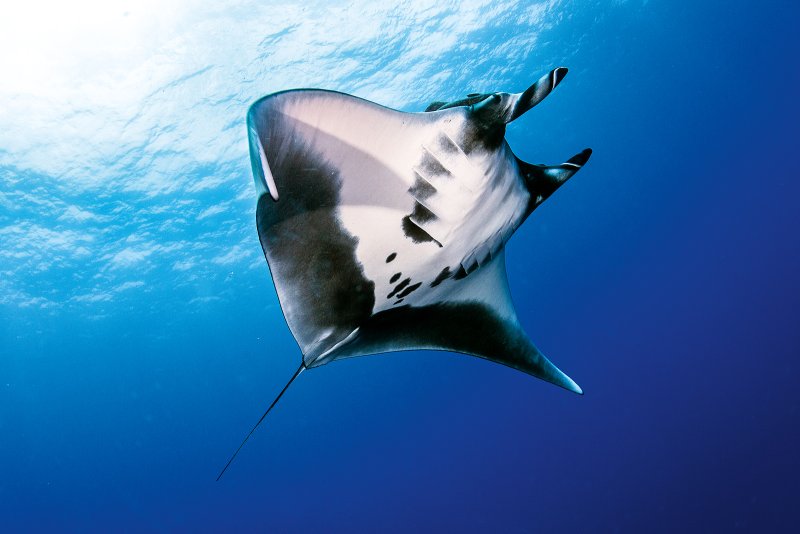
The reefs in Amed are equally impressive, with a kaleidoscope of tropical reef fish, pygmy seahorses, and colorful nudibranchs. If you take a boat trip from Nusa Penida (a short journey from Bali's mainland), you can freedive with majestic manta rays at Manta Point or, in the right season (August to October), spot the elusive Mola mola (sunfish).
istock-divepic
Freediving in Bali with manta rays at Nusa Penida — an unforgettable bucket-list experience.
Booking an SSI freediving course in Bali connects you with world-class instructors and safe, structured training. Amed hosts several excellent SSI Training Centers offering beginner through instructor-level courses.
These centers provide personalized training and a supportive atmosphere, with access to excellent training buoys just a short swim from the shore.
You will learn breath-hold techniques, ear equalization, and rescue skills, while practicing on training buoys close to shore. Every session is supervised — ensuring both safety and confidence as you progress.
Want to boost your breath-hold? Explore Freediving: How to Hold Your Breath for Two Minutes…Today!
Getting to Amed or Tulamben is simple: fly into Ngurah Rai International Airport (DPS) and take a scenic 3-hour drive along volcanic landscapes, rice terraces, and coastal views.
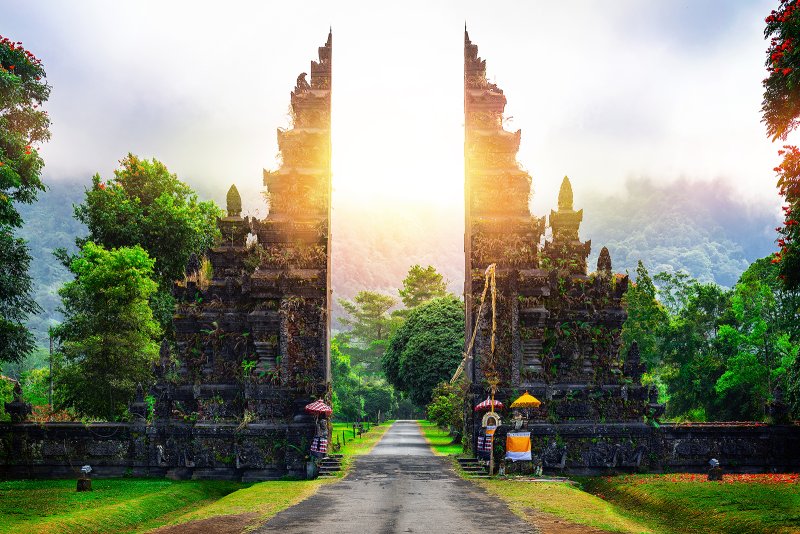
Beyond the water, Bali offers a rich cultural and spiritual experience. Visit the Gate of Heaven at Lempuyang Temple, stroll through lush rice paddies, or relax at the Tirta Gangga Water Palace. Between freedives, enjoy yoga, salt farms, or a plate of Nasi Campur at a local warung.
shutterstock_chanchai-duangdoosan
Sacred temples and lush rice paddies make Bali as magical above water as it is below.
For most freedivers in Bali, a 3mm wetsuit is plenty. It keeps you buoyant and protects from sun and jellyfish stings, while many divers are comfortable in just a rash guard. If you are diving deeper or prone to cold, consider a 5mm.
Most SSI Training Centers rent gear, but if you want your own, Mares has excellent freediving wetsuits.
Need some more great dive spots? Here is: Scuba Diving Indonesia: How to Choose the Best Islands for Your Dive Trip
Freediving in Bali is safe — as long as you dive smart. Always freedive with a buddy and never alone. An SSI freediving course will teach you buddy procedures, rescue techniques, and how to recognize blackouts.
Expertise is easy to access—local SSI Freediving Instructors combine world-class training with deep knowledge of the island's unique dive sites.
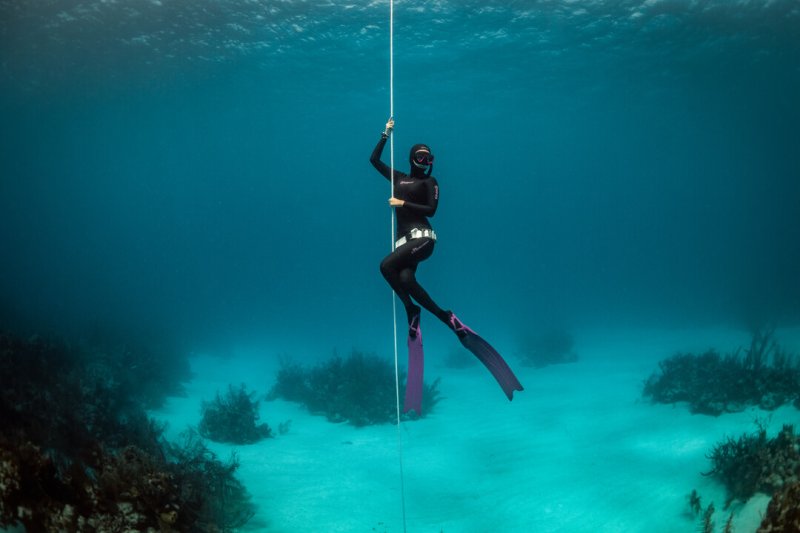
When training at an SSI Training Center, professional instructors set up lines and keep watch, so you are always supervised. For extra peace of mind, carry dive and travel insurance. DiveAssure specializes in freedivers and scuba divers, offering tailored coverage.
predrag-vuckovic
Training with an SSI Freediving Instructor in Bali ensures safe, professional supervision.
One of Bali's best perks is easy shore access. From the beach, you can reach Jemeluk Bay or the Liberty wreck in minutes — making freediving both accessible and affordable.
But do not miss a boat trip: heading to Manta Point near Nusa Penida or other offshore sites expands your options and saves energy for the dives themselves.
Want to dive deeper with less effort? Explore: Freediving Techniques: How to Improve Your Streamlining
Freediving in Bali is about more than the ocean — it is about the whole island. Between dives, you can chase waterfalls, hike to viewpoints, or indulge in fresh seafood and tropical fruit. The blend of culture, nature, and underwater exploration makes Bali unforgettable.
Many freediving schools in Bali also offer yoga sessions, recognizing the strong connection between breathwork and freediving performance, so you can easily combine your love for both disciplines.
With its perfect mix of stunning dive sites, warm waters, and expert SSI Training Centers, freediving in Bali is an unparalleled adventure. Start planning your trip today and connect with an SSI Training Center to make it unforgettable.
Find your Perfect SSI Training Center in Bali here
…………………………………………………..
1. Do I need previous experience before freediving in Bali?
No. Bali has excellent SSI Freediving Centers that welcome beginners. You can start with an entry-level course in Amed or Tulamben and progress at your own pace.
2. What is the best time of year for freediving in Bali?
The dry season (April–October) offers the clearest conditions, but Bali is a year-round freediving destination.
3. Is freediving in Bali safe for beginners?
Yes — when training with certified instructors and always diving with a buddy.
4. Can I freedive the Liberty Wreck in Tulamben as a beginner?
Yes. The wreck starts in shallow water at around 3 meters, so even new freedivers can explore parts of it safely under guidance.
5. What marine life can I expect when freediving in Bali?
Expect turtles, reef fish, nudibranchs, and critters. Manta rays are seen year-round at Nusa Penida. Mola mola (sunfish) are more seasonal, appearing from August to October.
6. What equipment do I need for freediving in Bali?
Most SSI Freediving Centers provide masks, fins, snorkels, and wetsuits. If you prefer to bring your own, a 3mm wetsuit is usually enough for Bali's warm waters.