How to Become a Freediving Instructor: A Six-Month Roadmap
freediving
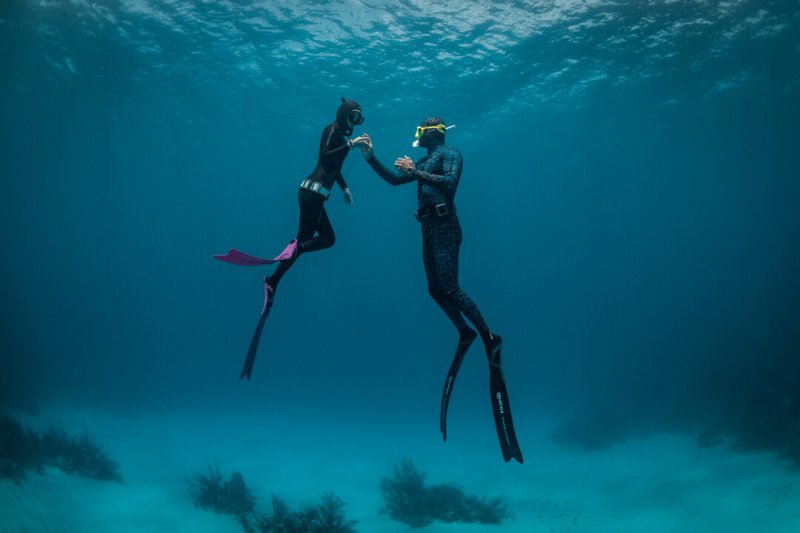
predrag-vuckovic
Freediving is an incredible journey of self-discovery, mental strength, and underwater mastery. If you have ever wondered how to become a freediving instructor, this roadmap lays out the path. By following a structured six-month training plan, setting realistic goals, and staying dedicated, you can build the skills, experience, and certifications needed to transform from beginner to professional.
You can become a freediving instructor in just six months by completing SSI's progressive freediving courses, training regularly in the pool and open water, and meeting depth and safety requirements. The path moves from beginner certification through advanced and performance training to instructor-level teaching skills.
Every journey begins with a single breath. This roadmap shows you how to become a freediving instructor step by step—from your very first course to preparing for instructor training. Each month has a clear focus, guiding you through the progression from beginner diver to confident professional.
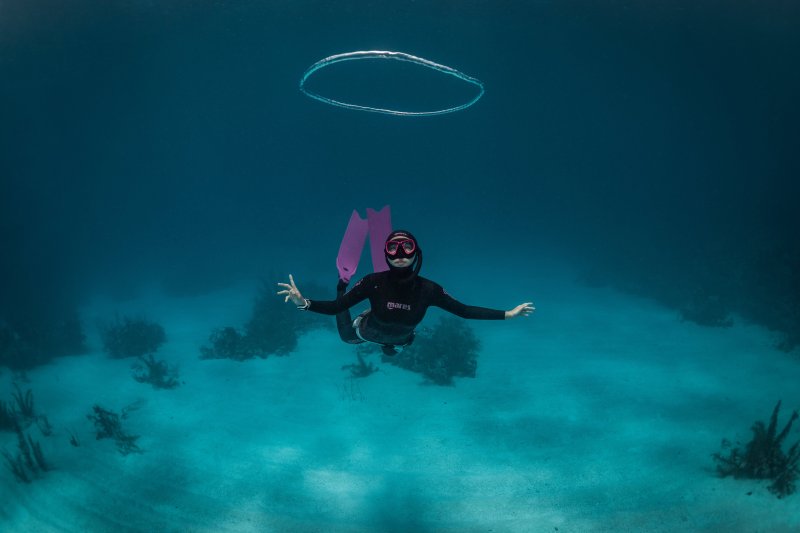
predrag_vuckovic
The journey to becoming a freediving instructor starts with a single breath.
At the start, your focus is on building safety, comfort, and confidence in the water. These foundations are essential if you want to understand how to become a freediving instructor later.
1. Get Certified in Basic Freediving
- Enroll in a beginner freediving course like SSI Freediver.
- Learn fundamental techniques: breath-hold, equalization, proper finning, and safety procedures.
- Set your initial performance goals:
Take specialty courses like SSI Training Techniques to progress faster and learn how to train at home and in the water.
Ready to dive in? Check out: 22 Tips for Freediving: Essential Advice for Beginners
2. Train Regularly & Improve Basic Skills
- Practice breath-hold exercises 3–4 times per week.
- Work on flexibility for better lung capacity and equalization (yoga and diaphragm stretches).
- Improve swimming and finning technique through pool sessions.
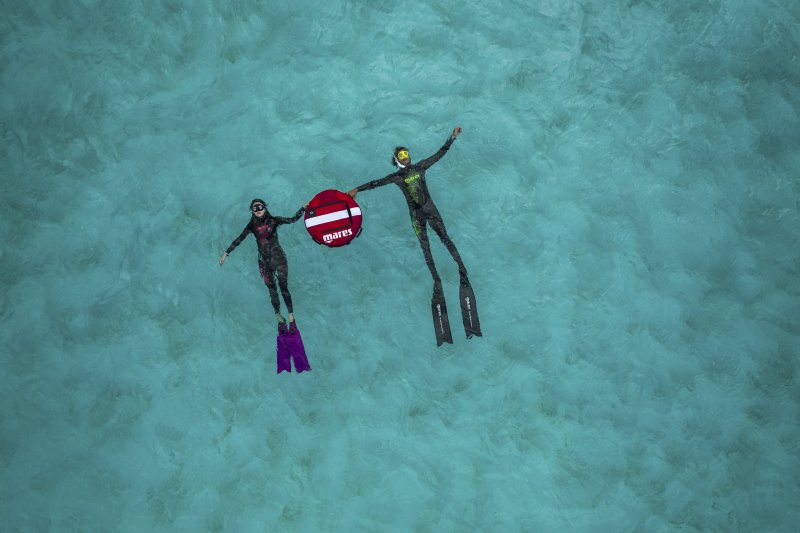
predrag-vuckovic
Building safety and confidence during your first freediving course.
With the basics in place, it is time to refine your technique and push your limits a little further. This stage is critical for anyone committed to becoming a freediving instructor, as it develops both endurance and confidence.
1. Progress to the Advanced Freediver Course
- Take the SSI Advanced Freediver to advance your skills.
- Learn freefall technique, Frenzel equalization, and how to extend dive times efficiently.
- Target performance improvements:
2. Increase Your Training Intensity
- Incorporate deep dives 1–2 times per week with a buddy.
- Improve CO₂ tolerance with longer breath-hold exercises.
- Start resistance training for core and leg strength to enhance efficiency underwater.
- Prioritize repetition over achieving personal bests and repeat every new achievement multiple times.
Image: Freediver descending along a line with fins.
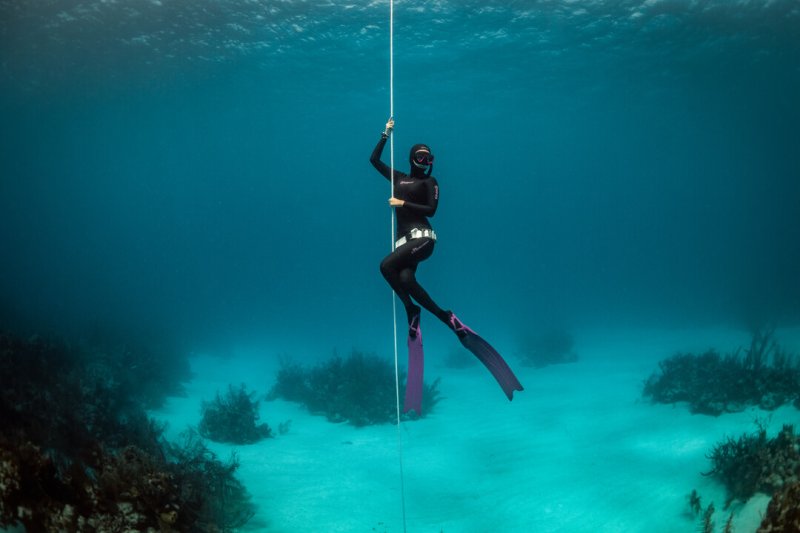
predrag-vuckovic
Refining technique and extending dive times at the intermediate stage.
At this stage, freediving is no longer just a hobby—you are developing the mindset and skills of a serious diver. For many, this is the first point where the path to becoming a freediving instructor starts to feel real.
1. Complete a Performance Freediver Course
- Take the SSI Performance Freediver to develop deep-diving abilities.
- Master mouth-fill equalization and efficient deep-diving techniques.
- Target depth: 30–40 meters, with extended breath-hold and relaxed freefalling.
- Always remember that repetition is more important than any other level at this stage.
Working on your freediving techniques? Discover How to Improve Your Streamlining
2. Expand Your Water Safety Knowledge
- Learn advanced rescue techniques for freediving emergencies.
- Improve buddy system and safety practices.
- Develop your mental training for relaxation and stress management.
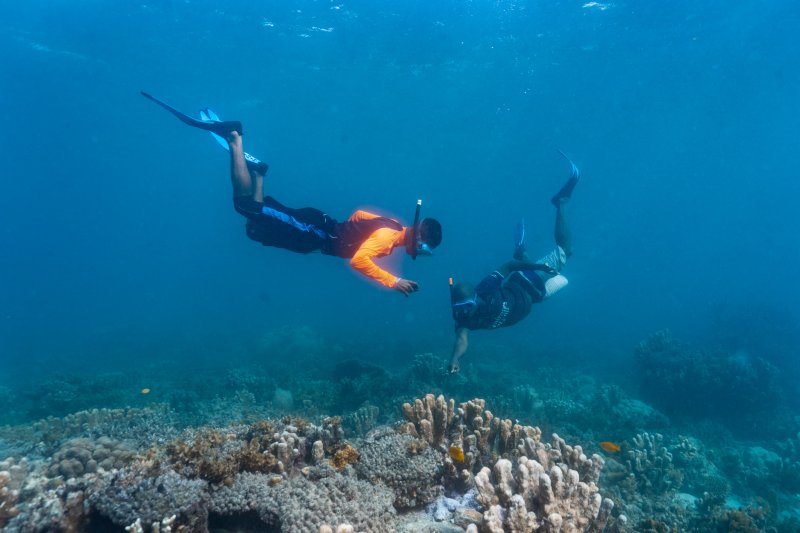
Marla-Tomorug
Developing depth, safety, and mental strength as a serious freediver.
This stage is an important milestone in how to become a freediving instructor, because it is the first time you will focus on guiding others rather than just your own dives.
1. Practice Frequent Deep Dives
- Increase deep dive frequency to 2–3 times per week.
- Work on fine-tuning equalization and technique for deeper depths.
- Try to develop the ability to learn from your buddy's feedback.
- Assess your challenges and develop a deeper understanding of freediving physiology.
2. Start Coaching Beginners
- Observe instructors in beginner freediving courses to gain experience.
- Share your experience with others and discuss the topics of techniques, relaxation, and breath-holding exercises.
- Improve your ability to analyze and correct others' diving form.
Your final stage is about proving that you have both the diving skills and the teaching ability to move from student to instructor. This is the last step in becoming a freediving instructor.
1. Meet the Instructor Course Prerequisites
- Ensure you meet depth and breath-hold requirements for instructor certification.
- Gain experience coaching and guiding dives under supervision.
- Study freediving theory, physiology, and training methods in depth.
2. Enroll in an Instructor Training Course
- Take an SSI Freediving Instructor Course at a certified training center.
- Learn how to teach, assess students, and conduct courses professionally.
- Complete the required number of student teaching hours and evaluations.
Safety comes first—always. Read more in The Ultimate Guide to Freediving Safety
3. Get Certified & Start Teaching
- Pass the instructor exam and final evaluations.
- Apply for jobs at freediving schools or start your own coaching program.
- Continue deepening your own practice while mentoring new freedivers.
Mastering how to become a freediving instructor in one year requires dedication, consistent training, and the right mindset. Prioritize safety, refine your technique, and immerse yourself in the freediving community for continuous growth.
Remember—the journey does not end at certification. Each dive, each student, and each experience will shape you further as both a diver and a teacher.
Take the plunge into your freediving journey today—find an SSI Freediving Training Center near you today: SSI Freediving Training Centers.
How long does it take to become a freediving instructor?
With a structured training plan, you can progress from beginner to instructor in as little as six months.
Do I need prior diving experience?
You can start as a complete beginner—just enroll in an SSI Freediver course to build the basics.
What is the deepest you need to dive?
Instructor training generally requires depths of 30 meters, along with strong safety and teaching skills.
Can I work internationally as a freediving instructor?
Yes—an SSI Freediving Instructor certification is globally recognized, giving you opportunities to teach around the world.