Do You Need to Know How to Swim to Snorkel? Snorkeling Safety
snorkel diver
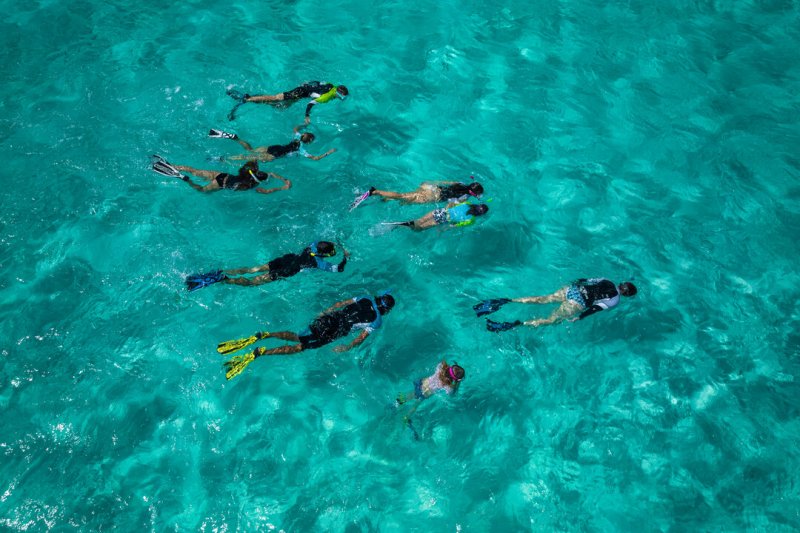
predragvuckovic
What an exciting, slightly nerve-wracking feeling.
That first moment with a mask on your face can feel almost unreal. You lower your eyes into the water, the surface goes quiet, and suddenly there are coral shapes, flashes of color, and fish moving below you like you have stepped into a living aquarium.
But before you get in, one question matters: Do you need to know how to swim to snorkel?
You do not need to be a strong swimmer, but you should feel comfortable in the water. Basic swimming skills, calm floating, and the ability to breathe through a snorkel while wearing a mask all help make snorkeling safer and more enjoyable.
If you are not confident yet, choose shallow, calm water, use flotation support, stay close to a buddy or guide, and practice before your first open-water snorkel trip.
Good snorkeling safety starts before you enter the water.
With the right equipment, calm conditions, and a few simple skills, your first snorkel trip can feel calmer, safer, and much more enjoyable.
Table of Contents:
-
How to Snorkel Safely with the Right Equipment
-
First Time Snorkeling: Practice Before Your Trip
-
How to Snorkel Safely: Stay Calm in the Water
-
Snorkeling Safety: Always Use the Buddy System
-
Check Conditions, Currents, and Entry Points
-
Protect Yourself from Sun, Heat, Dehydration, and Fatigue
-
Respect Marine Life
-
Building Confidence with SSI Snorkel Diver Training
-
A Simple Snorkeling Safety Checklist Before You Get In
-
Dive Deeper
Good equipment makes a huge difference when it comes to snorkeling safety, especially for beginners. A leaking mask or uncomfortable fins can quickly turn an exciting first snorkel trip into stress.
Start with the mask. A proper fit should create a gentle seal around your face without feeling painfully tight. Place the mask against your face without using the strap and inhale slightly through your nose. If it stays in place for a moment, the fit is usually good.
A leaking mask often distracts beginners and increases stress in the water.
Your snorkel should feel comfortable and allow easy breathing. Many new snorkelers prefer dry snorkels, which help reduce water entering the tube during waves or accidental submersions.
Fins are equally important. They should feel snug, but never painfully tight. Fins that are too loose may slip off, while overly tight ones can cause cramps. Shorter fins are often easier for beginners because they require less effort and feel more manageable.
Flotation aids can also improve confidence. Snorkel vests or flotation belts help conserve energy and give extra reassurance if you become tired.
Using flotation support is not a sign of weakness. For many beginners, it is one of the smartest snorkeling safety decisions they can make.
One of the best ways to improve confidence is practicing basic swimming and floating before heading into open water.
You do not need to be an Olympic swimmer to snorkel, but feeling comfortable in the water helps enormously. Spending time in a pool or calm shallow water can make your first time snorkeling much less intimidating.
Practice floating on your front and back. Then add your mask and snorkel.
Breathing through a tube may feel strange at first. Give yourself a few quiet minutes. Slow, relaxed exhales help your body settle, and after a little practice, breathing through the snorkel usually feels much more natural.
If possible, practice gentle kicking with fins in a calm environment. Small, relaxed kicks are far more effective than big, fast movements that waste energy.
This preparation supports snorkeling safety because comfort and confidence often reduce panic before it begins.
Want more beginner guidance before you travel? Read: Snorkeling for Beginners: Expert Tips to Start Strong
Feeling nervous before your first snorkel trip is completely normal. The key is to slow things down before stress builds.
As a beginner, you may accidentally hold your breath or breathe too quickly when you first put your face in the water. Instead, focus on slow, relaxed breathing. Long exhales often help your body settle into a comfortable rhythm.
If you feel overwhelmed, stop and float. Lift your head, take a few calm breaths, and reset. There is never any rush.
Before entering the water, imagine yourself floating comfortably and breathing steadily. This simple mental reset can help reduce anxiety and build confidence before your first snorkel trip.
A simple relaxation exercise helps: inhale gently for four seconds, pause briefly, and exhale slowly for six seconds before entering the water.
One of the simplest snorkeling safety rules is also one of the most important: do not snorkel alone.
Even experienced ocean lovers benefit from having a buddy nearby. Conditions can change quickly, and something as simple as a cramp, tiredness, or equipment issue becomes much easier to manage when someone is close.
Agree on a comfortable pace before you enter the water and stay within visual range with your buddy. This gives you more confidence and makes communication easier.
You may also drift farther from shore than intended. It is tempting to follow a turtle or a bright fish across the reef, but your buddy helps keep the bigger picture in view. Shared ocean moments are better when everyone returns smiling.
Calm-looking water is not always calm water.
Before your snorkel trip, check tides, weather forecasts, and local advice. Strong currents can make swimming unexpectedly difficult, even for confident swimmers.
For your first few sessions, choose beginner-friendly snorkeling conditions. This usually means sheltered bays, lagoons, or beaches with limited current and easy entry points. Avoid rough surf or areas with strong waves during your first few outings, which will make your first snorkel trip more enjoyable.
Pay attention to entry and exit points too. Rocky shorelines may look beautiful but can become slippery or difficult in waves.
A major part of snorkeling safety involves knowing your limits. If conditions feel wrong, wait or choose a calmer spot. The reef will still be there tomorrow.
Planning a snorkeling or dive-focused vacation? Scubago is a helpful place to explore underwater destinations, dive centers, and trip ideas before choosing where to go next.
Many first-time snorkelers worry about marine life, but sunburn and fatigue are often the real trip spoilers.
When you float in cool water, the sun can work quietly on your back, shoulders, and legs.
Wear a rash guard or UV-protective swim shirt, when possible, use reef-safe sunscreen, and drink plenty of water before and after snorkeling, particularly if temperatures reach 30°C (86°F) or higher. Hydration matters just as much. Even gentle swimming can be physically tiring, especially in warm climates.
If you feel tired, cold, overheated, or lightheaded, get out and rest. Good snorkeling safety includes knowing when to stop.
The first reef can feel like visiting another planet. Coral gardens, sea urchins, tiny reef fish, and maybe even a turtle may be right below you. Look closely but keep your distance.
Never chase turtles, touch coral, or follow fish too closely. Avoid standing on reefs or picking up shells and marine creatures. Coral is alive and fragile. One careless fin kick can break years of growth.
True snorkeling safety means giving unseen creatures their space. Even beautiful species such as lionfish, sea urchins, or jellyfish can turn a moment of curiosity into a sudden, painful sting.
Respect keeps you safe and helps keep the reef alive for the next visitor.
If you want to feel more prepared for the magic of the underwater world, the SSI Snorkel Diver is a great way to build confidence. It introduces the equipment and skills you need to go snorkeling safely, including water entry, breathing, buoyancy, and comfortable movement with mask, snorkel, and fins.
The program does not expect you to be a proficient swimmer, but it does expect comfort in the water and the ability to maintain buoyancy.
That makes it a smart next step for anyone wondering, "Do you need to know how to swim to snorkel?" and wanting a clear, guided answer in the water.
Use the SSI Center Locator to find an SSI Professional and beginner-friendly snorkeling experiences nearby or while traveling.
If your snorkel trip is part of a broader dive vacation, you can also review travel and activity coverage options throughDiveAssure before you go.
Before you enjoy your next session, always take a quick minute and check the basics:
Make sure that:
- Mask fits comfortably and does not leak
- Snorkel works properly and allows easy breathing
- Fins feel comfortable and secure without squeezing
- Flotation support is ready if you need it
- Weather, currents, and entry points are suitable
- You have sun protection and drinking water ready
- Your buddy or guide knows the plan
Your first snorkel trip should feel exciting, not stressful. By prioritizing snorkeling safety, practicing beforehand, and learning basic skills, you can focus on what matters most: floating over that first reef and discovering the world waiting just beneath the surface.
Ready to take your ocean adventures deeper? Read How to Become a Diver with No Experience: Step-by-Step Guideand see how snorkeling can become the first step toward scuba, freediving, or a lifetime of underwater travel.