Diving Mistakes: 8 Errors in Extended Range Diving
extended range
gerald_nowak-min
Table of Contents:
-
1. Skipping Physical and Mental Conditioning
-
2. Diving Mistakes from Neglecting Pre-Dive Planning
-
3. Rushing Skills Development
-
4. Ignoring Gas Limits and Reserves
-
5. Poor Team Communication Can Lead to Diving Mistakes
-
6. Becoming Over-Reliant on Technology
-
7. Skipping Essential Equipment Checks
-
8. Diving Mistakes Caused by Decompression Complacency
-
Keep Training and Stay Humble
-
Dive Deeper
Extended range diving can take you deeper, keep you underwater longer, and open access to wrecks, caves, and remote underwater sites beyond recreational limits, with the right training. These dives demand careful preparation and sound judgment.
The most serious diving mistakes rarely begin with a dramatic last-second decision. More often, they start with small shortcuts such as rushing preparation, overlooking equipment, exceeding a gas limit, or neglecting to practice a familiar procedure.
Most of these problems are preventable. Disciplined habits, respect for personal limits, and continued training help XR divers approach demanding dives with the control and confidence they need.
Extended range diving can be physically demanding. You feel the extra workload when carrying additional cylinders, managing equipment, finning against a current, or completing long decompression obligations. Starting a technically demanding dive already tired, dehydrated, stressed, or poorly conditioned is an avoidable diving mistake.
Conditioning does not mean becoming an elite athlete. Regular swimming, walking, cycling, strength training, and mobility work can improve general fitness. You also need to recognize when you are not ready for a planned dive. Poor sleep, illness, unusual anxiety, or excessive fatigue are all good reasons to postpone.
Build fitness gradually and practice handling your equipment in controlled conditions. Routine tasks should feel familiar and unhurried before you add depth, duration, or more complex environments.
Apeks
A complicated dive should never be improvised once you are underwater. Overlooking the profile, gases, decompression strategy, contingencies, navigation, equipment configuration, or turnaround criteria can cause diving mistakes to build on each other.
Before entering the water, everyone on the team should understand the plan and know what to do if it changes. Discuss maximum depth, planned bottom time, gas requirements, lost-gas procedures, lost-line or navigation scenarios where relevant, and the signals you will use.
Planning also means looking closely at the conditions you will face. Current, visibility, water temperature, access, exit points, weather, and boat traffic can all affect the dive. A plan that looks solid on paper may no longer work when visibility drops or the current picks up.
For a closer look at planning in overhead environments, read Diving in Caves: What Is It Really Like?
Moving into extended range diving because you have accumulated enough dives on paper can be a dangerous shortcut. Certification is an important milestone, but competence comes from repeated practice.
Technical diving mistakes can begin when you take on a new depth, gas configuration, or environment and still have to stop and think through basic procedures. Buoyancy control, propulsion, gas switching, valve management, and emergency procedures should become controlled, deliberate responses.
Practice new skills in an appropriate training environment before combining them with a demanding dive. If a procedure feels rushed or confusing, you need more practice, not more complexity. The SSI Extended Range Foundations program offers confined-water practice for buoyancy, trim, and finning.
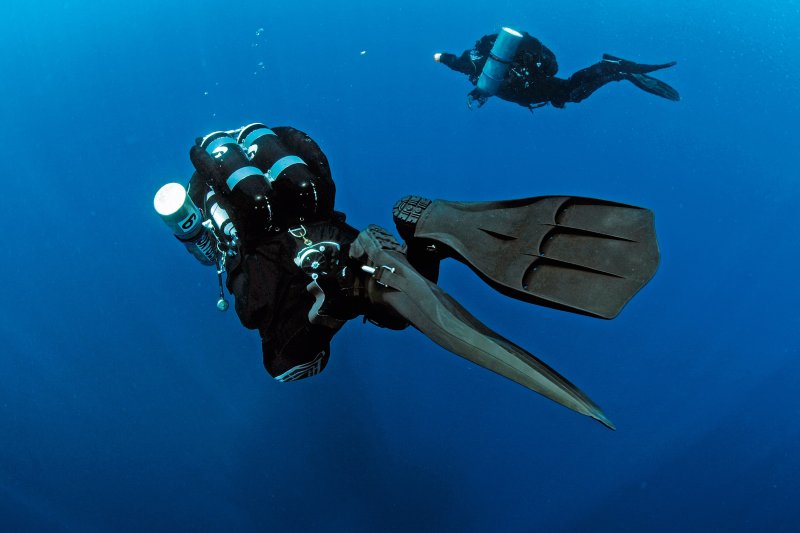
Gas planning becomes increasingly important as depth and complexity increase. At greater depths, you use gas faster, and long decompression obligations can leave you with fewer options if something goes wrong.
For XR divers, serious diving mistakes can begin with treating cylinder pressure like a countdown instead of part of a complete gas-management strategy.
Your plan should account for the gas required for the planned profile, along with appropriate reserves and contingencies. The exact approach depends on your configuration, environment, team procedures, and training level.
Do not continue a dive simply because your gauge still shows gas in the cylinder. Predetermined limits give you options if conditions change.
gerald_nowak
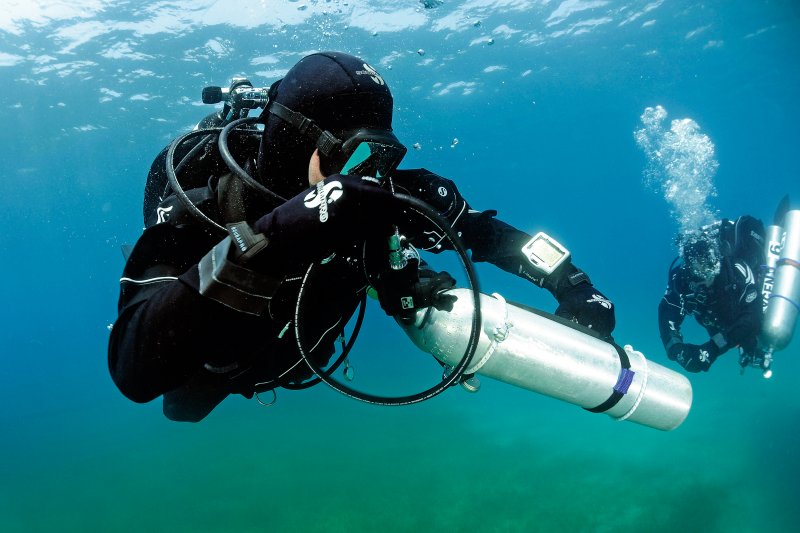
A highly experienced diver can still run into trouble if the team does not communicate clearly. In XR diving, a misunderstood signal can have greater consequences when divers are deeper, carrying multiple cylinders, or committed to decompression.
Some diving mistakes begin with assumptions. You think your teammate understood a signal, noticed a gas switch, or knows what to do in an emergency.
Before the dive, agree on standardized signals and contingency procedures. Underwater, communicate as soon as something changes instead of waiting until it becomes urgent. Keep track of your teammates' positions, gas status, and behavior throughout the dive.
Staying close together is not enough. Good teamwork means knowing how the whole team will respond if the original plan no longer works.
Modern dive computers, rebreathers, transmitters, lights, cameras, and navigation equipment can dramatically improve diving. They can also draw your attention away from what is happening around you.
Technology should support your training, not replace it. Becoming dependent on a particular device is a subtle diving mistake, especially if you are unsure what to do when it stops working.
Understand the limitations of every piece of equipment you use. Know how to respond to battery failure, computer problems, lost displays, or other equipment malfunctions according to your training.
The same principle applies to navigation. A digital compass can be extremely useful, but you still need to understand the fundamentals of underwater navigation rather than simply following an electronic display.
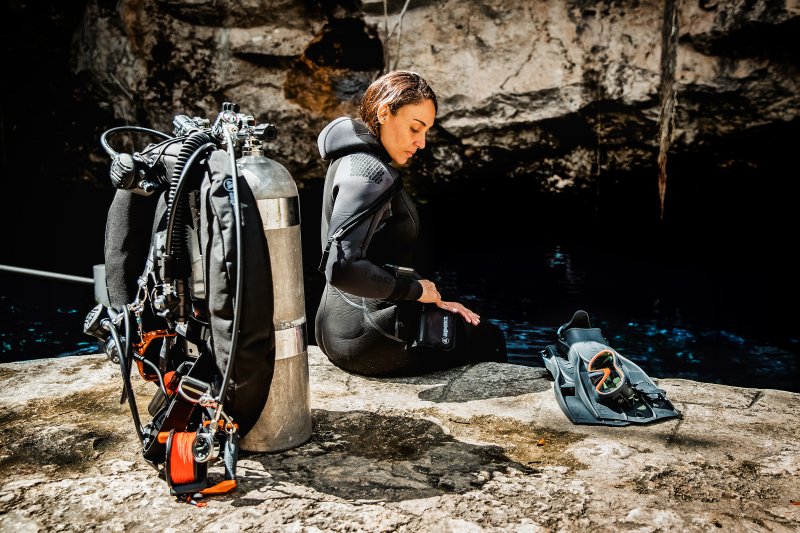
Extended range configurations contain more equipment, leaving more opportunities for something to go wrong. A forgotten cylinder valve, damaged hose, poorly secured bolt snap, depleted battery, or incorrect gas label can turn a small oversight into a serious problem.
Skipping systematic equipment checks is one of the easiest diving mistakes to prevent. Develop a consistent pre-dive routine and follow it every time, even with equipment you have used hundreds of times.

mares
Check cylinders, regulators, valves, hoses, computers, lights, reels, exposure protection, buoyancy systems, and other configuration-specific equipment. Confirm gas identification and contents before entering the water.
Your buddy should also understand your configuration. Even a beautifully organized setup is of little help if another diver cannot identify or reach the equipment, they might need to assist you.
Considering a rebreather? Read Should You Switch? Pros and Cons of Closed-Circuit Rebreathers for a closer look at CCR equipment demands and training.
Decompression procedures deserve constant respect. After many similar dives without an incident, even experienced divers can develop a false sense of security.
Ignoring decompression procedures, rushing stops, or treating a dive computer as a guarantee against decompression problems are serious diving mistakes. Your computer provides information, but it cannot replace careful planning, training, gas management, and disciplined execution.
Follow the procedures appropriate to your training and equipment and never let schedule pressure dictate decisions underwater. If a dive involves a significant decompression commitment, make sure you have enough gas, equipment, and contingency planning to handle an unexpected delay.
The best way to prevent diving mistakes and reduce diving risks is to treat every demanding dive as a chance to sharpen your habits, not prove your ability. Experienced XR divers build confidence through preparation and practiced skills rather than assuming everything will go exactly as planned.
SSI's Extended Range programs provide structured training for divers who want to progress into more advanced environments and techniques. Take your training step by step, getting comfortable with each new skill before adding complexity. Use the SSI Center Locator to find an SSI Training Center and discuss the right next step for your experience with an SSI Professional.
The safest XR divers are not the ones who never encounter problems. They are the ones who prepare carefully enough to recognize problems early and have the skills, teamwork, and discipline to respond. Most diving mistakes are avoidable, and a little humility before every dive goes a very long way.