Swimming Gear Guide 2026: What Is Worth Buying?
swim

zoggs
Swimming gear including goggles, swim cap, training fins, and kickboard arranged beside a swimming pool
Table of Contents:
-
Swimming Goggles: Why Fit Comes First
-
Wetsuits: Worth Buying for Open Water Swimming?
-
Swim Caps: Small Investment, Useful Benefits
-
Training Fins: Improve Your Kick and Body Position
-
Swimming Snorkels: Focus on Your Technique
-
Hand Paddles: Build Strength Without Overloading Your Shoulders
-
Kickboards and Pull Buoys: Simple Tools for Better Training
-
Swimming Smartwatches: Are They Worth the Money?
-
Sustainable Swimwear: Choose Quality That Lasts
-
Essential Swimming Gear for Beginners
-
The Best Swimming Gear for Fitness Swimmers
-
Swimming Equipment for Competitive Swimmers
-
What Swimming Gear Is Not Worth Buying?
-
How to Make Your Swimming Gear Last
-
Let Your Swimming Goals Guide Your Gear Choices
-
The Bottom Line: Buy What Works for You
-
Dive Deeper
The right swimming gear can make swimming more comfortable, efficient, and enjoyable. But with so much equipment available, how do you know what you actually need?
In 2026, swimmers can choose from simple training aids and smartwatches to more sustainable swimwear. The key is not buying everything, but choosing equipment that solves a real problem and makes a difference once you are in the water.
If you are learning to swim, training for fitness, competing, or heading into open water, this guide will help you decide what is worth packing in your swim bag and what you can leave behind.
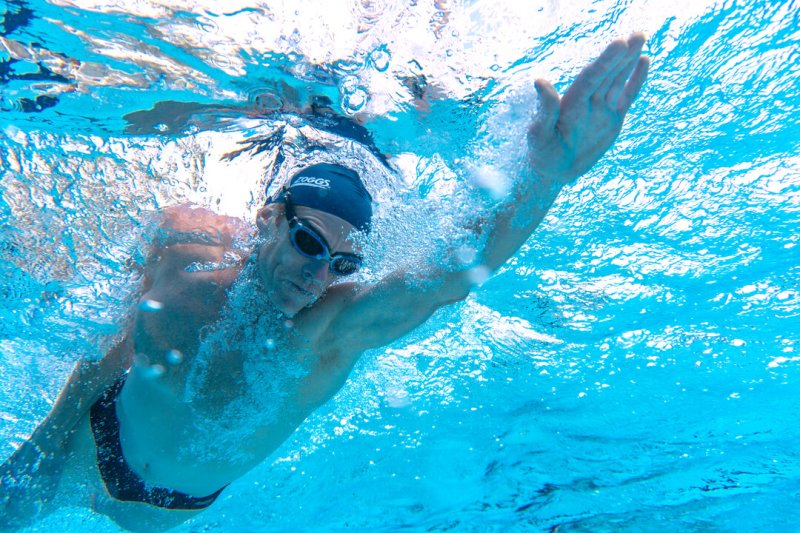
A good pair of swimming goggles is arguably the most important piece of swimming gear after your swimsuit. They should seal comfortably around your eyes without feeling painfully tight and stay securely in place when you push off the pool wall.
Zoggs, for example, offers swimming goggles at different price points, including everyday models such as the Bondi at around £14.50 ($19), Fusion Air goggles at £25 ($33), and more performance-focused Predator models. The best pair is not necessarily the most expensive. A comfortable fit matters far more than extra features, especially when you are swimming lap after lap.
For indoor swimming, clear or lightly tinted lenses are usually a good choice. Outdoor swimmers may prefer tinted, mirrored, or polarized lenses to reduce glare from the water's surface. Zoggs' Predator Polarized goggles, for example, are designed to reduce glare and offer peripheral vision and UV protection. Try several styles if possible and choose a pair that stays comfortable throughout your entire swim.
zoggs
If you regularly swim outdoors, an Orca wetsuit can be one of the most worthwhile investments you make. Unlike a pool swimsuit, a proper open-water wetsuit provides thermal protection and helps with buoyancy and body position, making it easier to stay comfortably afloat.
Orca offers several open-water ranges for different types of swimmers. The Vitalis range is designed for recreational swimmers and those starting out in open water, whereas the Zeal range is aimed at swimmers who want greater freedom of movement and less resistance with every stroke. Options include thermal suits, high-visibility designs, and models offering different levels of flexibility and buoyancy.
The most important thing is fit. A wetsuit should feel snug without restricting your breathing or shoulder movement. Try it on carefully before buying and check how freely you can rotate your shoulders. A suit that is too loose can let cold water flush through, but one that is too tight can make every stroke uncomfortable.

zoggs
Not a Swimmer? Discover how the SSI Survival Swim Program helps beginners develop essential swimming skills, water confidence, and safety awareness before taking their first steps toward scuba diving.
A swim cap is inexpensive swimming gear that can make a surprising difference. It keeps hair out of your face, so you can focus on your strokes instead of constantly brushing strands away and helps reduce drag as you move through the water.
Silicone caps are generally durable and reusable, whereas latex caps are often cheaper but can feel less comfortable against the skin. If you swim regularly, investing in a comfortable, durable cap makes more sense than repeatedly replacing cheaper ones.
Short training fins can be excellent swimming gear for improving body position, kicking rhythm, and ankle flexibility. Their extra propulsion helps you feel how a streamlined position keeps your body moving through the water, making certain technique drills easier.
However, they are not essential for regular fitness swimming. Beginners should first learn to control their kick without relying on extra propulsion. When choosing fins, look for a snug foot pocket that does not pinch or rub. Short training fins are generally more practical for pool technique than very long fins.
Zoggs also offers fins, kickboards, and paddles as part of its swim training equipment range.
AdobeStock-aetb
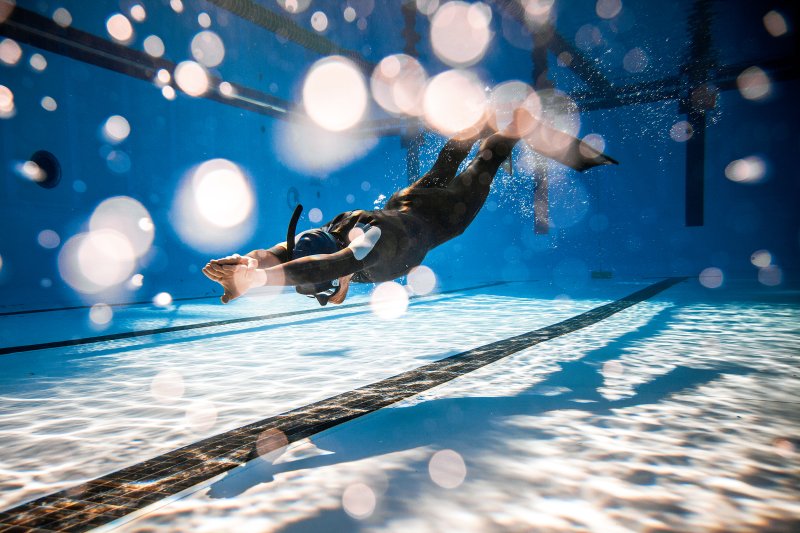
A front-mounted swimming snorkel lets you breathe without turning your head, making it easier to focus on body position, arm movements, and kicking technique instead of interrupting your rhythm to breathe.
This is particularly useful when learning to keep your head still and your body horizontal during freestyle, without your hips dropping every time you turn to breathe. However, a snorkel should support your technique rather than replace normal breathing practice. Use it for part of a session, then swim without it to carry those improvements into your normal stroke.
For most recreational swimmers, it is a helpful training aid rather than an essential purchase.
Hand paddles increase resistance during the pulling phase of your stroke. Used correctly, they help you feel how your hand catches and pushes against the water, building awareness of your technique and pulling strength. They also make inefficient movements easier to notice.
Bigger is not automatically better. Oversized paddles can put considerable strain on your shoulders, especially if your technique is still developing. Start with smaller paddles and short intervals, focusing on a controlled pull rather than maximum resistance. If you feel shoulder pain, stop and check your technique instead of pushing through it.
Kickboards and pull buoys remain some of the most useful basic swimming gear because they let you focus on different parts of your stroke without having to concentrate on everything at once.
A kickboard lets you focus on your kick and build leg endurance, whereas a pull buoy keeps your legs afloat so you can concentrate on your arm movements. Neither needs to be expensive, and many pools provide them for swimmers to use.
The key is to use them with a purpose. If you have limited pool time, dedicate part of your session to specific drills before returning to normal swimming. Training aids should help you improve your technique, not become something you rely on every time you get into the water.
Swimming technology has come a long way. Modern swim watches can track distance, laps, pace, stroke count, stroke type, intervals, and sometimes heart rate and recovery.
For swimmers working toward specific goals, this information can be genuinely useful. Compare a 1,000-meter (1,094-yard) swim with an earlier workout, and you can see if you are covering the same distance faster or taking fewer strokes to complete each lap.
But if you simply swim for 30 minutes to stay active, a smartwatch may be unnecessary. If checking your numbers keeps distracting you from enjoying the water, leave the watch on the pool deck and check your results after your swim.
It is never too late to learn! Discover how Adult Beginner Swim Lessons: What Adults Need to Know in 2026 can help you feel more comfortable in the water and build your swimming skills at your own pace.
Swimwear is another area where choosing quality can save you money over time. A swimsuit that holds up to regular exposure to chlorine and saltwater needs replacing less often, saving money and reducing waste.
Zoggs, for example, offers swimwear made with its Ecolast+ fabric, alongside dedicated training and open-water ranges. The company describes Ecolast+ as chlorine-resistant and highlights its broader Plastic Promise sustainability initiative.
When shopping for more sustainable swimming gear, look beyond labels like “eco” or “green.” Check what the manufacturer actually says about the materials, how long the swimwear is designed to last, how it is produced, and how to care for it.
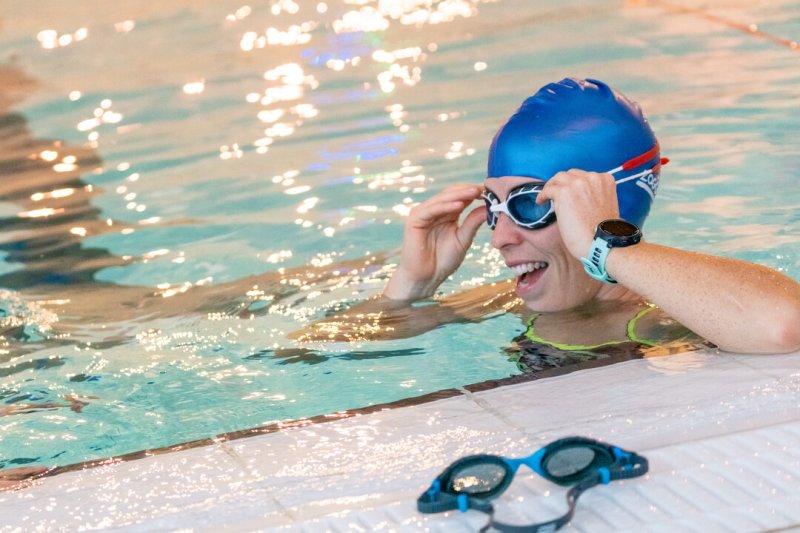
If you are new to swimming, your swimming gear list can be surprisingly short. Start with a comfortable swimsuit and swimming goggles that fit properly without pinching or slipping. Add a swim cap if you prefer wearing one.
Most other swimming equipment can be borrowed from a pool or instructor as you discover what type of swimming you enjoy. There is little point in buying fins, paddles, snorkels, and other training aids before you know if you will actually use them regularly.
Spend your money on comfort and fit first. Add specialist equipment later, once you know exactly what you need it for.
Image Name:
beginner-swimming-gear-pool.jpg
Alt Text:
zoggs
Fitness swimmers generally get the most value from equipment that makes regular training easier and more comfortable. A reliable pair of goggles, comfortable swimwear, and a swim cap may be all you need.
Short fins can help you find a steadier kicking rhythm, and a training snorkel lets you focus on your arm movements without turning your head to breathe. A smartwatch can also be worthwhile if you enjoy tracking your distance, pace, or workout times.
The goal is not to fill your bag with equipment. A few well-chosen pieces of swimming gear can make hundreds of training sessions more comfortable and enjoyable.
Competitive swimmers have more specific requirements. Goggles need to stay securely in place during powerful starts and quick turns, swimwear should fit snugly without restricting movement, and training aids need a clear purpose within the overall program.
At this level, equipment should complement coaching rather than make up for weaknesses in technique. Expensive goggles cannot fix poor body position, and larger paddles will not automatically give you a stronger, more effective pull through the water.
Performance equipment makes the most sense when you know exactly what you want to improve and how it can help you get there.
Some swimming gear looks impressive but offers little benefit for most swimmers. A bag full of training aids you rarely use, oversized paddles that strain your shoulders, unnecessary gadgets, and poorly fitting equipment are good examples.
A simple test is to ask yourself what the item will help you improve in the water. If you cannot answer that question, you probably do not need it.
The same goes for upgrading equipment just because a newer model is available. If your goggles still fit comfortably, your swimsuit stays supportive, and your training aids work properly, there is no reason to replace them simply because it is 2026.
Taking good care of your swimming gear can help it last much longer. Rinse goggles, fins, snorkels, and other equipment with fresh water after swimming, especially after a salty ocean swim or a session in a heavily chlorinated pool.
Let everything dry completely before packing it away and keep your goggles in a protective case rather than loose in your swim bag, where they can easily get scratched. Follow the manufacturer's care instructions for swimwear and keep it away from excessive heat.
With proper care, even a more expensive, durable piece of swimming equipment can be worth the investment for years.
The smartest swimming gear purchases are the ones that make you more comfortable, help you improve your technique, or solve a problem you notice in the water. Start with the essentials, borrow equipment when possible, and add specialist tools once you know how they can improve your swimming.
If you want to build your confidence and develop your skills beyond regular pool swimming, SSI offers programs that help you become more comfortable and capable in the water. Use the SSI Center Locator to find an SSI Training Center and speak with a professional about training that matches your swimming goals.
There is no perfect swim bag for every swimmer. Beginners need less equipment than they often think, fitness swimmers benefit from a few reliable training tools, and competitive swimmers may choose specialized gear to fine-tune their technique.
In 2026, the best swimming gear is still not necessarily the newest or most expensive. It is the equipment that fits comfortably, holds up through countless swims, and makes every session more enjoyable or helps you move through the water with greater ease. Choose carefully, take good care of your gear, and let your swimming goals guide your next purchase.
- Adult Beginner Swim Lessons – New to swimming? Find out how beginner lessons can help you improve your technique and feel more comfortable in the water.
- Open Water Swim Essentials – Thinking about swimming beyond the pool? Discover practical tips for preparing for your first open water swim.
- Find an SSI Training Center – Connect with an SSI Professional who can help you choose suitable training and take the next step toward your swimming goals.