Best Scuba Diving in Europe with Kids: 10 Great Spots
scuba divingtravel
iStock-danilovi
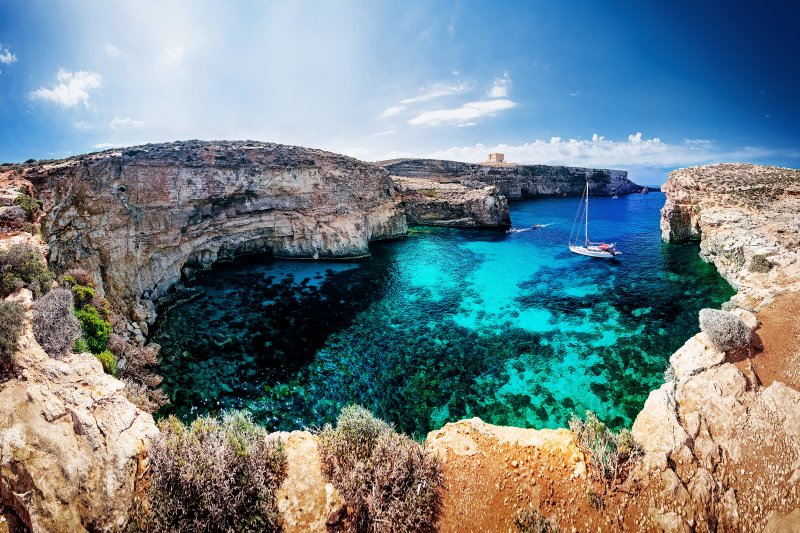
Europe might not be the first destination that comes to mind for scuba diving with kids, but it has plenty to offer young divers. Picture warm Mediterranean bays with calm, shallow water or crystal-clear lakes framed by mountains. The best scuba diving in Europe combines accessible dive sites, good visibility, snorkeling, family-friendly resorts, and professional instruction. From your child's first breaths underwater to exploring rocky reefs together, families can enjoy diving alongside beautiful beaches, historic towns, wildlife, and adventures on land.
unsplash-loki-loki22
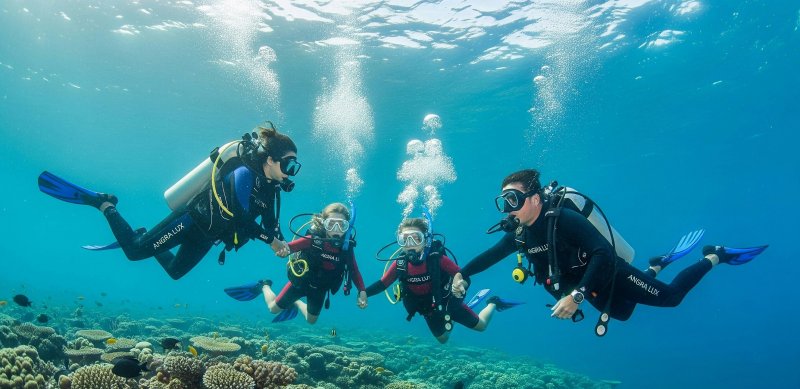
Malta is a great choice for family diving vacations, with well-established dive centers and accessible sites. Sheltered bays, rocky shorelines, and excellent visibility make it easier to find suitable conditions for younger divers. Around Ċirkewwa and Għar Lapsi, shallow rocky areas offer plenty to discover without heading straight into deeper water.
Malta also works well for families with different diving experience levels. Younger children can snorkel in sheltered bays, and older or more experienced divers can explore underwater caves, arches, and deeper wrecks. Outside the water, Malta offers historic towns, sandy beaches, and boat trips, so nobody needs to spend the entire vacation in a wetsuit.
Best for: Families looking for warm water, easy travel arrangements, and plenty to do between dives.
Discover diving in Malta on Scubago and find dive sites and local dive centers for your family trip.
Just a short ferry ride from Malta, Gozo offers a slower pace that makes it especially appealing for families. Several dive sites have easy entries and shallow areas where young divers can get comfortable in the water at their own pace. Clear water and fascinating rock formations give them plenty to discover, even on shorter dives.
Gozo is ideal for families who prefer a peaceful island vacation over busy resorts. Staying around Marsalforn or Xlendi puts restaurants, swimming spots, and dive centers within easy reach. Between dives, families can explore the island's countryside, visit the Ġgantija temples, or enjoy a boat trip along the coast.
Curious about Gozo's underwater world? Explore diving in Gozo on Scubago and find local dive centers for your next adventure.
Best for: Confident beginners and families who enjoy a relaxed island atmosphere.
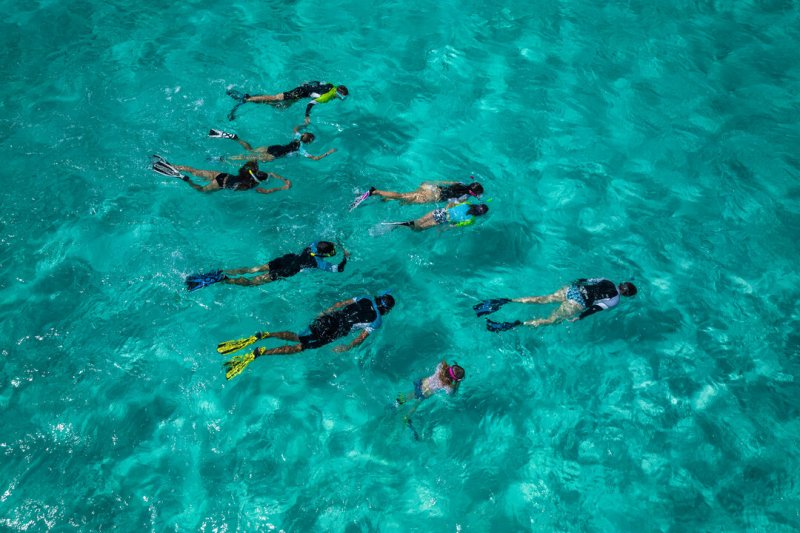
Crete combines Mediterranean diving with the charm of a Greek island vacation. Around Hersonissos, Agios Nikolaos, and Chania, sheltered coastal sites, rocky reefs, and clear blue water offer plenty of opportunities for snorkeling and introductory diving.
predragvuckovic
The best scuba diving in Europe does not always mean spending your entire vacation underwater, and Crete shows why. One morning, your family can learn new diving skills, and the next, explore ancient ruins, swim off a sandy beach, or visit a traditional village. Summer sea temperatures can reach around 25°C (77°F), although children may still appreciate a wetsuit for longer sessions.
For more inspiration, check out scuba diving in Crete, with dive sites and seasonal tips to help plan your trip.
Best for: Families who want to combine diving, beach days, and sightseeing.
Cyprus is particularly appealing for family diving vacations during the warmer months. Clear Mediterranean water, sheltered bays, and generally calm conditions around popular resort areas make it suitable for younger divers. Shallow rocky reefs offer opportunities to spot marine life, and children who are not yet ready to scuba dive can enjoy snorkeling in suitable sheltered areas.
Larnaca and Protaras make convenient bases, with beaches, restaurants, accommodations, and family activities close by. In summer, the water can feel wonderfully warm, with excellent visibility that lets divers take in the rocky reefs and marine life around them. For children's first dives, families should still choose sheltered sites with conditions suited to their experience.
Looking for dive sites in Cyprus? The SSI guide to scuba diving in Cyprus features nine sites, including beginner-friendly Green Bay near Protaras, to help you plan your dives.
Best for: Families looking for warm, clear water and easy access to the beach.
The Canary Islands offer a different diving experience from the Mediterranean. Thanks to its subtropical climate, Tenerife has a longer diving season. Beneath the surface, dark volcanic rocks rise from the seabed, creating a fascinating landscape for family dives. Sheltered bays along the southern coast can offer gentler conditions, and snorkeling gives younger children a chance to discover the marine life closer to the surface.
Tenerife is also a great choice for families who enjoy exploring beyond the dive sites. Spend time on the beach, go whale watching, hike through volcanic landscapes, or simply enjoy the island's scenery. Los Cristianos and Costa Adeje make convenient bases, with accommodations ranging from apartments to family resorts.
Find diving in Tenerife on Scubago with information on sheltered bays, local dive centers, and sites for different experience levels.
Best for: Active families who want to combine diving with a variety of island excursions.
Lanzarote combines relatively warm water with striking volcanic scenery, from lava-covered landscapes on land to rocky formations beneath the waves. At Playa Chica in Puerto del Carmen, sheltered water and marine life make it a popular spot for beginners to discover the island's underwater world.
For families, Lanzarote offers plenty of variety. Younger children who are not ready to dive can snorkel near the surface, and certified young divers can explore shallow rocky formations below. Back on land, lava fields, beaches, and family attractions offer a change of scenery. Staying near Puerto del Carmen also means shorter trips between the hotel and dive center, especially welcome when children have diving equipment to carry.
Take a closer look at diving in Puerto del Carmen on Scubago, including sheltered areas around Playa Chica for snorkeling and introductory diving.
Best for: Families who love marine life and volcanic landscapes, both above and below the water.
In Sardinia, families can easily combine diving with a Mediterranean beach vacation. Picture sheltered coves where the turquoise water is so clear you can see the rocky seabed beneath the surface. Around Alghero and the Maddalena Archipelago, shallow rocky areas invite families to snorkel and discover the coastline underwater, with more advanced dive sites nearby for experienced divers.
Sardinia has plenty to offer everyone in the family. Some can enjoy the beaches, paddle along the coast in a kayak, or head out on a boat trip, as others explore the clear water below. The sea is warmest from late spring through early fall, although younger children may feel more comfortable in a wetsuit outside the height of summer.
Planning to dive in Sardinia? Scubago's guide to diving in Sardinia helps you find dive sites and local dive centers for different experience levels.
Best for: Beach-loving families who want diving to be part of their Mediterranean vacation.
Not every family diving adventure needs the sea. Surrounded by mountains, Lake Garda offers a different kind of underwater experience for families who love diving and outdoor activities. In clearer sections of the lake, rocky slopes disappear into the freshwater depths, where divers may spot perch, pike, and carp. The water can be noticeably cooler than in the Mediterranean, and visibility varies with conditions.
For families used to tropical reefs, Lake Garda offers a completely different underwater landscape. The surrounding region is perfect for cycling, hiking, and boat trips, with charming towns such as Sirmione and Riva del Garda to explore between dives. For young divers, choosing a suitable dive site and training location is especially important, with water temperature, visibility, and their experience levels all playing a part.
Curious about diving in lakes? Read why freshwater diving can be so rewarding, from rocky underwater landscapes to the surprises waiting in lakes.
Best for: Adventurous families who enjoy freshwater diving and mountain scenery.
Croatia's Adriatic coast offers beautiful diving opportunities for families, especially around its sheltered islands and bays. The water is often so clear that you can look down at rocky reefs where Mediterranean fish swim between the rocks and small marine creatures find shelter. Some shore-based dive sites offer convenient access for introductory dives, and younger family members can snorkel in suitable areas close to shore.
Some of the best scuba diving in Europe comes with just as much to discover on land, and Croatia is a great example.In Split, Dubrovnik, and along the islands, families can explore historic streets, spend time on the beach, take boat trips, and enjoy local specialties like freshly grilled fish and seafood. Choose a quieter island for a peaceful family vacation or stay near a larger city for easier transportation and more activities.
Interested in diving along Croatia's Adriatic coast? Browse Croatia's dive sites on Scubago to find inspiration for your next family diving vacation.
Best for: Families who love clear water, island scenery, and a mix of diving and cultural experiences.
Lake Annecy offers a completely different family diving experience. Surrounded by the French Alps, the lake's clear water reflects the mountains above, creating a beautiful backdrop for a family dive. Beneath the surface, however, the water can feel considerably cooler than in the Mediterranean, making proper thermal protection essential. For families already comfortable diving in cooler conditions, Lake Annecy offers a refreshing change from the sea.
For young divers, the attraction goes beyond exploring the lake underwater. Families can swim, cycle along the lakeshore, hike in the surrounding mountains, or paddle across the water before exploring the charming streets of Annecy. It is a wonderful choice for families who prefer an active mountain vacation filled with outdoor adventures over a traditional beach holiday.
Swimming between dives? SSI's Cold Water Swim Safety Guide offers tips on staying comfortable and recognizing the risks of colder water.
Best for: Confident young divers and active families who enjoy cooler freshwater and alpine scenery.
Family diving in Europe changes with the seasons, especially in the Mediterranean. July and August usually bring the warmest sea temperatures, but also crowded beaches, higher accommodation prices, and intense summer heat. For families, late May through June and September can be a great alternative. The water can already feel pleasantly warm, beaches are less crowded, and you can enjoy a relaxing day by the sea.
The Canary Islands offer a longer diving season, whereas freshwater destinations such as Lake Garda and Lake Annecy depend more heavily on water temperatures and weather conditions. Before booking, check the local diving conditions and remember that children can get cold faster than adults, even when the water initially feels comfortable. A well-fitting wetsuit helps them stay warm and enjoy their time underwater, regardless of how inviting the destination looks.
Before traveling, check DiveAssure's diving and travel insurance options to see which coverage may suit your family trip.
The best scuba diving in Europe for families starts with choosing the right dive center. Look for an SSI Dive Center with professionals who regularly teach children and can explain how the training works. Ask about group sizes, shallow-water training areas, properly fitting equipment, and how instructors help if a child feels nervous or gets tired.
SSI offers age-appropriate programs that help young divers develop their skills step by step. The SSI Explorers program introduces children to the underwater world through fun, supervised activities where they can discover what it feels like to breathe and move underwater. Older children who meet the requirements can take their next step with the SSI Open Water Diver program, developing their skills and confidence with each new experience.
Above all, choose a destination that fits your child's experience rather than a dive site that simply looks impressive in photos. A nervous first-time diver may feel much more comfortable in a sheltered, shallow bay than on a challenging boat dive. Children who already feel at home underwater may be ready to explore more varied marine life and deeper dive sites, within their training and age limits.
For Mediterranean destinations, late May through June and September often offer a good balance of warm conditions and fewer crowds. July and August generally bring the highest sea temperatures, but also the busiest beaches. The Canary Islands offer good diving conditions for much of the year.
Usually, yes. Even when the water feels warm to adults, children can lose body heat relatively quickly. A well-fitting wetsuit helps keep them warm and provides some protection from accidental contact with rocks or marine life. The right thickness depends on the destination and season.
Sheltered Mediterranean destinations such as Malta, Gozo, Cyprus, Crete, and parts of Croatia are great starting points. Their shallow sites, generally calm conditions, and snorkeling opportunities make it easier for beginners to get comfortable in the water. Ideally, training begins in shallow, controlled conditions before progressing to open-water dives.
Use the SSI Center Locator to find a center at your chosen destination. Contact the team before traveling to ask about children's programs, minimum ages, equipment, and beginner-friendly dive sites. A little planning can help turn a child's first diving experience into a family memory they will talk about long after the vacation.
Ready to discover the best scuba diving in Europe with your family? From your children's first breaths underwater to exploring new dive sites together, you will share the excitement long after the dive is over.