Best Freediving Destinations: 10 Stunning Reef Locations
freedivingtravel
Table of Contents:
Freediving changes the way you experience a reef. Without the sound of bubbles, you can glide quietly through the water, stop to watch a turtle swim past, or take in the colors and shapes of the coral below. From calm tropical lagoons to dramatic volcanic coastlines, the best freediving destinations bring you close to fascinating marine life in places that are a joy to explore on a single breath.
You might be refining your technique, hoping to encounter incredible wildlife, or simply looking for a new perspective on a spectacular reef. Whatever draws you into the water, these are some of the best places to freedive and deserve a spot on your travel list. Even in the clearest, calmest waters, proper training, supervision, and knowing your limits remain essential.
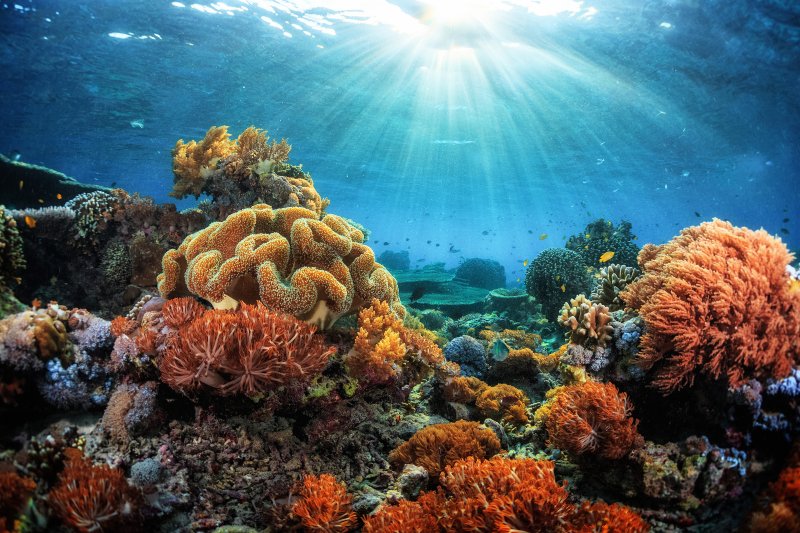
Few places can match the incredible marine biodiversity of Raja Ampat. In the heart of Indonesia's Coral Triangle, colorful reefs teem with life, from manta rays and turtles to schools of reef fish, wobbegong sharks, and tiny creatures hiding between the corals. Around Arborek and the Fam Islands, shallow coral gardens offer freedivers plenty to discover without descending to great depths. Currents can change considerably between sites, so choosing sheltered locations and favorable tides is essential.
Raja Ampat shows why the best freediving destinations are not always about depth. With so much marine life thriving in its shallow reefs, you can enjoy session after session exploring without pushing your limits.
Best time to freedive: October to April generally offers favorable conditions, with December to March particularly appealing for manta encounters.
Experience level needed: Beginner to advanced, depending on the site and currents.
AdobeStock-Dudarev-Mikhail
Discover Raja Ampat on Scubago to explore its dive sites, coral reefs, and remarkable marine life before your trip.
Moalboal on the island of Cebu offers a different kind of spectacle: enormous schools of sardines. Just offshore, thousands of silver fish twist and turn in unison, forming swirling clouds that constantly change shape. You can witness this incredible sardine run without diving deep, making it accessible to newer freedivers with appropriate training and supervision.
The surrounding coastline also offers colorful coral reefs and marine life, with nearby Pescador Island providing more challenging underwater terrain for experienced divers. As part of the Coral Triangle, the Philippines is home to an impressive variety of fish and invertebrates, even during a casual reef session.
With this extraordinary wildlife encounter just a short swim from shore, Moalboal is well worth a place on your freediving bucket list.
Best time to freedive: The sardines are present year-round, with generally calmer conditions during the drier months.
Experience level needed: Beginner in suitable shallow areas; intermediate for more exposed sites and deeper sessions.
Want to know more about Moalboal's spectacular sardines? Read SSI's story about the sardine bait balls in Moalboalto discover their fascinating behavior and why responsible wildlife encounters matter.
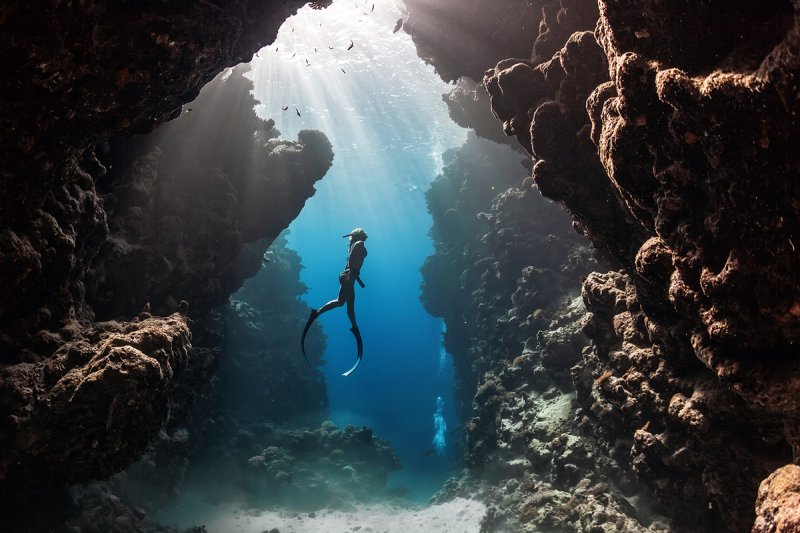
Dahab has earned its reputation as a world-class freediving training destination, but there is much more to discover beyond depth training. The Red Sea offers crystal-clear water, colorful coral reefs teeming with tropical fish, and a sheltered coastline where freedivers can explore several sites directly from shore without relying on boats.
The famous Blue Hole attracts experienced freedivers, but its depth should never become a challenge to chase. Newer freedivers can explore shallower reef areas, practicing relaxation, equalization, and finning techniques as colorful reef fish swim past. With easy shore access and exceptional visibility, Dahab is a great choice for freediving trips that combine a vacation with structured training.
Best time to freedive: Spring and fall generally offer comfortable temperatures and conditions, although freediving is possible throughout much of the year.
Experience level needed: Beginner to advanced, with appropriate training and supervision required for demanding sites.
fred_buyle
Discover Dahab on Scubago and find more information about its Red Sea dive sites.
Bonaire is famous for its easily accessible reefs, making it a great choice for freedivers who want to spend more time in the water without complicated logistics. The island's protected marine environment is home to extensive coral reefs and clear Caribbean waters, where parrotfish graze on coral, angelfish glide past, and turtles and rays may appear along the reef.
Many freediving spots are accessible directly from shore, but an easy entry does not always mean easy conditions. Wind and waves can make shore entries tricky, currents can make the swim back harder, and boat traffic demands extra attention at the surface. Always check local conditions before entering the water.
For beginners, Bonaire offers a relaxed introduction to reef freediving in suitable sheltered locations. More experienced freedivers can combine training sessions with exploring its clear waters and abundant marine life. With reefs just a short swim from shore, Bonaire makes it easy to enjoy the underwater scenery without spending hours organizing each session.
Best time to freedive: December through April generally brings pleasant conditions, although Bonaire can be visited year-round.
Experience level needed: Beginner to advanced, depending on conditions and location.
Love exploring reefs straight from shore? Discover SSI's guide to the best shore diving destinations for more inspiration, including Bonaire's easily accessible reefs.
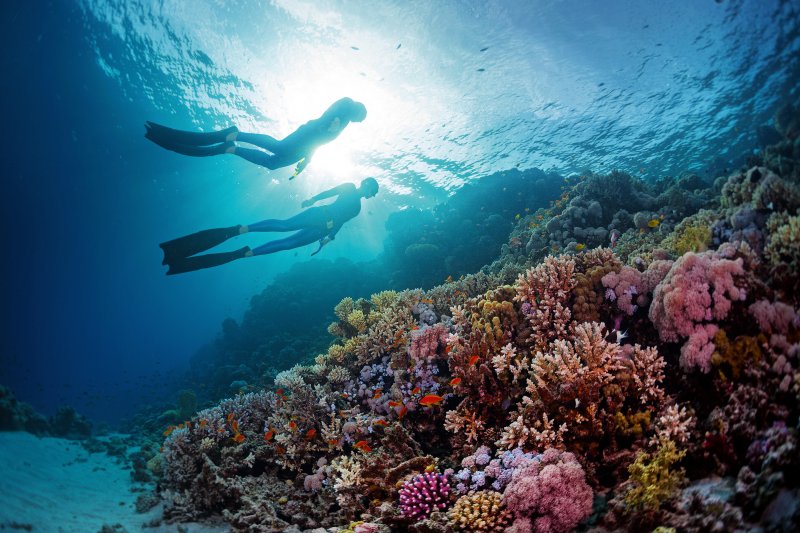
French Polynesia delivers the kind of tropical scenery that almost looks too beautiful to be real, above and below the surface. Around islands such as Moorea, crystal-clear lagoons and coral reefs offer opportunities to encounter colorful reef fish, rays, turtles, and even humpback whales during the season.
fotolia
Moorea is particularly appealing for its sheltered lagoons, where the water can be calmer than along the exposed ocean coastline. Wildlife encounters should always be respectful. Move slowly, never chase an animal, and give it plenty of space to swim away.
For freedivers who love marine encounters more than chasing depth, French Polynesia is a dream destination. Even a session exploring shallow coral gardens can bring memorable sightings. With its warm water, remarkable biodiversity, and breathtaking scenery, it deserves a place on any tropical freediving bucket list.
Best time to freedive: May through October generally brings drier weather. July through November is the period to consider for humpback whale encounters.
Experience level needed: Beginner for sheltered lagoon sessions; intermediate to advanced for exposed sites and deeper training.
Discover French Polynesia on Scubago and explore the islands, lagoons, and marine life that make this destination so appealing.
Komodo's underwater world is spectacular, but its powerful currents demand experience and careful planning. Nutrient-rich waters feed vibrant coral reefs and attract manta rays, schools of reef fish, and other pelagic wildlife, offering incredible encounters for experienced freedivers.
Conditions can change dramatically with the tides. At Manta Point, manta rays may glide through the water as currents sweep across the reef. Freedivers should observe them from the surface and descend only when conditions are suitable and local guides consider it safe. Strong currents can quickly carry you away from your planned route, so they should never be treated as part of the adventure.
For experienced freedivers, Komodo combines spectacular wildlife with demanding ocean conditions. Choosing a knowledgeable local operator and timing sessions around the tides helps you explore these waters more safely.
Best time to freedive: April to November generally offers favorable conditions across much of the park, although local conditions vary significantly.
Experience level needed: Intermediate to advanced, particularly at sites affected by strong currents.
Explore Komodo National Park on Scubago to learn more about its dive sites, marine life, and local conditions before your visit.
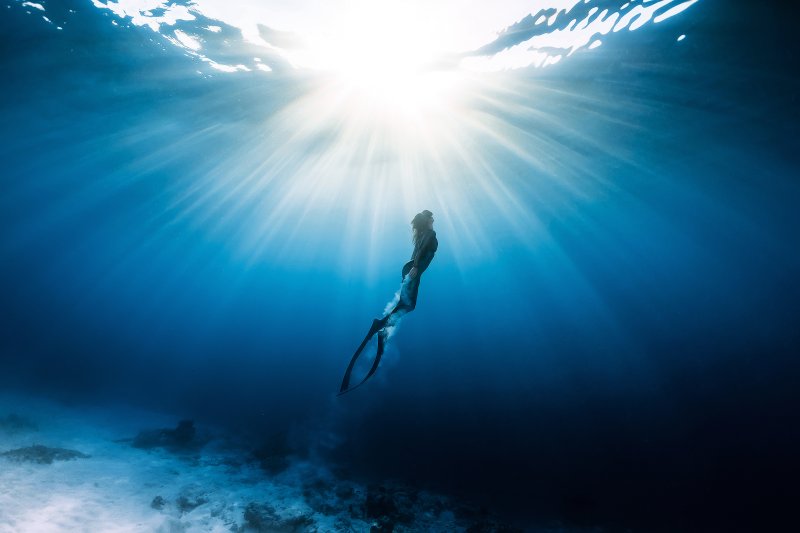
Australia's Great Barrier Reef stretches across an enormous area, giving freedivers a remarkable variety of underwater landscapes to explore. From colorful coral gardens and bommies rising from the seabed to the deeper outer reefs, these waters are home to turtles, reef sharks, rays, and countless reef fish.
For newer freedivers, sheltered reef sections offer calmer conditions to practice their technique. Experienced freedivers can venture to the clearer outer reefs, where more exposed conditions, waves, and boat traffic require extra attention and careful planning.
The sheer size of this ecosystem is part of its magic. Instead of chasing depth, you can slow down and watch life unfold around the corals. With such a variety of underwater habitats and marine encounters, it deserves its place on any list of the best freediving destinations.
Best time to freedive: June through October generally offers dry weather and good visibility, although conditions vary across the reef.
Experience level needed: Beginner to advanced, depending on the location and conditions.
adobestock-artifirsov
Explore the Great Barrier Reef on Scubago and discover its diverse underwater landscapes.
Anilao is a paradise for freedivers who love discovering the smallest creatures hiding in the reef. Located in Batangas, this area is famous for its remarkable macro biodiversity, from colorful nudibranchs and well-camouflaged frogfish to ghost pipefish, crustaceans, and other unusual creatures tucked between corals and sandy patches.
Freediving over a macro site calls for a different approach than searching for large marine animals. Instead of covering long distances, you slow down, maintain your buoyancy, and look closely for tiny movements and shapes that almost blend into their surroundings. With good technique, you can move slowly and observe these fascinating creatures without disturbing their habitat.
For underwater photographers and curious freedivers, Anilao turns even the smallest discovery into something special. Here, the best freediving destinations are about the details you might otherwise swim right past.
Best time to freedive: November through May is generally a popular period for favorable weather and water conditions.
Experience level needed: Beginner to advanced, with appropriate supervision and site selection.
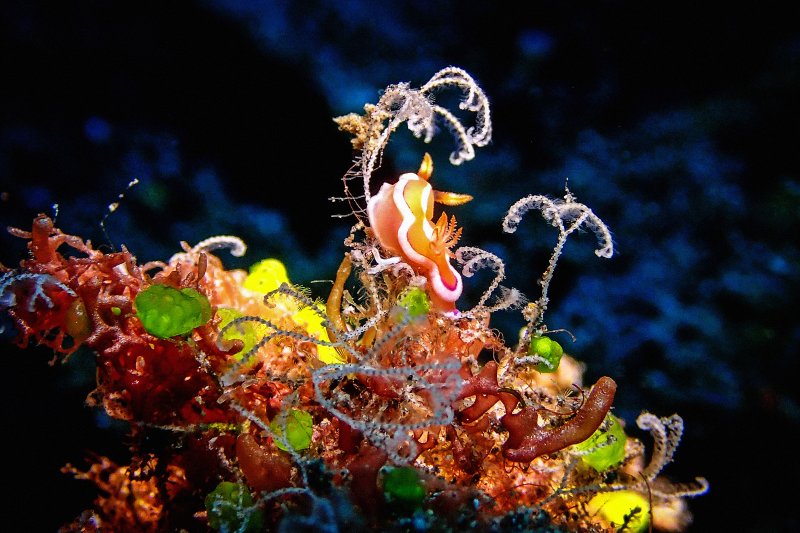
verconia_norba_Mika-Tigny
Fascinated by Anilao's tiny reef inhabitants? Read SSI's guide to the Nudibranch Ecology program and discover more about the colorful sea slugs hiding in coral reefs.
Hawaii combines dramatic volcanic underwater scenery with colorful tropical reefs, and Maui offers plenty of opportunities to explore them on a single breath. Green sea turtles glide past rocky lava formations, with reef fish and species found only in Hawaiian waters adding to the spectacle.
Sheltered coastal bays can be suitable for newer freedivers when the ocean is calm. Exposed sites require more experience, especially when waves create surge that pushes you back and forth near the reef. Weather and ocean conditions can change quickly, making the same location feel very different from one day to the next.
Maui combines freediving with hiking, beautiful beaches, and other outdoor adventures, making it a tempting addition to your bucket list. Hawaiian marine life is protected by specific regulations, so keep your distance from wildlife and never touch turtles or coral.
Best time to freedive: Summer often brings calmer ocean conditions, although local weather and surf forecasts should always guide your plans.
Experience level needed: Beginner in sheltered conditions; intermediate to advanced for exposed locations.
Discover Hawaii on Scubago to learn more about its underwater landscapes and find inspiration for exploring the islands.
Dominica offers a spectacular mix of volcanic underwater scenery and Caribbean marine life, making it an exciting alternative to classic tropical reef destinations. Around Soufrière and Scott's Head, steep volcanic walls drop into deep, clear water, with colorful reefs, sponges, schools of fish, and turtles thriving in the surrounding marine reserve.
Dominica also has a surprisingly strong freediving community. Blue Element Freediving operates in Soufrière Bay, offering training and coaching. Its platform sits in exceptionally calm, sheltered water, with the seabed dropping steeply into the blue just offshore. These conditions attract elite freedivers from around the world, and Blue Element hosts several competitions throughout the year. For visitors, it is a chance to combine a Caribbean getaway with watching some of the world's top freedivers compete at impressive depths.
Beyond the water, Dominica lives up to its nickname, the Caribbean's "Nature Island." Rainforests, waterfalls, volcanic landscapes, and hiking trails turn a freediving trip into a wider adventure. Experienced freedivers can enjoy the deep, calm waters of Soufrière Bay, and newer freedivers can discover the island's shallower reefs with appropriate supervision.
Best time to freedive: October to May is the main freediving season, with year-round diving also possible.
Experience level needed: Beginner-friendly for guided reef exploration; the deep competition platform is best suited to experienced freedivers training with professional support.
Discover Dominica on Scubago and explore its volcanic dive sites.
The most memorable freediving trip is not necessarily the one where you reach your greatest depth. The ability to relax, move effortlessly through the water, equalize comfortably, recognize potential risks, and know when to stop can make every dive more enjoyable.
If you are new to freediving, the SSI Freediver program is a great first step before moving into deeper water. SSI's structured training helps you develop your skills at a comfortable pace, building confidence with every session instead of simply trying to dive deeper or hold your breath longer.
Ready to explore these incredible reefs on a single breath? Discover the SSI Freediver program and learn the techniques to explore the underwater world safely with a buddy.
Use the SSI Center Locator to find a qualified SSI Professional who can help you choose the right training for your experience.