Warmer Oceans: What Scuba Divers Need to Know
ecology
unsplash
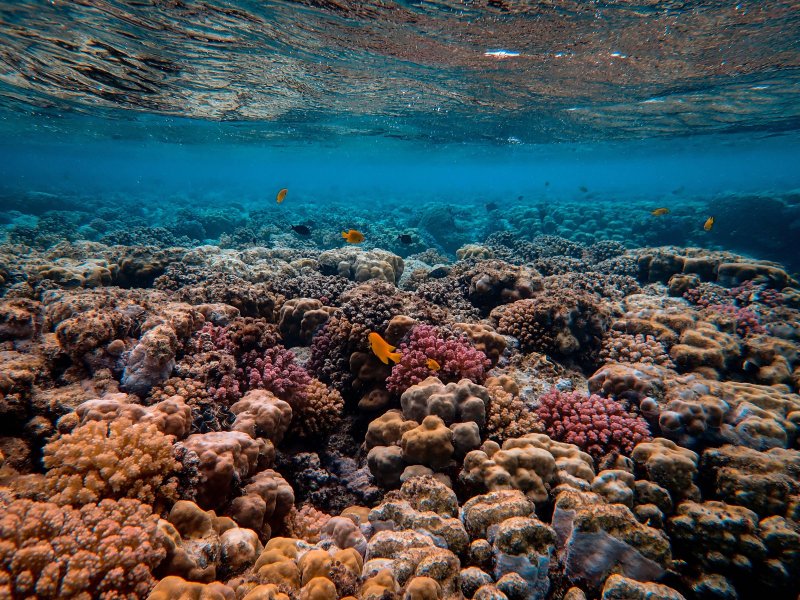
As the world's seas steadily absorb a stunning amount of heat from the atmosphere, divers are beginning to feel the effects in unexpected and dramatic ways. Warmer oceans are changing coral reef health, dive season timing, visibility, and the movements of marine species.
You may notice it on a reef you know well. The water feels warmer than it should. A coral garden looks paler than you remember. The fish life has shifted. At first, you might think, “That is strange.”
Then the worry sinks in: this is not just one odd dive. It is ocean warming becoming visible underwater. But while these changes present real challenges, they also open opportunities for informed divers to become part of the solution.
In this article, we will explore the consequences of warmer oceans for scuba divers, what it means for dive conditions, and how you can stay aware, stay safe, and help protect the underwater world you love.
Table of Contents:
-
Warmer Oceans: How Rising Temperatures Affect Coral Reefs
-
Shifting Marine Species as Ocean Warming Changes Habitats
-
Dive Conditions, Visibility, and Seasonality
-
The Future of Reef Health and Dive Site Quality
-
How Divers Can Respond: Hopeful and Practical Actions
-
Personal Tips and Experience for Divers
-
Training and SSI Programs That Help You Read the Reef
-
Dive Deeper
One of the most immediate consequences of warmer oceans is coral bleaching: when corals are under heat stress, they expel the tiny algae that give them color and much of their energy.
If the heat continues, corals can die, and whole reef ecosystems can suffer. For divers, this is hard to see underwater: fewer bright reef colors, less marine life, and dive sites that suddenly feel quieter than they used to.
The frequency and severity of bleaching events are increasing. Recent global bleaching events have affected reefs in more than 50 countries, showing how serious rising ocean temperatures have become.
Still, there is hope. Some reefs show resilience. Cooler upwellings, local protection, or hardier coral species can create small refuges where reef life still holds on. For divers, these places are a reminder that protection works — and that coral reef health is still worth fighting for.
Want to understand what heat stress does to a reef? Read: What Is Coral Bleaching?
It gives you a clear, deeper explanation of coral bleaching before you continue with the diver-focused impacts.
For the wider reef-protection angle, read: Coral Reef Conservation: Is It Too Late to Save Reefs?
This supports the article's “we need to act” message and connects naturally with SSI's conservation focus.
As the oceans warm, life begins to move. Some species follow cooler water toward the poles. Others move deeper. Tropical species may appear in places where divers did not expect them before, while cold-water species retreat or become harder to find.
That can be exciting for a moment. A new fish on a familiar reef always catches your eye. But when the animals you expected to see are gone, the dive starts to feel different. Warmer oceans can turn a familiar underwater world into a place that feels slightly out of balance.
This shift can be exciting for exploration, but it is also a clear sign that the delicate balance of the deep is under pressure.
Want to learn more about the effects of climate change on the oceans? Read this: Coral reefs are endangered but still can be saved
The impact of warmer oceans also reaches dive conditions. Higher water temperatures and marine heatwaves can reduce dissolved oxygen levels and increase stratification, which means the water forms layers that do not mix as easily. That can favor harmful algal blooms, jellyfish activity, or lower visibility.
For divers, this may mean changing favorite dive seasons, checking local conditions more often, or arriving at a subtropical destination and finding stronger surface currents or murkier water than expected.
Warmer water may sound comfortable at first. But prolonged exposure in hotter seas can increase dehydration and fatigue, especially during long boat days or multiple dives. Drink enough water, plan surface intervals honestly, and do not ignore how your body feels.
Planning dive travel around changing seasons? Scubago dive travel planning helps divers compare destinations, dive sites, and local operators before choosing where to go as dive conditions shift.
For bigger trips, liveaboards, or remote dive travel, review coverage with DiveAssure dive and travel insurance. This adds a practical safety layer when weather, medical logistics, or travel interruptions become part of the planning.
The quality of many reefs may suffer if warmer oceans continue unchecked. Mass bleaching events reduce coral cover. Less coral cover means reef fish lose shelter, small creatures lose safe hiding places, and the whole ecosystem loses structure.
For dive travel, the risk is easy to understand fewer lush coral gardens, less vibrant reef scenes, and more damaged areas where the bottom looks broken or covered in algae. A dive site can still be beautiful, but it may feel less alive than it once did.
The good news is that there are bright spots. Reef restoration, selective breeding of heat-tolerant corals, marine protected areas, and strong local management can help. These efforts cannot replace global climate action, but they can protect coral reef health where it still has a chance.
Looking for a hopeful next step? Ocean Heroes: Coral Restoration and Hope for Our Reefs shows how reef restoration can help damaged coral areas recover.
iStock-mihtiander
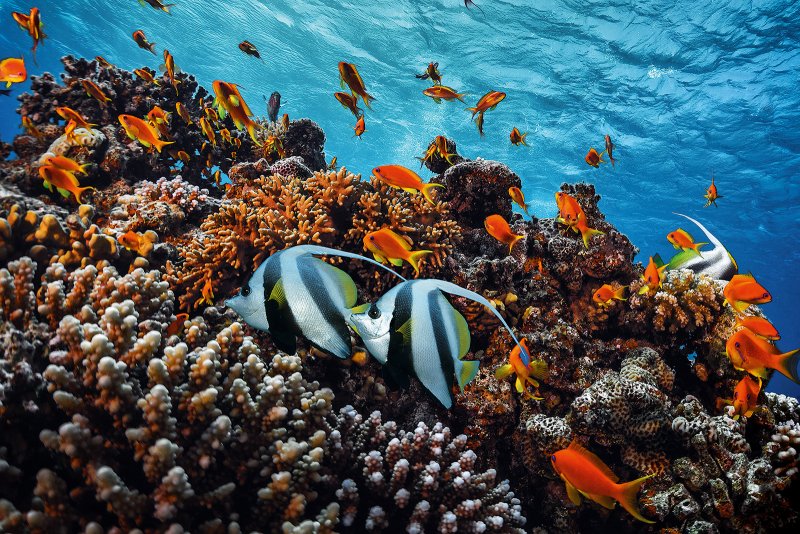
Despite the scale of the challenge posed by warmer oceans, divers are not powerless. We may not control every global driver of ocean warming, but we can reduce local stress on reefs and become better witnesses for what is happening underwater.
- Support marine protected areas to give vulnerable reefs space to recover.
- Use reef-safe products, including mineral-based sunscreen to reduce local stress.
- Commit to responsible diving practices like good buoyancy, good trim, no-touch habits, and mindful photography.
- Respect local guidance during bleaching events or recovery periods.
- Share what you see, join cleanups, and support real ocean conservation work.
By combining awareness with action, you help protect reef systems and the quality of your future dives.
Ready to take the next step? The SSI Blue Oceans program helps divers connect their love for the ocean with simple, practical ocean conservation choices.
Want to turn awareness into action? Join the Blue Oceans community and be part of meaningful ocean conservation action.
In my own dives, it was a shock to see firsthand how warmer oceans can change a site. When you have once floated over a healthy reef full of color, fish, and movement, it hits hard to return and see pale coral, fewer schools, and a place that feels more like a ghost town than a living reef.
For me, that moment was a reminder: we can love exploring and still have a responsibility to protect what we explore. It is not enough to say, “What a shame,” and move on to the next dive site.
On another trip, I visited a protected upwelling zone where corals still glowed despite surrounding heat stress. Seeing that gave me hope again. It reminded me that protection, better dive habits, and continued training can make a real difference, but only when divers stay aware and care enough to act before a reef becomes only a memory.
Before your dives, check seasonal heat alerts, local visibility reports, and current dive conditions. If stratification is strong or the water feels unusually warm, plan more conservatively. Keep drinking water on the boat. Watch your energy. And if the reef looks different, do not ignore it.
Divers who embrace education are better prepared to understand the impacts of warmer oceans. SSI programs like Marine Ecology and Coral Identification can help you read reef health, recognize stress, and dive with more care instead of only seeing “pretty” or “not pretty.”
The SSI Marine Ecology specialty program is a good place to start. This course helps divers understand how ocean organisms interact with each other and their environments, so every reef dive becomes more meaningful.
For reef-focused divers, the SSI Coral Identification specialty program adds even more context. It helps divers better understand the living structure of reefs and what changes when coral communities are under stress.
Ready to take the next step? Use the SSI Center Locator to find an SSI Professional near home or near a future travel destination.
The era of warmer oceans presents real challenges for scuba divers and for the underwater world we cherish.
Yet by staying informed, diving responsibly, and actively choosing to protect our reefs, divers can play a powerful role beneath the waves.
Dive with purpose, train with intention, and help make sure the places you love underwater still have a future.