Marine Diversity in Danger
marine biodiversitycoral reefsenvironmentmarine conservationclimate change
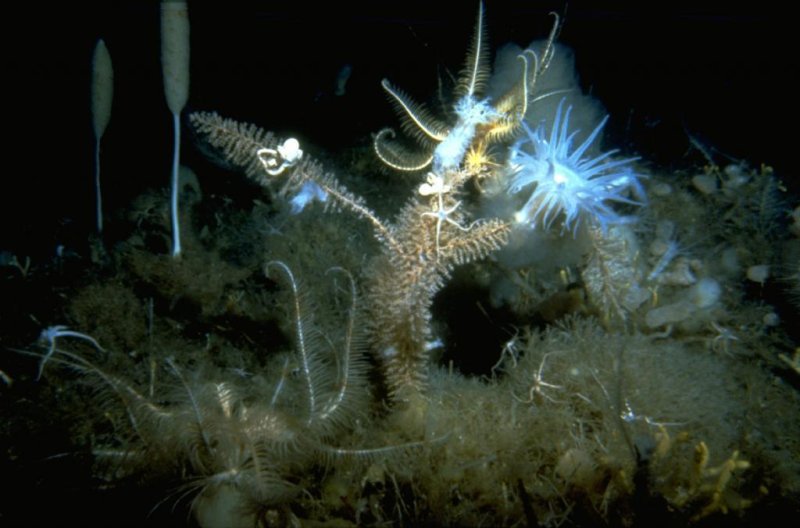
Nice example of the multilevel living community on the seabed, (c) Julian Gutt
Half of the coral reefs are already lost - AWI expert on the importance of marine biodiversity. The oceans have a similar meaning to us humans as our land-based ecosystems. Because changes under water are much less visible than on land, it was even more important to consider the oceans equally in the World Biodiversity Council (IPBES) progress report published on 16 May 2019. A Comment has been written by Julian Gutt, one of the report's lead authors and marine biologist at the Alfred Wegener Institute, Helmholtz Center for Polar and Marine Research (AWI): The oceans cover 71 percent of the earth's surface; their ecosystems are about as diverse in life forms as they are on land and just as important to many people. Precisely because I myself work scientifically with imaging methods, underwater photography and video, I am always impressed by the variety of forms and life in the oceans. In its first Global Assessment Report, the World Biodiversity Council (IPBES) has addressed the issues of how the state of life diversity on Earth is and how we treat it. After all, we all depend on the performance of plants and animals - be it food, raw materials, climate change or medicine - and we need microorganisms for nutrient recycling and health. The oceans play a crucial role. One billion people live mainly on fish and other seafood, and the ocean covers over 20 percent of our global protein needs. Half of the oxygen we breathe is constantly produced by algae in the oceans. So we're in a kind of predicament. We need to intervene in natural ecosystems for our survival, but we must make that use so sustainable that it is guaranteed to exist in an intact environment for generations to come. The new report by the World Biodiversity Council shows that we are currently unable to do this and that we must swiftly redirect to avoid even more massive damage. The state of marine ecosystems is not as obvious at first sight as it is on land, so the public and decision-makers in the progress report are also informed about the oceans in particular. Humankind has changed much of the oceans in the last 150 years. Already today, half of all coral reefs have been destroyed by human intervention in nature. Whole coral reefs in tropical shallow waters are still relatively well visible, but not the cold water corals and sponge reefs of the deep ocean, which are threatened by fishing and littering. Similar to the polar bears whose habitat is lost due to climate change, coral reefs are an icon of biodiversity. However, just as in the Arctic, not only the polar bears are affected, but also a variety of birds, marine mammals and small creatures, so the loss of species in the oceans is likely to be much more widespread than we can document. Based on the area of the destroyed coral reefs and the expected global losses by the end of the century, we can deduce that the number of extinct species is high and rising. Unlike on land, there are not even projections for this dark figure. We also often do not know what possibly important function other marine animals and plants have had or still have the most extinct or endangered species in the marine ecosystem, because observing marine food webs in the long term is very laborious and expensive. But just as the bees on land are essential for the pollination of many plants, there is also very close co-operation between species in the sea. And even in species that are not yet extinct, human influence is considerable, according to the IPBES report. One third of the fish stocks we use are overfished or already collapsed. Experts estimate that climate change will reduce global algae growth by up to 10 percent and fish by up to 25 percent in the coming decades. Solutions, according to the recent IPBES report, require a holistic approach to the United Nations Sustainable Development Goals, which focus on people and their living environment. Among other things, this includes ending hunger, protecting life on land and in the oceans, ensuring health and stopping climate change. According to the World Biodiversity Council, these problems can only be solved jointly and on the basis of scientific findings in combination with social transformations. However, today, great consideration for the diversity of life is necessary everywhere on earth - here and there, even where the changes do not take place right in front of our eyes. Not only because of its benefits, but because of the need for a balanced coexistence of all living things on earth, we have to stop the species extinction immediately. More Information: www.awi.de.
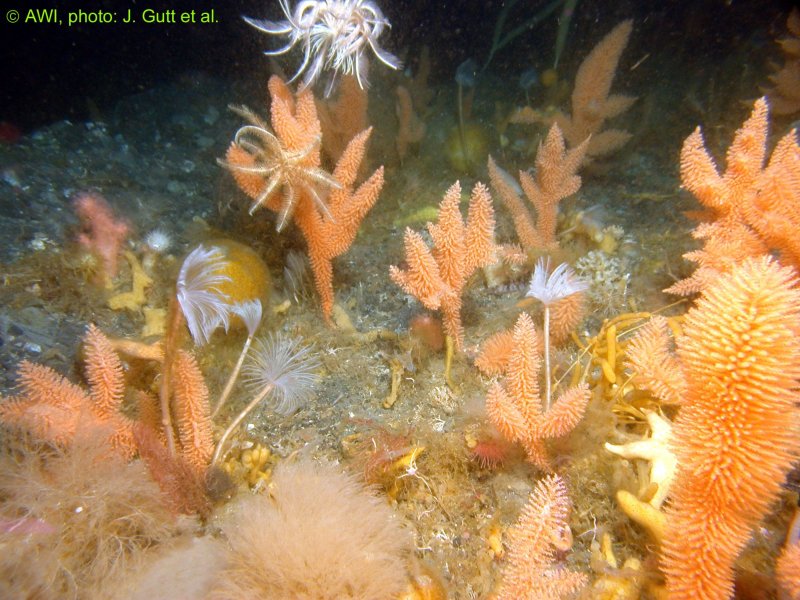
In particular, on the shallower shelf of the Antarctic communities can be dominated by cnidarians, such as the orange horn coral depicted here. Hairstars settle on them and can swim, (c) Julian Gutt
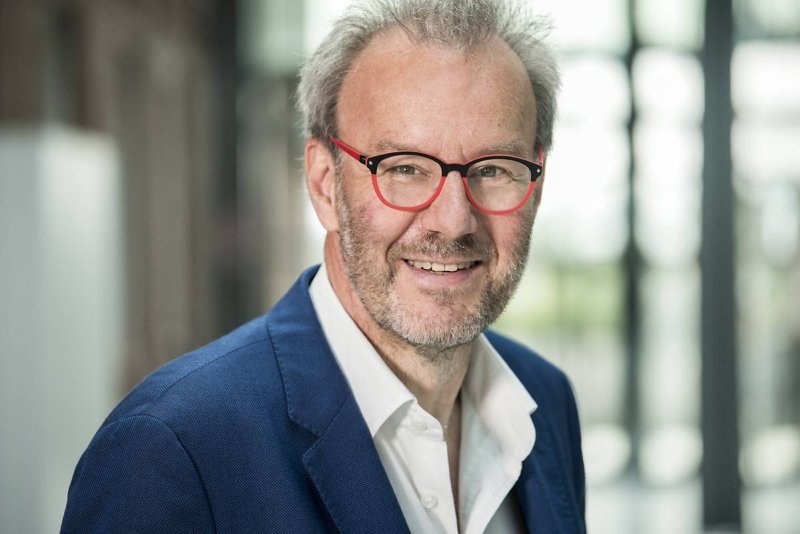
Prof. Dr. AWI's Julian Gutt worked as one of the lead authors on the IPBES report, (c) Kerstin Rolfes
Bài viết này được dịch tự động và có thể chứa một số lỗi nhỏ; vui lòng tham khảo bản gốc tiếng Anh nếu có thắc mắc.