Buoyancy control
scuba divingdiving skillssafetytrainingbuoyancy control
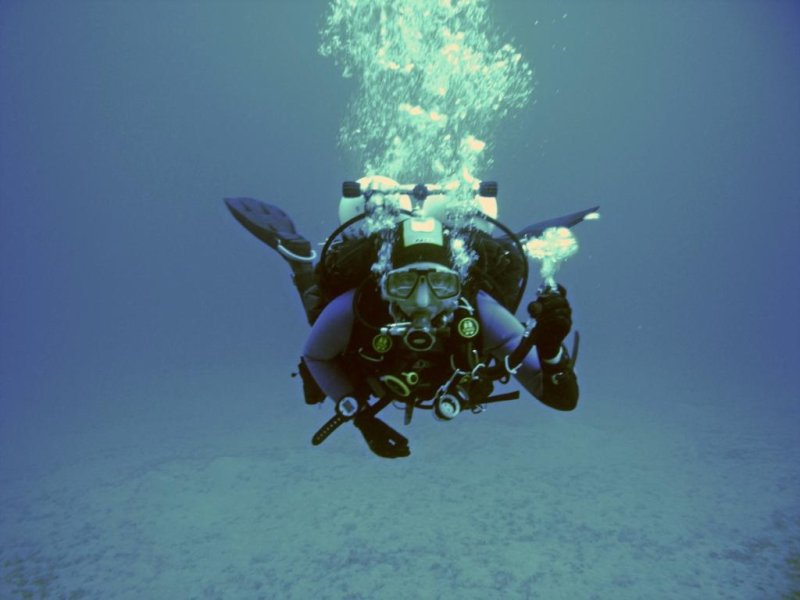
Experienced divers allocate the exact amount of air needed in the jacket or drysuit, purge air automatically from the jacket or drysuit during the ascent, and adjust the breathing to maintain perfect buoyancy all the time.
Diving skills for beginner and advanced divers With this report on buoyancy control, we kick off a short series on
skills and hope that you will find the reports useful. If you have any
questions, please feel free to contact us. Buoyancy control refers to the compensation of positive (rise) and
negative (sink) buoyancy by a diver. The objective is to be perfectly
balanced – called neutral buoyancy – in all situations, whether in
motion or at rest, at any depth underwater. This requires an optimal
interplay of equipment (especially the correct choice of weights),
swimming skills and breathing. "Give the student enough time to
practise breathing and neutral buoyancy" – this credo can be found in
almost every dive instruction manual.
Buoyancy exercises and buoyancy control are an integral part of lessons
at the basic levels. During the training in all the modules for pool
and open water, the objectives are obvious: to perform optimal ascent
and descent procedures, including optimal safety and decompression
stops, to set buoys without "popping-up" or descending due to negative
buoyancy; of course to maintain distance from the ground to avoid
damage, injury and impairment of visibility (e.g. if you descend into a
muddy and silty creek, you will lose all visibility very quickly), to
save energy and dive with some degree of "elegance" and to enjoy
weightlessness. Maintaining neutral buoyancy should be second nature to any diver. This
is akin to changing gears in a car, a skill which we all have to
improve on through practice after getting our driving license. Experienced divers allocate the exact amount of air needed in the
jacket or drysuit, purge air automatically from the jacket or drysuit
during the ascent, and adjust the breathing to maintain perfect
buoyancy all the time. This way, a diver in perfect buoyancy can point
out objects to a buddy, make room for a good photo (without using the
hands as a "paddle") without touching the reef or other divers. If you
need to think about these things, you are not there (yet). Mastering
perfect buoyancy requires time and practice. Not only does the ability
to maintain good buoyancy reflect the diver’s professionalism, it is
also essential for safe diving. The lakes of Germany, Switzerland and
Austria (for example), as well as many other marine environments, offer
magnificent steep wall dives.
A review of dive accidents in the past shows a lack of balancing
ability as a contributor to accidents. Problems could occur when divers
were unable to stop their descent early enough and descended deeper
than they had planned to. This might be due to a problem or the classic
issue of blowing first or second stage and achieving only partial
buoyancy when trying to close the corresponding valve. Coupled with the
high stress levels and anxiety in such situations, accidents can occur.
For this reason, the complexity of buoyancy control exercises should be progressively increased.
A trained and experienced professional prevents overconfidence of his
students by assigning additional tasks in which the basic skills are
internalized, like deploying a buoy, making notes, valve-drills and
similar tasks.
Please see also next article in the series good diving technique: " Optimal Trim for Divers
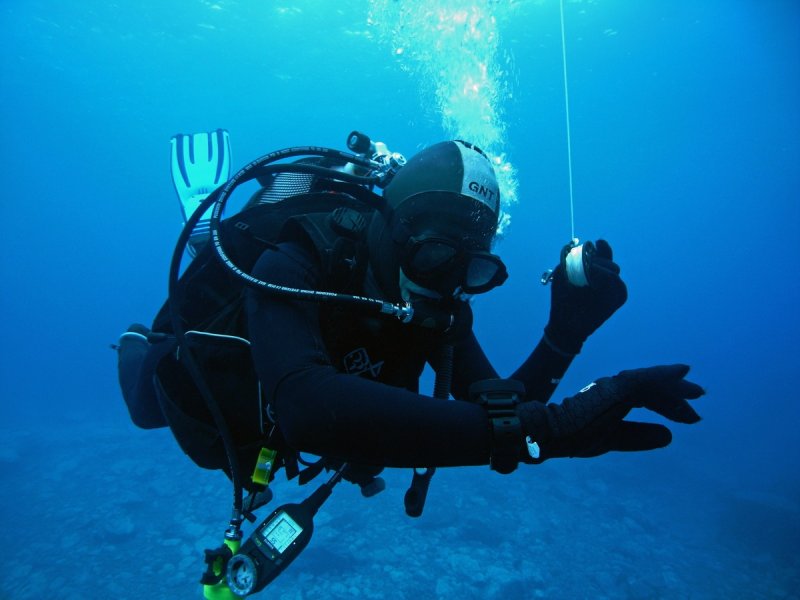
Buoyancy exercises and buoyancy control are an integral part of lessons at the basic levels.
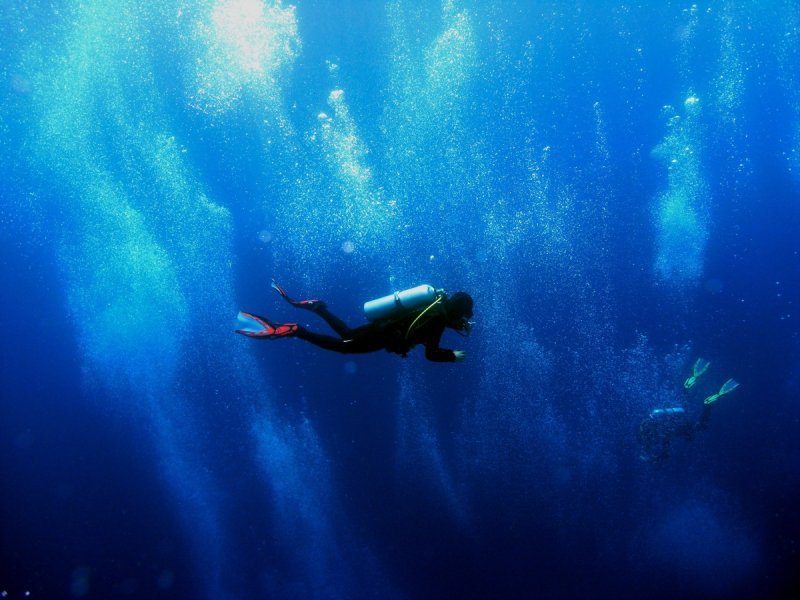
Buoyancy control refers to the compensation of positive (rise) and negative (sink) buoyancy by a diver. The objective is to be perfectly balanced – called neutral buoyancy – in all situations, whether in motion or at rest, at any depth underwater.
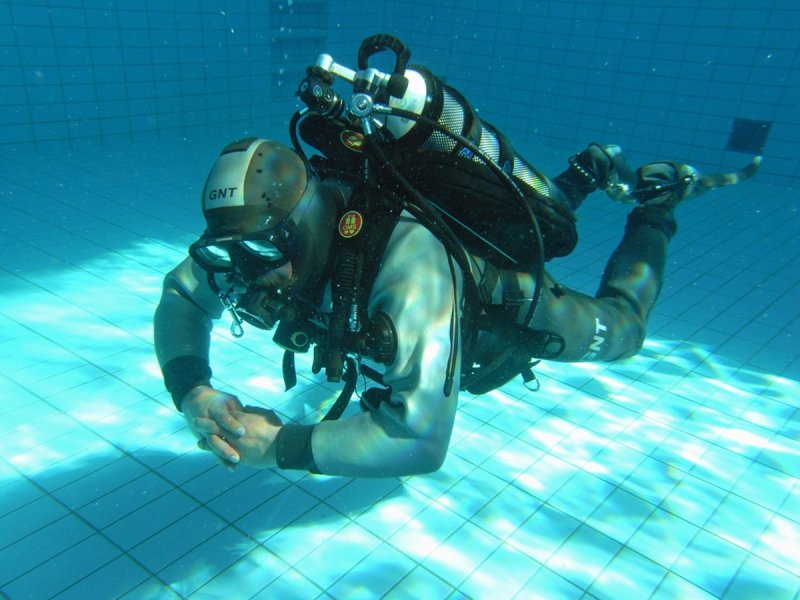
Buoyancy exercises and buoyancy control are an integral part of lessons at the basic levels.
Овај чланак је аутоматски преведен и може садржати мање нетачности; уколико имате недоумица, погледајте оригиналну енглеску верзију.