Wreck Diving: Zenobia vs Thistlegorm
scuba divingmarine lifewreck divingextended rangetravelzenobiathistlegorm
iStock/ultramarinfoto
Wreck diving is an experience not to be missed if you are someone who loves exploration and adventure. There are lots of wrecks around the world to choose from, but two of our favorites have to be the Zenobia and the Thistlegorm. Both offer a huge area to explore, an opportunity for safe, easy penetration, and beautiful marine life… So which one is better?
Read on to find out what makes each wreck special, so you can decide which one you would like to go and dive at first.
The Zenobia shipwreck is one of the best wrecks worldwide, sitting at a maximum depth of 42 meters (137 feet) deep, and offering an impressive 172 meters (564 feet) of length to explore.
The wreck is just 1.6 kilometers (1 mile) out from the Larnaca shore, so you do not have far to go before reaching the dive site.
The top of the wreck is at around 16 meters (52 feet), making it suitable for both level one divers and those with more experience.
However, the most exciting parts of the ship are between 18 to 30 meters (59-98 feet), so advanced divers will be able to see more.
This dive site is not recommended for Try Scuba programs as it is too deep. There are not usually strong currents at this dive site, making for a relaxing dive with an easy entry. This dive site is also quite popular with experienced freedivers.
READ MORE: ROMAN SHIPWRECK DISCOVERED OFF CYPRUS.
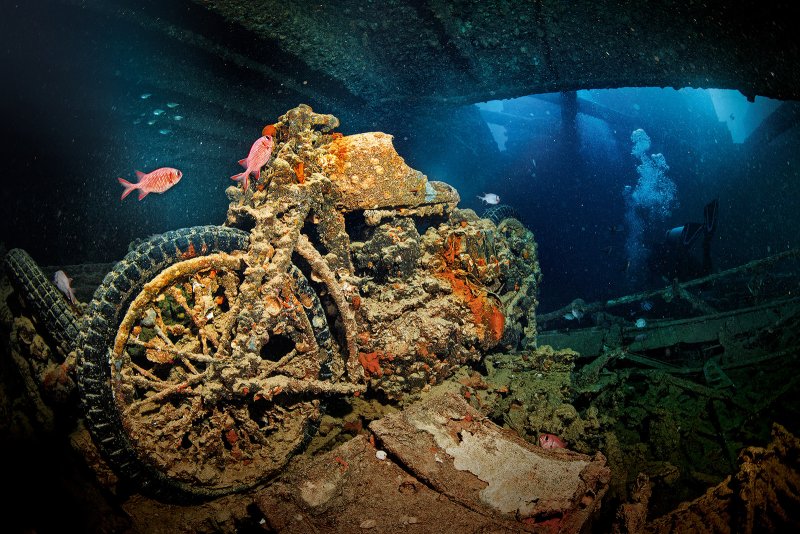
The MS Zenobia sank on its maiden voyage from Sweden to Syria back in 1980. It was carrying over 100 cars and lorries, as well as forklifts and tractors, which can still be seen while scuba diving.
During the voyage, the ship experienced computer ballasting problems and so it was brought into the port of Larnaca.
With excess water being pumped onto the port side, it was decided that the problem could not be fixed, and they decided to tow the ship out to sea where they would, unfortunately, have to let it sink.
With many open windows and doors, it is easy to explore the inside of the wreck safely. The local dive guides can take you on different routes that will lead you through the ship, with a quick exit always available.
Technical divers, and those who are certified to dive to 40 meters (131 feet), can explore the wreck around the seabed and have a good look at the lorries that lie next to the ship down there.
It is also possible to take a peek at the lorry deck, captain’s quarters, engine room, and launderette, which are inside the deeper part of the ship.
DIVE THE WORLD’S DEEPEST WRECKS – BECOME AN SSI TECHNICAL WRECK DIVER.
It is recommended to dive the Zenobia wreck in the summer months (between June and September). The water gets very cold in the winter and a lot of dive centers close up until it gets warmer anyway.
The water temperature in the summer is between 25-27°C (77-80°F), whereas it drops down to as low as 17°C (62°F) in the winter.
- Close to the shore.
- No strong currents.
- A variation of marine life.
- Massive with lots to explore over many days.
- Easy access to the inside.
- Great visibility.
- Suitable for advanced freedivers.
READ MORE: 8 MICRONESIA WRECKS FOR EVERY DIVER.
The Thistlegorm is also considered one of the best places to go wreck diving in the world and is located off the coast of Sharm El Sheikh. It takes around four hours to get to by boat and is one of the best highlights of diving in Egypt.
This shipwreck is 126 meters (413 feet) in length and lies on the ocean floor at a maximum depth of 30 meters (98 feet), with the highest point at 16 meters (52 feet).
The Thistlegorm dive site is prone to quite strong currents, so it is recommended for advanced divers only. However, these currents do not tend to affect the crystal-clear visibility.
EXPLORE SUNKEN HISTORY – BECOME A CERTIFIED WRECK DIVER WITH SSI.
The SS Thistlegorm was a cargo steamship, built in 1940, which carried military equipment during World War II.
She left Glasgow in 1941 and was awaiting an escort to transit through the Suez Canal. Unfortunately, SS Thistlegorm was mistaken for a troop carrier and was bombed by the Luftwaffe.
The ship sank and was later rediscovered in the 1950s by none other than the famous pioneer of early scuba diving, Mr Jacques Cousteau.
Scuba divers have been flocking to Egypt ever since, to dive the amazing Thistlegorm.
This wreck offers the opportunity for penetration, with easy routes to exit without problems.
DISCOVER THE BEST-PRESERVED SHIPWRECKS IN THE WORLD – GO DIVING IN THE GREAT LAKES.
As this is such a popular dive site, we recommend going early to miss the crowds. Liveaboard diving offers the opportunity to dive the wreck before other boats arrive.
The water temperature gets up to around 30°C (86°F) in the summer months of July and August and drops to a low of around 23°C (73°F) in the winter.
- A mix of beautiful marine life.
- Fascinating history.
- Year-round diving opportunity.
- 30 meters (98 feet) - You do not need technical training!
- Easy penetration.
- Great visibility.
- Big enough to explore over a few dives.
If you are looking for a huge wreck with swim-throughs, calm water, and easy access from the shore, the Zenobia is for you.
If warm water, relaxing on a full day’s boat trip, and exploring a wreck with an interesting history is more your style, then the Thistlegorm is calling your name!
But personally, we think you should have both wrecks on your scuba diving bucket list.
CHECK OUT THE WORLD’S BEST WRECK DIVES ON SSI’S MYDIVEGUIDE – YOUR NEXT ADVENTURE AWAITS!