Underwater Fish Identification: Updated SSI Course
ecology
Shutterstock-Stas-Moroz
Table of Contents:
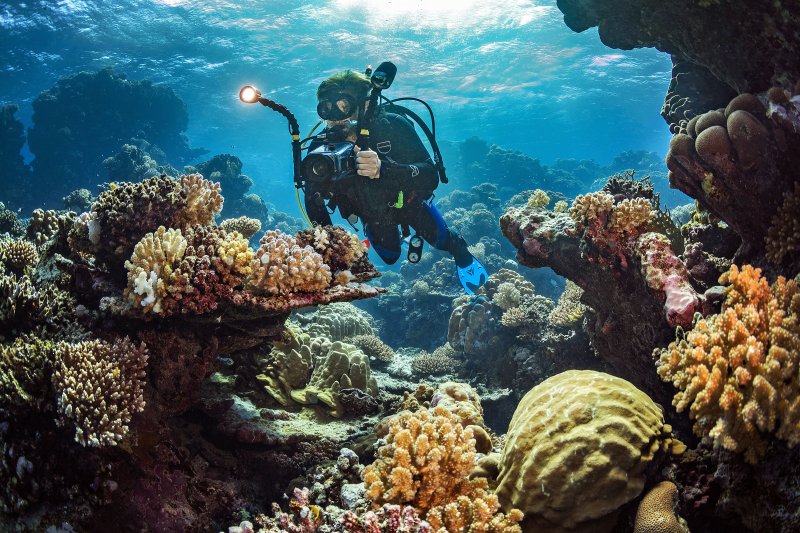
Think back to your very first dive. As your bubbles rose and you took those first few breaths beneath the surface, you were surrounded by color, light, and movement. It was a beautiful, chaotic swirl of life. To a new diver, everything is simply "fish". A stunning but nameless collection of silver flashes, bright neon blues, and hidden shapes moving through reefs or lake beds.
But as you log more dives, you start to notice patterns. A striped fish returns to the same crevice, a tiny sand-colored fish builds a burrow, and some fish ignore you as others watch you with curious eyes.
That is when curiosity takes over. You find yourself asking: What fish was that? Why was it behaving that way? How does it fit into this underwater world?
To help divers answer these questions, Scuba Schools International (SSI) has developed an updated version of its Fish Identification Specialty. The revised program focuses on underwater fish identification, helping you recognize fish families, spot key physical traits, and interpret the fascinating behaviors that make our aquatic world so dynamic.
From tropical coral reefs and temperate kelp forests to local freshwater lakes, this course can change how you see the underwater world on every dive.
Many divers choose continuing education courses that focus on equipment skills or deeper dives. Those specialties are valuable, but ecology courses offer something different. They do not change where you can dive, but they can change how you experience the dives you already enjoy.
Learning to identify fish can make even a familiar dive site more interesting. Here are three reasons why:
When you visit another country, knowing a little about its language, history, and culture changes how you see the place. The same is true underwater. Once you can identify the fish families around you, the reef becomes more than a pretty view. You start to recognize the fish that live there, understand their roles, and see how they fit into the ecosystem.
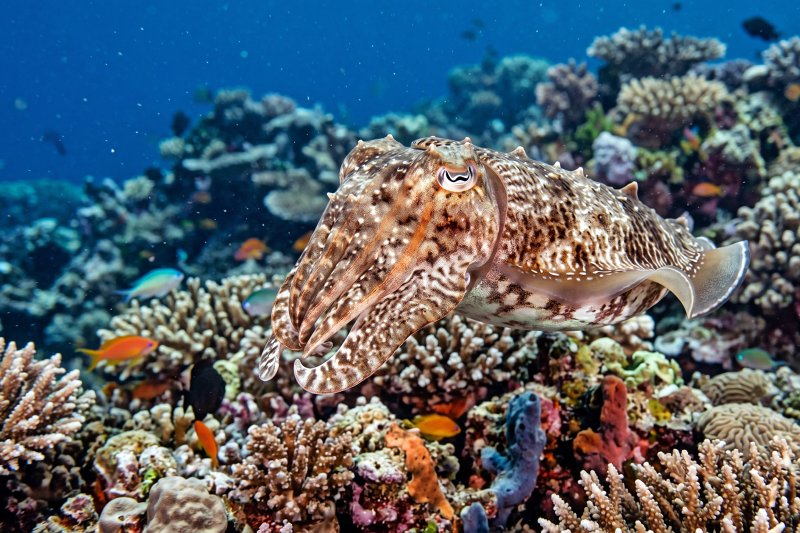
Once you know what to look for, you start spotting fish you might have swum straight past. Some blend into the sand, hide inside sponges, or look like the plants around them. Their body shapes, swimming styles, and usual habitats give you clues that help you find them.
AdobeStock-pinan
We protect what we love, and we love what we understand. Learning about threats such as habitat loss and environmental changes helps you see the challenges they face. That knowledge can make you a more thoughtful diver and encourage you to support conservation efforts such as the SSI Blue Oceans Initiative.
The updated SSI Fish Identification Specialty builds your skills step by step. You do not need to memorize thousands of species. Instead, you learn how fish are grouped into families and which features help you tell them apart. This gives you a practical way to identify unfamiliar fish wherever you dive.
The course covers five main topics:
- Understanding Fish: Dive into the biology, anatomy, and sensory systems of fish. Discover how they breathe, feel, and perceive their underwater environment.
- Names and Groupings: Learn how scientists name and classify fish into families and use those groups to make identification easier.
- Observing and Identifying: Develop practical observation skills you can use underwater. Learn what to look for when you spot an unfamiliar fish, from body shape and fin position to tail shape and swimming behavior.
- Physical Characteristics: Look at colors, markings, mouth shapes, and other features that show how fish feed, hide, and survive.
- Conservation and Stewardship: Understand the role fish play in healthy aquatic ecosystems and how your actions as a diver can support conservation efforts locally and worldwide.
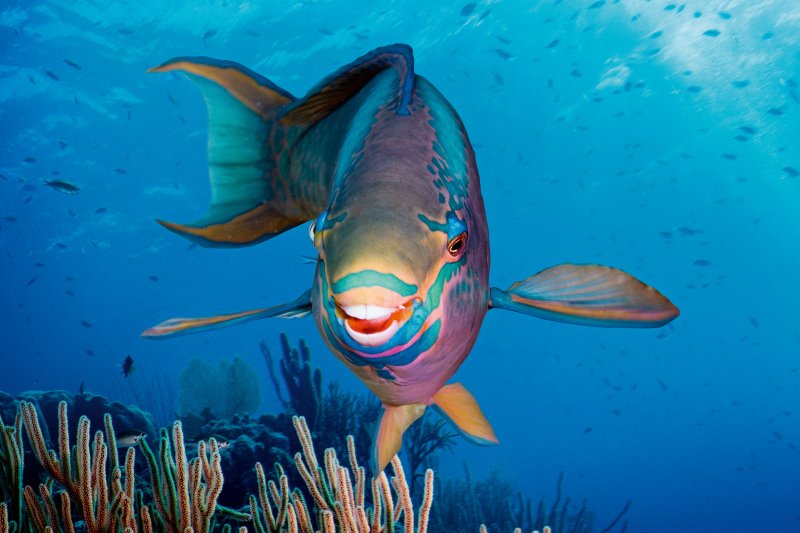
Instead of just recognizing fish by their shape, you will begin to understand what you see. You will learn why a parrotfish has a beak-like mouth, why a flounder lies flat on the seabed, and how a tiny cleaner wrasse can safely swim inside the mouth of a massive grouper.
iStock-burnsboxco
The updated SSI Fish Identification Specialty is not just for tropical reefs. Reef fish identification often brings colorful butterflyfish, parrotfish, and angelfish to mind, but the course also helps divers recognize fish in colder waters and freshwater environments.
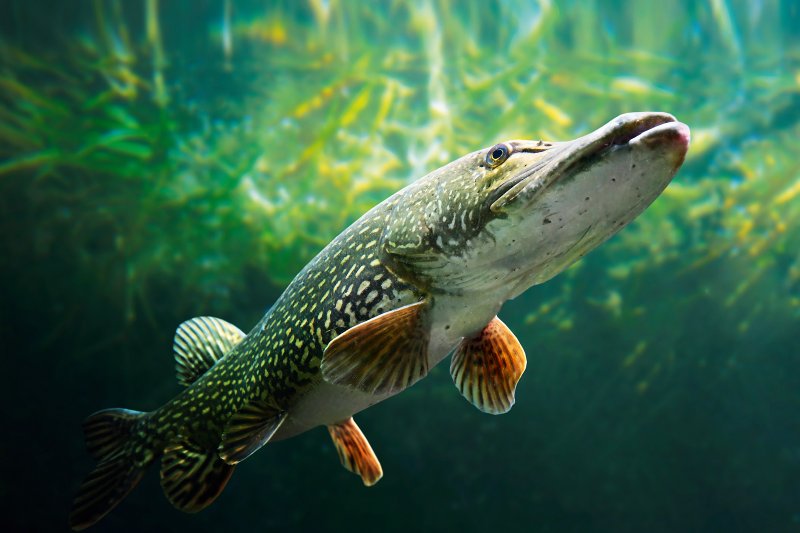
If your local dive site is a quarry, lake, or slow-moving river, you will encounter different species. You might spot a patient, camouflaged pike, territorial bass, or schools of perch. Freshwater fish have their own behaviors and habitats to discover.
The same observation skills you learn in this course can help you identify freshwater fish as well as tropical reef species. That means you can get to know the fish at your local dive sites and appreciate the variety of freshwater life.
iStock-abadonian
The SSI Fish Identification Specialty is designed to fit your schedule. Because it focuses on knowledge, observation, and theory, you can complete it in a classroom or through digital learning.
With the MySSI app, you can access your digital learning materials, study the interactive manuals, and complete the final exam at home, during your commute, or on a surface interval. It is also a good way to keep learning during the off-season when you cannot dive.
Optional dives with an SSI Instructor are highly recommended. With a slate in hand, you can hover quietly near a reef or lake bed and put your new observation skills to use.
The Fish Identification Specialty is part of SSI's wider range of Environmental Specialty Programs. Each course explores a different part of aquatic life, helping you understand how species and their environments are connected.
To build on your fish identification skills, explore these specialties:
Marine Ecology: Learn how ocean ecosystems interact and how energy moves through marine food webs.
Coral Identification: Learn to recognize different coral families, their structures, and signs of coral health.
Shark Ecology and Sea Turtle Ecology: Dive deep into the lives, behaviors, and vital conservation needs of these ancient ocean dwellers.
Freshwater Ecology: Learn the unique characteristics, seasonal changes, and ecology of our lakes, rivers, and wetlands.
Together, these courses help you understand more of what happens beneath the surface and give you useful knowledge if you want to take part in citizen science projects.
Diving gives you something new to learn on every descent. Understanding more about the environments you explore can make each dive more interesting and rewarding.
The updated SSI Fish Identification Specialty helps you stop guessing and start understanding. You will learn how to observe and categorize fish, recognize their families, and appreciate the variety of fish life around you. This knowledge can bring a new level of enjoyment to every dive.
Are you ready to see the underwater world with fresh eyes?
Explore the SSI Fish Identification Specialty to learn more about the updated course.
Contact your local SSI Training Center to find out about enrollment and digital learning materials.