Marine Ecology Courses: 10 SSI Specialties for Divers
ecology
iStock-Global_Pics
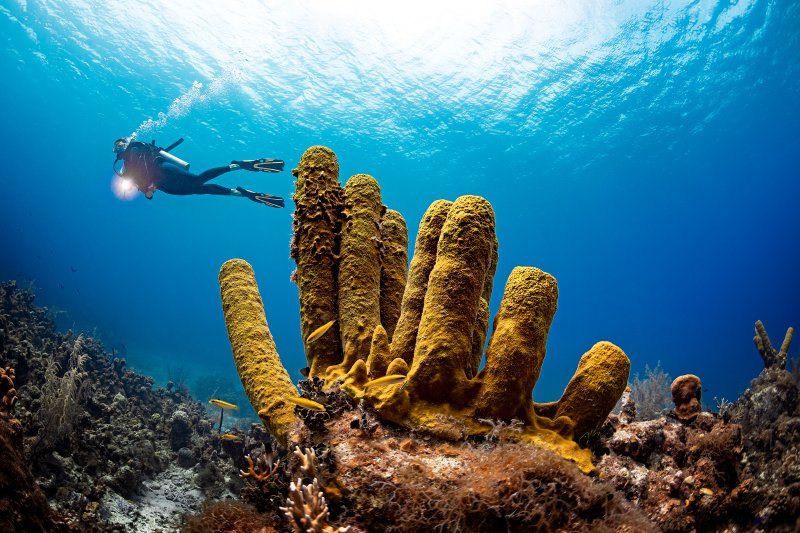
With every dive and every minute you spend underwater, the ocean becomes a place you care about more deeply. You start seeing this fascinating world differently, noticing behavior, patterns, and environmental changes. A shark is no longer a shadow in the blue, and a coral head becomes a busy neighborhood.
That is what marine ecology courses add to diving. SSI Ecology Specialty programs help divers, snorkelers, photographers, and ocean lovers understand what they see and why it matters. Whether your attention goes to sharks, nudibranchs, or coral ecosystems, each course gives the next dive more context.
If you are looking for a marine ecology online course, SSI digital learning gives you access to the academic content anytime, anywhere. These programs have no mandatory in-water training. An SSI Professional can issue your digital certification once you have completed the final exam.
Table of Contents:
-
10 SSI Marine Ecology Courses for Divers
-
1. Fish Identification: Put a Name to What You See
-
2. Coral Identification: Read the Reef
-
3. Marine Ecology: Understand the Whole System
-
4. Shark Ecology: Replace Fear with Understanding
-
5. Manta & Ray Ecology: Make Every Encounter More Meaningful
-
6. Sea Turtle Ecology: Follow an Extraordinary Life Cycle
-
7. Marine Mammal Ecology: Hear the Bigger Story
-
8. Marine Invertebrate Ecology: Find the Life Most Divers Miss
-
9. Nudibranch Ecology: Slow Down and Look Closer
-
10. Freshwater Ecology: Discover a Different Underwater World
-
How to Choose Between SSI Ecology Courses
-
Dive Deeper
Remember surfacing from a tropical dive and describing a fish as “yellow tail, blue stripe, about this big”? The SSI Fish Identification specialty gives you a better language. You learn to recognize common reef fish families through body shape, movement, habitat, and markings.
Groupers, wrasses, butterflyfish, and schooling fish stop blending into the background. You begin to predict where they may be and what their behavior can tell you. As a first step into marine ecology courses, Fish Identification is practical for divers and snorkelers.
The course is highly accessible, available online through SSI's digital learning system, and can often be completed in just a few hours. No diving is required, making it suitable for snorkelers and ocean enthusiasts too.
Understanding fish populations also supports marine conservation and can reveal changes in reef health.
Coral reefs support around 25% of marine species, yet many divers struggle to identify even the basics. The SSI Coral Identification specialty closes the gap between seeing coral and understanding it.
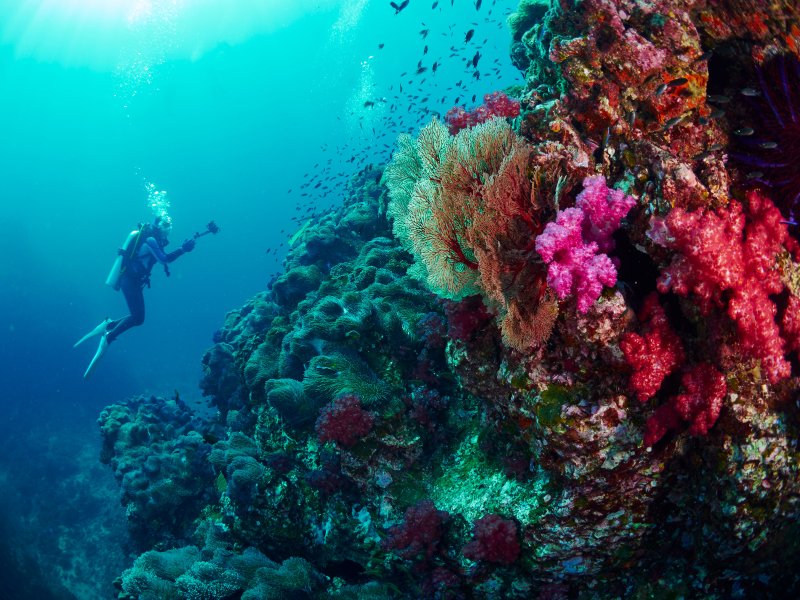
You explore hard and soft corals, common families, reef formation, and the pressures affecting these ecosystems. Branching colonies, boulder corals, and soft corals begin to tell different stories about habitat and biodiversity.
Like many marine ecology courses, this specialty is theory-based and has no mandatory in-water training. A reef dive stops feeling like passing scenery; the shapes beneath you begin to tell a story about habitat, biodiversity, and change.
iStock-para827
For divers who want a broader overview, SSI Marine Ecology provides the foundation for understanding ocean environments. It follows connections between food webs, habitats, biodiversity, energy flow, and human impacts such as pollution and warming seas.
Cleaner shrimp, reef fish, corals, and sharks no longer feel like isolated encounters; you begin to see the threads that hold the reef together. For many learners, SSI Marine Ecology is a strong starting point before a more focused specialty.
SSI suggests three to six hours for the program. By the end, the reef no longer feels like a collection of separate species; you can see how each one supports the wider system and how the other marine ecology courses fit into that bigger picture.
Few marine animals inspire as much fascination as sharks, and few are misunderstood as often. A dark shape appears at the edge of visibility, and every diver looks up. That moment can feel thrilling and unsettling at once.
SSI Shark Ecology replaces movie myths with knowledge of anatomy, behavior, habitats, and conservation challenges.
You learn to interpret behavior underwater and understand why healthy shark populations matter to ocean ecosystems.
For divers who love big-animal encounters, this course can turn nervousness into calm attention and deeper respect.
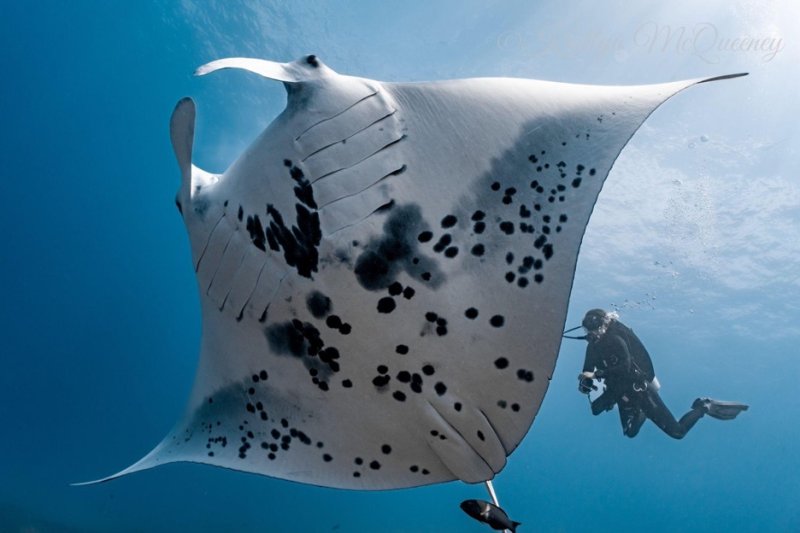
Watching a manta ray glide effortlessly through the water feels almost unreal, like seeing a bird fly underwater. The SSI Manta & Ray Ecology specialty explains how mantas and rays feed, migrate, reproduce, and use cleaning stations.
It also explores threats such as fishing pressure and marine debris.
Once you know why mantas return to cleaning stations and how divers can avoid interrupting natural behavior, the encounter carries more meaning. The course is useful before a ray-focused trip, while SSI's Manta Ray Conservation guide adds advice for responsible encounters.
kaitlyn-mcqueeney
Sea turtle encounters often become unforgettable moments during dives, yet many divers know surprisingly little about their life cycles.
The SSI Sea Turtle Ecology specialty explores identification, migration, nesting, feeding behavior, and the challenges facing green turtles, hawksbills, leatherbacks, and other species.
You learn how turtles cross thousands of miles of ocean and why protecting nesting beaches and feeding grounds matters. Good buoyancy, careful finning, and respectful distance help reduce pressure on turtles and reefs.
For travelers comparing marine ecology courses, this specialty connects naturally with many destinations. Scubago's wildlife explorer can help you research where different species may be found.
Sometimes you hear a whale before you see it. A distant call rolls through the water, and for a moment the whole dive seems to pause.
SSI Marine Mammal Ecology explores the behavior, migration, communication, and ecological roles of whales, dolphins, seals, and manatees. It also covers respectful wildlife interactions and threats such as vessel strikes, plastic pollution, and habitat disturbance.
For divers who dream about large-animal encounters, SSI's guide to the biggest sea creatures offers more inspiration.
Not every fascinating creature is large or dramatic. The SSI Marine Invertebrate Ecology specialty shines a spotlight on octopuses, crustaceans, sea stars, sea cucumbers, and reef residents that are easy to overlook.
You learn why cleaner shrimp matter to reef communities, how camouflage works, and why some invertebrates are reef engineers. The reward is noticing far more on every dive as cracks and crevices fill with hidden life.
This specialty suits photographers and curious divers. SSI's guide to underwater symbiotic relationships shows more examples of species depending on one another.
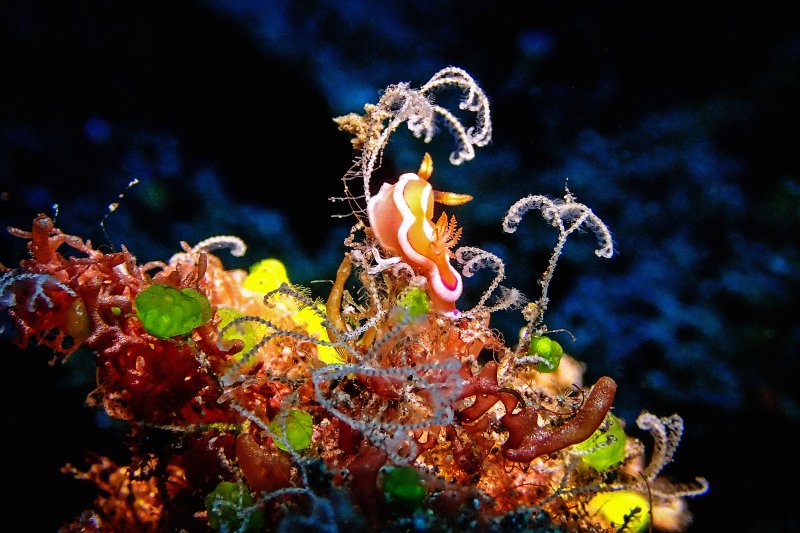
Tiny but impossibly colorful, nudibranchs are favorites with underwater photographers. SSI Nudibranch Ecology covers their anatomy, feeding habits, habitats, and adaptations.
Some species store defensive chemicals from their prey, while others use bold colors and patterns as camouflage or warning. For macro lovers, the course changes a dive because even the smallest reef spaces feel full of life.
Mika-Tigny
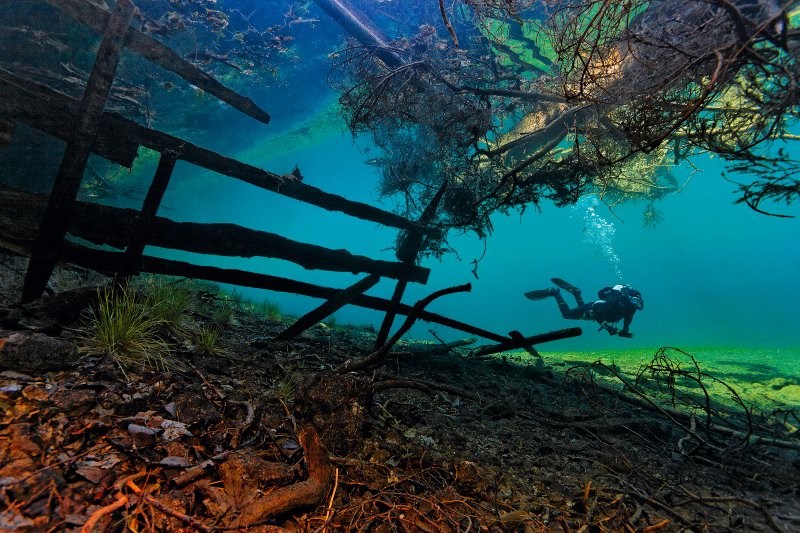
Not all underwater ecosystems are salty. The SSI Freshwater Ecology specialty explores lakes, rivers, springs, and the species and conditions that make inland waters different.
Temperature, visibility, water movement, and nutrient levels shape each habitat. For inland divers, this course gives familiar sites a new identity and builds awareness of conservation challenges close to home.
Udo-Kefri
There are many excellent marine ecology courses to choose from, so start with what holds your attention. Fish Identification and Coral Identification are strong first choices for reading a reef more confidently.
Big-animal enthusiasts may prefer SSI Shark Ecology, Marine Mammal Ecology, Sea Turtle Ecology, or Manta & Ray Ecology. Photographers often enjoy Nudibranch Ecology or Marine Invertebrate Ecology because these SSI ecology courses reveal hidden details.
The programs are flexible, and many begin through SSI digital learning. An SSI Professional can explain the current requirements and help you choose the right course.
Use the SSI Center Locator to connect with a Training Center. SSI Blue Oceans and the guide to how divers can protect the ocean can turn new knowledge into action.
That is the value of marine ecology courses: every dive becomes a chance to understand more, support ocean conservation, and protect what you love.