Cozumel Scuba Diving: 12 Best Dive Sites for Your First Visit
scuba divingtravel
iStock-Reef-Diver
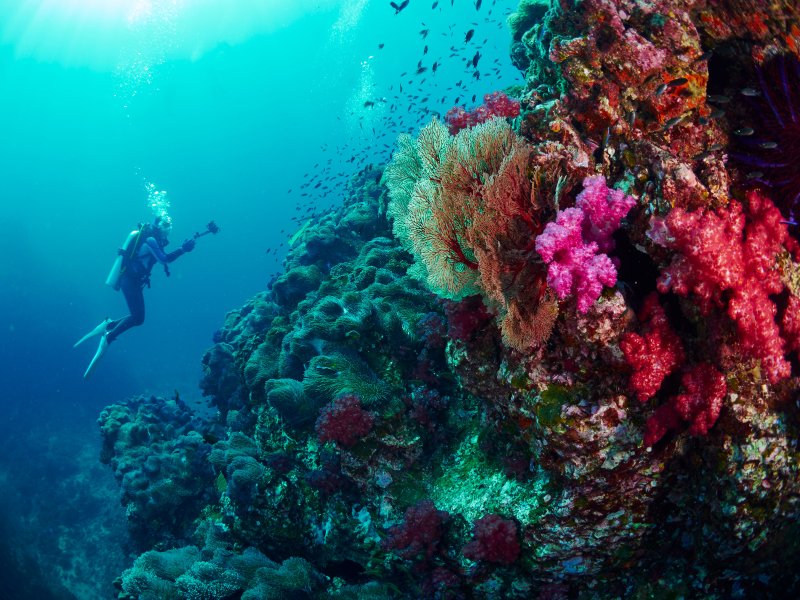
The boat slows, the guide gives the signal, and seconds later the current carries you past coral towers streaked with orange, yellow, and red sponges. That is what makes Cozumel scuba diving so memorable. It feels almost like flying with the water.
If you are planning your first dive trip to the Caribbean, Cozumel scuba diving is hard to beat.
Just off Mexico's Yucatán Peninsula, scuba diving in Cozumel takes you along shallow reefs and dramatic walls within the Mesoamerican Reef System. The island is famous for crystal-clear water, vibrant coral reefs, and effortless drift diving. With water temperatures averaging 26–29°C (79–84°F) and visibility often exceeding 30 meters (100 feet), Cozumel offers rewarding dives for newer and experienced divers alike.
Beyond the water, the island has a relaxed atmosphere, welcoming local culture, and fantastic Mexican food waiting after a day of diving.
These 12 Cozumel dive sites show the variety of Cozumel reefs and can help you choose the right coral gardens, walls, and drift dives for your first trip.
Table of Contents:
-
12 Best Cozumel Dive Sites
-
1. Palancar Gardens
-
2. Palancar Caves
-
3. Colombia Reef
-
4. Colombia Shallows
-
5. Santa Rosa Wall
-
6. Paso del Cedral
-
7. Tormentos Reef
-
8. Yucab Reef
-
9. Paradise Reef
-
10. Chankanaab Reef
-
11. San Francisco Wall
-
12. Punta Dalila
-
Best Time to Dive in Cozumel
-
Helpful SSI Programs for Diving in Cozumel
-
Plan Your Cozumel Dive Trip
-
Dive Deeper
One of Cozumel's most iconic dive sites, Palancar Gardens offers gentle currents and a sloping reef and wall, with much of the dive taking place around 12–25 meters (40–80 feet). When conditions are suitable, it is a good introduction to drift diving for newer certified divers who want to experience the current without feeling overwhelmed.
Colorful coral formations rise from the reef, with angelfish, parrotfish, and the occasional turtle gliding past. Boats typically drop divers upstream, allowing you to settle into your buoyancy and let the current carry you effortlessly along the reef.
The relaxed pace gives you time to enjoy the coral scenery and the feeling of moving with the water, making Palancar Gardens a memorable first taste of Cozumel scuba diving.
Just a little deeper than Palancar Gardens, Palancar Caves reaches around 18–24 meters (60–80 feet) and introduces divers to large swim-throughs and dramatic coral structures. The site is best suited to intermediate divers and confident newer divers who are continuing to build experience, depending on the conditions and the assessment of the local dive professional.
Nurse sharks may rest beneath the ledges, while schools of grunts and snappers move between the coral formations. As sunlight filters through the openings, the passages begin to glow, adding a sense of adventure to the dive.
mares
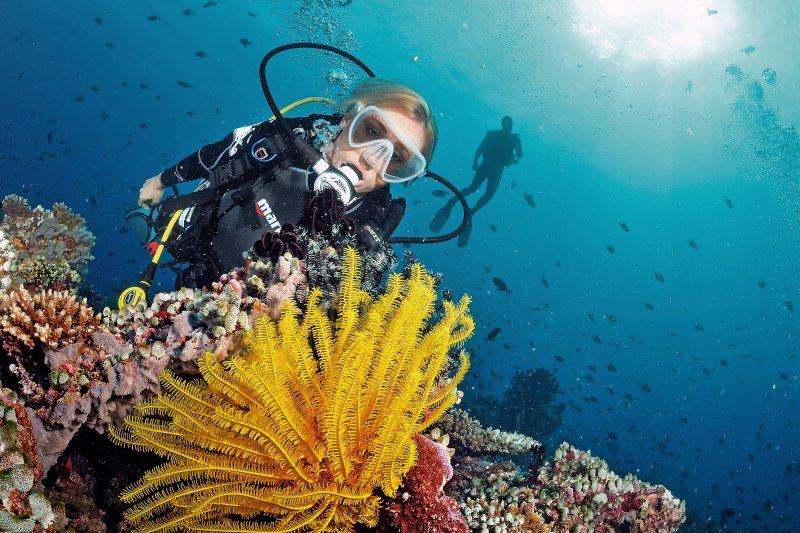
Colombia Reef is a fantastic choice for divers looking for slightly stronger currents and more varied terrain. Depths range from 15–25 meters (50–82 feet), making the site best suited to intermediate divers.
The reef is known for its impressive coral formations, with chances to see eagle rays and turtles passing through the blue. The drift can move a little faster here, so good buoyancy control helps you stay relaxed, maintain your position, and enjoy the changing scenery.
For a more relaxed experience, Colombia Shallows offers depths of around 5–9 meters (15–30 feet). The shallow profile, gentle current, and abundant natural light can make it a good choice for newer divers, refresher dives, or anyone looking for a longer, easy dive and a relaxed introduction to Cozumel scuba diving.
Marine life is abundant throughout the reef. Lobsters hide in crevices and beneath ledges, while colorful reef fish move between the coral heads.
Santa Rosa Wall is one of Cozumel's most famous wall dives. The reef edge begins around 15 meters (50 feet) before dropping into the deep blue far beyond recreational limits. Divers remain within their planned depth range while the wall seems to disappear beneath them.
Large sponges and black coral cover parts of the reef, and an occasional reef shark may cruise past in the blue. The depth and current make this site better suited to intermediate or experienced divers who are comfortable maintaining buoyancy, trim, and position with the group.
Santa Rosa Wall offers a breathtaking perspective of Cozumel's reef system. Drifting with the wall on one side and open blue water on the other makes the scale of the island's underwater landscape impossible to ignore.
Often used for training dives, Paso del Cedral is a good choice for newer certified divers experiencing Cozumel scuba diving for the first time. Depths range from around 12–18 meters (40–60 feet), and currents are often mild, although conditions can vary.
Sandy patches and coral heads attract stingrays, moray eels, and plenty of colorful reef fish. The varied terrain gives divers space to practice buoyancy and other core skills without losing sight of the lively reef around them.
Tormentos Reef is another beginner-friendly Cozumel dive site, with depths ranging from around 12–20 meters (40–65 feet). Its coral structures may be smaller, but they are packed with marine life, creating colorful scenes and plenty of opportunities for underwater photography.
Divers may spot nurse sharks resting beneath ledges, turtles moving above the reef, and the occasional eagle ray gliding through the blue. When the current is manageable, newer certified divers can relax into the drift and take their time exploring the coral.
Yucab Reef offers a mix of coral formations and sandy channels at depths of around 12–18 meters (40–60 feet). The current can move quickly, but with proper guidance and good buoyancy control, divers can settle into the drift and enjoy the reef as it passes beneath them.
Look closely between the corals for macro life such as seahorses and nudibranchs, then lift your eyes toward the blue for larger visitors like rays. This contrast between tiny reef creatures and open-water encounters shows just how diverse Cozumel scuba diving can be.
Located close to shore, Paradise Reef is one of Cozumel's most accessible dive sites. Most dives stay around 9–12 meters (30–40 feet), although the site reaches a maximum depth of about 14 meters (45 feet). This makes it a good choice for newer divers, refresher dives, and underwater photography.
The mild conditions and abundant marine life, including turtles and colorful tropical fish, create a relaxing and enjoyable experience.
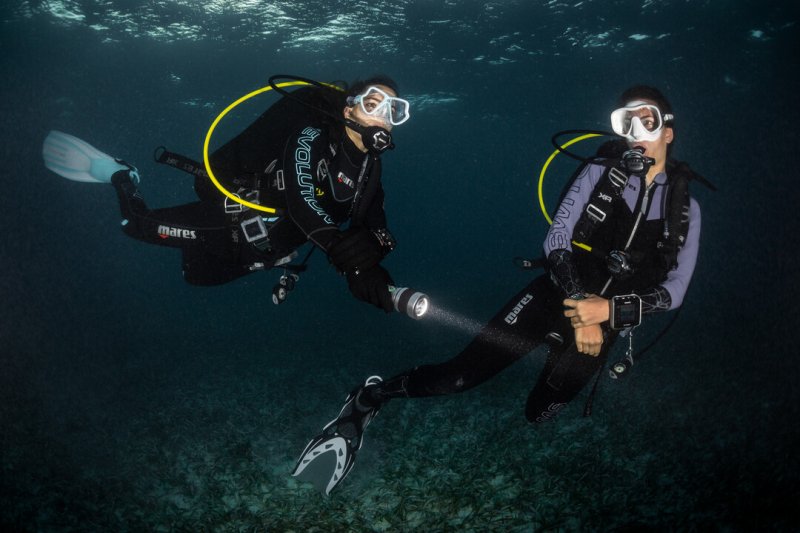
Paradise Reef is also a popular spot for night dives. After sunset, octopuses, crabs, and other nocturnal animals begin to move. Divers who want to feel more confident after dark can prepare with the SSI Night Diving and Limited Visibility Specialty, which covers the skills needed for diving with limited natural light.
predrag-vuckovic
Situated just offshore from Chankanaab National Park, Chankanaab Reef offers easy access and generally sheltered conditions. Depths range from around 10–20 meters (33–65 feet), giving local dive professionals several options when choosing a suitable profile for the group.
Divers can expect clear visibility and vibrant coral formations, with chances to see rays and turtles moving across the reef. The park infrastructure, shore access, and nearby beach facilities make this a convenient and enjoyable option for first-time visitors to Cozumel.
San Francisco Wall is a lively dive site where the upper reef sits around 12–18 meters (40–60 feet) before dropping steeply into the deep blue. Large barrel sponges, gorgonians, and schools of reef fish bring color and movement to the wall.
Turtles may appear along the upper reef, while eagle rays sometimes pass through the open water. The current can be strong, and the depth changes quickly beside the drop-off, making this site better suited to experienced divers who are comfortable maintaining buoyancy, trim, and position within the group.
For divers ready for a relaxed drift, Punta Dalila is a popular shallow second dive, with much of the reef sitting around 12–18 meters (40–60 feet). When the current is mild, it can be a good choice for newer certified divers who already feel comfortable with drift diving.
Turtles and nurse sharks may appear between the colorful coral formations, while schools of reef fish bring movement to the open reef. The diverse marine life and changing underwater scenery make the dive relaxed without feeling uneventful.
After a deeper wall dive, Punta Dalila offers a gentler finish and a memorable way to round out your Cozumel scuba diving trip.
One of the reasons Cozumel scuba diving is so popular is that the island offers diving throughout the year. Water temperatures generally stay between 26–29°C (79–84°F), and visibility often exceeds 30 meters (100 feet), giving divers clear views across the reefs and into the blue.
The best conditions are typically found from November to May, although occasional north winds can interrupt boat schedules during the winter months. Summer brings warmer water and a quieter atmosphere, but it can also bring more rain and the possibility of tropical storms.
mares
If you are planning your first dive trip, the SSI Open Water Diver program is a good place to begin. It gives you the knowledge and in-water skills needed to dive confidently with an SSI Professional.
For certified divers who want more control in Cozumel's currents, the SSI Perfect Buoyancy Specialty helps improve hovering, trim, and movement near the reef. The SSI Waves, Tides and Currents Specialty can also help you better understand moving water, entries, exits, and the conditions that shape Cozumel drift diving.
Most travelers reach the island by flying into Cozumel International Airport or taking the ferry from Playa del Carmen. From there, short boat rides provide access to many of the island's dive sites.
Explore Cozumel dive sites on Scubago to compare local dive centers and available experiences before your trip. DiveAssure dive and travel coverage can help protect the cost of your flights, accommodations, and planned diving.
The SSI Center Locator makes it easy to find a local SSI Training Center and speak with professionals who understand the island's reefs, currents, and changing daily conditions.
With its well-developed dive infrastructure, welcoming culture, and spectacular reefs, Cozumel remains one of the Caribbean's most rewarding destinations for beginning your diving journey or taking your existing skills further.